Embracing Japanese Nightlife: A Cultural Perspective
Japan’s approach to nightlife and entertainment is unique, characterized by a blend of tradition and modernity, discretion and vibrant energy. When travelers think of nightlife, images of karaoke bars, izakayas, and bustling Shibuya crossings often come to mind. However, beneath the surface lies a diverse ecosystem of adult entertainment venues, including what are colloquially referred to as “strip clubs” or more accurately, establishments like “soaplands,” “pink salons,” or certain types of “cabaret clubs” that feature elements of striptease. It’s crucial for the adventurous traveler to understand that these venues operate under different cultural and legal frameworks than their Western counterparts. The emphasis is often on discretion, service, and a certain level of formality, even in an informal setting. This isn’t just about what you see, but how you present yourself as a guest. Just as understanding the intricate art of tea ceremony or the quiet reverence of a temple visit enriches your daytime explorations, understanding the subtle codes of nighttime venues contributes to a holistic appreciation of Japanese society. It’s an aspect of cultural immersion, much like delving into the history of Hiroshima or the serene beauty of Onomichi’s temple walk, albeit one that requires a different kind of preparation. Being informed about dress codes isn’t merely about personal comfort; it’s about showing respect for the establishment, its performers, and the local customs, thereby enhancing your overall experience and ensuring you are welcomed.
The Golden Rule: Respect, Discretion, and Smart Presentation
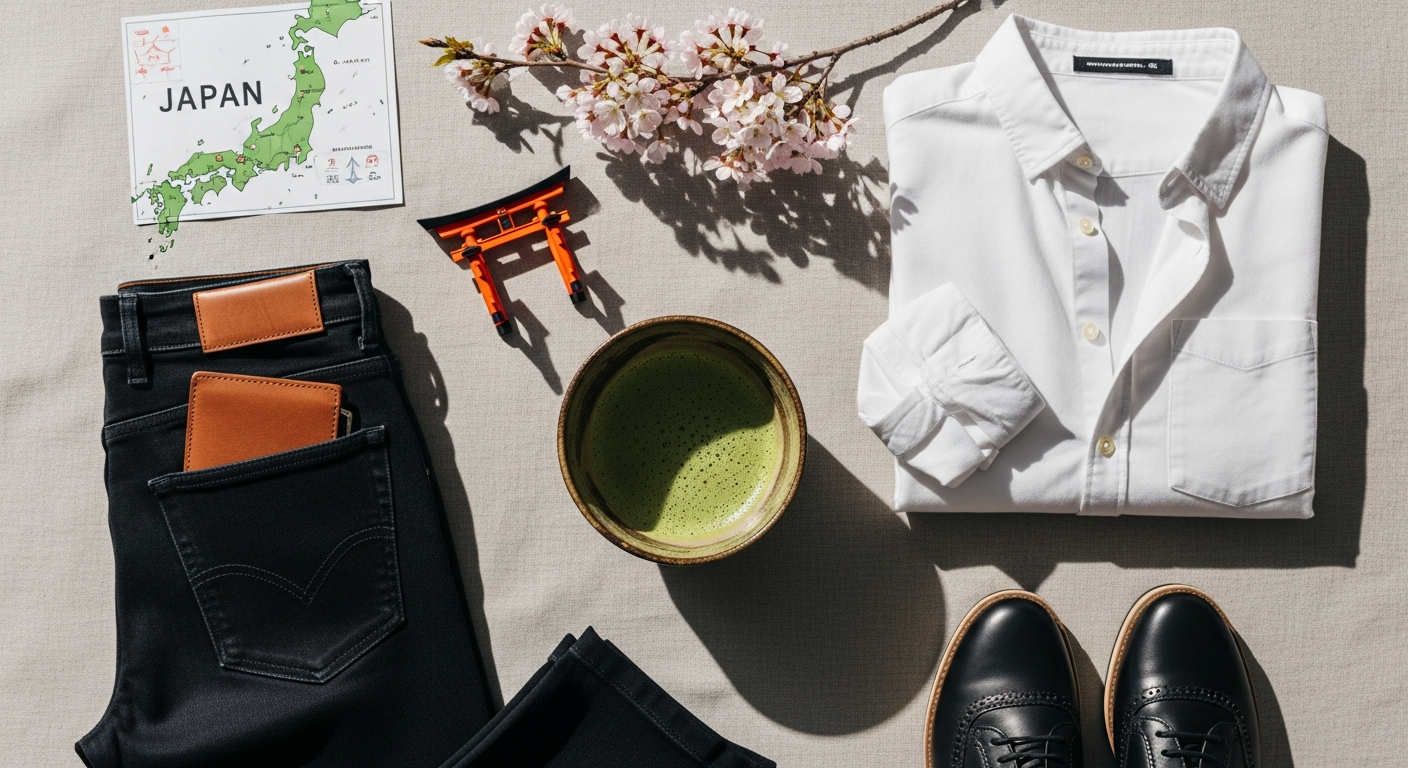
Regardless of where you are in the world, the overarching principle when visiting any entertainment venue, especially one with an adult theme, is respect. In Japan, this principle is elevated, deeply woven into the fabric of social interaction. For a traveler, this translates into presenting yourself in a way that is neat, tidy, and generally understated, rather than flashy or overly casual. Think of it as an extension of the general politeness and consideration that permeates daily life in Japan. Over-the-top outfits, overly revealing clothing, or extremely casual attire like shorts, flip-flops, or worn-out t-shirts are almost universally discouraged. Such choices can be perceived as disrespectful to the venue, its staff, and the performers, potentially leading to refusal of entry or an uncomfortable experience. The goal is to blend in respectfully, demonstrating an awareness of the environment you are entering. Your appearance communicates a lot about your intentions and your understanding of social norms. Much like planning the development of a Shopify app requires careful attention to detail and understanding your target audience, planning your attire for a Japanese nightlife experience demands similar foresight and consideration for the cultural context. A well-chosen outfit communicates that you are a discerning guest who understands and respects the unspoken rules, leading to a more pleasant and welcoming interaction. Remember, discretion is often valued, and a smart presentation helps maintain that atmosphere for everyone present.
Dress Code Fundamentals: Blending In with Purpose
For Men: Balancing Sophistication with Comfort
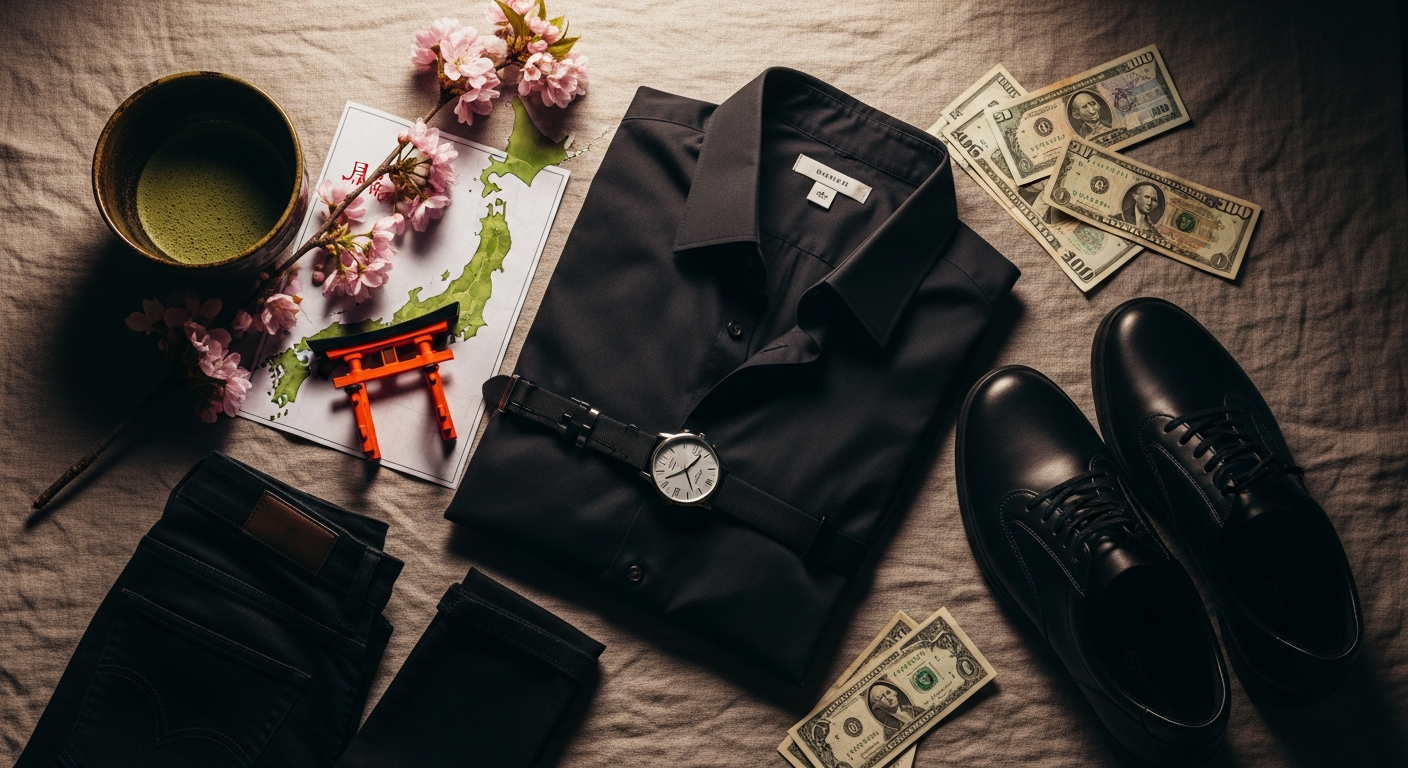
For male travelers venturing into Japan’s adult entertainment scene, the sweet spot for attire lies in a balance between sophistication and comfort, always leaning towards the former.
- Shirts: A crisp, button-down shirt (long-sleeved or short-sleeved, depending on the season) is an excellent choice. Solid colors or subtle patterns are preferred over loud prints or graphic tees. A neat polo shirt can also work, especially in slightly more casual venues, but ensure it’s clean and wrinkle-free. Avoid t-shirts unless they are high-quality, plain, and worn under a jacket.
- Bottoms: Chinos or tailored trousers are ideal. Dark-wash, well-fitting jeans can be acceptable in many places, but ensure they are free of rips, tears, or excessive fading. Absolutely avoid shorts, cargo pants, or tracksuits. These are almost universally considered too casual for such establishments.
- Footwear: Smart, polished shoes are highly recommended – loafers, oxfords, or clean, fashionable sneakers in a dark color. Again, steer clear of sandals, flip-flops, hiking boots, or overly athletic trainers. Your shoes should reflect the overall neatness of your outfit.
- Outerwear: If the weather calls for it, a smart blazer or a stylish jacket can elevate your look considerably and is often appreciated. It adds an extra layer of formality and shows you’ve put thought into your appearance.
Consider the environment you’re in; while exploring the historical sites of Onomichi or the bustling markets of Hiroshima, comfort is paramount. But for an evening out, a slight adjustment in your wardrobe signals respect. This thoughtful approach to attire is a small yet significant gesture that can greatly enhance your experience, ensuring you are perceived as a respectful and discerning guest. It’s about more than just clothes; it’s about aligning with the cultural expectation of presenting one’s best self in social settings. Just as there are ‘5 reasons to visit Alabama’ for its unique cultural tapestry, there are specific cultural cues in Japan that, when observed, unlock a richer experience.
For Women: Navigating Elegance and Appropriateness
For female travelers, dressing for adult entertainment venues in Japan involves a careful consideration of elegance, appropriateness, and cultural context. While Western strip clubs might sometimes be associated with patrons dressing provocatively, in Japan, the emphasis is generally on a sophisticated and refined appearance. The goal is to look chic and polished, rather than overtly sexual or casual.
- Dresses and Skirts: A stylish dress, whether a cocktail dress or a smart casual midi dress, is an excellent choice. Skirts paired with an elegant blouse or a sophisticated top also work well. Opt for hemlines that are modest rather than excessively short, and necklines that are tasteful. The aim is to exude confidence and grace.
- Tops: Blouses, elegant knit tops, or sophisticated camisoles paired with a blazer or cardigan are suitable. Avoid overly revealing tops, graphic t-shirts, or anything that looks too casual for an evening out.
- Bottoms: Tailored trousers, smart capris, or dark, well-fitting jeans (without rips or excessive distressing) can be appropriate when paired with a dressy top. Avoid shorts, leggings as outerwear, or overly casual athletic wear.
- Footwear: Heels, elegant flats, or stylish boots are all good options. Ensure your shoes are clean and comfortable enough for walking, but also contribute to a polished look. Avoid flip-flops, athletic sneakers, or overly chunky sandals.
- Accessories: Thoughtful accessories like a statement necklace, elegant earrings, or a stylish handbag can complete your look. However, avoid excessive or flashy jewelry that might draw undue attention.
The key is to convey an image of a confident, sophisticated traveler who understands and respects the local customs. This approach is not about conformity, but about smart adaptation to the cultural landscape, much like considering ‘5 ways to turn any trip into a romantic getaway’ involves tailoring experiences to suit the mood. Presenting yourself elegantly ensures a welcoming reception and a more comfortable experience within these unique Japanese venues. Remember, understated elegance often speaks volumes more than overt displays, aligning with the Japanese aesthetic of refined beauty and subtle allure.
Accessories, Personal Items, and Practical Considerations
Beyond the main attire, what you bring with you and how you manage your personal items can also contribute to a smooth and respectful experience in Japanese adult entertainment venues. These practical considerations are just as important as your clothing choices.
- Wallets and Cash: While many establishments in Japan accept credit cards, it’s always wise to carry a decent amount of cash, especially for smaller venues or for tipping (if allowed and customary in that specific establishment – always observe or ask discreetly). A slim wallet or purse that fits neatly into your pocket or handbag is preferable to bulky items.
- Identification: Always carry a valid form of identification, such as your passport or a Japanese residence card. Many venues will require ID for entry, especially if there’s an age restriction.
- Phones and Photography: This is a critical point. Photography and videography are almost universally forbidden in these types of establishments. Respect this rule absolutely. Using your phone for calls or texting should also be done discreetly, if at all. The atmosphere is about personal interaction and live performance, not documentation. Putting your phone away shows respect and allows you to fully engage with the experience.
- Bags and Backpacks: A small, discreet handbag for women or a minimalist wallet for men is ideal. Avoid large backpacks, duffel bags, or oversized totes, as these can be cumbersome in crowded spaces and might be perceived as out of place. Some venues may offer lockers, but it’s best to travel light.
- Fragrances: A subtle cologne or perfume is fine, but avoid overpowering scents. Japanese culture generally prefers lighter, more natural aromas.
- Cultural Sensitivity: Beyond dress, remember to engage with staff and performers politely. Avoid loud conversations, excessive drinking, or any behavior that could disrupt the atmosphere for others. Observe the cues of other patrons and staff.
These small details ensure that your visit is not only enjoyable for you but also respectful of the cultural context and the expectations of the venue. Just as developing a Shopify app requires attention to user experience and interface, navigating these venues requires attention to social interface and the experience of those around you. Being prepared with these practical considerations in mind will allow you to relax and immerse yourself in the unique aspects of Japanese nightlife without unnecessary worry or cultural missteps in 2026.
Navigating Specific Venue Types and Tipping Etiquette
Understanding the nuances of different types of adult entertainment venues in Japan is crucial, as is discerning the appropriate etiquette regarding tipping, which differs significantly from Western practices. Japan has a highly varied landscape of adult entertainment, ranging from hostess clubs to more explicit establishments. While this guide generally refers to “strip clubs,” it’s important to recognize that the term itself can encompass a spectrum of venues with varying levels of formality and explicit content. Some venues might be more akin to a sophisticated cabaret with implied or partial nudity, while others are more direct. Researching or asking a trusted local contact about the specific type of establishment you plan to visit can help you refine your attire choices and expectations. Generally, the more upscale or service-oriented the establishment (like a high-end hostess club), the more formal your attire should be. For establishments that are more focused purely on performance or are slightly less formal, the “smart casual” rule still holds, but perhaps with a little more leeway on the “casual” side without ever dipping into sloppy. The most significant cultural difference often lies in tipping. In Japan, tipping is generally not customary and can even be considered impolite or confusing. Excellent service is expected and is included in the price. Attempting to tip might cause awkwardness or refusal. Instead, express your appreciation through polite words, a respectful demeanor, and adherence to the venue’s rules. If you are at a higher-end hostess club or a similar establishment, there might be a system where you can buy drinks or gifts for the performers, which is a culturally accepted way of showing appreciation. However, this is distinct from direct cash tipping. Always observe the local customs, and if in doubt, err on the side of not tipping cash. Your respect for their culture, demonstrated through your attire and behavior, is the greatest form of appreciation you can offer. This careful observation of local customs is a cornerstone of adventurous travel, whether you’re exploring the ancient paths of Onomichi or the vibrant nightlife of a major city.
FAQ: Your Questions Answered for a Smooth Night Out
What is the absolute minimum I should wear to avoid being turned away?
For men, at least a clean, non-graphic t-shirt with dark, non-ripped jeans and closed-toe shoes. For women, a neat top with trousers or a skirt and closed-toe shoes. However, “smart casual” is always safer and more respectful, greatly reducing the risk of refusal.
Can I wear athletic wear if it’s designer or very clean?
Generally, no. Even high-end athletic wear like tracksuits or designer sneakers are typically considered too casual for these types of venues in Japan. The expectation is for more formal or smart casual attire, not sportswear, regardless of brand.
Is it okay to wear sandals or flip-flops in summer?
No, it is highly advisable to avoid sandals, flip-flops, or any open-toed footwear. These are considered too casual and disrespectful for most adult entertainment establishments in Japan, even during warmer months. Opt for closed-toe, smart shoes.
Should I dress up more if I’m hoping to get special attention?
While dressing smartly shows respect and can contribute to a positive experience, the primary goal of your attire should be to blend in respectfully and adhere to cultural norms. Over-the-top or overly provocative dressing is generally not the way to gain “special attention” in a positive light in Japanese venues and might even be counterproductive.
What if I’m visiting straight from sightseeing in casual clothes?
It’s strongly recommended to return to your accommodation and change into appropriate attire before visiting. Attempting to enter in typical sightseeing clothes (e.g., shorts, t-shirts, worn sneakers) will likely result in refusal or an uncomfortable experience due to the cultural emphasis on presentation and respect.
Is there a different dress code for solo travelers versus groups?
The dress code expectations remain the same whether you are traveling solo or in a group. The principles of respect, discretion, and smart presentation apply universally to all patrons. Your individual attire will be judged, not just your group’s collective presence.