Why Miyajima Island is an Unforgettable Day Trip Destination
Miyajima, officially known as Itsukushima, is an island in Hiroshima Bay renowned for its ancient Itsukushima Shrine, a UNESCO World Heritage site, and its iconic vermilion torii gate which appears to float on the water at high tide. More than just a picturesque landmark, Miyajima offers a profound cultural and natural experience that captivates every visitor. The island is considered one of Japan’s “Three Great Views” (Nihon Sankei), a testament to its unparalleled scenic beauty. Its history dates back over 1400 years, with the shrine itself believed to have been founded in 593 AD, taking its current majestic form in the 12th century under the patronage of Taira no Kiyomori.
Beyond the architectural marvels, Miyajima is a sanctuary for nature lovers. The island is home to hundreds of wild deer, considered sacred messengers of the gods, who roam freely and add to the island’s unique charm. The lush slopes of Mount Misen, Miyajima’s highest peak, offer breathtaking panoramic views of the Seto Inland Sea, accessible via a scenic ropeway or challenging hiking trails. The interplay of dense forests, tranquil temples, and the sparkling sea creates an atmosphere of spiritual serenity and natural wonder that feels a world away from the bustling mainland.
A day trip to Miyajima is not merely a sightseeing excursion; it’s an immersion into Japan’s spiritual heartland, a chance to witness centuries of devotion enshrined in wood and stone, and an opportunity to connect with nature in a truly special way. The island’s unique blend of cultural heritage, stunning natural beauty, and a gentle, welcoming atmosphere ensures it leaves an indelible impression on all who visit, making it an absolute must-do for anyone exploring the Hiroshima region in 2026.
Planning Your Miyajima Day Trip from Onomichi: Logistics and Transportation
Embarking on a Miyajima day trip from Onomichi requires a bit of planning, primarily concerning transportation. While Onomichi offers its own captivating attractions, from the winding paths of the Temple Walk to the unique charm of Cat Alley, Miyajima offers a distinct experience that is well worth the journey. The distance between Onomichi and Miyajima is significant, but thanks to Japan’s efficient public transport network, it’s a manageable and rewarding endeavor.
Getting from Onomichi to Miyajima
The journey typically involves a combination of train and ferry. Here’s a breakdown of the most common and efficient routes:
-
Onomichi Station to Hiroshima Station:
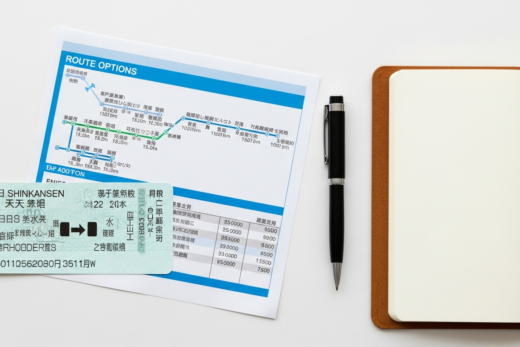
- JR Sanyo Main Line (Local/Rapid): This is the most straightforward and often most economical option. Take a local or rapid train from Onomichi Station directly to Hiroshima Station. The journey takes approximately 1 hour 30 minutes to 2 hours, depending on the specific train and connections.
- Shinkansen (Bullet Train): For a faster journey, you can take a local train from Onomichi to Shin-Onomichi Station (one stop, a few minutes) and then board a Shinkansen (e.g., Kodama or some Hikari services) to Hiroshima Station. This significantly reduces the train travel time to about 30-40 minutes from Shin-Onomichi, but involves an extra transfer and potentially higher cost if you don’t have a Japan Rail Pass. If you’re keen on maximizing your time on Miyajima, this is a strong consideration.
-
Hiroshima Station to Miyajimaguchi Station:
- From Hiroshima Station, transfer to the JR Sanyo Main Line (bound for Iwakuni or Miyajimaguchi). This segment of the journey takes approximately 25-30 minutes to reach Miyajimaguchi Station. This station is the gateway to the ferry terminal.
-
Miyajimaguchi Ferry Terminal to Miyajima Island:
- Upon arrival at Miyajimaguchi Station, it’s a very short walk (about 5 minutes) to the ferry terminals. There are two ferry companies operating to Miyajima Island:
- JR Miyajima Ferry: This ferry is covered by the Japan Rail Pass, making it the preferred choice for many international visitors. It offers excellent views of the ‘floating’ torii gate as it approaches the island. The journey takes about 10 minutes.
- Miyajima Matsudai Kisen Ferry: This is an alternative ferry service, not covered by the JR Pass, but offering a similar journey duration and frequency.
- Upon arrival at Miyajimaguchi Station, it’s a very short walk (about 5 minutes) to the ferry terminals. There are two ferry companies operating to Miyajima Island:
Total Estimated Travel Time from Onomichi to Miyajima Island: Expect the entire one-way journey, including transfers, to take approximately 2.5 to 3.5 hours, depending on your chosen train services and connection times. This means an early start from Onomichi is essential to make the most of your day on Miyajima.
Best Time to Visit and Tide Considerations
Miyajima is beautiful year-round, but certain times offer unique experiences:
- Spring (March-May): Cherry blossoms add a magical touch, especially around the shrine. Expect pleasant weather but also larger crowds.
- Autumn (October-November): The maple leaves on Mount Misen turn vibrant reds and oranges, creating spectacular scenery. This is often considered the most beautiful time to visit.
- Summer (June-August): Lush green landscapes, but it can be hot and humid. Consider early mornings or late afternoons.
- Winter (December-February): Fewer crowds, crisp air, and a chance to see the shrine dusted with snow (rare but beautiful).
Crucially, you must check the tide schedule for Miyajima before your visit. The ‘floating’ torii gate is only truly floating at high tide, typically twice a day. At low tide, you can walk right up to its base, which offers a completely different, equally fascinating perspective. Ideally, try to time your visit to experience both high and low tide if your schedule allows. Websites like the Japan National Tourism Organization (JNTO) or local Miyajima tourist information pages provide tide charts for 2026.
Tickets and Passes
- Japan Rail Pass: If you have a JR Pass, your train travel from Onomichi to Miyajimaguchi (via Hiroshima) and the JR Miyajima Ferry are all covered, offering significant savings.
- Individual Tickets: If you don’t have a JR Pass, purchase individual train tickets at the stations. Ferry tickets are purchased at the respective ferry terminals.
- IC Cards: IC cards like Suica, Pasmo, or ICOCA can be used for train travel on the JR Sanyo Main Line, making transfers smoother.
Remember to factor in the travel time when planning your return journey to Onomichi, especially if you wish to enjoy some of the captivating Onomichi Photography Spots in the late afternoon light or experience the local nightlife after your day trip.
The Ultimate Miyajima Day Trip Itinerary: Must-See Attractions and Experiences
Morning (Arrival & Main Shrine Area)
Aim to arrive on Miyajima Island by late morning, ideally around 9:30 AM to 10:30 AM, especially if you want to witness both high and low tides.
-
Itsukushima Shrine and the Grand Torii Gate:
Upon disembarking the ferry, follow the signs (and the crowds) towards the shrine. This is the heart of Miyajima. Dedicated to the three goddesses of the sea and storms, this 12th-century shrine complex is famous for its pier-supported structures that appear to float on the water. Spend time exploring the main hall, prayer hall, and various sub-shrines and corridors. If it’s high tide, you’ll witness the iconic ‘floating’ torii gate in all its glory – a truly breathtaking sight and one of the most celebrated photography spots in Japan. If it’s low tide, you can walk out onto the seabed to touch the torii’s weathered pillars, offering a unique perspective.
Tip: Check the tide schedule beforehand to plan your visit around the optimal viewing times for the gate. Many visitors aim to see both high and low tide, which might involve a bit of waiting or revisiting the shrine area.
-
Five-Story Pagoda (Goju-no-to) and Senjokaku (Hall of One Thousand Tatami Mats):
Adjacent to Itsukushima Shrine, perched on a small hill, stands the vibrant vermilion Goju-no-to, a beautiful five-story pagoda built in 1407. Nearby is Senjokaku, a massive open-sided hall dedicated to Toyotomi Hideyoshi, offering panoramic views of the shrine complex and the sea. These structures provide excellent vantage points for capturing memorable photographs and offer a serene contrast to the bustling shrine below.
Lunch & Exploration (Omotesando Street)
After immersing yourself in the shrine’s beauty, head towards Omotesando Shopping Street, the main thoroughfare leading from the ferry terminal to the shrine. This is the perfect place for lunch and souvenir hunting.
- Culinary Delights: Indulge in Miyajima’s famous local specialties. Anago Meshi (grilled conger eel on rice) is a must-try, offering a rich, savory flavor distinct from freshwater eel. Freshly shucked oysters, grilled or fried, are another local delicacy, renowned for their plumpness and taste. For a sweet treat, try Momiji Manju, maple leaf-shaped cakes filled with various fillings like red bean paste, cream, or matcha. You can even find them fresh off the griddle!
- Souvenirs: Browse the shops for unique Miyajima crafts, including intricately carved wooden rice paddles (shamoji), which are said to bring good luck.
Afternoon (Mount Misen & Daisho-in Temple)
Dedicate your afternoon to exploring the natural beauty of Mount Misen and the spiritual depth of Daisho-in Temple.
-
Mount Misen:
Miyajima’s highest peak offers unparalleled views of the Seto Inland Sea and its countless islands. There are two main ways to ascend:
- Miyajima Ropeway: The most popular and easiest option. Take a short walk from the shrine area to the ropeway station. The scenic ride consists of two sections and takes about 20 minutes to reach the Shishiiwa Observatory, where you’ll be greeted with spectacular vistas. From the observatory, it’s a further 30-minute uphill walk to the actual summit of Mount Misen. Along the path, you’ll encounter several spiritual sites, including the Reikado (Eternal Flame Hall), where a flame is said to have been burning for over 1,200 years.
- Hiking Trails: For the more adventurous, three hiking trails lead to the summit: Daisho-in Course, Omoto Course, and Momijidani Course. Each offers varying levels of difficulty and takes approximately 1.5 to 2 hours one-way. These trails provide a deeper immersion into Miyajima’s pristine nature but require good physical condition and proper footwear.
Photography Tip: The views from Mount Misen, especially at sunset (if you stay late), are truly spectacular. Similar to Onomichi Photography Spots like the Senkoji Park Observatory, Mount Misen provides a grand panoramic vista that’s perfect for landscape photography.
-
Daisho-in Temple:
Often overlooked by visitors rushing to the shrine, Daisho-in is a sprawling and profoundly spiritual temple complex located at the base of Mount Misen, offering a rich and diverse experience. It serves as the head temple of the Omuro school of the Shingon sect of Buddhism and has strong ties to the imperial family. The temple grounds feature numerous halls, statues, and unique spiritual elements:
- Mani-den Hall: Housing a unique revolving sutra library, where spinning the cylinders is believed to grant the same merit as reading the sutras.
- Kannon-do Hall: Dedicated to Kannon, the Goddess of Mercy.
- Reikado (Eternal Flame Hall): (Though a smaller version is at the summit, the main one is here) Said to contain a flame that has been burning continuously since Kobo Daishi (founder of Shingon Buddhism) lit it 1,200 years ago.
- Henjokutsu Cave: A fascinating underground cave housing 88 Buddha statues, each representing one of the 88 temples of the Shikoku Pilgrimage.
- Rakan Statues: Hundreds of statues of the 500 Rakan (disciples of Buddha), each with a unique expression and often wearing knitted hats, line the paths.
Allow at least an hour to fully explore Daisho-in. Its tranquility and spiritual atmosphere provide a wonderful contrast to the grandeur of Itsukushima Shrine.
Late Afternoon (Strolling & Departure)
As the afternoon draws to a close, take a final stroll through Omotesando Street or along the coast, perhaps catching the shrine at a different tide level than your arrival. Head back to the ferry terminal for your journey back to Miyajimaguchi, then reverse your train journey to Hiroshima and finally back to Onomichi.
This itinerary provides a full and enriching day on Miyajima. Depending on your pace and interests, you might choose to spend more time at specific locations or opt for a shorter visit to others.
Experiencing Miyajima’s Culinary Delights and Unique Souvenirs
A trip to Miyajima is not complete without indulging in its distinctive local cuisine and taking home some unique mementos. The island’s culinary landscape is deeply tied to its coastal location and cultural heritage.
Must-Try Foods
- Anago Meshi (Conger Eel Rice): While freshwater eel (unagi) is famous throughout Japan, Miyajima specializes in conger eel. Anago Meshi features tender, grilled conger eel fillets served atop a bed of steamed rice, often seasoned with a delicate soy-based sauce. It’s a lighter, more refined flavor than unagi, and a true local delicacy. Several restaurants around Omotesando Street and near the ferry terminal specialize in this dish.
-
Miyajima Oysters: Hiroshima Prefecture is Japan’s largest producer of oysters, and Miyajima is at the heart of this industry. You’ll find oysters served in myriad ways:
- Grilled Oysters: Often served fresh off the grill with a dash of soy sauce or ponzu.
- Fried Oysters (Kaki Fry): Crispy on the outside, juicy on the inside, usually served with tartar sauce.
- Oyster Curry or Gratin: More adventurous options found in some eateries.
Even if you’re not an oyster connoisseur, trying a freshly grilled Miyajima oyster is an essential part of the island experience, especially during the oyster season (typically autumn to spring).
- Momiji Manju (Maple Leaf Cakes): These charming, maple leaf-shaped cakes are Miyajima’s most famous sweet souvenir. Traditionally filled with sweet red bean paste (anko), modern variations now include cream cheese, chocolate, custard, matcha, and even fruit fillings. You can often watch them being made fresh in shops along Omotesando Street and enjoy them warm. They make for delightful gifts and a perfect snack.
- Other Street Food: Keep an eye out for other street food delights like grilled scallops, Hiroshima-style okonomiyaki (a savory pancake with noodles), and various seasonal snacks.
Unique Souvenirs
- Miyajima Shamoji (Rice Paddles): The wooden rice paddle originated on Miyajima Island during the Edo period, inspired by the shape of a biwa (Japanese lute). These paddles are believed to bring good luck and prosperity, making them a popular and meaningful souvenir. You can find them in various sizes, from tiny decorative ones to large paddles, often engraved with kanji characters or local designs.
- Miyajima-bori Lacquerware: This traditional craft involves intricate carvings on wood, often depicting natural motifs like flowers or birds, which are then lacquered. These beautiful pieces, ranging from small trays to decorative boxes, showcase the island’s artistic heritage.
- Deer-themed Goods: Given the abundance of deer on the island, you’ll find a plethora of deer-themed merchandise, from cute plush toys and stationery to more refined crafts.
- Local Sake and Crafts: Explore shops offering local sake from Hiroshima Prefecture, known for its mild and refined taste. You might also find other handcrafted items from local artisans.
Taking the time to savor these culinary offerings and browse for unique souvenirs not only supports the local economy but also enriches your overall Miyajima experience, allowing you to take a piece of its charm home with you.
Maximizing Your Miyajima Experience: Practical Tips and Expert Advice
To ensure your Miyajima day trip from Onomichi is as smooth and enjoyable as possible, here are some essential tips and expert advice:
Check the Tide Schedule Religiously
As mentioned, this is paramount. The appearance of the Grand Torii Gate changes dramatically between high and low tide. Plan your visit to witness both if possible, or at least the tide level you most wish to see. Websites like the official Miyajima Tourist Association or Japan Guide provide tide charts for 2026. Arriving around mid-tide and staying for several hours can allow you to see the transition.
Wear Comfortable Shoes
You’ll be doing a lot of walking on Miyajima, from exploring the shrine complex and shopping streets to potentially hiking up Mount Misen or navigating the temple grounds of Daisho-in. Comfortable, sturdy shoes are an absolute must.
Be Mindful of the Deer
The wild deer on Miyajima are accustomed to human interaction and are often quite bold. While they are a charming part of the island’s appeal, remember they are wild animals. Do not feed them, as it can be harmful to their digestive system and encourage aggressive behavior. Keep your belongings secure, especially maps and papers, as they are known to snatch and eat them!
Arrive Early, Especially on Weekends or Holidays
Miyajima is an incredibly popular destination. To avoid the peak crowds, especially at Itsukushima Shrine and the ropeway, aim to be on the island by 9:00 AM or 10:00 AM. This gives you a head start before the main tour groups arrive.
Consider an Overnight Stay (If Time Allows)
While this guide focuses on a day trip from Onomichi, an overnight stay on Miyajima offers a magical experience. After the last ferry leaves, the island becomes incredibly peaceful, and the illuminated shrine and torii gate create a truly ethereal atmosphere, perfect for night photography spots. This might be a consideration if you have more flexibility in your itinerary.
Stay Hydrated and Carry Snacks
Especially during warmer months or if you plan to hike Mount Misen, ensure you have plenty of water. While there are shops on Omotesando Street, having a small supply of snacks can be helpful for energy boosts.
Photography Tips
- Golden Hour: If you can manage to stay until late afternoon, the ‘golden hour’ light (the hour before sunset) provides incredibly warm and soft light for photographing the shrine and torii gate.
- Different Perspectives: Don’t just focus on the front view of the torii. Explore different angles from the shore, from the shrine itself, and from the paths leading up to the pagoda. The views from Mount Misen offer a grander perspective of the entire island and surrounding sea. Much like finding the best angles at Onomichi Photography Spots, experimenting with composition will yield the best results.
- Capture the Details: The intricate carvings of the shrine, the serene expressions of the Rakan statues at Daisho-in, and the lively street scenes all make for compelling photographic subjects.
Cash vs. Card
While larger shops and restaurants on Miyajima accept credit cards, it’s always wise to carry some Japanese Yen cash for smaller purchases, street food vendors, or in case of any card machine issues.
Respect Sacred Sites
Miyajima is a sacred island. Be respectful when visiting shrines and temples. Dress appropriately (no overly revealing clothing), remove your shoes when entering certain temple halls, and generally maintain a quiet demeanor.
By keeping these practical tips in mind, your Miyajima day trip from Onomichi in 2026 will be a smooth, enriching, and truly memorable adventure.
Extending Your Hiroshima Region Adventure Beyond Miyajima
While Miyajima offers a truly iconic Japanese experience, remember that it is just one magnificent facet of the broader Hiroshima region, which itself is easily accessible from Onomichi. Your base in Onomichi provides a fantastic starting point for exploring not only Miyajima but also other significant cultural and historical sites, offering a diverse array of experiences for every traveler in 2026.
After immersing yourself in the spiritual grandeur of Miyajima, consider dedicating a day to Hiroshima City itself. A visit to the Peace Memorial Park and Museum is a profoundly moving and essential experience, offering a somber but vital reflection on humanity’s capacity for both destruction and resilience. The A-Bomb Dome, a UNESCO World Heritage site, stands as a stark reminder, while the museum provides powerful insights into the events of 1945 and the city’s remarkable journey of recovery. Complementing this, Shukkei-en Garden offers a tranquil escape, showcasing traditional Japanese landscape artistry.
Returning to Onomichi, don’t forget the wealth of attractions right at your doorstep. Our comprehensive guide, “What To Do In Onomichi Japan,” delves into the city’s unique offerings. Wander along the historic Temple Walk, discovering ancient temples nestled into the hillside, each with its own story and charm. Explore the whimsical alleyways of Cat Alley, encountering feline residents and charming artisan shops. The Onomichi U2 complex, a renovated warehouse, offers stylish dining, shopping, and even a hotel, perfect for cyclists tackling the Shimanami Kaido. For those seeking stunning vistas, the Senkoji Park Observatory provides breathtaking panoramic views of Onomichi city, the Seto Inland Sea, and its numerous islands, presenting some of the most captivating Onomichi Photography Spots.
Furthermore, if you’re looking for another unique side trip from Onomichi that offers a blend of culture, art, and natural beauty, consider the journey to Ikuchijima Island to visit Kosanji Temple and the Hill of Hope. Our detailed “Setoda Kosanji Temple Guide” provides all the information you need for this fascinating destination. Kosanji Temple is a vibrant, privately built temple complex featuring stunning replicas of famous Japanese temples, while the adjacent Hill of Hope is a dazzling white marble garden inspired by ancient Greek and Roman architecture. It’s an unexpected and visually spectacular experience that showcases the artistic diversity of the Setouchi region.
By integrating Miyajima into a broader itinerary that includes Hiroshima City and the local delights of Onomichi, you’ll gain a truly holistic understanding of this enchanting part of Japan. The convenience of Onomichi as a base, with its excellent transport links and its own compelling attractions, makes it an ideal starting point for a multi-faceted exploration of the Setouchi region in 2026. Whether you’re chasing iconic floating gates, serene temple walks, or vibrant marble landscapes, the Hiroshima and Setouchi region promises an adventure filled with discovery and unforgettable memories.
Frequently Asked Questions
Recommended Resources
Related reading: How To Get Refund On Vacation Rental (Vacation Rental Planners).
Check out Cabin Rental Guide For Families on Vacation Rental Planners for a deeper dive.