The Iconic Temple Path & Senkoji Park: Onomichi’s Crown Jewels for Photographers
No exploration of Onomichi photography spots is complete without ascending the hallowed slopes of Senkoji Park and navigating the enchanting Temple Path. This area is a perpetual magnet for photographers, offering a rich tapestry of cultural heritage, stunning natural beauty, and mesmerizing views that change with every step and every season.
Senkoji Temple & Observation Deck: Panoramic Perfection
Perched majestically atop Mount Senkoji, Senkoji Temple is not just a spiritual sanctuary but a visual feast. The main hall, painted in a vibrant vermilion, stands in stark contrast against the deep greens of the surrounding foliage, especially striking during autumn’s fiery display or spring’s delicate cherry blossoms. From the temple grounds, the observation deck provides perhaps the most iconic panoramic view of Onomichi. Here, the city sprawls beneath you, its traditional tiled roofs giving way to the shimmering waters of the Onomichi Channel and the myriad islands of the Seto Inland Sea stretching into the hazy distance. Early mornings are particularly rewarding, as the rising sun bathes the city in a soft, golden glow, creating dramatic long shadows and a serene atmosphere. A telephoto lens is indispensable here to capture the intricate details of distant islands or the ferries gracefully traversing the channel. Don’t forget to photograph the famous Tamanoiwa, a large rock said to glow at night, and the unique stone monuments scattered along the Literary Path, each inscribed with poetic verses, offering intriguing foreground elements for your wide-angle compositions.
The Temple Path & Cat Alley (Neko no Hosomichi): Charming Labyrinths
Descending from Senkoji Temple, the Temple Path is a winding network of narrow stone staircases and cobbled alleys that connect numerous smaller temples. This journey is a photographer’s dream, offering an endless succession of intimate scenes. Look for moss-covered stone lanterns, ancient wooden gates, and the subtle architectural details that tell stories of centuries past. The path is particularly atmospheric on overcast days or during the “blue hour” just after sunset, when the streetlights cast a warm glow on the weathered stone. A highlight within this labyrinth is Neko no Hosomichi, or Cat Alley. True to its name, this charming lane is home to dozens of felines, both real and artistic. The alley is adorned with countless maneki-neko (beckoning cat) statues and cat-themed artwork, making it a whimsical and incredibly photogenic spot. Capturing the languid poses of the resident cats, often napping on temple steps or peeking from doorways, requires patience and a keen eye. The interplay of light and shadow in these narrow passages, combined with the retro charm of the small cafes and galleries tucked away, provides ample opportunities for atmospheric street photography and detailed close-ups.
Cherry Blossoms and Autumn Leaves: Seasonal Spectacles
For those planning their visit to Onomichi in 2026, timing can elevate your photography to extraordinary levels. Spring (late March to early April) transforms Senkoji Park into a breathtaking spectacle of cherry blossoms. The delicate pink and white blooms frame the iconic views, creating postcard-perfect scenes. Photographing the blossoms against the backdrop of the Seto Inland Sea or as they softly fall onto ancient temple roofs offers stunning contrasts. Autumn (late October to November) brings a different kind of magic, as the foliage around the temples and along the paths erupts in vibrant shades of red, orange, and gold. The rich, warm tones provide a dramatic backdrop for the historic architecture and offer opportunities for captivating landscape and detail shots. Both seasons demand a versatile lens, capable of capturing both expansive vistas and intricate botanical details.
Onomichi’s Charming Backstreets & Retro Vibes: A Glimpse into Yesteryear
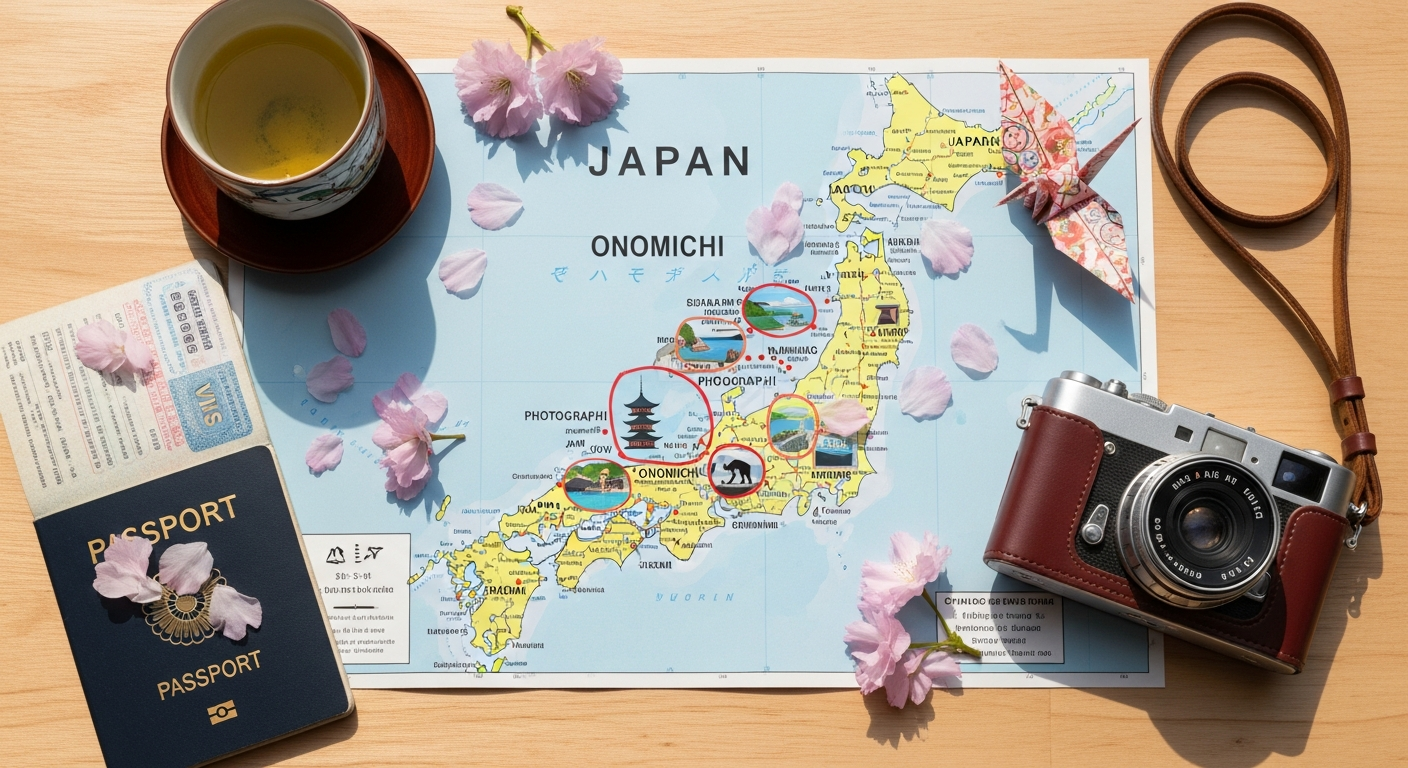
Beyond the well-trodden temple path, Onomichi’s true character often reveals itself in its meandering backstreets and retro-infused corners. These areas offer a treasure trove of Onomichi photography spots for those who appreciate the beauty of everyday life, nostalgic architecture, and candid street scenes. Exploring these less-trafficked lanes is one of the essential What To Do In Onomichi Japan experiences, promising unique visual narratives.
Shingai Shopping Street: A Time Capsule of Local Life
Step into the Shingai Shopping Street, and you’re immediately transported to a bygone era. This covered arcade, bustling with local activity, is a vibrant hub of traditional shops, eateries, and charmingly retro storefronts. The architectural details of the old buildings, often adorned with faded signs and vintage advertisements, provide excellent subjects for capturing a sense of nostalgia. Photographing the interplay of light filtering through the arcade’s roof, the intricate displays in shop windows, or candid moments of locals going about their day offers a rich tapestry of street photography opportunities. Look for the small, family-run businesses that have operated for generations, their facades telling stories of perseverance and community. The energy here is palpable, providing a stark contrast to the quiet serenity of the temple areas. Early mornings or late afternoons often present the best light and opportunities for capturing the rhythm of daily life without overwhelming crowds.
Jodoji Temple & Its Serene Gardens: Architectural Elegance
While the Temple Path boasts numerous spiritual sites, Jodoji Temple, located slightly west of the main cluster, stands out for its serene beauty and historical significance. Designated a National Treasure, its main hall and pagoda are exquisite examples of traditional Japanese architecture. The temple’s beautifully maintained gardens, particularly during spring and autumn, offer tranquil settings for reflection and photography. The intricate wooden carvings, the elegant lines of the pagoda against a clear sky, and the reflective surfaces of the ponds provide ample compositional possibilities. Focus on details like the moss on the stone steps, the texture of ancient timbers, or the subtle play of light on the garden’s features. Jodoji offers a more contemplative photographic experience, allowing for a deeper appreciation of traditional Japanese aesthetics.
Hidden Cafes, Bars & Converted Houses: Character and Charm
One of Onomichi’s most endearing qualities is its ability to repurpose and rejuvenate old spaces. Throughout the city, particularly on the slopes and in the backstreets, you’ll discover numerous hidden cafes, boutique guesthouses, and quaint bars housed in beautifully renovated traditional Japanese homes. These establishments often retain much of their original charm, with wooden beams, sliding doors, and vintage decor creating incredibly atmospheric interiors. Photographing their unique facades, often blending seamlessly into the historic streetscape, or capturing the warm, inviting ambiance within can tell a compelling story of Onomichi’s evolving culture. Look for interesting signage, potted plants adorning doorways, or the subtle glow of lanterns at dusk. These spots are not just places to relax; they are canvases for capturing the city’s living history and creative spirit.
Staircases, Slopes & Leading Lines: Dynamic Compositions
Onomichi’s dramatic topography, characterized by its numerous steep staircases and winding slopes, is a defining feature and a fantastic element for photographers. These ascents and descents create natural leading lines, drawing the viewer’s eye through the frame and adding a sense of depth and drama to your compositions. Photographing a staircase leading up to a distant temple gate, or a winding path disappearing around a corner, can evoke a strong sense of journey and discovery. Experiment with different angles and perspectives to emphasize the height and gradient. During sunset, the long shadows cast by buildings and railings along these slopes can create striking patterns and enhance the atmospheric quality of your images. These unique topographical features are integral to the city’s identity and offer endless creative possibilities for dynamic and engaging photographs.
Coastal Beauty & Island Views: The Seto Inland Sea’s Allure
Shimanami Kaido Cycling Road: Bridges, Islands, and Cyclists
The Shimanami Kaido is not just a cyclist’s paradise; it’s a photographer’s dream. This 70-kilometer route connects six islands with magnificent suspension bridges, each offering unique vantage points for capturing the stunning seascape. While cycling the entire route offers immersive photographic opportunities, even photographing sections near Onomichi or taking a short ferry ride can yield incredible results. The bridges themselves are architectural marvels, their elegant forms cutting through the sky. Photograph them at sunrise or sunset for dramatic silhouettes, or use long exposures to blur the clouds and water, emphasizing the static grandeur of the structures. Capturing cyclists silhouetted against the vast expanse of the sea or pedaling across the vibrant green islands adds a dynamic human element to your landscapes. Consider using a drone (where permissible and with appropriate permits) for unparalleled aerial perspectives of the bridges and islands, showcasing the intricate network that stitches the sea together.
Ikuchijima & Setoda Kosanji Temple: A Cultural Oasis
A short journey along the Shimanami Kaido, specifically to Ikuchijima Island, brings you to one of the most extraordinary Onomichi photography spots in the region: Setoda Kosanji Temple. This privately built temple complex is an astounding visual spectacle, unlike any other in Japan. Its founder, a wealthy industrialist, constructed it as a tribute to his mother, incorporating architectural styles from some of Japan’s most famous temples. The result is a vibrant, almost fantastical collection of buildings, including a replica of the Phoenix Hall of Byodo-in and a five-story pagoda. The vibrant colors, intricate details, and sheer scale of the complex make it a photographer’s playground. Pay particular attention to the “Marble Hill,” or Miraishin no Oka, a sprawling white marble garden designed by sculptor Itto Kuetani, evoking a surreal, dreamlike atmosphere that is incredibly photogenic, especially under clear blue skies. The contrast between the brilliant white marble and the surrounding greenery, or the deep blue sky, offers striking compositions. This Setoda Kosanji Temple Guide truly highlights a unique blend of artistry and devotion, providing countless opportunities for architectural, landscape, and detail photography.
Coastal Views & Ferry Photography: Capturing the Setouchi Rhythm
From various vantage points in Onomichi, particularly from Senkoji Park or along the waterfront, you can capture the dynamic beauty of the Seto Inland Sea. The constant movement of small ferries and fishing boats crisscrossing the channels adds life and scale to your coastal landscapes. Photographing the sun setting over the islands, casting a warm glow across the water, is a classic shot that never fails to impress. Experiment with long exposures to smooth out the water and create a serene, ethereal quality. Conversely, capturing the wakes of passing boats can add a sense of motion and energy. The interplay of light on the water, the distant silhouettes of islands, and the occasional passing vessel collectively create a captivating and ever-changing scene, reflective of the peaceful rhythm of life in the Setouchi region.
Artistic Expressions & Cultural Snapshots: Onomichi’s Creative Pulse
Onomichi is not merely a city of temples and seascapes; it possesses a vibrant artistic and cultural pulse that offers distinctive Onomichi photography spots. For those interested in Onomichi Art Galleries And Culture, the city provides a wealth of subjects, from modern installations to traditional crafts, allowing photographers to capture the essence of its creative spirit.
Onomichi City Museum of Art & Artistic Installations
Perched near the summit of Senkoji Park, the Onomichi City Museum of Art, designed by the renowned architect Tadao Ando, is a minimalist masterpiece that offers fantastic photographic opportunities both inside and out. Its clean lines and concrete facades provide a striking contrast to the lush natural surroundings and the traditional architecture of the temples. Photographing the museum’s exterior, especially against the backdrop of the Seto Inland Sea, can yield powerful architectural shots. Inside, the play of light and shadow, characteristic of Ando’s designs, creates compelling compositions even before you consider the art itself. Beyond the museum, Onomichi is dotted with various artistic installations and sculptures, particularly along the winding paths and in unexpected corners. These pieces, often blending seamlessly with the urban landscape, invite contemplation and offer unique points of interest for your lens. Look for works that interact with their environment, using the city’s topography or natural light to enhance their form.
Traditional Crafts & Workshops: Hands-on Culture
To truly capture the soul of Onomichi’s culture, seek out opportunities to photograph its traditional crafts and workshops. While perhaps less overtly “photogenic” than a grand temple, these intimate settings offer a profound glimpse into local heritage and human artistry. You might find small studios where artisans practice pottery, textile dyeing, or other traditional crafts. The focus here is on capturing the process: the skilled hands of the artisan, the textures of raw materials, the concentration in their eyes, and the tools of their trade. These shots are rich in narrative, telling a story of dedication and tradition. Always remember to ask for permission before photographing individuals at work and be respectful of their space. These candid cultural snapshots provide a deeper layer to your Onomichi photographic journey, moving beyond landscapes to capture the essence of its people and their enduring skills.
Festivals & Local Events: Vibrant Cultural Celebrations
Throughout the year, Onomichi hosts various festivals and local events that transform the city into a vibrant spectacle, offering extraordinary photographic opportunities. From traditional matsuri (festivals) with their colorful parades and elaborate costumes to seasonal light-up events, these cultural celebrations are a feast for the eyes. Capturing the energy of dancers, the intricate details of festival floats, the joyful expressions of participants, or the warm glow of lanterns against the night sky can create incredibly dynamic and memorable images. Research the local event calendar for 2026 before your visit to coincide with any major festivals. These events are perfect for practicing your action photography, capturing candid human interactions, and immersing yourself in the joyous spirit of Onomichi’s community. The visual richness of these cultural moments truly embodies the spirit of What To Do In Onomichi Japan, offering a unique blend of entertainment and photographic potential.
Culinary & Everyday Life Photography: The Flavors and Faces of Onomichi
Beyond its grand landscapes and historic sites, Onomichi’s true charm often lies in its everyday moments – the bustling markets, the steaming bowls of ramen, and the quiet interactions of local life. These intimate scenes offer incredibly rewarding Onomichi photography spots for those who wish to capture the authentic spirit and flavors of the city.
Onomichi Ramen: A Delicious Subject
No visit to Onomichi is complete without savoring a bowl of its famous Onomichi Ramen. This regional specialty, characterized by its clear, soy-sauce-based broth and distinctive pork back fat, is not only a culinary delight but also a fantastic subject for food photography. Capture the steam rising from a freshly served bowl, the vibrant colors of the toppings, and the texture of the noodles. The bustling atmosphere of a local ramen shop, with chefs skillfully preparing dishes and customers enjoying their meals, provides an excellent backdrop for candid shots. Focus on the details: the hand holding chopsticks, the condensation on a glass, or the unique signage of the establishment. These images tell a story of local flavor and tradition, connecting your visual narrative to the city’s gastronomic heritage.
Local Markets & Shopping Arcades: Vibrant Scenes of Daily Life
Onomichi’s local markets and shopping arcades, like the aforementioned Shingai Shopping Street, are vibrant hubs of activity and prime locations for capturing the rhythm of daily life. Here, fresh produce, seafood, and local delicacies are proudly displayed, creating a kaleidoscope of colors and textures. Photograph the lively interactions between vendors and customers, the meticulous arrangements of goods, or the intricate details of traditional packaging. These markets are a sensory experience, and your photographs can convey that energy. Look for interesting faces, candid gestures, and the unique items that reflect Onomichi’s coastal location and agricultural bounty. Early mornings are often the best time to visit, as the markets are at their liveliest, and the light can be soft and inviting.
Cafes & Tea Houses: Ambiance and Detail
Onomichi is home to a delightful array of cafes and traditional tea houses, many housed in beautifully preserved old buildings. These establishments offer charming interiors and unique photographic opportunities. Capture the cozy ambiance, the intricate details of Japanese decor, or the artistry of a barista preparing a latte. Food styling, even for a simple cup of coffee or a traditional sweet, can elevate your culinary photography. The soft, natural light often found in these spaces is ideal for creating warm and inviting images. Look for interesting textures, patterns, and the quiet moments of people enjoying their beverages and conversations. These spots provide a wonderful contrast to the outdoor vibrancy, offering a chance to capture the more reflective and intimate side of Onomichi’s culture.
Candid Street Photography: Capturing the Human Element
Beyond specific locations, Onomichi itself is a canvas for candid street photography. The city’s unique topography, with its steep hills and narrow alleys, creates countless interesting backdrops for capturing unposed moments of people going about their day. Look for locals commuting, children playing, or elderly residents tending to their gardens. The interplay of light and shadow on the stone steps, the retro charm of old storefronts, and the occasional glimpse of a cat napping in a sunny spot all contribute to the rich visual narrative. Be respectful and discreet; the goal is to observe and capture without disrupting. These everyday scenes, full of authentic human connection and local character, will add depth and soul to your collection of Onomichi photography spots, truly illustrating What To Do In Onomichi Japan from a local perspective.
Seasonal Splendor & Best Times to Visit: Maximizing Your Onomichi Photo Opportunities
The beauty of Onomichi transforms with each passing season, offering distinct photographic opportunities throughout the year. Understanding these seasonal shifts and optimal lighting conditions is key to planning your 2026 photography trip and capturing the city at its most breathtaking.
Spring (March-April): Cherry Blossom Magic
Without a doubt, Spring is one of the most popular times for photography in Onomichi, primarily due to the spectacular cherry blossoms (sakura). From late March to early April, Senkoji Park becomes a riot of delicate pink and white, with trees framing the iconic views of the city and the Seto Inland Sea. The blossoms also adorn the banks of the Onomichi Channel and dot the temple grounds, creating serene and picturesque scenes. Photographing the cherry blossoms against the backdrop of historic temples or the shimmering sea offers classic Japanese imagery. Look for opportunities to capture falling petals (hanafubuki) for dynamic and ethereal shots. The air is crisp, and the soft spring light is ideal for both wide landscapes and detailed close-ups of the blooms.
Summer (June-August): Lush Greenery & Clear Skies
Summer in Onomichi brings lush, vibrant greenery and often clear, blue skies, providing excellent conditions for capturing the expansive coastal landscapes and the deep blue of the Seto Inland Sea. The long daylight hours allow for extended shooting sessions, and the reflections of the sun on the water can be dazzling. While it can be humid, the summer offers opportunities for dynamic shots of water activities, bustling waterfronts, and vibrant festivals. The lush foliage around the temples and along the slopes creates a verdant contrast with the ancient stone and wooden structures. Early mornings are crucial during summer to avoid the midday heat and harsh light, offering soft, diffused light perfect for capturing details and serene scenes.
Autumn (October-November): Fiery Foliage & Crisp Air
Autumn is another highly favored season for photographers, as Onomichi’s hillsides and temple grounds erupt in a brilliant display of fall foliage. From late October to November, the maple and ginkgo trees turn striking shades of red, orange, and gold, providing a stunning backdrop for the city’s historic architecture. Senkoji Park, Jodoji Temple, and other temple complexes become particularly photogenic during this period. The crisp air and often clear skies enhance the colors, and the lower sun angles create beautiful, warm light. Focus on capturing the contrast between the vibrant leaves and the subdued tones of ancient stone, or use the foliage to frame distant views of the sea. Autumn also tends to have fewer crowds than spring, offering a more tranquil photographic experience.
Winter (December-February): Clear Views & Tranquil Scenes
While often overlooked, Winter in Onomichi offers its own unique photographic charm. The air is typically very clear, leading to exceptionally sharp and far-reaching views across the Seto Inland Sea, perfect for landscape photography. With fewer tourists, you can explore the temple paths and backstreets in relative solitude, allowing for more contemplative and intimate compositions. The stark beauty of bare tree branches against a winter sky, or the occasional dusting of snow (though rare in Onomichi), can create dramatic and atmospheric images. The soft, low winter sun provides beautiful warm light during golden hour, emphasizing textures and shadows. This season is ideal for capturing the quiet dignity of Onomichi’s historic sites and the serene beauty of its coastal environment, offering a different perspective on What To Do In Onomichi Japan.
Golden Hour & Blue Hour: The Best Light
Regardless of the season in 2026, photographers should prioritize shooting during golden hour (shortly after sunrise and before sunset) and blue hour (the twilight period just before sunrise and after sunset). Golden hour bathes everything in a soft, warm, diffused light, perfect for flattering portraits, enhancing landscapes, and creating dramatic shadows. Blue hour, with its cool, ambient light, is ideal for cityscapes, capturing the glow of streetlights and temple illuminations against a deep indigo sky, offering a magical and atmospheric quality to your Onomichi photography spots.
Practical Tips for Photographers in Onomichi: Gear, Etiquette, and Exploration
To ensure a successful and rewarding photography trip to Onomichi in 2026, a little preparation goes a long way. These practical tips cover everything from essential gear to respectful conduct, helping you make the most of every photographic opportunity.
Essential Photography Gear for Onomichi
- Versatile Zoom Lens (e.g., 24-70mm or 24-105mm): This will be your workhorse, capable of capturing everything from wide street scenes to tighter compositions of temple details.
- Wide-Angle Lens (e.g., 16-35mm): Indispensable for expansive landscapes from Senkoji Park, capturing the grandeur of temple architecture, or fitting into tight alleyways.
- Telephoto Lens (e.g., 70-200mm or 100-400mm): Crucial for compressing distant island views, capturing details of the Shimanami Kaido bridges, or isolating subjects on the Temple Path. Essential for shots towards Ikuchijima and Setoda Kosanji Temple from afar.
- Tripod: Absolutely necessary for low-light conditions (sunrise/sunset, blue hour), long exposures (water, bridges), and ensuring sharp images in dimly lit temples (where flash is prohibited).
- Extra Batteries & Memory Cards: Onomichi’s endless photo opportunities mean you’ll be shooting a lot. Don’t run out of power or storage.
- Comfortable Walking Shoes: You’ll be doing a lot of walking and climbing steep stairs. Prioritize comfort over fashion.
- Rain Gear: The weather can be unpredictable. A waterproof camera cover and a light rain jacket will keep you and your gear dry.
- Small Backpack: To comfortably carry your gear, water, and snacks.
Respectful Photography Etiquette
Onomichi is a living city, not just a tourist attraction. Adhering to local etiquette is paramount:
- Ask for Permission: When photographing people, especially locals, always try to ask for permission first, even if it’s with a polite gesture. Children and the elderly are particularly sensitive subjects.
- Temples & Shrines: Be especially respectful in religious sites. Do not use flash inside temple buildings, and avoid disturbing worshippers. Some areas might have specific “no photography” signs; always obey these.
- Private Property: Be mindful of private homes and businesses. Avoid pointing your lens directly into windows or private spaces.
- No Blocking Paths: Onomichi’s alleys and staircases can be narrow. Be aware of your surroundings and don’t block pathways for others.
- Leave No Trace: Pack out everything you pack in. Keep Onomichi beautiful for everyone.
Strategic Timing & Exploration
- Early Mornings: For popular spots like Senkoji Park, arriving shortly after sunrise will provide the best light, fewer crowds, and a more tranquil atmosphere.
- Golden Hour & Blue Hour: As mentioned, these times offer the most dramatic and flattering light
Recommended Resources
Check out Bachelorette Party Destination Ideas on Vacation Rental Planners for a deeper dive.
Check out How To Save Money On Flights Tips on Vacation Rental Planners for a deeper dive.