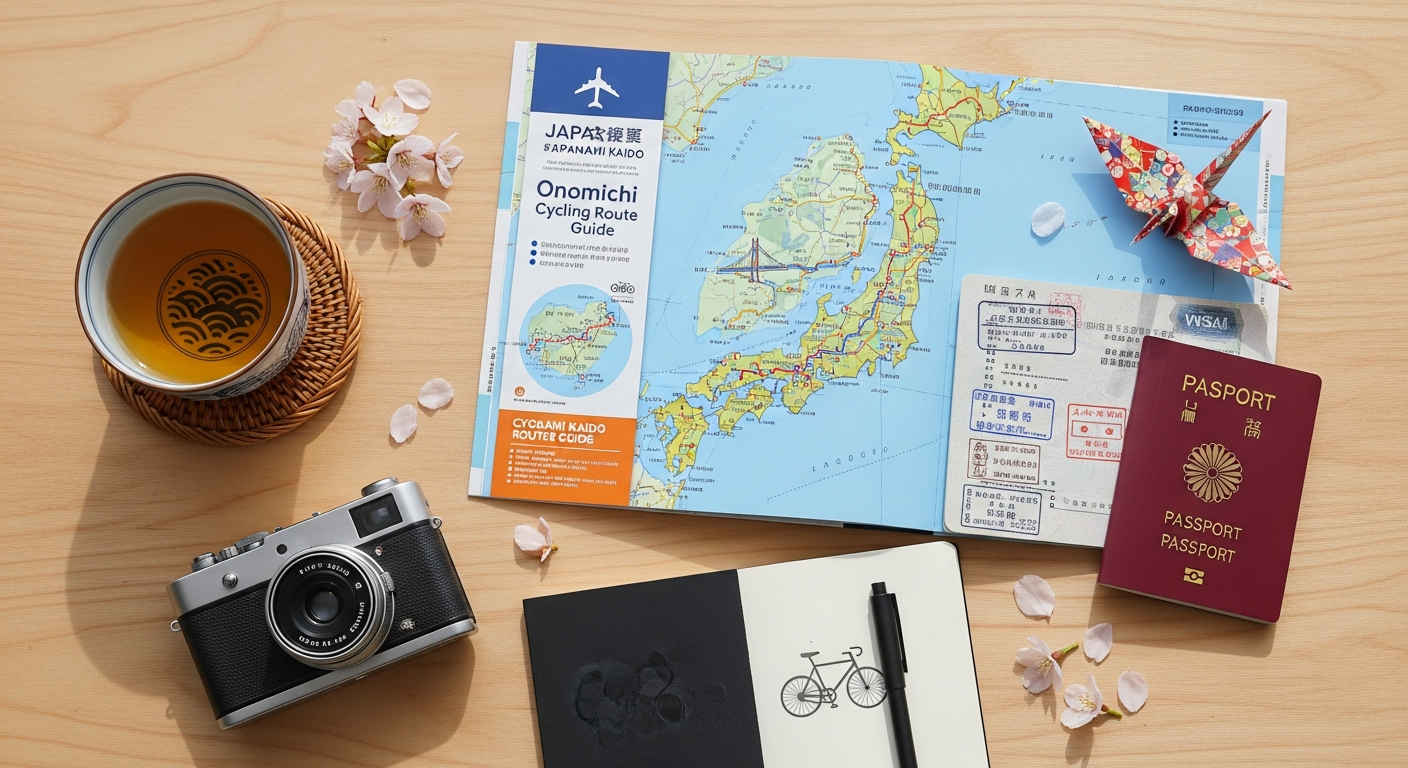
Your Ultimate Onomichi Cycling Route Guide: Conquer the Shimanami Kaido and Beyond!
Onomichi’s reputation as a cycling mecca is well-earned. The town offers excellent infrastructure for cyclists, making it an ideal starting point for both seasoned riders and those new to long-distance cycling. This guide will take you through everything you need to know, from bike rentals and route specifics to cultural insights and culinary delights, ensuring your Onomichi cycling adventure is nothing short of epic. So, pump up your tires, don your helmet, and let’s dive into the ultimate Onomichi cycling route guide!
Why Onomichi is Your Premier Cycling Gateway to the Setouchi
Onomichi isn’t just a point on the map; it’s a destination brimming with character, history, and an infectious laid-back vibe. Its narrow, winding alleyways, historic temples clinging to steep hillsides, and stunning views of the Seto Inland Sea (瀬戸内海, Setouchikai) make it a captivating place to explore even without a bike. But for cyclists, Onomichi holds a special significance: it’s the official starting (or ending) point for the Shimanami Kaido (しまなみ海道), arguably Japan’s most famous cycling route.
The town has fully embraced its role as a cycling hub. The Onomichi U2 complex, a renovated warehouse district, is a testament to this, housing a cycle-friendly hotel, bike shop, cafe, and restaurants right on the waterfront. This dedication to accommodating cyclists creates an incredibly welcoming atmosphere, making Onomichi an ideal base to prepare for your journey, or to relax and unwind after a magnificent ride.
Beyond its strategic location, Onomichi offers:
- Excellent Accessibility: Easily reached by Shinkansen (新幹線, bullet train) to Shin-Onomichi Station or local trains to Onomichi Station, making your arrival and departure seamless.
- Comprehensive Bike Rental Options: A public rental system and private shops cater to all needs, from basic city bikes to high-performance road bikes.
- Charming Local Culture: Explore historic temples on the Temple Walk (寺巡り, tera-meguri), savor local delicacies like Onomichi Ramen (尾道ラーメン), and immerse yourself in the town’s cinematic history.
- Supportive Community: Locals are accustomed to cyclists and are generally very helpful and friendly.
The Crown Jewel: The Shimanami Kaido (しまなみ海道) – Your Ultimate Onomichi Cycling Route
The Shimanami Kaido is not just a cycling route; it’s an engineering marvel and a sensory delight. This 70-kilometer (43-mile) scenic route connects Onomichi in Hiroshima Prefecture to Imabari (今治) in Ehime Prefecture, traversing six distinct islands via a series of magnificent bridges. It’s often lauded as one of the best cycling routes in the world, and for good reason.
What makes the Shimanami Kaido truly special is its dedicated cycling path, distinct from the main expressway traffic, making it incredibly safe and enjoyable. Blue lines painted on the road guide you every kilometer of the way, making navigation virtually effortless. The gentle inclines to access the bridges are manageable for most fitness levels, and the breathtaking panoramic views from above the sea are utterly unforgettable.
Key Islands and Highlights Along the Shimanami Kaido:
- Mukaishima (向島): The first island from Onomichi. It’s relatively flat and offers a gentle warm-up. Don’t miss the charming cafes and local shops. You reach it by a short ferry ride from Onomichi port.
- Innoshima (因島): Famous for its citrus groves and the beautiful Innoshima Suigun Castle (因島水軍城), a replica castle dedicated to the Murakami pirates who once controlled these waters. Try the local hassaku orange sweets!
- Ikuchijima (生口島): Known as “Lemon Island” for its abundant lemon orchards. It’s home to Kosanji Temple (耕三寺), a vibrant and unique temple complex with a marble garden called “The Hill of Hope.” The island also boasts lovely beaches.
- Omishima (大三島): Home to the Oyamazumi Shrine (大山祇神社), one of Japan’s oldest and most revered shrines, dedicated to the gods of mountains, seas, and warriors. It houses an impressive collection of ancient samurai armor and weapons.
- Hakatajima (伯方島): Famous for its salt production. Look out for the Michi-no-Eki (道の駅, roadside station) Hakata S.C. Park, where you can buy local salt products and delicious ice cream.
- Oshima (大島): The largest of the islands, offering more challenging hills but rewarding views, especially from the Kirosan Observatory (亀老山展望公園). It’s also home to the Kurushima Kaikyo Bridge (来島海峡大橋), the world’s longest series of suspension bridges, connecting Oshima to Shikoku.
Choosing Your Shimanami Kaido Journey:
- One-Day Dash (70km): Possible for experienced cyclists who start early. You’ll cover the distance, but might miss some delightful detours.
- Two-Day Leisurely Ride (Most Popular): This allows you to explore at a relaxed pace, enjoy island hopping, visit attractions, and stay overnight on one of the islands (e.g., Ikuchijima or Omishima). This is highly recommended to fully appreciate the route.
- Multi-Day Exploration: If you have more time, extend your stay on some islands, venture off the main route, and truly immerse yourself in the Setouchi lifestyle.
No matter your pace, the Shimanami Kaido offers a truly unique fusion of physical challenge, natural beauty, and cultural discovery, cementing its place as the centerpiece of any Onomichi cycling route guide.
Navigating the Shimanami Kaido: Practical Steps for Your Onomichi Cycling Route
A successful cycling trip requires a bit of planning. Here’s a step-by-step guide to ensure your journey on the Shimanami Kaido, starting from Onomichi, is smooth and enjoyable.
1. Bike Rental in Onomichi:
Onomichi offers excellent options for bike rental:
- Shimanami Kaido Cycling Terminal (Onomichi U2 Cycle): Located right at the start of the route, this is an excellent choice for high-quality road bikes, hybrid bikes, and electric-assist bikes. They offer one-way drop-off at other terminals along the route, which is incredibly convenient. Book online in advance, especially during peak season!
- Onomichi Port Bicycle Rental Terminal: Part of the public rental system. Offers more basic bikes but is a budget-friendly option. Also allows one-way drop-off.
- Other Private Rental Shops: Several smaller shops in Onomichi provide a range of bikes and services.
Tip: Always reserve your bike, especially if you want a specific type (e.g., e-bike) or are traveling during busy periods (spring, autumn). Check the condition of the bike before you set off.
2. Luggage Transfer Services:
Cycling with heavy luggage is no fun. Fortunately, several services make this easy:
- Sagami Express (佐川急便, Sagawa Kyūbin) / Kuroneko Yamato (ヤマト運輸): These major courier services offer luggage forwarding. You can send your main luggage from Onomichi to your accommodation on an island or even to your final destination in Imabari or beyond. Drop off points are often convenience stores (コンビニ, konbini) or post offices.
- Shimanami Cycle (しまなみサイクル): Offers same-day luggage transfer directly between hotels and rental terminals along the route. Check their website for specific pickup/drop-off points and schedules.
Recommendation: Use a daypack for essentials (water, snacks, phone, wallet, light jacket) and send your main luggage ahead.
3. Accommodation Booking:
If you’re doing a two-day trip, booking accommodation on one of the islands in advance is crucial, especially for weekends and holidays. Popular options include:
- Ryokan (旅館) & Minshuku (民宿): Traditional Japanese inns, offering a cultural experience and often delicious local meals.
- Guesthouses & Hotels: Modern and budget-friendly options are also available.
- Camping: A few campsites are available for the adventurous.
Consider staying on Ikuchijima or Omishima for a convenient mid-point stop with good dining options.
4. Navigation and Signage:
- Blue Line: Follow the distinctive blue line painted on the road – it’s your main guide.
- English Signage: Signs are generally in both Japanese and English.
- Maps & Apps: Pick up a free Shimanami Kaido map from a rental terminal. Google Maps or dedicated cycling apps can also be helpful for finding specific attractions or restaurants off the main route.
5. Bridge Tolls:
Each bridge has a small toll (typically 50-200 yen per bridge for cyclists). You can pay at collection boxes (exact change needed) or purchase a Cycling Road Pass (サイクリングロードパス) at rental terminals or convenience stores, which covers all bridge tolls for a set period. It’s often more convenient to just pay as you go if you only plan to do the route once.
By taking these practical steps, your journey on this incredible Onomichi cycling route will be much more enjoyable and stress-free.
Beyond the Shimanami: Exploring Onomichi’s Local Cycling Charms
While the Shimanami Kaido is undoubtedly the star, Onomichi itself offers delightful local cycling opportunities that shouldn’t be overlooked. These shorter, often hillier, routes provide a different perspective on the town’s unique character and stunning views.
1. Onomichi Temple Walk Loop (寺巡りループ):
This isn’t a dedicated cycling path, but rather a way to explore Onomichi’s iconic “Temple Walk” by integrating cycling. You can cycle along the flatter coastal areas and main roads, then park your bike and ascend on foot to explore the intricate alleyways and historic temples that cling to the hillsides. Many temples are inaccessible by bike, but you can get close to the base. Highlights include:
- Senkoji Temple (千光寺): Perched dramatically on the hillside, offering panoramic views of Onomichi and the Seto Inland Sea. You can ride the Senkoji Ropeway up (or just walk!) and then explore by foot.
- Tenneiji Temple (天寧寺): Famous for its three-storied pagoda.
- Jodoji Temple (浄土寺): A national treasure with beautiful gardens.
Tip: Be prepared for steep climbs and stairs if you plan to explore the temples on foot. A city bike or e-bike is best for the flat sections of this mixed-mode exploration.
2. Coastal Ride to Golden Hill (向島への金山海岸コース):
Instead of immediately heading for the Shimanami Kaido, consider a relaxed ride along the coast towards the eastern side of Onomichi, or a short ferry hop to Mukaishima and explore its less-trafficked coastal roads. Mukaishima’s coastal road, especially towards the Golden Hill (金山, Kanayama) area, offers peaceful cycling past small fishing villages, citrus farms, and quiet beaches. It’s an excellent way to experience local island life without the commitment of the full Shimanami Kaido.
3. Waterfront Pathway and U2 Exploration:
For a completely relaxed ride, cycle along Onomichi’s revitalized waterfront pathway. This flat, easy route takes you past the Onomichi U2 complex, historic warehouses, and offers lovely views of the harbor and Mukaishima across the channel. It’s perfect for families or a casual evening ride, perhaps ending with a meal at one of the U2’s restaurants.
These local Onomichi cycling route options provide a wonderful complement to the Shimanami Kaido, allowing you to delve deeper into the town’s charm and natural beauty at a more leisurely pace.
Essential Gear and Preparation for Your Onomichi Cycling Adventure
Preparation is key to an enjoyable and safe cycling trip. Here’s what you should consider before you hit the road on your Onomichi cycling route.
What to Wear & Pack:
- Cycling Apparel: Padded shorts are a must for comfort on longer rides. Wicking shirts, a light jacket (even in summer, for wind on bridges or sudden showers), and comfortable shoes are essential. Layers are always a good idea.
- Helmet: Provided with most rentals, but bring your own if you prefer. Always wear one.
- Sunglasses & Sunscreen: The Seto Inland Sea can be very sunny!
- Water Bottle(s): Stay hydrated! There are vending machines and shops, but having your own water is crucial.
- Snacks: Energy bars, nuts, or local treats (like citrus jellies) for quick fuel.
- Small Backpack/Saddle Bag: For essentials, camera, phone.
- Portable Charger: For your phone and any GPS devices.
- Basic Repair Kit: While rental bikes are usually well-maintained, a small puncture repair kit or spare tube might be useful for longer, self-supported rides. Public rental terminals often offer roadside assistance, but it’s good to be prepared.
Navigation and Safety:
- Map & GPS: Grab a physical map at the rental terminal and use Google Maps or a dedicated cycling app on your phone. Download offline maps.
- Emergency Numbers: Know 110 for police (警察, keisatsu) and 119 for ambulance/fire (救急車/火事, kyūkyūsha/kaji).
- Koban (交番): Look for these small police boxes, common throughout Japan, for assistance.
- Rules of the Road: In Japan, you drive/cycle on the left. Be aware of pedestrians and other cyclists. Follow traffic signals.
- Bridge Access: The access roads to the bridges can be windy. Take your time, especially on descents.
- Weather Check: Check the forecast before you set out. Rain, strong winds (especially on bridges), or extreme heat can significantly impact your ride.
Culturally Respectful Cycling:
- Quiet Voices: Be mindful of noise levels, especially when passing through residential areas or near temples/shrines.
- Leave No Trace: Carry out all your trash. Japan is exceptionally clean, let’s keep it that way.
- Temple/Shrine Etiquette: If you stop to visit, park your bike respectfully, dress appropriately (shoulders/knees covered is generally polite), and observe local customs.
- Thank Locals: A simple “Arigato gozaimasu” (ありがとうございます) goes a long way when people help you.
With these preparations, you’ll be ready to fully embrace the challenge and beauty of any Onomichi cycling route.
Where to Stay & Eat Along Your Onomichi Cycling Route
Fueling your body and resting well are just as important as the ride itself. The Onomichi region and the Shimanami Kaido islands offer fantastic culinary delights and comfortable accommodations.
Accommodation in Onomichi:
- Onomichi U2 HOTEL CYCLE: The ultimate cycling-friendly hotel. You can even check in with your bike! Offers stylish rooms, a great restaurant, bakery, and cycle shop. Highly recommended for convenience and atmosphere.
- Traditional Ryokan & Guesthouses: Explore charming, more traditional options tucked away in Onomichi’s backstreets, often offering a local, authentic experience.
- Business Hotels: More budget-friendly options are available near Onomichi Station.
Dining in Onomichi:
- Onomichi Ramen (尾道ラーメン): A must-try! This regional specialty features a soy sauce-based broth, often with pork back fat, thin flat noodles, and tender chashu pork. Head to places like Onomichi Ramen Ichibankan (尾道ラーメン壱番館) or Shuka-en (朱華園).
- Seafood: Being a port town, fresh seafood is abundant. Look for local sushi (寿司), sashimi (刺身), or grilled fish at izakayas (居酒屋).
- Local Sweets & Cafe Culture: Onomichi has a thriving cafe scene, perfect for a pre-ride coffee or a post-ride treat. Try local citrus-infused desserts.
Accommodation Along the Shimanami Kaido:
If you’re doing a multi-day trip, consider staying on one of the islands. Popular choices include:
- Ikuchijima (生口島): Several charming minshuku (family-run inns) and guesthouses. It’s a good mid-point.
- Omishima (大三島): Offers a range of accommodations, including more traditional ryokan near Oyamazumi Shrine.
- Hakatajima (伯方島): Some options, including hotels with onsen (温泉, hot springs).
Tip: Book well in advance, especially during peak seasons. Many smaller inns may require direct booking via phone or email.
Dining Along the Shimanami Kaido:
- Michi-no-Eki (道の駅): These roadside stations are fantastic for local produce, snacks, light meals, and clean restrooms. Don’t miss the local citrus fruits and juices!
- Island Specialties: Each island has its own flavors. Enjoy fresh seafood, local citrus products (lemons, hassaku, mikan), and unique sweets.
- Cafes & Restaurants: Many quaint cafes and restaurants dot the route, often with beautiful views. Take your time to discover them.
Exploring the diverse culinary landscape is an integral part of your Onomichi cycling route guide experience. Savor every bite!
FAQs About Your Onomichi Cycling Route Guide
Here are some frequently asked questions to help you plan your ideal Onomichi cycling adventure.
1. Is the Shimanami Kaido suitable for beginners?
Yes, absolutely! The Shimanami Kaido is often called “beginner-friendly.” The route is mostly flat or gently sloped, well-maintained, and clearly marked with a blue line. Electric-assist bikes are readily available for rent, making the climbs to the bridges even easier. Breaking the 70km route into two days with an overnight stay is highly recommended for beginners to enjoy at a leisurely pace.
2. What’s the best time of year to cycle the Onomichi cycling route?
The best seasons are spring (March to May) and autumn (September to November). Spring offers pleasant temperatures and cherry blossoms, while autumn provides comfortable weather and vibrant fall foliage. Summer (June to August) can be very hot and humid, though riding early in the morning can mitigate this. Winter (December to February) is generally cold, and some facilities might have reduced hours, but it can be peaceful with fewer crowds.
3. Can I complete the Shimanami Kaido and return to Onomichi in one day?
While physically possible for very fit and experienced cyclists, it would mean cycling approximately 140km (87 miles) round trip, or 70km one way and taking a bus or train back. A one-day out-and-back trip would be extremely rushed and you would miss many of the island attractions. Most people either cycle one way and return by bus/train from Imabari, or complete it over two days with an overnight stay on one of the islands.
4. Are there places to buy food and drinks along the Onomichi cycling route?
Yes, plenty! Each island has convenience stores (コンビニ, konbini), vending machines (自動販売機, jidōhanbaiki), and Michi-no-Eki (道の駅, roadside stations) where you can purchase snacks, drinks, and light meals. There are also many local restaurants and cafes, especially on the larger islands like Ikuchijima and Omishima. You won’t go hungry or thirsty.
5. What if I encounter a mechanical problem or get injured?
The Shimanami Kaido is well-supported. Public rental terminals often offer roadside assistance during operating hours. Many cycle shops are available on the islands. For more serious mechanical issues, you might need to find a local bike shop. In case of injury, use your phone to call for assistance (119 for ambulance) or head to the nearest koban (交番, police box) for help. Having travel insurance is always a good idea.
We hope this comprehensive Onomichi cycling route guide inspires you to explore this truly special corner of Japan. Happy cycling!