The Shimanami Kaido: A Cyclist’s Paradise Across the Seto Inland Sea
Often hailed as one of the world’s greatest cycling routes, the Shimanami Kaido is more than just a road; it’s an experience. This spectacular path connects the mainland of Honshu, starting in Onomichi, with the island of Shikoku, culminating in Imabari, spanning six distinct islands across the serene waters of the Seto Inland Sea. What sets the Shimanami Kaido apart is its ingenious design: dedicated cycling lanes, painted with a distinctive blue line, guide riders effortlessly across majestic bridges and through charming island towns, largely separated from vehicular traffic. This thoughtful infrastructure makes for an incredibly safe and enjoyable ride, allowing you to fully immerse yourself in the stunning natural landscape and unique island culture.
The journey itself is a feast for the senses. Imagine cycling across a series of suspension bridges that seem to float above the azure waters, offering panoramic views of verdant islands dotted with fishing villages and citrus groves. Each island presents its own character and charm, inviting exploration and discovery. The gentle sea breeze, the scent of the ocean, and the warm hospitality of the locals create an atmosphere of pure bliss. Whether you’re a seasoned long-distance cyclist or a family looking for a leisurely ride, the Shimanami Kaido caters to all, with options for various durations and bike types, including comfortable e-bikes that make the occasional incline a breeze. It’s a journey that challenges the body, rejuvenates the spirit, and leaves an indelible mark on your memory, cementing its status as a premier cycling destination in Japan and globally.
Planning Your Epic Ride: Logistics and Essentials for Cycling the Shimanami Kaido
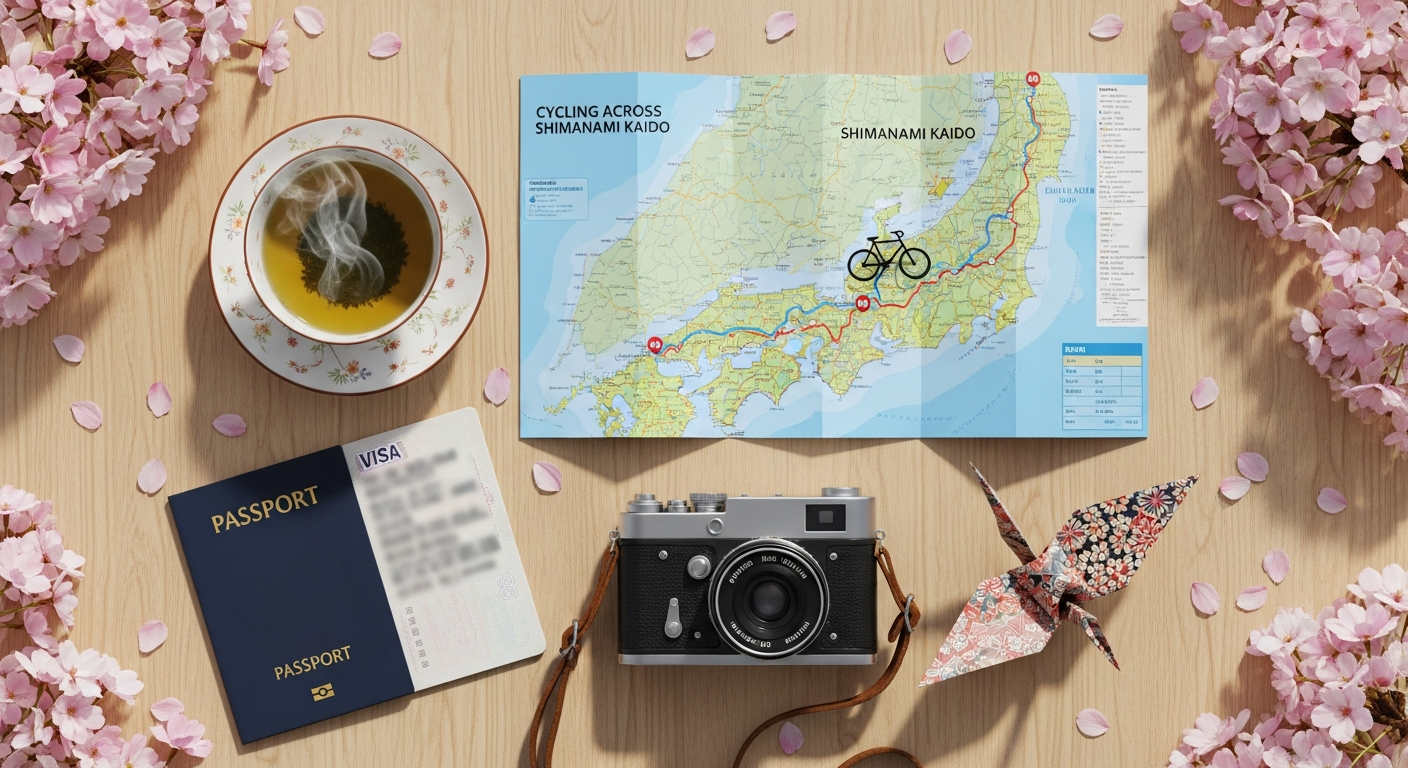
A successful Shimanami Kaido adventure begins with meticulous planning. Understanding the logistics, from choosing your direction to securing accommodation and the right bicycle, will ensure a smooth and enjoyable experience. Most cyclists prefer to start in Onomichi and cycle towards Imabari. This direction offers a slight overall downhill gradient, making for a marginally easier ride, and allows for a dramatic finish across the iconic Kurushima Kaikyo Bridge. However, cycling from Imabari to Onomichi is equally rewarding and offers different perspectives.
Duration and Pace: Crafting Your Itinerary
- One-Day Challenge: For experienced and fit cyclists, completing the 70-80km route in a single day is achievable. This typically means starting early and maintaining a steady pace, with fewer long stops.
- Two-Day Journey (Most Popular): This is the recommended option for most, allowing for a comfortable pace, ample time to explore the islands, and an overnight stay on one of the charming islands like Ikuchijima or Omishima. This pace enables cultural immersion and relaxation.
- Three-Day Leisurely Ride: For those who wish to truly savor every moment, a three-day itinerary provides abundant opportunities for deeper exploration, visiting multiple attractions, enjoying local cuisine, and simply soaking in the tranquil island atmosphere.
Bike Rental: Your Trusty Steed for the Journey
One of the greatest conveniences of the Shimanami Kaido is its robust bike rental system. There are two primary options:
- Public Rental Cycle Terminals: These terminals are located at major points along the route, including Onomichi, Imabari, and on each island. They offer a range of cross bikes, city bikes, and some e-bikes. The beauty of this system is its flexibility: you can rent a bike at one terminal and return it at another, paying a nominal daily fee plus an insurance deposit (which is typically refunded upon return). This is excellent for one-way journeys. However, bikes can be basic, and specific types might not always be available, especially during peak season.
- Private Rental Shops: For higher quality bikes, including road bikes, advanced cross bikes, and premium e-bikes, several private shops operate in Onomichi and Imabari. These shops often provide better gear, more personalized service, and sometimes include helmet and basic repair kits. While generally more expensive, the enhanced comfort and performance can significantly elevate your cycling experience. Booking well in advance, especially for specific models or during peak travel times in 2026, is highly recommended.
Many rental services also offer baggage transfer, allowing you to cycle light while your luggage is forwarded to your next accommodation. This service is invaluable for multi-day trips.
Accommodation Along the Route
Overnight stays are a highlight of a multi-day Shimanami Kaido trip. Each island offers a variety of lodging options, from traditional Japanese ryokans and minshukus (family-run guesthouses) to modern hotels and charming guesthouses catering specifically to cyclists. Popular islands for overnight stays include Ikuchijima and Omishima due to their central location and abundance of attractions. It is strongly advised to book your accommodation well in advance, particularly if you plan to cycle during the peak seasons of spring (March to May) or autumn (October to November) in 2026, as rooms can fill up quickly.
The Best Time to Cycle the Shimanami Kaido in 2026
Choosing the right time of year is crucial for an optimal experience:
- Spring (March-May): Widely considered the best time. The weather is pleasantly mild, skies are often clear, and the islands come alive with cherry blossoms in late March to early April.
- Autumn (October-November): Another excellent period, offering comfortable temperatures, low humidity, and vibrant autumn foliage, especially around the hillsides.
- Summer (June-September): Can be hot and humid, with a higher chance of rain and typhoons. While possible, it requires more preparation (hydration, early starts).
- Winter (December-February): Cooler temperatures and strong winds are common. Some facilities might have reduced hours. While unique, it’s generally less popular.
Regardless of the season, packing layers and checking the weather forecast before and during your trip is always a good idea.
Navigating the Azure Path: Island Hopping Highlights of the Shimanami Kaido
Onomichi (Start Point)
While technically on the mainland, Onomichi serves as the official starting point for many Shimanami Kaido cyclists. This charming port town, famous for its hilly slopes, historic temples, and literary connections, is worth exploring before you even touch your bike pedals. You can access Mukaishima, the first island, either by a short ferry ride (bikes allowed) or by cycling across the Onomichi Ohashi Bridge (an 800m bridge separate from the main Shimanami route, requiring you to navigate a slightly less cyclist-friendly road for a short stretch). We highly recommend taking some time to explore What To Do In Onomichi Japan, soaking in its unique atmosphere.
Mukaishima Island
The first island proper, Mukaishima, is predominantly residential and agricultural. While it doesn’t boast major tourist attractions in the same vein as some other islands, it offers a gentle introduction to island life. You’ll cycle through citrus orchards and quiet neighborhoods, often alongside locals going about their daily routines. It’s a pleasant warm-up for the journey ahead.
Innoshima Island
Connected by the Innoshima Ohashi Bridge, a double-deck suspension bridge with the cycling path on the lower deck, Innoshima has a rich history tied to the Murakami Suigun, a powerful pirate clan that controlled the Seto Inland Sea in medieval times. A visit to the Innoshima Suigun Castle, a reconstruction overlooking the sea, provides fascinating insights into this era. The island is also known for its production of Hassaku oranges and other citrus fruits, which you can often sample or purchase from roadside stalls.
Ikuchijima Island
Crossing the elegant Ikuchi Bridge, you arrive at Ikuchijima, often considered one of the jewels of the Shimanami Kaido. This island is famous for its abundant lemon groves and vibrant art scene. A definite highlight and a must-visit stop is Kosanji Temple. This unique temple complex, founded by a wealthy industrialist in memory of his mother, is an eclectic mix of architectural styles, featuring recreations of famous Japanese temples and a stunning marble garden called “The Hill of Hope.” Consult our Setoda Kosanji Temple Guide for a detailed exploration. Nearby, the Hirayama Ikuo Museum of Art showcases the works of a renowned Japanese painter, adding to the island’s cultural appeal and connecting to the broader theme of Onomichi Art Galleries And Culture.
Omishima Island
The journey to Omishima takes you across the graceful Tatara Bridge, a stunning cable-stayed bridge renowned for its harp-like design and engineering prowess. Omishima is home to the venerable Oyamazumi Shrine, one of Japan’s oldest and most revered shrines, dedicated to the gods of mountains, seas, and warriors. It houses an impressive collection of ancient samurai armor and weapons, some of which are designated National Treasures. The island also features several art museums, including the Omishima Museum of Art and the Toyo Ito Museum of Architecture, making it another cultural hotspot along the route.
Hakatajima Island
Connected to Omishima by the Hakata-Oshima Bridge, Hakatajima is known for its salt production and delicious local seafood. It’s a great place to stop for a meal, savoring fresh catches from the Seto Inland Sea. The island offers pleasant cycling routes through quiet villages and along scenic coastlines, providing a more relaxed atmosphere before the final major stretch.
Oshima Island
The penultimate island, Oshima, is connected by the Hakata-Oshima Bridge and then leads to the grand finale: the Kurushima Kaikyo Bridge. Oshima is home to the Kirosan Observatory Park, perched atop a hill, offering arguably the most spectacular panoramic views of the Kurushima Kaikyo Bridge and the surrounding islands. The climb is steep but rewarding, and many cyclists opt to lock their bikes at the base and walk or take a taxi up. This viewpoint is an absolute highlight and provides incredible photo opportunities.
Imabari (End Point)
The final leg of the journey takes you across the magnificent Kurushima Kaikyo Bridge, a series of three interconnected suspension bridges spanning over 4 kilometers – the longest series of suspension bridges in the world. Cycling across this engineering marvel, with the vast expanse of the Seto Inland Sea beneath you, is an exhilarating and unforgettable culmination of your Shimanami Kaido adventure. Upon reaching Imabari, you can celebrate your accomplishment, explore Imabari Castle, or perhaps visit the Towel Museum, as Imabari is famous for its high-quality towels. From Imabari, you have excellent transportation links to other parts of Shikoku or back to Honshu.
Beyond the Saddle: Cultural Immersion and Culinary Delights on the Shimanami Kaido
While the cycling itself is the main draw, the Shimanami Kaido experience is significantly enriched by taking the time to explore beyond the blue line. The islands offer a wealth of cultural insights, historical sites, and, of course, delectable culinary experiences that are unique to the Seto Inland Sea region.
A Taste of the Setouchi: Culinary Highlights
The Seto Inland Sea is a treasure trove for food lovers, particularly those who appreciate fresh seafood and exquisite citrus fruits. As you cycle, be sure to indulge in:
- Fresh Seafood: Stop at local eateries or roadside stands for sashimi, grilled fish, or seafood bowls made with the day’s catch. The waters here are teeming with various fish, shellfish, and octopus.
- Citrus Fruits: Ikuchijima, in particular, is famed for its lemons and other citrus varieties. Look out for fresh-squeezed juice, citrus-infused sweets, and of course, the fruits themselves. Hassaku oranges from Innoshima are also a local specialty.
- Onomichi Ramen: If starting or ending your trip in Onomichi, you absolutely must try Onomichi Ramen, a distinct regional style characterized by its soy sauce-based broth and floating globules of pork fat. It’s the perfect hearty meal after a day of cycling.
- Local Sweets and Snacks: Each island might have its own unique confectionery or snack. Don’t hesitate to try what the locals recommend.
Deepening Your Cultural Connection
The islands are steeped in history and tradition, offering numerous opportunities for cultural exploration:
- Temples and Shrines: Beyond the grandeur of Kosanji Temple on Ikuchijima (as detailed in our Setoda Kosanji Temple Guide), you’ll find countless smaller, serene shrines and temples tucked away in villages. These often provide a quiet glimpse into local spiritual life. The ancient Oyamazumi Shrine on Omishima is a powerful testament to Japan’s long history.
- Art and Galleries: The Setouchi region, and the Shimanami Kaido in particular, has a strong connection to art. The Hirayama Ikuo Museum of Art on Ikuchijima and the Toyo Ito Museum of Architecture on Omishima are prominent examples. Many smaller galleries and art installations can be discovered in unexpected places, reflecting the broader theme of Onomichi Art Galleries And Culture that permeates the region.
- Local Crafts: Imabari is renowned for its high-quality towels, and you can visit the Towel Museum there. Other islands might have small shops selling local handicrafts or specialty products.
- Engaging with Locals: One of the most rewarding aspects of cycling the Shimanami Kaido is the opportunity to interact with the friendly island residents. A simple “konnichiwa” (hello) can often lead to warm exchanges and valuable local tips.
Nature’s Grandeur: Scenic Stops and Relaxation
The natural beauty of the Seto Inland Sea is a constant companion on your ride. Take moments to pause and appreciate:
- Scenic Viewpoints: Kirosan Observatory Park on Oshima offers unparalleled vistas of the Kurushima Kaikyo Bridge. Other smaller viewpoints along the route provide stunning photo opportunities of the islands and bridges.
- Beaches: During warmer months, some islands feature pleasant beaches perfect for a quick dip or a relaxing break.
- Sunsets: The sunsets over the Seto Inland Sea are legendary. Try to time your ride or an overnight stay to witness the sky ablaze with color as the sun dips below the horizon.
Allowing yourself the flexibility to stop, explore, and simply absorb the atmosphere will transform your Shimanami Kaido cycle into a truly holistic travel experience.
Essential Tips for a Seamless Shimanami Kaido Experience in 2026
To ensure your Shimanami Kaido cycling trip in 2026 is as smooth and enjoyable as possible, keep these practical tips in mind:
Preparation is Key
- Physical Fitness: While the Shimanami Kaido is largely flat, 70-80km is still a significant distance. Engage in some light cycling or physical activity before your trip to build stamina. If you’re less confident, an e-bike will make the journey much more comfortable.
- What to Pack:
- Cycling Gear: Comfortable cycling shorts, breathable layers (even in spring/autumn), a windbreaker or light rain jacket, cycling gloves, and sunglasses.
- Sun Protection: Sunscreen, a wide-brimmed hat (for off-bike exploration), and UV-protective clothing are essential, especially with the reflection off the water.
- Hydration: Carry at least two full water bottles. You’ll find convenience stores and vending machines, but having water readily available is crucial.
- Footwear: Comfortable shoes for cycling and walking (you’ll want to explore off the bike).
- Navigation: A copy of the official Shimanami Kaido map (often available at rental terminals), and a smartphone with Google Maps or a similar app. The blue line on the road is your primary guide.
- Cash: While cards are accepted in larger establishments, many smaller shops, cafes, and vending machines on the islands only accept cash.
- Camera: To capture the incredible scenery!
- Basic First-Aid Kit: For minor scrapes or blisters.
Safety First
- Helmet: Always wear a helmet. Rental shops typically provide them.
- Follow Traffic Rules: Although much of the route is dedicated cycling path, there are sections on roads shared with cars. Ride on the left, obey traffic signals, and be mindful of pedestrians.
- Bridge Access: Access points to the bridges are well-marked but often involve gradual inclines or ramps. Pay attention to signage.
Navigation and Support
- The Blue Line: This painted line on the road is your constant companion, indicating the route and marking distances to Imabari.
- Signage: All major junctions and attractions are clearly signposted in Japanese and English.
- Rest Areas & Facilities: You’ll find numerous “Cycle Oasis” rest areas, convenience stores (konbini), and small cafes along the route, offering refreshments, restrooms, and a place to relax.
- Bike Support: Public rental terminals can assist with minor issues. There are also several private bike shops along the way for more significant repairs. Consider carrying a small patch kit and a portable pump for emergencies.
Flexibility and Enjoyment
- Don’t Rush: The Shimanami Kaido is not a race. Allow yourself ample time to stop, take photos, explore side streets, and enjoy the views. The true magic lies in the journey, not just the destination.
- Baggage Forwarding: Utilize luggage forwarding services if you’re undertaking a multi-day trip. This allows you to cycle without the burden of heavy panniers, enhancing your comfort and freedom. Inquire about these services at your accommodation or bike rental shop.
By keeping these tips in mind, you’ll be well-prepared to tackle the Shimanami Kaido and create lasting memories of your cycling adventure in Japan.
Starting and Finishing Strong: Exploring Onomichi and Imabari
Your Shimanami Kaido journey truly begins and ends with the gateway cities of Onomichi and Imabari. Far more than just transit points, these cities offer their own unique attractions and cultural experiences that are well worth exploring before you set off or after you’ve completed your ride.
Onomichi: The Charming Gateway to the Seto Inland Sea
Before you even mount your bicycle, dedicate at least half a day, if not a full day, to discovering the delights of Onomichi. This atmospheric port town, nestled on steep hills overlooking the Onomichi Channel, is famous for its literary history, winding alleyways, and myriad temples. It’s a perfect place to acclimatize to Japan’s charm and prepare for your adventure.
- Temple Walk: Follow the historic Temple Walk, which takes you past over 25 temples, including the iconic Senkoji Temple, perched high on a hill with panoramic views of the city and the Seto Inland Sea. The ascent can be done via a charming ropeway.
- Cat Alley (Neko no Hosomichi): A whimsical narrow lane near Senkoji Temple, adorned with cat-themed art, statues, and friendly feline residents. It’s a photographer’s delight.
- Literary History: Onomichi has inspired numerous Japanese authors and filmmakers. Explore the Onomichi Literary Museum or simply soak in the nostalgic atmosphere.
- Culinary Delights: Don’t leave Onomichi without trying its famous Onomichi Ramen, characterized by a savory soy sauce broth and a hint of pork fat. There are also numerous charming cafes and local eateries.
- Art and Culture: Onomichi boasts a vibrant arts scene. Explore small independent galleries and boutiques, further enhancing your understanding of Onomichi Art Galleries And Culture.
For a comprehensive guide to maximizing your time here, refer to our article on What To Do In Onomichi Japan. Starting your Shimanami Kaido trip from Onomichi allows you to immerse yourself in its unique atmosphere, setting a wonderful tone for the journey ahead.
Imabari: The Shikoku Finale
After successfully conquering the Shimanami Kaido, Imabari, on the island of Shikoku, offers a relaxed yet engaging conclusion to your cycling odyssey. While it might feel different from the quaintness of Onomichi, it has its own attractions.
- Imabari Castle: A beautiful and impressive castle, unique for its seawater moat. It offers a fascinating glimpse into feudal Japan and provides excellent views from its top floor.
- Towel Museum: Imabari is renowned throughout Japan for its high-quality towels. The Towel Museum (Towel Art Museum) is a surprisingly engaging visit, showcasing the art and craftsmanship behind these famous textiles, along with beautiful art displays made from towels.
- Relaxation and Food: After a long ride, treat yourself to a delicious meal featuring local seafood or unwind at a local izakaya.
Transportation Connections
- To Onomichi: The most common way to reach Onomichi is via Shinkansen (bullet train) to Shin-Onomichi Station or Fukuyama Station (which has more frequent services), followed by a short local train ride to Onomichi Station. From major cities like Tokyo, Kyoto, or Osaka, this is a straightforward journey.
- From Imabari: Imabari Station offers train connections to Matsuyama (Ehime Prefecture’s capital, famous for Dogo Onsen) and other parts of Shikoku. You can also take buses across the Shimanami Kaido back to Onomichi or Hiroshima, or onward to other major cities.
Planning your travel to and from these gateway cities is an integral part of your overall Shimanami Kaido experience, ensuring a smooth start and a satisfying finish to your unforgettable cycling adventure in 2026.
Frequently Asked Questions
Recommended Resources
Learn more about this topic in How To List Your Home On Airbnb Tips at Vacation Rental Planners.
Learn more about this topic in Bachelorette Party Destination Ideas at Vacation Rental Planners.