The Heart of Hiroshima’s Cuisine: An Introduction to Okonomiyaki
Hiroshima, a city that rose from the ashes with remarkable determination, boasts a culinary emblem that perfectly encapsulates its spirit: okonomiyaki. More than just a dish, Hiroshima-style okonomiyaki is a layered masterpiece, a symbol of resilience, community, and the simple joy of good food. While the term “okonomiyaki” broadly translates to “what you like, grilled,” referring to a savory pancake, the Hiroshima rendition stands distinctly apart from its Osaka cousin, offering a unique texture and flavor profile that has captivated palates for generations.
The origins of Hiroshima okonomiyaki are deeply intertwined with the city’s post-World War II recovery. In the immediate aftermath of the war, food was scarce, and resourceful citizens began utilizing readily available ingredients like flour and cabbage to create simple, filling meals. These early versions were often just thin crepes filled with vegetables. As the city rebuilt and prosperity returned, the dish evolved. Noodles (soba or udon) were added, along with meat, eggs, and a generous slathering of savory sauce, transforming it into the hearty, multi-layered delicacy we know today. This evolution mirrors Hiroshima’s journey itself – from humble beginnings to a vibrant, complex, and deeply satisfying experience. Eating okonomiyaki in Hiroshima is not just about enjoying a meal; it’s about connecting with the city’s history, its enduring spirit, and its culinary heritage. It’s a communal experience, often enjoyed around a large iron griddle (teppan), where skilled chefs orchestrate a symphony of sizzles and aromas right before your eyes, turning simple ingredients into a work of art.
Unpacking Hiroshima-style Okonomiyaki: What Makes It Unique?
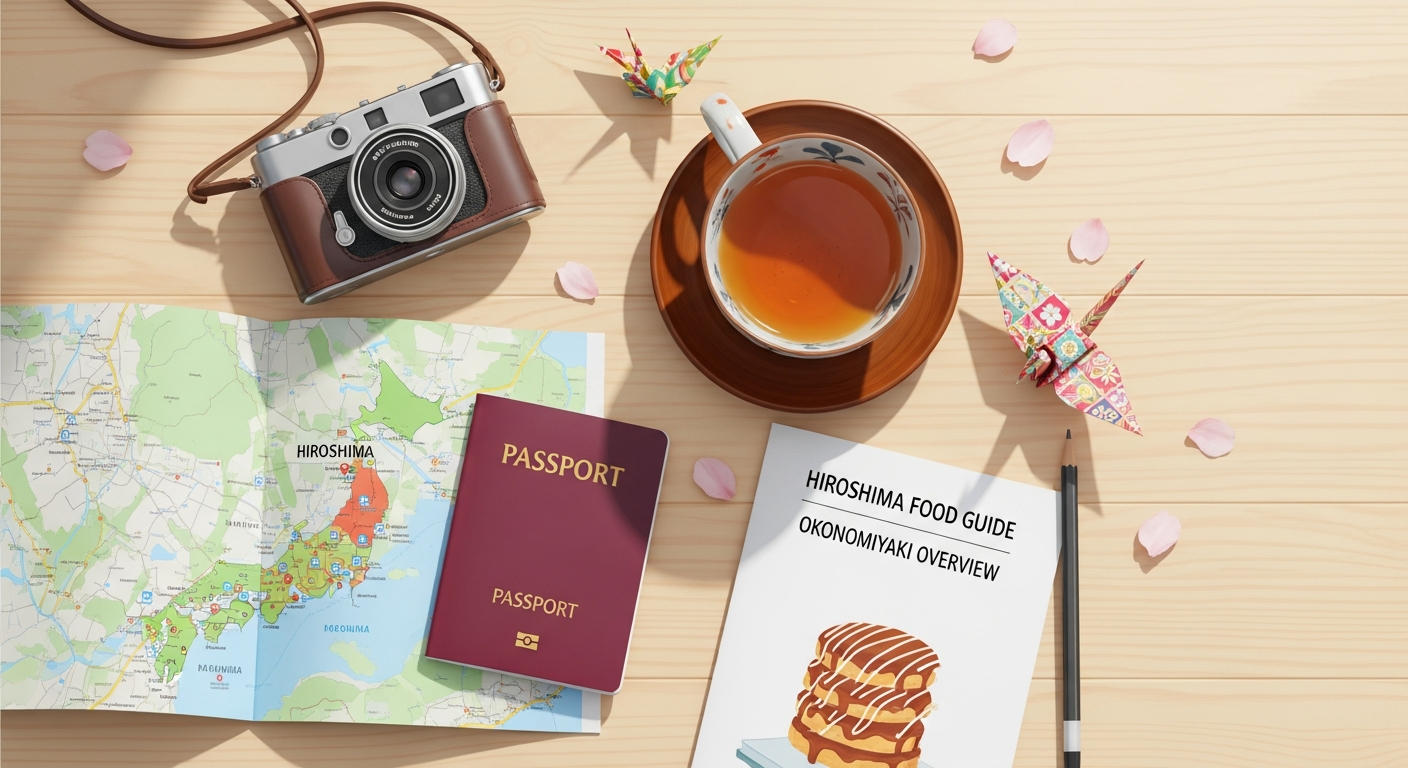
To truly appreciate Hiroshima okonomiyaki, one must understand its distinct anatomy. Unlike the Osaka style, where all ingredients are mixed into the batter before grilling, Hiroshima okonomiyaki is meticulously built layer by layer on a hot teppan. This intricate construction is key to its unique texture and depth of flavor, creating a delightful interplay of crispiness, tenderness, and chewiness in every bite.
The Art of Layering: A Deconstructed Masterpiece
- The Crêpe Base: It all begins with a thin, delicate crêpe of wheat flour batter, expertly spread onto the sizzling teppan. This forms the foundation upon which the culinary edifice is constructed.
- Cabbage Mountain: Next, a generous mound of finely shredded cabbage is piled high onto the crêpe. This isn’t just any cabbage; it’s often a special variety known for its sweetness and ability to steam perfectly, becoming wonderfully tender without losing its slight crunch. The sheer volume of cabbage is a defining characteristic, differentiating it significantly from other okonomiyaki styles.
- Protein Power: Thin slices of pork belly are laid over the cabbage, their fat rendering down to infuse the vegetables with savory flavor as they cook. Other popular additions might include squid, shrimp, or oysters, especially when in season.
- The Noodle Layer: This is arguably the most distinctive element of Hiroshima okonomiyaki. Either stir-fried soba noodles (soba-meshi) or udon noodles are added, providing a substantial and satisfying chewiness that acts as a delicious counterpoint to the soft cabbage. The noodles are typically seasoned with a touch of sauce before being placed on the stack.
- The Egg Crown: Finally, the entire stack is carefully flipped onto a fried egg, which is then gently folded around the edges, encasing the layers in a golden embrace. This technique ensures all the ingredients meld together beautifully.
- The Finishing Touch: A rich, savory-sweet okonomiyaki sauce, often proprietary to each restaurant, is generously brushed over the top. A sprinkle of dried seaweed (aonori) and bonito flakes (katsuobushi) completes the masterpiece, adding umami and a visual flourish. Some diners also enjoy a drizzle of mayonnaise or a dash of chili powder (shichimi) for an extra kick.
The result is a symphony of textures and flavors: the slight crispness of the crêpe, the sweet succulence of the steamed cabbage, the savory notes from the pork, the satisfying bite of the noodles, and the rich, tangy sauce tying it all together. It’s a harmonious blend that makes each mouthful a discovery, a testament to the skill and dedication of Hiroshima’s okonomiyaki masters.
Navigating Hiroshima’s Okonomiyaki Landscape: Where to Eat
Okonomimura: The Iconic Okonomiyaki Village
No Hiroshima okonomiyaki guide would be complete without mentioning Okonomimura (literally “Okonomiyaki Village”). This multi-story building, located in the bustling Shintenchi district, is a vibrant hub featuring over 20 individual okonomiyaki stalls, each with its own loyal following and distinct flavor profile. It’s a fantastic place for first-timers, offering a sensory overload of sizzling griddles, savory aromas, and lively chatter. You can wander from floor to floor, peering into different kitchens before settling on a spot that catches your eye. The atmosphere is undeniably energetic and fun, making it a truly memorable experience, especially for groups. While some argue that the quality might vary between stalls, the sheer variety and buzzing environment make Okonomimura an essential stop.
Okonomi-kyowakoku (Okonomi Republic)
Another popular okonomiyaki complex, Okonomi-kyowakoku, offers a similar concept to Okonomimura but with a slightly different vibe. Located near Hiroshima Station, it’s a convenient option for those arriving by train. Here, you’ll also find multiple vendors under one roof, providing ample choice and a chance to sample different takes on the classic. It tends to be a bit less tourist-heavy than Okonomimura, sometimes offering a more local feel while still providing a great selection of high-quality okonomiyaki.
Standalone Restaurants: Local Favorites and Hidden Gems
Beyond the “villages,” Hiroshima is dotted with countless independent okonomiyaki restaurants, many of which have been perfecting their craft for decades. These often offer a more intimate setting and a chance to truly connect with the local culture. Here are a few notable examples:
- Nagataya: Often cited as one of Hiroshima’s best, Nagataya is known for its consistently excellent okonomiyaki and welcoming atmosphere. Located near the Peace Memorial Park, it’s a popular choice for visitors. Be prepared for a potential wait, especially during peak hours, but many agree it’s well worth it. Their skillful use of fresh ingredients and perfectly balanced sauce are highlights.
- Hassei: Located in the lively Nagarekawa district, Hassei offers a slightly more modern take on the traditional okonomiyaki. They are famous for their unique “Hassei-yaki,” which often includes additional ingredients like cheese or mochi, adding an interesting texture and flavor dimension. Their lively atmosphere and friendly staff make it a local favorite.
- Micchan Sohonten: Considered one of the original okonomiyaki restaurants in Hiroshima, Micchan Sohonten has a storied history dating back to the post-war era. They pride themselves on using traditional techniques and secret family recipes, offering a classic and authentic taste of Hiroshima. With several branches across the city, it’s a reliable choice for a taste of history.
- Reichan: Conveniently located within the ASTY Hiroshima shopping complex right next to Hiroshima Station, Reichan is another popular spot known for its delicious okonomiyaki and efficiency. It’s a great option if you’re short on time or looking for a quick, high-quality meal before catching a train.
Tips for Choosing:
When exploring, don’t be afraid to venture off the beaten path. Look for restaurants with a queue of locals – this is often a good indicator of quality. Many smaller establishments might not have English menus, but pointing to pictures or using translation apps can help. The experience of sitting at the counter, watching the chef meticulously prepare your meal on the teppan, is an integral part of the Hiroshima okonomiyaki experience, regardless of where you choose to dine.
The Okonomiyaki Experience: Ordering, Eating, and Etiquette
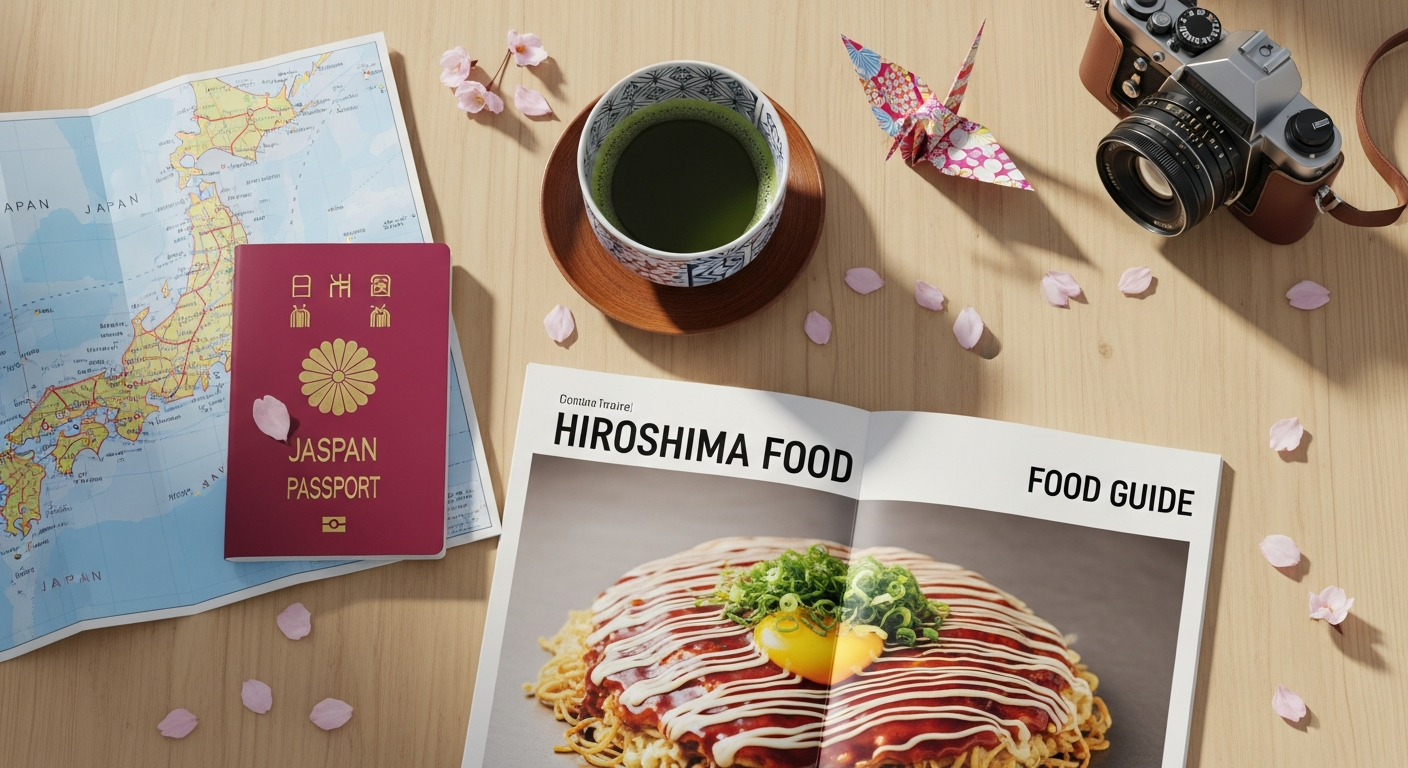
Stepping into a Hiroshima okonomiyaki restaurant is an experience in itself, filled with sizzling sounds, savory aromas, and the friendly bustle of locals. To fully immerse yourself in this culinary tradition, understanding a few simple customs and tips can enhance your meal.
Ordering Your Masterpiece
Most okonomiyaki restaurants, especially those catering to tourists, will have English menus or at least pictures to help you order. The basic Hiroshima okonomiyaki usually comes with pork (buta), egg (tama), and noodles (soba or udon). This is often referred to as buta-tama-soba (pork, egg, soba) or buta-tama-udon (pork, egg, udon).
You’ll then have the option to add various toppings (トッピング – toppingu) to customize your dish. Popular additions include:
- Ika-ten: Deep-fried squid tempura, adding a wonderful crunch and savory flavor.
- Ebi: Shrimp, for a taste of the sea.
- Kaki: Oysters, especially popular during winter months, offering a rich, briny burst of flavor. Hiroshima is famous for its oysters!
- Cheese: A gooey, savory addition that melts beautifully into the layers.
- Mochi: Sticky rice cakes, providing a unique chewy texture.
- Negi: Green onions, for a fresh, aromatic garnish.
Don’t hesitate to ask for recommendations from the staff; they are often proud to share their favorites.
Eating from the Teppan: The Traditional Way
One of the most authentic ways to enjoy Hiroshima okonomiyaki is directly from the hot teppan. Your okonomiyaki will be served hot off the grill, placed directly in front of you on the iron griddle. This keeps it warm throughout your meal and allows the flavors to continually meld. You’ll typically be provided with a small metal spatula called a hera or kote. This isn’t just for cutting; it’s also traditionally used to eat the okonomiyaki directly, scooping small pieces onto the spatula and bringing them to your mouth. While it might feel a bit awkward at first, it’s part of the authentic experience. Chopsticks are usually available if you prefer, and some restaurants might also provide a small plate.
A word on cutting: Use your hera to cut your okonomiyaki into manageable, bite-sized pieces. Don’t be shy about cutting it into a grid pattern; it’s designed to be easily portioned.
Accompaniments and Drinks
Okonomiyaki is often served with a variety of condiments that you can add to your liking:
- Okonomiyaki Sauce: While already generously applied, some diners like an extra drizzle.
- Mayonnaise: Often served in a squeeze bottle, it adds a creamy, tangy counterpoint.
- Shichimi Togarashi: A seven-spice chili powder that adds a pleasant warmth and subtle kick.
- Aonori: Dried green seaweed flakes, for an extra touch of umami.
To drink, nothing pairs better with a hot, savory okonomiyaki than a refreshing cold beer (生ビール – nama-bīru). Sake or shochu are also popular choices, offering a deeper dive into local beverage culture. For non-alcoholic options, iced green tea or soft drinks are readily available.
General Etiquette
- Be Patient: Good okonomiyaki takes time to prepare, especially during busy periods. Enjoy the atmosphere and the anticipation.
- Share if you like: While usually an individual dish, if you order different varieties, it’s common to share pieces to taste different flavors.
- Respect the Teppan: Be mindful of the hot surface when reaching for your food or condiments.
- Enjoy the Show: Watch the chefs at work! Their skill and precision are fascinating to observe.
Embracing these elements of the okonomiyaki experience will not only lead to a delicious meal but also a deeper appreciation for Hiroshima’s culinary traditions and hospitality.
Beyond Okonomiyaki: Other Culinary Delights in Hiroshima
While Hiroshima-style okonomiyaki rightly takes center stage in any food guide, the city and its surrounding Setouchi region offer a diverse array of culinary delights that are equally deserving of your attention. Expanding your palate beyond the iconic pancake will reveal the true breadth of Hiroshima’s gastronomic landscape in 2026.
Oysters (Kaki)
Hiroshima Prefecture is Japan’s largest producer of oysters, particularly from the pristine waters around Miyajima Island. These plump, succulent oysters are available year-round but are especially delicious during the colder months (roughly October to March). You can enjoy them in various forms: raw with a squeeze of lemon, grilled (yaki-gaki), deep-fried (kaki fry), in hot pots, or even as a topping on your okonomiyaki. Many restaurants around Miyajima and in Hiroshima city specialize in oyster dishes, offering a fresh taste of the Seto Inland Sea.
Anago Meshi (Conger Eel Rice)
Another specialty strongly associated with Miyajima and the Hiroshima area is anago meshi. Unlike its freshwater cousin unagi (eel), anago is saltwater conger eel, known for its lighter, more delicate flavor and softer texture. It’s typically grilled or simmered in a sweet soy-based sauce and served over a bed of fluffy rice, often accompanied by thin strips of omelet and pickles. The subtle sweetness and umami of the anago, combined with perfectly cooked rice, make for a truly comforting and refined dish. Head to Miyajima for some of the freshest and most authentic versions.
Tsukemen (Spicy Dipping Ramen)
For those who enjoy a bit of heat, Hiroshima’s spicy tsukemen is a must-try. Unlike traditional ramen where noodles are served in a soup, tsukemen involves dipping cold or room-temperature noodles into a separate bowl of rich, often spicy, broth. Hiroshima’s version is famous for its vibrant red, chili-infused dipping sauce, which can be customized to various levels of spiciness. It’s usually served with toppings like sliced pork (chashu), green onions, and boiled eggs. It offers a refreshing and invigorating culinary experience, especially during the warmer months.
Momiji Manju (Maple Leaf-shaped Cakes)
No visit to Hiroshima (especially Miyajima) is complete without trying momiji manju. These delightful, maple leaf-shaped cakes are a beloved local souvenir and snack. Traditionally filled with sweet red bean paste (anko), modern versions now come with a variety of fillings, including custard, chocolate, matcha, and even cream cheese. You can find them freshly baked at countless shops, particularly on Miyajima, where you can watch them being made. They are perfect with a cup of green tea and make for charming gifts to take home.
Hiroshima Sake
Hiroshima Prefecture is one of Japan’s leading sake-producing regions, particularly known for its elegant, aromatic, and slightly sweet sakes. The soft water of the region and the innovative brewing techniques developed here have earned Hiroshima sake a prestigious reputation. Many breweries offer tours and tastings, especially in the Saijo district of Higashihiroshima. Exploring the local sake scene is a fantastic way to complement your culinary journey and discover the subtle nuances of Japanese craftsmanship.
From the depths of the sea to the warmth of a sweet treat, Hiroshima’s food scene extends far beyond its famous okonomiyaki, promising a rich tapestry of flavors for every palate.
Enhancing Your Setouchi Journey: Combining Food with Exploration
While Hiroshima undoubtedly offers an unparalleled culinary experience, particularly with its iconic okonomiyaki, your journey through the Setouchi region would be incomplete without exploring its wider tapestry of sights, sounds, and tastes. The beauty of this region lies in its accessibility and the seamless way you can combine gastronomic adventures with cultural and scenic explorations. In 2026, consider Hiroshima as your vibrant gateway to a broader Setouchi adventure, especially to charming destinations like Onomichi.
After indulging in Hiroshima’s savory delights, imagine embarking on a scenic train ride along the coast to Onomichi, a historic port town that exudes a nostalgic charm. Onomichi is a fantastic base for further exploration and offers a completely different, yet equally captivating, atmosphere. For those seeking to immerse themselves in local culture and breathtaking views, a visit to Onomichi is highly recommended.
What To Do In Onomichi Japan: A Complementary Experience
Onomichi, with its winding temple paths, quaint alleys, and stunning hillside views overlooking the Seto Inland Sea, offers a delightful contrast to the bustling city of Hiroshima. You can spend a day or two exploring its rich history and picturesque scenery. One of the most famous activities is walking the Temple Walk, a path that links 25 ancient temples, each with its own unique character and story. As you ascend the hills, you’ll discover hidden shrines, serene gardens, and panoramic vistas that make for incredible memories.
The town is also famous for its Cat Alley (Neko no Hosomichi), a narrow, winding lane adorned with hundreds of cat-themed artworks, statues, and even real feline residents lounging in the sun. It’s a whimsical and photogenic spot that adds a playful touch to your exploration. Don’t forget to visit the Onomichi City Museum of Art at the top of Senkoji Park, which often hosts interesting exhibitions and offers unparalleled views of the city and the islands.
For active travelers, Onomichi is the starting point (or end point) of the renowned Shimanami Kaido, a 70-kilometer cycling route that connects Honshu to Shikoku across a series of islands and magnificent bridges. Even if you don’t tackle the entire route, renting a bicycle for a few hours and exploring the first island, Mukaishima, offers a refreshing perspective of the Seto Inland Sea.
Onomichi Photography Spots: Capturing Setouchi’s Essence
Onomichi is a photographer’s paradise, offering countless opportunities to capture the unique beauty of the Setouchi region. The iconic view from Senkoji Park Observatory, especially at sunset, is simply breathtaking, showcasing the intricate maze of houses, temples, and the sparkling sea dotted with islands. The narrow, stone-paved alleys of the Temple Walk provide endless compositions of traditional architecture, lush greenery, and glimpses of the sea between buildings. The charming retro storefronts along the old shopping arcade, the colorful fishing boats in the harbor, and of course, the ever-present cats of Cat Alley, all contribute to a rich tapestry of photographic subjects. Every corner of Onomichi seems to tell a story, making it a dream destination for shutterbugs.
Setoda Kosanji Temple Guide: A Day Trip Gem
While in the vicinity of Onomichi, consider a captivating day trip to Ikuchijima Island to visit Setoda Kosanji Temple. This truly unique temple complex is unlike any other in Japan. Built by a wealthy industrialist in the mid-20th century as a tribute to his mother, Kosanji Temple is a vibrant and somewhat eclectic collection of replicas of famous Buddhist temples from across Japan, alongside original, flamboyant structures. It’s a visual feast of colors, intricate carvings, and diverse architectural styles that blend traditional Japanese aesthetics with a touch of the owner’s personal vision.
Beyond the main temple grounds, you’ll find the stunning Marble Hill (Miraishin no Oka), a vast, dazzling white marble garden designed by Italian sculptor Itto Kuetani. This otherworldly landscape, crafted from 3,000 tons of Carrara marble, offers stark white sculptures, fountains, and a café, all set against the brilliant blue backdrop of the Seto Inland Sea. It’s an incredibly photogenic spot and a serene place for contemplation. Kosanji Temple provides a fascinating blend of art, history, and spiritual devotion, making it a highly rewarding excursion from Onomichi.
By integrating these experiences, your 2026 trip to the Setouchi region will become a comprehensive adventure, balancing the deep historical and culinary immersion of Hiroshima with the scenic beauty and tranquil charm of Onomichi and its island treasures. Each destination enriches the other, creating a truly unforgettable Japanese journey.
Frequently Asked Questions
Recommended Resources
Learn more about this topic in Best Vacation Destinations In The Us 2026 at Vacation Rental Planners.
Explore Florida Vacation Spots Worth Visiting for additional insights.