The Enduring Legacy: Hiroshima Castle’s Place in History
Hiroshima Castle, a majestic structure that once dominated the landscape of what is now Hiroshima City, is far more than just a historical building; it is a symbol of endurance, a testament to architectural prowess, and a living chronicle of Japan’s tumultuous feudal era. Built during the late 16th century, a period of intense unification and strategic expansion known as the Sengoku period, the castle quickly became a vital military and administrative hub, central to the control of the western Chugoku region.
Its strategic location, nestled on the Ota River delta, provided natural defenses and access to key trade routes, making it an invaluable asset for the powerful daimyo who called it home. The design of Hiroshima Castle, a classic example of a hirajiro, or flatland castle, allowed for extensive outer defenses, including multiple moats and towering stone walls, all designed to protect the central keep and the lord’s residence within.
The castle’s history is inextricably linked with the rise and fall of several prominent samurai clans, each leaving their indelible mark on its structure and legacy. From its initial construction by the formidable Mori clan to its subsequent occupation by the Fukushima and Asano clans, Hiroshima Castle witnessed centuries of political intrigue, economic prosperity, and cultural development. These clans not only fortified the castle but also fostered the growth of a bustling castle town around it, laying the foundations for modern-day Hiroshima.
However, the castle’s narrative took a dramatic turn in the 20th century. Having transitioned from a feudal stronghold to a military headquarters during the Meiji Restoration, it faced its ultimate challenge on August 6, 1945. The atomic bomb, detonated directly over Hiroshima, obliterated the castle’s wooden structures, reducing centuries of history to rubble in an instant. Yet, like the city itself, Hiroshima Castle refused to be forgotten. Its meticulous reconstruction, beginning in the post-war era and culminating in the faithful rebuilding of its main keep in 1958, stands as a powerful emblem of hope, recovery, and the unwavering Japanese spirit.
Today, visitors to Hiroshima Castle are invited not only to admire its physical beauty but also to engage with its layered past. The castle grounds, now a peaceful park, offer a serene escape, while the reconstructed main keep houses a museum dedicated to the castle’s history, samurai culture, and the story of its destruction and rebirth. Exploring Hiroshima Castle is thus an essential part of understanding the city’s complex identity, bridging the gap between its ancient heritage and its modern message of peace.
A Tapestry of Power: The Rich History of Hiroshima Castle
The history of Hiroshima Castle is a compelling saga spanning over four centuries, reflecting the broader currents of Japanese feudal society, military strategy, and national transformation. Its story begins in the late 16th century, a pivotal era marked by the unification efforts of powerful warlords.
The Mori Clan and the Castle’s Foundation (Late 16th Century)
Hiroshima Castle owes its existence to Mori Terumoto, one of the five Great Elders appointed by Toyotomi Hideyoshi. Terumoto, a powerful daimyo who controlled much of western Japan, sought a central location to consolidate his vast domain. In 1589, he chose the delta of the Ota River, then known as Gokamura (Five Villages), as the site for his grand new castle. Construction began in 1591, a massive undertaking that redirected waterways and reshaped the landscape. Terumoto renamed the area “Hiroshima,” meaning “broad island,” a nod to the delta’s topography. The castle, completed around 1599, was a magnificent hirajiro, strategically designed with multiple concentric moats and baileys. Its five-story main keep, a symbol of Mori’s power, was among the largest of its time. However, Mori Terumoto’s reign at Hiroshima Castle was short-lived. Following his defeat at the Battle of Sekigahara in 1600, he was stripped of most of his territories, including Hiroshima, and the castle was granted to a new lord.
The Fukushima and Asano Clans (Edo Period, 1600-1868)
The post-Sekigahara redistribution of power saw Hiroshima Castle awarded to Fukushima Masanori, a loyal general of Tokugawa Ieyasu. Fukushima further fortified the castle and contributed to the development of the surrounding castle town. His tenure, however, was also cut short. In 1619, he was dispossessed by the Tokugawa shogunate for violating a law regarding castle repairs without official permission, a move widely believed to be an excuse to curb the power of a potentially rebellious daimyo.
The castle then passed into the hands of the Asano clan, who would rule Hiroshima for the next 250 years, until the end of the Edo period. Asano Nagaakira, the first Asano lord, established a stable and prosperous domain. Under the Asano clan, Hiroshima flourished as a significant political, economic, and cultural center. The castle served not only as a military stronghold but also as the administrative heart of the Hiroshima Domain, governing vast rice lands and a strategic port. The Asano lords maintained and periodically renovated the castle, preserving its grandeur while adapting it to the changing times. Their long and stable rule cemented Hiroshima Castle’s status as one of western Japan’s most important castles.
Meiji Restoration, Military Hub, and World War II (1868-1945)
The Meiji Restoration in 1868 brought an end to Japan’s feudal system, and with it, the era of samurai and daimyo. Hiroshima Castle, like many others, lost its primary function as a feudal seat. However, its strategic location ensured its continued importance. It was converted into a military facility, becoming the headquarters of the Imperial Japanese Army’s 5th Division. Barracks, training grounds, and other military installations were built within the castle grounds, fundamentally altering its appearance. During the First Sino-Japanese War (1894-1895), Hiroshima temporarily served as the Imperial Headquarters, with Emperor Meiji himself residing in a provisional palace built within the castle grounds, making it a crucial center for national command.
This military role continued through the early 20th century, cementing the castle’s importance to the Japanese war effort. Tragically, this very significance led to its almost complete obliteration. On August 6, 1945, the atomic bomb detonated directly over the city, reducing the wooden structures of Hiroshima Castle, including its magnificent main keep, to ashes. Only parts of the stone foundations and some outer gates survived the catastrophic blast, a stark testament to the immense destructive power unleashed upon Hiroshima.
Reconstruction and the Present Day (1950s-Present)
In the aftermath of the war, Hiroshima embarked on an extraordinary journey of recovery and rebuilding. The reconstruction of Hiroshima Castle became a powerful symbol of the city’s determination to rise from the ashes. In 1958, the main keep was faithfully rebuilt in reinforced concrete, based on historical plans and photographs, to serve as a museum. While not an exact replica in material, it painstakingly recreated the architectural aesthetics and scale of the original. Other structures, such as the Ninomaru (second bailey) gates and towers, have also been reconstructed since the 1990s, offering a more complete picture of the castle’s former glory.
Today, Hiroshima Castle stands proudly as a Designated National Historic Site. It serves as a vibrant museum, educating visitors about its rich history, the lives of samurai, and the story of its destruction and reconstruction. It is a place where history resonates, offering a profound contrast to the city’s message of peace, yet ultimately reinforcing the enduring spirit of Hiroshima.
Exploring the Castle Grounds: What to See and Do During Your Visit
The Main Keep (Tenshu) and Museum
The centerpiece of Hiroshima Castle is its magnificent Main Keep (Tenshu), a five-story structure that dominates the castle grounds. Reconstructed in 1958, this concrete replica faithfully recreates the exterior of Mori Terumoto’s original castle. Inside, the Tenshu houses a comprehensive museum that provides a deep dive into the castle’s history, the feudal lords who resided there, and the broader context of samurai culture in Japan.
- First Floor: Introduces the castle’s architectural features, its construction methods, and its strategic importance as a flatland castle. You’ll find models and dioramas illustrating the castle’s layout through different eras.
- Second Floor: Focuses on the daily life of samurai, displaying armor, weapons (swords, spears, firearms), and various artifacts related to their customs and warfare. Interactive exhibits provide context to these historical items.
- Third and Fourth Floors: Delve into the lives of the various feudal lords who controlled Hiroshima Castle, particularly the Mori, Fukushima, and Asano clans. Historical documents, family crests, and artistic representations offer glimpses into their power and influence. The fourth floor often features temporary exhibitions on specific aspects of local history or culture.
- Fifth Floor (Observation Deck): Ascending to the top floor rewards visitors with panoramic views of the entire castle grounds, the surrounding city of Hiroshima, and on clear days, even glimpses of the Seto Inland Sea. It’s a fantastic vantage point to appreciate the castle’s strategic location and the urban landscape that has grown around it.
The museum’s thoughtful exhibits provide invaluable context, connecting the physical structure of the castle to the human stories that unfolded within its walls over centuries.
The Ninomaru (Second Bailey)
Beyond the main keep, the Ninomaru, or second bailey, offers further insights into the castle’s defensive architecture. Several structures here have been meticulously reconstructed since the 1990s, using traditional methods and materials, providing a more authentic experience of a feudal Japanese castle complex.
- Chuushamon Gate: The main entrance to the Ninomaru, this imposing gate with its sturdy timber and tile roof immediately transports you back in time.
- Taiko-yagura Drum Tower: Once used to announce the time or signal alarms, this drum tower now houses exhibits on traditional castle carpentry and the reconstruction process.
- Omote-go-mon Gate: Another reconstructed gate that served as an important point of entry and defense.
Walking through the Ninomaru gives a tangible sense of the castle’s multi-layered defenses and the intricate planning involved in its design.
Moats, Stone Walls, and Defensive Features
The extensive moats and towering stone walls are integral to Hiroshima Castle’s design as a hirajiro. Take a leisurely stroll along the outer perimeter to appreciate the scale of these defensive structures. The inner moat, surrounding the main keep, is particularly picturesque, especially during cherry blossom season or autumn. Look closely at the stone work; some sections are original, having survived the atomic bomb, while others show the careful reconstruction efforts.
Hiroshima Gokoku Shrine
Within the castle grounds, you will find the Hiroshima Gokoku Shrine. Originally founded in 1868, its current incarnation was rebuilt in 1956 after the original shrine was destroyed by the atomic bomb. It is dedicated to the spirits of those who died in service of Japan, particularly from Hiroshima Prefecture. The shrine offers a serene atmosphere and a glimpse into Shinto traditions, providing a moment of contemplation amidst the historical exploration.
Seasonal Beauty and Natural Spaces
The castle grounds are also a beautiful public park, offering respite and natural beauty throughout the year.
- Cherry Blossoms (Sakura): In spring (late March to early April), the castle grounds transform into a breathtaking spectacle of pink and white, making it one of Hiroshima’s premier cherry blossom viewing spots.
- Autumn Foliage: In late autumn, the trees around the moats and within the park display vibrant hues of red, orange, and gold, creating a picturesque setting.
- Tranquil Paths: Numerous walking paths wind through the park, offering peaceful spots to relax and enjoy the scenery. Keep an eye out for carp in the moats, a nod to the castle’s nickname, Rijo (Carp Castle).
Exploring Hiroshima Castle is a multifaceted experience, blending profound historical lessons with architectural appreciation and moments of natural tranquility. Allow ample time to fully immerse yourself in its rich offerings.
Practical Guide for Your Visit: Hours, Admission, and Access
To ensure a smooth and enjoyable visit to Hiroshima Castle, planning ahead is key. Here’s all the essential information you’ll need regarding opening hours, admission fees, and how to get there.
Opening Hours and Days
Hiroshima Castle is generally open year-round, but specific hours for the Main Keep (Tenshu) museum and the Ninomaru reconstructed structures vary by season. The castle grounds themselves, being a public park, are typically accessible 24 hours a day, though gates to specific areas may close at night.
- Main Keep (Tenshu) Museum & Ninomaru:
- March to November: 9:00 AM to 5:00 PM (Last entry 4:30 PM)
- December to February: 9:00 AM to 4:30 PM (Last entry 4:00 PM)
- Closed: December 29 to January 2 (New Year’s holidays). Please note that these dates are for 2026, and it’s always advisable to check the official Hiroshima Castle website closer to your visit for any potential changes or special closures.
We recommend arriving at least an hour before closing time to allow for a comprehensive exploration of the museum and an ascent to the observation deck.
Admission Fees
Access to the castle grounds and the Hiroshima Gokoku Shrine is free. However, there is an admission fee to enter the Main Keep (Tenshu) museum and the reconstructed Ninomaru structures.
- Adults: 370 JPY
- Seniors (65+): 180 JPY (proof of age may be required)
- High School Students: 180 JPY
- Junior High School Students and younger: Free
Group discounts may be available for larger parties. Payment is typically accepted in cash, and sometimes by credit card, but it’s always good to have some yen on hand.
How to Get to Hiroshima Castle
Hiroshima Castle is conveniently located near the city center and is easily accessible by public transportation from Hiroshima Station and other key areas.
- From Hiroshima Station:
- By Streetcar (Tram): This is one of the most popular and scenic ways to reach the castle.
- Take streetcar Line 1 (for Hiroshima Port) or Line 2 (for Miyajima-guchi) or Line 6 (for Eba).
- Get off at the “Kamiyacho-Higashi” or “Kamiyacho-Nishi” stop. The ride takes approximately 15-20 minutes.
- From either Kamiyacho stop, the castle’s main entrance is about a 10-15 minute walk. Follow the signs.
- By Bus:
- Take a Hiroshima Sightseeing Loop Bus (Hiroshima Meipuru~pu Bus). The Orange Route and Green Route both stop at “Hiroshima Castle” (Hiroshima-jo Mae) directly, which is very convenient.
- The bus journey takes about 15 minutes.
- On Foot: For those who enjoy walking, Hiroshima Castle is about a 20-30 minute walk northwest from Hiroshima Station, offering a chance to see parts of the city along the way.
- By Streetcar (Tram): This is one of the most popular and scenic ways to reach the castle.
- From Peace Memorial Park:
- Hiroshima Castle is a pleasant 15-20 minute walk north from the Peace Memorial Park, making it easy to combine both sites in one day.
- Alternatively, you can take a streetcar from the “Genbaku Dome-mae” (Atomic Bomb Dome) stop one stop to “Kamiyacho-Higashi” or “Kamiyacho-Nishi.”
Accessibility Information
The castle grounds are generally flat and accessible, with paved paths. However, the Main Keep (Tenshu) museum, being a reconstructed historical building, has some limitations. While there is an elevator to the observation deck on the fifth floor, some intermediate floors within the museum may require navigating stairs. Wheelchair users should inquire at the entrance for specific accessibility routes and assistance. Restrooms are available on site, including accessible facilities.
By keeping this practical information in mind, you can plan a seamless and enriching visit to Hiroshima Castle, maximizing your time to absorb its historical significance and beauty.
Beyond the Castle Walls: Nearby Attractions and Regional Exploration
While Hiroshima Castle offers a captivating journey into feudal Japan, a comprehensive visit to Hiroshima and its surrounding region reveals a tapestry of experiences, from profound peace memorials to charming coastal towns. Combining your castle exploration with other nearby attractions and venturing further afield can create an unforgettable itinerary for 2026.
Essential Hiroshima City Attractions
- Hiroshima Peace Memorial Park and Museum: Located just a short walk or streetcar ride from Hiroshima Castle, the Peace Memorial Park is an absolutely essential visit. It stands as a solemn tribute to the victims of the atomic bombing and a powerful symbol of peace. The museum provides a harrowing yet vital account of the bombing and its aftermath, while the park’s iconic structures, such as the Atomic Bomb Dome and the Memorial Cenotaph, invite quiet reflection. The stark contrast between the castle’s military history and the park’s message of peace offers a profound emotional experience.
- Shukkei-en Garden: This exquisite traditional Japanese garden, dating back to 1620, is another historical gem located very close to Hiroshima Castle. Created for the Asano family, who ruled the castle for generations, Shukkei-en features miniature landscapes, serene ponds, tea houses, and meticulously sculpted flora. It’s a perfect place for a tranquil stroll after immersing yourself in the castle’s history, offering a peaceful glimpse into aristocratic Edo-period aesthetics.
- Miyajima Island and Itsukushima Shrine: A UNESCO World Heritage site, Miyajima is famous for its iconic “floating” torii gate of Itsukushima Shrine. Easily accessible by ferry from Hiroshima, this sacred island offers stunning natural beauty, friendly deer, and delicious local delicacies like grilled oysters and maple leaf-shaped cakes (momiji manju). It’s a full-day excursion that perfectly complements the historical and cultural insights gained in Hiroshima city.
Expanding Your Journey: Discovering Onomichi and the Seto Inland Sea
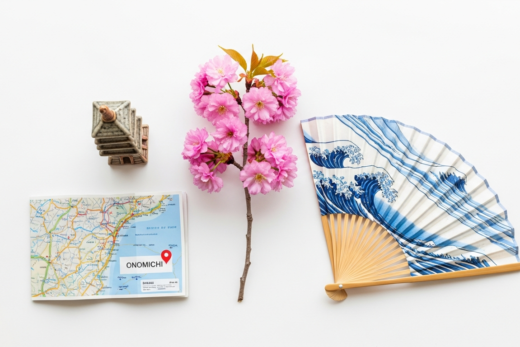
While Hiroshima offers profound historical insights, extending your journey eastward along the Seto Inland Sea will bring you to the charming port town of Onomichi. Known for its winding temple paths, scenic hills, and vibrant arts scene, Onomichi provides a delightful contrast to the solemnity of Hiroshima.
- What To Do In Onomichi Japan: Onomichi is a town that invites exploration on foot. Its famous Temple Walk leads you through a labyrinth of narrow lanes, past ancient temples, and up to scenic viewpoints offering panoramic vistas of the Seto Inland Sea. Discover quirky cafes, independent bookstores, and art galleries nestled among historic buildings. The town’s relaxed pace and artistic atmosphere make it a perfect escape for a day or two. From exploring the literary museum to riding the ropeway up Mount Senkoji, there’s a unique charm awaiting every visitor.
- Onomichi Photography Spots: For those passionate about capturing unique perspectives, Onomichi is a photographer’s dream. The town’s hilly terrain creates dramatic backdrops, with traditional houses clinging to slopes overlooking the sparkling sea. Mount Senkoji Park offers iconic shots of the cityscape, the Onomichi Channel, and the countless islands dotting the Seto Inland Sea. Golden hour provides particularly magical light, enhancing the beauty of its temples and narrow alleys. Every corner seems to reveal a picturesque scene, perfect for adding to your travel portfolio.
A Detour to Setoda: Kosanji Temple’s Eclectic Charm
When planning your broader exploration of the Chugoku region or island hopping in the Seto Inland Sea, consider a day trip to Ikuchijima Island to experience the unique and vibrant Setoda Kosanji Temple Guide. Located in Setoda, a town that’s part of Onomichi City but on Ikuchijima Island (accessible via the Shimanami Kaido cycling route or ferry), Kosanji Temple is an extraordinary and somewhat eccentric Buddhist temple complex. Built by a wealthy businessman over 30 years as a tribute to his mother, it features replicas of famous Japanese temples and a fascinating marble garden called “The Hill of Hope.” Its eclectic architecture and vibrant colors make it a truly one-of-a-kind cultural experience, offering a different facet of Japanese religious art and devotion. It’s a memorable stop for anyone traversing the Shimanami Kaido or exploring the islands.
By extending your itinerary beyond the immediate vicinity of Hiroshima Castle, you can weave together a rich narrative of history, peace, natural beauty, and unique cultural experiences across the captivating Chugoku region.
Planning Your Trip to Hiroshima and Beyond
Crafting the perfect itinerary for your 2026 trip to Hiroshima and its surrounding region involves considering the best time to visit, smart travel strategies, and how to maximize your experience. Here are some tips to help you plan an unforgettable journey.
Best Time to Visit Hiroshima Castle and the Region
The Chugoku region, including Hiroshima, offers distinct charms throughout the year, but some seasons are particularly ideal for visiting Hiroshima Castle and its outdoor attractions:
- Spring (March to May): This is arguably the most popular time to visit. Late March to early April sees Hiroshima Castle’s grounds burst into spectacular cherry blossoms, creating a breathtaking backdrop. Temperatures are mild and pleasant, perfect for walking and exploring. However, expect larger crowds and higher accommodation prices during this peak season.
- Autumn (October to November): Another fantastic time, characterized by crisp, clear weather and stunning autumn foliage. The trees around Hiroshima Castle and within Shukkei-en Garden display vibrant reds, oranges, and golds. Crowds are generally manageable, and temperatures are comfortable for sightseeing.
- Summer (June to August): Summers can be hot and humid, with a higher chance of rain, particularly in June (tsuyu, the rainy season). However, if you don’t mind the heat, you’ll find fewer crowds at indoor attractions. Summer festivals can also add a lively dimension to your visit.
- Winter (December to February): Winters are generally mild in Hiroshima compared to other parts of Japan, with occasional light snowfall. Crowds are minimal, and you can enjoy the attractions in relative tranquility. The crisp air offers clear views from the castle’s observation deck. Be aware of the castle’s shorter operating hours and New Year closures (December 29 – January 2, 2026).
Tips for a Fulfilling Visit to Hiroshima Castle
- Allocate Sufficient Time: To fully appreciate Hiroshima Castle, including its museum and grounds, plan for at least 2-3 hours. If you’re particularly interested in history or photography, you might want to allow more.
- Combine with Peace Memorial Park: As mentioned, Hiroshima Castle and the Peace Memorial Park are geographically close and offer complementary perspectives. Visiting both in one day, perhaps starting with the castle’s history and then moving to the peace park’s reflective atmosphere, provides a comprehensive understanding of Hiroshima’s past and present.
- Wear Comfortable Shoes: You’ll be doing a fair amount of walking, both within the castle grounds and if you choose to explore nearby attractions on foot.
- Consider a Guide: For a deeper dive into the castle’s history, consider hiring a local guide or joining a guided tour. Many volunteer guides are available, often for free, offering invaluable insights.
- Check for Events: The castle grounds occasionally host cultural events, festivals, or temporary exhibitions. Check the official website before your visit for any special happenings.
Regional Travel and Connectivity
Hiroshima serves as an excellent base for exploring the wider Chugoku region and the Seto Inland Sea. Japan’s efficient public transportation system makes it easy to venture out:
- JR Pass: If you plan extensive travel, a Japan Rail Pass can be a cost-effective option, covering your bullet train (Shinkansen) travel to and from Hiroshima, as well as local JR lines.
- Shinkansen (Bullet Train): Hiroshima is a major stop on the Sanyo Shinkansen line, connecting it quickly to cities like Osaka, Kyoto, and Fukuoka.
- Local Trains and Buses: Excellent local train networks and bus services connect Hiroshima to smaller towns like Onomichi and provide access to ferry terminals for island hopping.
- Setouchi Area Pass: For those focusing on the Seto Inland Sea region, including Onomichi and the Shimanami Kaido, a regional pass like the Setouchi Area Pass might be more economical than a full JR Pass.
By thoughtfully planning your visit to Hiroshima Castle and integrating it with other regional highlights, you’re set for an enriching and memorable Japanese adventure in 2026.
Conclusion: A Symbol of Resilience and Enduring Heritage
Hiroshima Castle, or Rijo, stands not merely as a collection of reconstructed walls and towers, but as a profound testament to the layered history and indomitable spirit of a city that has faced unimaginable adversity. From its strategic origins as the seat of powerful feudal lords like Mori Terumoto, Fukushima Masanori, and the enduring Asano clan, through its transformation into a vital military hub, to its tragic obliteration by the atomic bomb, the castle’s narrative mirrors the very trajectory of Japan itself. Its meticulous reconstruction in 1958, following decades of post-war recovery, serves as a powerful symbol of hope, resilience, and a deep respect for heritage.
A visit to Hiroshima Castle today offers a unique opportunity to step back in time, to walk the grounds where samurai once strode, and to understand the intricate details of feudal architecture and daily life. The museum within the main keep provides invaluable insights into this past, while the panoramic views from its top floor offer a striking perspective on modern Hiroshima, a city that has rebuilt itself with an unwavering commitment to peace. Yet, the castle’s story also serves as a crucial counterpoint to the city’s modern identity, reminding us of the cycles of conflict and peace that have shaped human history.
By exploring its historical significance, appreciating its architectural details, and understanding its role in the broader narrative of Hiroshima, visitors gain a richer, more nuanced understanding of this extraordinary city. Whether you are captivated by samurai lore, fascinated by Japan’s post-war recovery, or simply seeking a tranquil escape within the city, Hiroshima Castle promises a deeply rewarding experience. As you plan your journey for 2026, remember to embrace not just the castle’s individual story, but its vital connection to the broader region, from the solemn beauty of the Peace Memorial Park to the charming hills of Onomichi and the unique allure of Setoda Kosanji Temple. Hiroshima Castle is more than a destination; it is an invitation to engage with history, reflect on resilience, and celebrate the enduring spirit of Japan.
Frequently Asked Questions About Hiroshima Castle
What is the historical significance of Hiroshima Castle?
Hiroshima Castle, also known as Rijo (Carp Castle), holds significant historical importance as a prominent flatland castle (hirajiro) built in the late 16th century by Mori Terumoto. It served as a vital military and administrative center for the Mori, Fukushima, and most notably, the Asano clans for over 250 years, contributing to the development of Hiroshima as a major feudal domain. Its destruction by the atomic bomb in 1945 and subsequent reconstruction in 1958 make it a powerful symbol of Japan’s feudal past and the city’s incredible
Recommended Resources
You might also enjoy How To Find The Best Vacation Rental Deals from Vacation Rental Planners.
Related reading: Best Vacation Rental Sites 2026 (Vacation Rental Planners).