The Ultimate Guide to Cycling the Shimanami Kaido in Winter: Tips, Gear, and Local Secrets
The Shimanami Kaido is often hailed as the “Holy Land of Cyclists,” a breathtaking 60-kilometer route that leaps across six islands in the Seto Inland Sea, connecting Japan’s main island of Honshu to Shikoku. While most travelers flock to this scenic route during the cherry blossom season or the balmy days of autumn, there is a quiet, crystalline magic to cycling the Shimanami Kaido in winter. Imagine crisp, clear blue skies, the scent of ripening citrus heavy in the air, and the rare luxury of having world-class cycling paths almost entirely to yourself.
In winter, the Setouchi region experiences a microclimate that is significantly milder than the snowy peaks of Hokkaido or the biting winds of Tokyo. While the temperature drops, the region remains one of the sunniest in Japan, offering sharp, panoramic views of the “Setouchi Blue” waters that are often hazier in the summer heat. Whether you are starting your journey from the nostalgic slope-filled town of Onomichi or the shipbuilding hub of Imabari, a winter ride requires specific preparation but rewards you with a serene, meditative experience. This guide provides everything you need to plan your 2026 winter cycling adventure across the Shimanami Kaido.
1. Why Winter is a Hidden Gem Season for the Shimanami Kaido
Many travelers hesitate to book a cycling trip between December and February, fearing the cold. However, the Shimanami Kaido in winter offers several distinct advantages that peak seasons lack. First and foremost are the **crowds—or lack thereof**. During the spring and autumn holidays, the bridges and narrow island paths can become congested with rental bikes. In winter, you can often cycle for miles without seeing another soul, allowing you to fully immerse yourself in the sound of the waves and the wind.
The **visibility** in winter is also unparalleled. Cold air holds less moisture, resulting in incredibly sharp views of the surrounding islands and the distant mountains of Shikoku. If you are a photographer, winter provides the best light of the year. Furthermore, winter is the peak season for the region’s famous **citrus fruits**. The islands are draped in orange and yellow as mikan (satsuma mandarins), lemons, and hassaku oranges ripen. You will find unattended roadside stalls selling bags of incredibly sweet fruit for just 100 or 200 yen—the perfect natural fuel for a cyclist. Finally, the region’s **onsets (hot springs)** feel significantly more rewarding after a day of pedaling in the cool air, providing a quintessential Japanese winter experience.
2. Essential Winter Gear and Layering Strategy
When cycling in the Setouchi region during winter, the key is managing your body temperature against the wind. While the air might be 8°C (46°F), the wind chill on the massive suspension bridges—which sit high above the water—can make it feel much colder.
3. Logistics: Bike Rentals and Luggage Forwarding
Starting your journey in Onomichi is the most popular choice. This charming port town is easily accessible via the Shinkansen (stop at Shin-Onomichi) or local lines.
4. Island Highlights: Where to Stop in Winter
The route takes you across six main islands: Mukaishima, Innoshima, Ikuchijima, Omishima, Hakatajima, and Oshima. Each has its own character, but certain stops are particularly suited for a winter itinerary.
5. Winter Fuel: Setouchi’s Culinary Delights
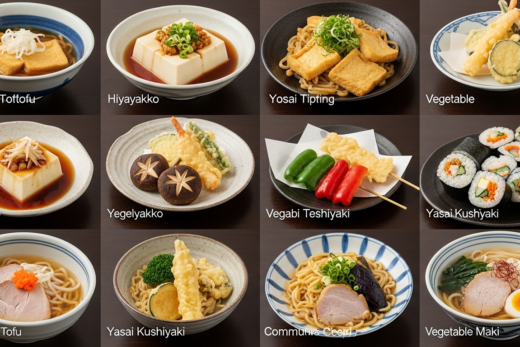
The cold weather brings out the best in the local cuisine. In the Setouchi region, winter is synonymous with **Hiroshima Oysters**. You will find them grilled, fried, or served in hot “Nabe” (hot pots). They are at their plumpest and most flavorful from December to February.
In Onomichi, start your day with a bowl of **Onomichi Ramen**. This soul-warming dish features a soy-based broth with fish stock and signature bits of back fat that keep the soup hot for longer—perfect for a pre-ride meal. For a quick snack, look for **Hassaku Daifuku**, a traditional rice cake filled with a whole segment of bitter-sweet Hassaku orange and white bean paste.
Lastly, hydration is just as important in winter as it is in summer. While you may not feel as thirsty, the dry winter air and physical exertion can lead to dehydration. Use the ubiquitous Japanese vending machines to buy “Hot Lemon” drinks or warm bottled tea to keep your core temperature up while staying hydrated.
6. Safety, Daylight, and Time Management
The most important logistical factor for a winter ride is the **shorter daylight hours**. In December and January, the sun sets around 5:00 PM.
FAQ: Cycling Shimanami Kaido in Winter
Q: Does it snow on the Shimanami Kaido?
A: It is rare. While the surrounding mountains might get a dusting, the islands themselves stay relatively mild. If it does snow, it rarely sticks to the coastal roads. However, if there is ice on the bridges, the path may be temporarily closed.
Q: Can I do the whole route in one day during winter?
A: Yes, it is doable for anyone with moderate fitness (approx. 5-7 hours of riding). However, with the shorter daylight, many people prefer to stay overnight on **Omishima** or **Ikuchijima** to enjoy the local guesthouses and hot springs without rushing.
Q: Are the rental shops open in winter?
A: Yes, the rental terminals and the Giant Store are open year-round, except for a few days around the New Year (Oshogatsu) holiday. Always check specific dates if you plan to ride between December 29th and January 3rd.
Q: What happens if I get too cold or tired to finish?
A: The Shimanami Kaido is very flexible. There are ferry ports on almost every island that can take you and your bike back to Onomichi or Imabari. There is also a “Shimanami Cycle Taxi” service, though it can be expensive.
Q: Is an e-bike worth the extra cost in winter?
A: Highly recommended. The winter winds can be unpredictable. An e-bike ensures that even if you face a headwind on the long bridges, you can maintain your schedule and stay warm through movement without exhausting yourself.
Conclusion: Planning Your 2026 Winter Adventure
Cycling the Shimanami Kaido is more than just an exercise in endurance; it is a cultural journey through the “Mediterranean of Japan.” In winter, the experience shifts from a bustling tourist activity to a serene, reflective passage through some of Japan’s most beautiful maritime landscapes.
To ensure your 2026 trip is a success, remember the golden rules: layer your clothing, start your day with the sun, and don’t skip the local citrus and seafood. By embracing the coolness of the season, you gain access to the clearest views, the quietest roads, and the most comforting hot springs the region has to offer. Whether you are a seasoned cyclist or a casual traveler, the Shimanami Kaido in winter is a bucket-list experience that proves the best path isn’t always the one everyone else is taking. Pack your gloves, follow the blue line, and discover the quiet side of Setouchi.