Discovering the Allure of the Bingo Region: Hiroshima’s Eastern Jewel
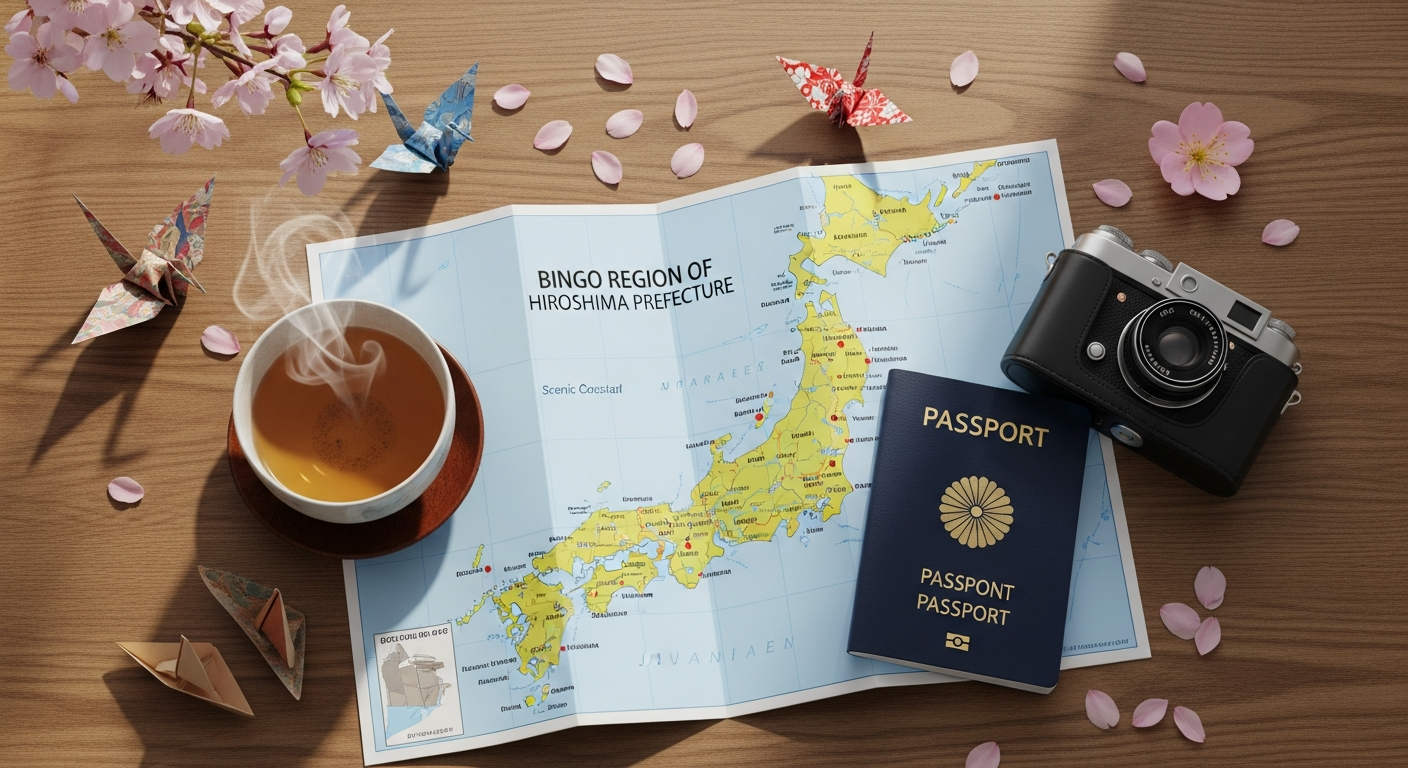
The Bingo region, historically known as Bingo Province, encompasses the eastern half of modern-day Hiroshima Prefecture, extending towards Okayama. While Hiroshima City draws visitors with its poignant history and vibrant urban life, the Bingo region presents a different narrative—one of ancient maritime trade, feudal lords, artistic inspiration, and a deep connection to the tranquil Seto Inland Sea. It is an area where traditional Japan flourishes, offering a slower pace of travel that invites deeper engagement with its landscapes and people. From the dramatic island-dotted vistas that unfold along the Shimanami Kaido to the charming, winding alleys of its historic towns, the Bingo region promises a rich tapestry of experiences for every type of traveler. This area is not just a destination; it’s an immersion into a quintessential Japanese heartland, making it a prime target for those looking to diversify their Hiroshima itinerary and truly experience the breadth of the prefecture’s offerings.
What sets the Bingo region apart is its incredible diversity. Here, you can cycle across suspension bridges connecting islands, wander through ancient temple towns, explore beautifully preserved samurai residences, and savor fresh seafood caught just hours before. The region has inspired countless artists and writers, drawn by its unique light, its gentle pace, and its harmonious blend of human endeavor and natural beauty. It’s a place where every turn reveals a new vista, a hidden shrine, or a welcoming local eatery. For those planning a trip in 2026, understanding the distinct character of the Bingo region is the first step toward crafting an itinerary that maximizes its unique appeal, ensuring your Bingo region Hiroshima travel adventure is both enriching and unforgettable.
Onomichi: The Quintessential Gateway to Bingo’s Charms
At the very heart of the Bingo region lies Onomichi, a city renowned for its steep slopes, winding alleys, ancient temples, and its undeniable artistic soul. Often serving as the starting point for the famous Shimanami Kaido cycling route, Onomichi is far more than just a transit hub; it is a destination unto itself, brimming with character and offering a wealth of activities that define the very essence of What To Do In Onomichi Japan.
One of the most iconic experiences in Onomichi is the Temple Walk. This historic path weaves through 25 temples scattered across the hillsides overlooking the Seto Inland Sea. Starting near Onomichi Station, the walk guides you past centuries-old structures like the striking Senkoji Temple, perched high above the city, offering panoramic views. As you ascend, you’ll encounter smaller, equally charming temples, traditional houses, and art installations. The ascent to Senkoji Park is particularly rewarding, providing not only spiritual solace but also breathtaking vistas that are a dream for photographers.
Speaking of photography, Onomichi is a veritable paradise for those seeking unique shots. For unparalleled Onomichi Photography Spots, the observation deck at Senkoji Park is a must-visit, especially at sunrise or sunset when the sky paints the Seto Inland Sea and its numerous islands in a spectrum of colors. The narrow, stone-paved alleys, often adorned with traditional wooden houses and blooming flowers, offer endless opportunities for capturing the city’s charming streetscapes. Don’t miss the whimsical “Cat Alley” (Neko no Hosomichi), a narrow path filled with cat-themed art, statues, and real feline residents, providing quirky and endearing photo opportunities. The views from the Literature Path, which runs alongside the Temple Walk, offer different perspectives of the city and its bay, framed by cherry blossoms in spring or vibrant foliage in autumn.
Beyond its visual appeal, Onomichi is a cultural hub. The city has long attracted writers, artists, and filmmakers, whose influence can be felt in its numerous museums, galleries, and independent shops. The Onomichi City Museum of Art, designed by Tadao Ando, is another notable spot, offering cultural enrichment alongside stunning architecture. No visit to Onomichi would be complete without savoring its culinary specialty: Onomichi Ramen. This distinct soy-sauce-based broth, often featuring a rich pork backfat topping and thin, flat noodles, is a local delicacy found in numerous eateries throughout the city. Each shop boasts its unique rendition, inviting a delicious exploration of this beloved dish.
Whether you’re exploring its historic temples, capturing its scenic beauty, or indulging in its local flavors, Onomichi provides a rich and authentic Japanese experience that perfectly encapsulates the spirit of Bingo region Hiroshima travel. It’s a place where history, art, and nature converge, creating a truly unforgettable destination.
Cycling Paradise: The Shimanami Kaido and the Charms of Innoshima
Innoshima, the second island crossed when departing from Onomichi, offers a fascinating journey into Japan’s maritime past and present. Our dedicated Innoshima Japan Travel Guide highlights its historical significance as a stronghold for the Murakami Suigun (Murakami Pirate Clan), a powerful naval force during Japan’s feudal era. The island’s most prominent historical site is the Innoshima Suigun Castle, a reconstruction built on the site of a former pirate fortress. Inside, a museum vividly recounts the history of the Murakami clan, displaying artifacts and weaponry that bring their seafaring legacy to life. The castle itself, surrounded by water, provides picturesque views and a tangible connection to Innoshima’s swashbuckling past.
Beyond its pirate history, Innoshima is famed for its abundant citrus fruits. The island’s mild climate and fertile soil are ideal for cultivating a wide variety of mikan (mandarins), lemons, and other citrus. Visitors in season can enjoy fresh fruit, citrus-infused products, and even pick their own at local farms. The Innoshima Flower Center is another delightful stop, showcasing seasonal blooms and offering a peaceful respite amidst vibrant flora. For those seeking relaxation, several beautiful beaches dot Innoshima’s coastline, perfect for a leisurely break from cycling or simply enjoying the tranquil waters of the Seto Inland Sea.
Cycling on Innoshima is a joy, with well-marked paths leading past citrus groves, charming villages, and stunning coastal vistas. The Innoshima Ohashi Bridge, connecting Innoshima to Mukaijima (the first island from Onomichi), is an engineering marvel and offers spectacular views of the surrounding islands. Bicycle rental facilities are readily available in Onomichi and on the islands, catering to all skill levels, from casual riders to seasoned cyclists. Many rental shops offer electric-assist bicycles, making the journey accessible and enjoyable for everyone. For those not keen on cycling the entire route, partial cycling or island hopping by ferry are excellent alternatives, allowing you to soak in the beauty and unique atmosphere of islands like Innoshima at your own pace.
Exploring Innoshima and the broader Shimanami Kaido is an essential component of any comprehensive Bingo region Hiroshima travel itinerary. It offers a unique blend of adventure, history, and natural beauty, creating memories that will last a lifetime.
Fukuyama: Castle Grandeur, Rose Gardens, and Urban Elegance
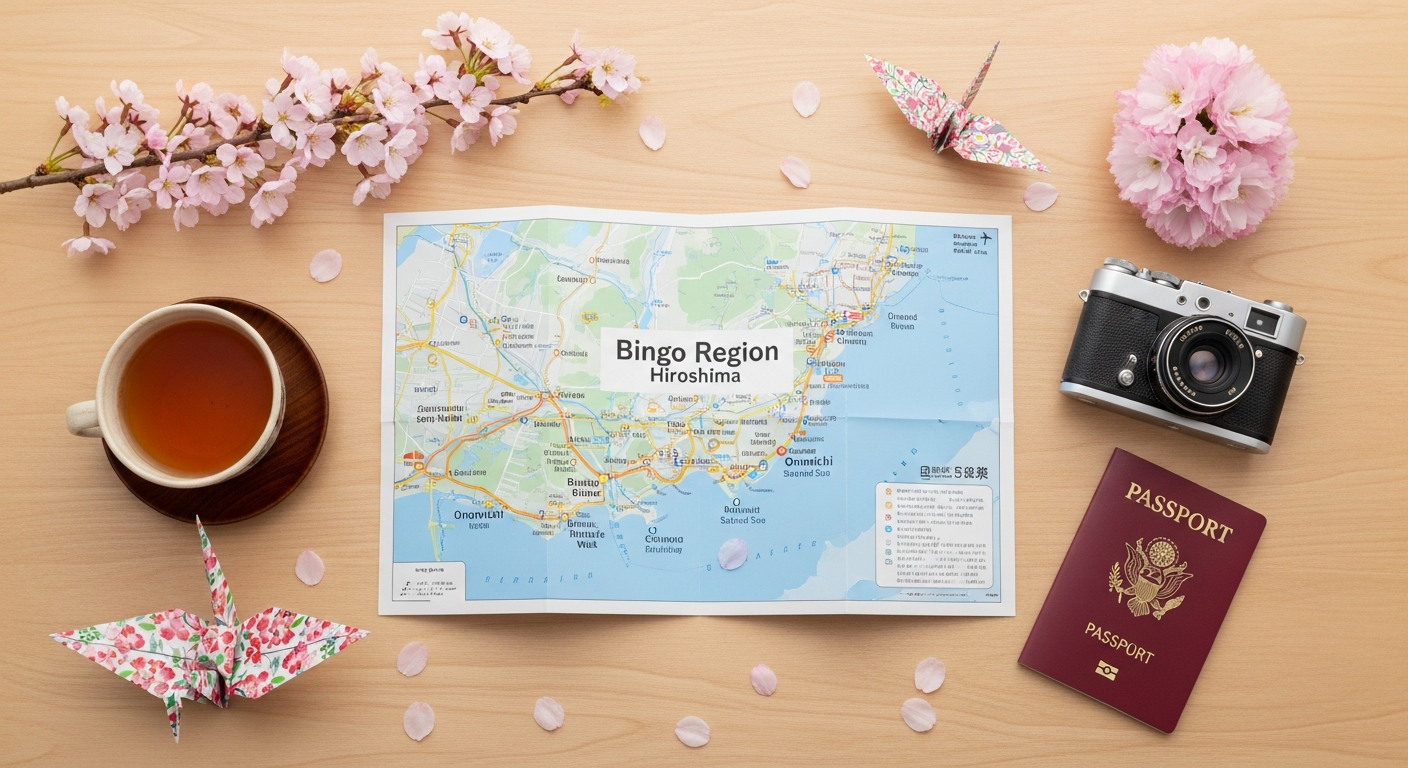
Further east into the Bingo region, beyond the coastal charm of Onomichi and the islands, lies Fukuyama, a bustling city that beautifully blends historical grandeur with modern urban life. As the second-largest city in Hiroshima Prefecture, Fukuyama offers a different facet of Bingo region Hiroshima travel, characterized by its impressive castle, vibrant rose gardens, and a rich cultural scene.
The undisputed centerpiece of Fukuyama is Fukuyama Castle. Originally built in 1622 by Mizuno Katsunari, a cousin of Tokugawa Ieyasu, the castle served as a strategic stronghold and the administrative heart of the Bingo region. Although heavily damaged during World War II, its main keep was meticulously reconstructed in 1966, precisely 350 years after its initial construction, and stands proudly adjacent to Fukuyama Station. In 2022, on its 400th anniversary, the castle underwent further restoration, restoring its exterior to its Edo-period appearance with black iron plates, creating a striking visual impact. Inside, the castle houses a museum detailing its history and the history of Fukuyama, offering a fascinating glimpse into feudal Japan. The castle grounds are particularly beautiful during cherry blossom season, attracting visitors with their delicate pink blooms against the backdrop of the formidable keep.
Fukuyama is also famously known as the “City of Roses.” The city began planting roses after the devastation of World War II as a symbol of hope and recovery. Today, the Fukuyama Rose Park is a magnificent spectacle, home to over 280 varieties and 5,500 rose bushes, making it one of Japan’s largest rose gardens. The park hosts the annual Fukuyama Rose Festival in mid-May, drawing crowds with its vibrant displays, fragrant blooms, and festive atmosphere. Even outside the festival, the park offers a tranquil and fragrant escape, a testament to the city’s resilience and its commitment to beauty.
Beyond its castle and roses, Fukuyama provides a gateway to other cultural experiences. The Fukuyama Museum of Art, located near the castle, features a diverse collection of Japanese and international art. The city’s shopping streets offer a mix of traditional goods and modern retail, while its culinary scene presents opportunities to sample local delicacies alongside contemporary dining. As a major transportation hub, Fukuyama is easily accessible by Shinkansen (bullet train), making it a convenient stop or base for exploring the wider Bingo region. Whether you’re a history buff, a nature lover, or simply seeking a vibrant urban experience within the tranquil Bingo landscape, Fukuyama offers a compelling reason to extend your Bingo region Hiroshima travel itinerary.
Tomonoura: A Timeless Port Town of Serene Beauty
Nestled along the coast of the Bingo region, just a short journey from Fukuyama, lies Tomonoura, a historic port town that feels wonderfully preserved in time. With its picturesque harbor, traditional wooden buildings, and a serene atmosphere, Tomonoura offers a distinct charm that makes it an unmissable destination for those seeking an authentic glimpse into old Japan during their Bingo region Hiroshima travel. Its timeless beauty has captivated artists, writers, and filmmakers for centuries, famously inspiring scenes in Hayao Miyazaki’s “Ponyo” and featuring in Hollywood productions like “The Wolverine.”
The heart of Tomonoura is its well-preserved harbor, dominated by the iconic Joyato Lighthouse, a stone lantern lighthouse dating back to the Edo period. This lighthouse, with its classic design, has become a symbol of the town and is one of Japan’s few remaining Edo-period lighthouses still in use. Wandering around the harbor, you’ll see traditional fishing boats, local residents going about their daily lives, and a general sense of tranquility that is increasingly rare in modern Japan. The narrow, winding streets behind the harbor are lined with historic merchant houses, temples, and shrines, inviting visitors to explore at a leisurely pace.
One of Tomonoura’s most significant historical sites is the Ota House, a beautifully preserved residence of a wealthy merchant family that once prospered from the production of homeishu, a medicinal liqueur unique to Tomonoura. The house, with its elegant architecture and tranquil garden, offers a fascinating insight into the lifestyle of affluent Edo-period merchants. Nearby, the Fukuzenji Temple’s Taichoro guest hall offers unparalleled views of the Seto Inland Sea, including Bentenjima and Sensuijima islands, which are said to be the most beautiful views in the region. The view from Taichoro has historically been praised by Korean envoys and Japanese intellectuals alike, cementing Tomonoura’s reputation as a place of profound scenic beauty.
For those interested in local culture, Tomonoura is also known for its traditional fishing methods, particularly the Taiami (sea bream net fishing), which is performed using traditional techniques from May to mid-June. While viewing the actual fishing might require specific timing, the town’s numerous seafood restaurants offer fresh catches from the Seto Inland Sea year-round, allowing visitors to savor the flavors of the region. The local specialty, homeishu, is also available for tasting and purchase, serving as a unique souvenir.
Tomonoura is a place where time seems to slow down, allowing visitors to immerse themselves in its rich history and stunning natural surroundings. It perfectly embodies the peaceful and culturally rich experiences that define the best of Bingo region Hiroshima travel, offering a serene contrast to the more energetic pace of other destinations.
Culinary Delights of the Bingo Region: A Taste of Setouchi
No journey through the Bingo region would be complete without indulging in its rich and diverse culinary landscape. Influenced by its coastal proximity to the Seto Inland Sea and its fertile agricultural lands, the Bingo region offers a tantalizing array of flavors that are deeply rooted in local tradition and fresh, seasonal ingredients. For food enthusiasts planning their Bingo region Hiroshima travel in 2026, preparing for a delightful gastronomic adventure is a must.
The undisputed king of the Bingo region’s culinary scene is Onomichi Ramen. This beloved noodle dish, distinct from other regional ramen varieties, features a soy-sauce-based broth, often enriched with a generous layer of pork backfat (seabura) that adds a unique richness and depth of flavor. Served with thin, flat noodles and usually topped with pork chashu, green onions, and bamboo shoots, Onomichi Ramen is a staple of the city. Numerous ramen shops dot the streets of Onomichi, each with its own loyal following and subtle variations, inviting visitors on a delicious quest to find their favorite bowl. It’s an experience that perfectly encapsulates the local flavor and spirit.
Given its prime location along the Seto Inland Sea, fresh seafood is another highlight of the Bingo region. The calm, nutrient-rich waters yield an abundance of delectable marine life. From succulent oysters (especially in winter) to a variety of white fish, sea bream (tai), octopus, and shrimp, the seafood here is exceptionally fresh and prepared with skill. Restaurants in Onomichi, Tomonoura, and even on the islands of the Shimanami Kaido serve exquisite sashimi, grilled fish, and local seafood stews, offering a true taste of the Setouchi bounty. Tai no Ochazuke, a dish of sea bream served over rice with hot tea or broth, is a particular specialty of Tomonoura, offering a delicate and comforting flavor.
The islands of the Seto Inland Sea, particularly Innoshima and Ikuchijima, are renowned for their citrus fruits. Mandarins (mikan), lemons, and various other citrus varieties thrive in the mild climate, producing incredibly flavorful and aromatic fruits. These are not only enjoyed fresh but also incorporated into a wide range of local products, from refreshing juices and marmalades to unique sweets and even local sake and liqueurs. A visit during citrus season (typically autumn through winter) allows for direct sampling and the purchase of these delightful fruits.
Beyond these mainstays, the Bingo region also offers local sake breweries, producing nuanced Japanese rice wine that pairs perfectly with the local cuisine. Traditional sweets, often made with local ingredients, provide a delightful end to any meal. Exploring the culinary offerings of the Bingo region is an integral part of understanding its culture and truly enriching your travel experience.
Planning Your Unforgettable Bingo Adventure in 2026
Embarking on a journey through the Bingo region promises an enriching and authentic Japanese experience. To ensure your Bingo region Hiroshima travel is as smooth and enjoyable as possible, careful planning is key, especially when considering the best time to visit and navigating the region’s diverse offerings in 2026.
Best Time to Visit:
The Bingo region shines brightest during spring (March to May) and autumn (October to November). Spring brings mild temperatures perfect for cycling the Shimanami Kaido and witnessing the breathtaking cherry blossoms, particularly around Fukuyama Castle and Senkoji Park in Onomichi. Autumn offers comfortable weather for outdoor activities, vibrant fall foliage, and the harvest season for many local delicacies. Summer (June to September) can be hot and humid, but it’s ideal for enjoying the beaches on the Seto Inland Sea islands and participating in local festivals. Winter (December to February) is quieter, offering a more serene experience and opportunities to savor seasonal seafood like oysters, though some attractions might have reduced hours.
Getting There and Around:
The Bingo region is remarkably accessible. Fukuyama Station is a major stop on the Sanyo Shinkansen line, connecting directly to Hiroshima, Osaka, Kyoto, and Tokyo, making it an excellent gateway. From Fukuyama, local JR trains and buses connect to Onomichi and Tomonoura. Onomichi itself is also accessible by local JR trains from Hiroshima City. For exploring the Shimanami Kaido, Onomichi serves as the primary starting point, with numerous bicycle rental shops conveniently located near the station. While public transport is efficient, renting a car can offer more flexibility, especially for exploring rural areas or lesser-known spots within the Bingo region. Consider the “Setouchi Area Pass” for cost-effective train travel if you plan to explore a wider area of the Seto Inland Sea region.
Accommodation:
The Bingo region offers a range of accommodation options. In Onomichi, you’ll find charming guesthouses, boutique hotels, and ryokan (traditional inns), many with stunning views of the harbor. Fukuyama offers a selection of business hotels and some larger establishments. For a truly unique experience, consider staying in a traditional minshuku (family-run inn) on one of the Shimanami Kaido islands, offering a taste of local hospitality. Given the increasing popularity of the region, especially for cycling events and during peak seasons in 2026, it is highly advisable to book your accommodations well in advance.
Itinerary Suggestions:
A minimum of 3-5 days is recommended to comfortably explore the highlights of the Bingo region. A possible itinerary could include:
- Day 1: Arrive in Onomichi, explore the Temple Walk, Senkoji Park, and Cat Alley. Enjoy Onomichi Ramen for dinner.
- Day 2: Cycle a portion of the Shimanami Kaido, focusing on Mukaijima and Innoshima. Explore Innoshima Suigun Castle and its citrus farms (refer to our Innoshima Japan Travel Guide for details).
- Day 3: Travel to Fukuyama, visit Fukuyama Castle and the Rose Park.
- Day 4: Day trip to Tomonoura from Fukuyama, explore the historic port, Ota House, and enjoy fresh seafood.
- Day 5: Depart or explore other local attractions based on interest.
Remember to pack comfortable walking shoes, and if cycling, appropriate gear. Japanese hospitality is renowned, so embrace local customs and enjoy the warmth of the people you meet. By planning thoughtfully, your Bingo region Hiroshima travel in 2026 will be an unforgettable journey into the heart of authentic Japan.
Frequently Asked Questions
Recommended Resources
Learn more about this topic in How To Plan A Last Minute Vacation at Vacation Rental Planners.
Learn more about this topic in Travel Checklist Before You Leave Home at Vacation Rental Planners.