


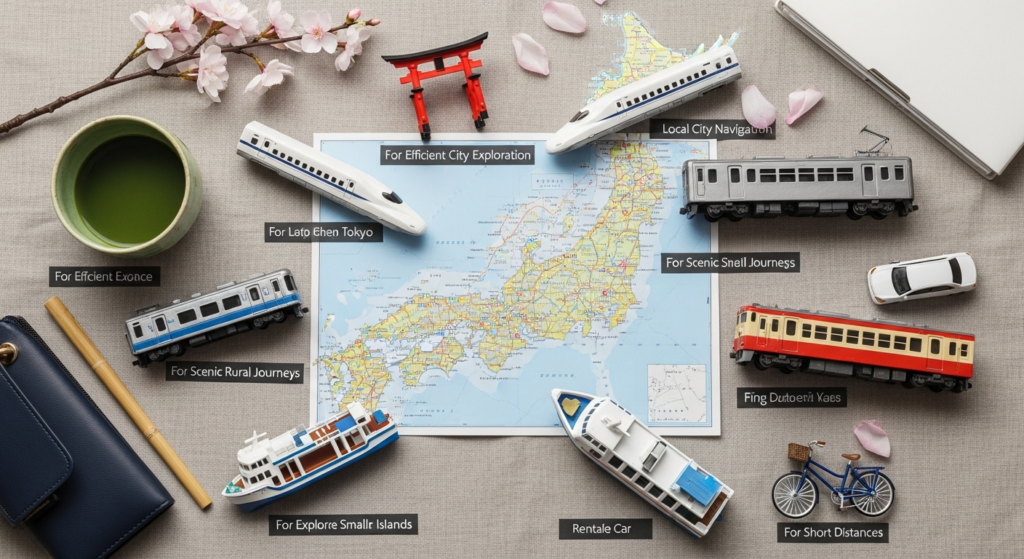
Seamless City Exploration: Navigating Urban Japan with Grace
When you find yourself amidst the vibrant pulse of Japanese cities, whether it’s the charming slopes of Onomichi or the sprawling metropolis of Hiroshima, efficient urban transportation becomes your best friend. The beauty of Japanese cities lies in their walkability and incredibly well-integrated public transport systems. For short distances, there’s truly nothing like walking. It allows you to stumble upon hidden shrines, quaint cafes, and local shops that you’d otherwise miss. In Onomichi, for instance, the Temple Walk is an iconic experience best savored on foot, revealing panoramic views and ancient history with every step. Don’t underestimate the power of simply strolling; it’s often the most authentic way to connect with a place.
For slightly longer jaunts, or when your feet need a break, the local bus network is extensive and reliable. Buses in Japan are known for their punctuality and cleanliness, offering a window into local life as you traverse different neighborhoods. Payment is usually straightforward, either with exact change or, more commonly and conveniently, with an IC card like Suica, Pasmo, or ICOCA (which is prevalent in the Hiroshima region). Just tap on when you board and tap off when you alight. Keep an eye out for special loop buses designed for tourists, often connecting major attractions with ease and sometimes offering multi-day passes that can save you a few yen.
In larger cities like Hiroshima, trams (streetcars) offer a wonderfully nostalgic and efficient way to get around. The Hiroshima Electric Railway (Hiroden) is a particularly famous example, with a mix of modern and classic trams crisscrossing the city, connecting major landmarks including Hiroshima Station, the Peace Memorial Park, and Miyajima-guchi. Riding a tram provides a different perspective of the cityscape, a slower, more observational pace than the subway, allowing you to absorb the urban environment as it unfolds outside your window. Much like carefully planning the user interface for an application, understanding the tram lines and stops is key to navigating these cities effectively. Indeed, just as your guide to developing a Shopify app emphasizes structured planning and attention to detail, mastering Japan’s urban transport systems requires a similar strategic approach to truly unlock their potential and ensure smooth transitions between destinations.
And let’s not forget the quintessential Japanese urban experience: cycling. Onomichi, in particular, is renowned as the gateway to the Shimanami Kaido, a cyclist’s paradise. But even within the city, renting a bicycle can be an exhilarating way to explore. Many hotels and local shops offer rentals, providing you with the freedom to explore at your own pace, discover charming backstreets, and enjoy the refreshing sea breeze. It’s an active, eco-friendly, and often surprisingly quick way to cover ground, especially in less congested areas.
Inter-City Marvels: Bridging Distances with Speed and Comfort

When your journey takes you beyond the confines of a single city, Japan’s inter-city transportation options truly shine. At the pinnacle of this efficiency is the legendary Shinkansen (bullet train). Traveling at speeds up to 320 km/h (200 mph), the Shinkansen is not just a mode of transport; it’s an experience in itself. The Nozomi, Hikari, and Kodama services on the Tokaido and Sanyo Shinkansen lines connect major hubs like Tokyo, Kyoto, Osaka, and Hiroshima with incredible speed and comfort. Imagine sipping a bento box meal as the stunning Japanese countryside whizzes by, arriving at your destination feeling refreshed and ready to explore. For many travelers, the Japan Rail Pass can be an excellent value, offering unlimited travel on JR lines, including most Shinkansen services (though typically not the fastest Nozomi trains).
For those who prefer a more leisurely pace or are looking for budget-friendly alternatives, long-distance buses are an excellent choice. Night buses, in particular, can save you the cost of a night’s accommodation and allow you to wake up in a new city ready for adventure. Services like Willer Express and JR Bus offer comfortable seats, sometimes even with privacy curtains and charging ports, making the overnight journey surprisingly pleasant. While slower than the Shinkansen, they often offer direct routes to destinations not easily accessible by train and provide a different perspective of Japan’s highways and landscapes. For example, reaching some of the more remote, yet incredibly rewarding, spots in the Seto Inland Sea region might involve a scenic bus journey after a train ride.
For truly vast distances or when time is of the essence, domestic flights are a viable option. Major airlines like JAL and ANA operate extensive networks, connecting cities like Tokyo and Osaka to regional airports such as Hiroshima Airport (HIJ). While less romantic than a train journey, a flight can drastically cut down travel time, especially if you’re traversing the length of the country. Keep an eye out for special tourist fares offered by these airlines, which can make domestic flights surprisingly affordable. Sometimes, connecting to a remote island or a distant region efficiently makes flying the sensible choice, much like identifying the most direct route to a specific goal when you’re exploring the 5 reasons to visit Alabama for a unique travel experience.
Finally, the extensive network of JR local and rapid trains offers a fantastic balance of speed, cost, and access. While not as fast as the Shinkansen, these trains connect smaller towns and cities, providing a deeper look into regional Japan. They are perfect for day trips from a major hub, allowing you to explore charming locales like Takehara, known as “Little Kyoto,” or the historic port town of Kure from Hiroshima. The efficiency and punctuality are still hallmarks of these services, making them a reliable backbone for any itinerary.
Scenic Routes & Regional Adventures: Unlocking Hidden Gems
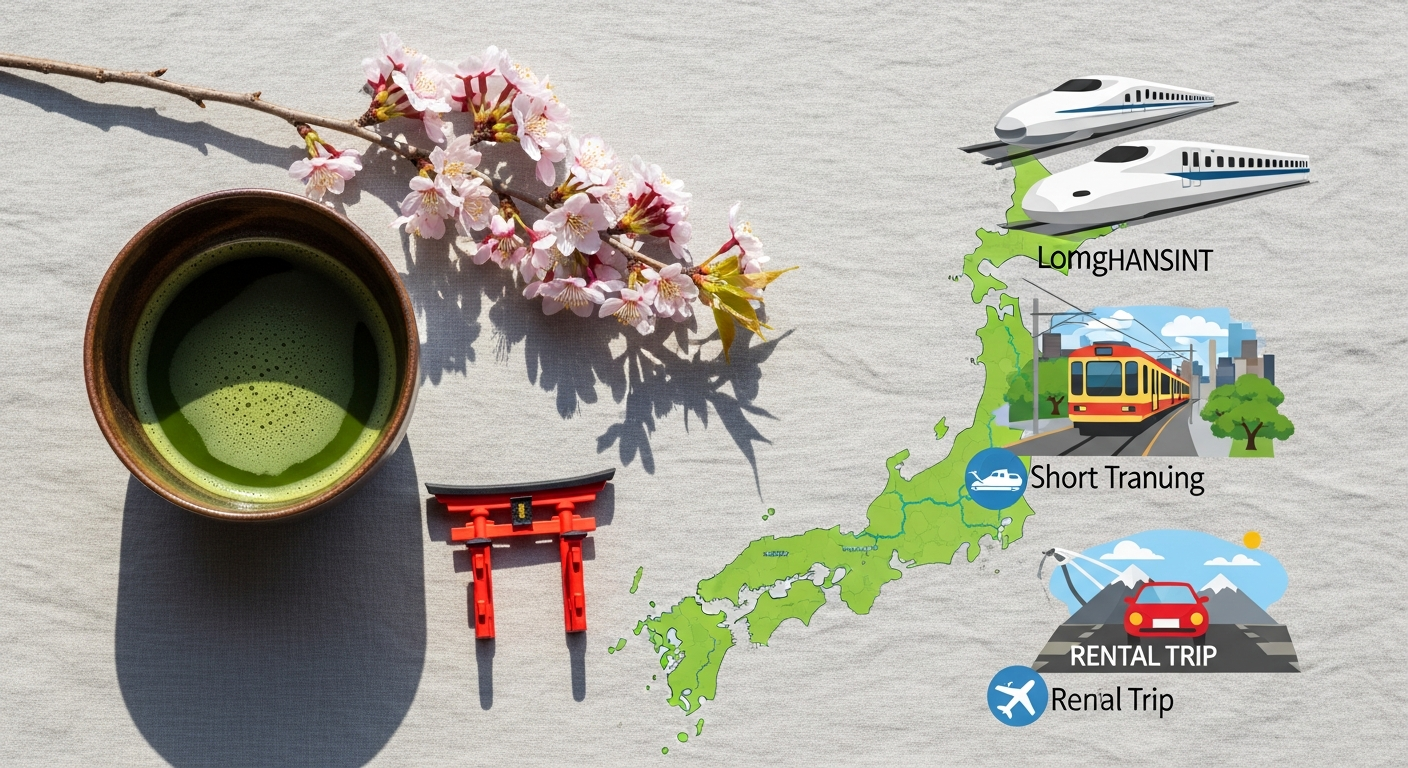
For ultimate flexibility and access to the most remote corners, a rental car becomes an invaluable asset. While urban driving in Japan can be challenging due to narrow streets and complex parking, exploring rural prefectures like Hiroshima by car opens up a world of possibilities. Imagine driving along the enchanting coastline of the Setouchi region, stopping at artisan workshops, secluded beaches, and mountaintop observatories at your leisure. The Shimanami Kaido, while famous for cycling, can also be partially explored by car, allowing you to visit specific islands and viewpoints that might be harder to reach solely by bike or public transport. Renting a car also makes it easier to visit places like the beautiful Sandankyo Gorge or the serene countryside around Miyoshi, where public transport might be infrequent.
However, driving in Japan requires some considerations: you’ll need an International Driving Permit, and be prepared for left-hand traffic. Many rental cars come with English GPS systems, which are incredibly helpful. Having your own vehicle means you can create truly personalized itineraries, stopping whenever a captivating vista or a charming roadside attraction catches your eye. This freedom to explore at your own pace, creating unique memories, is one of the 5 ways to turn any trip into a romantic getaway, offering shared adventures and spontaneous detours that strengthen bonds