Why Onomichi in 2026? A Timeless Charm with Modern Appeal
Onomichi stands as a testament to Japan’s enduring beauty, a city where the past gracefully intertwines with the present. For those seeking an authentic cultural immersion in 2026, Onomichi presents an unparalleled opportunity. Its dramatic landscape, characterized by narrow, winding lanes that ascend steep hillsides dotted with ancient temples, offers a panoramic vista of the sparkling Seto Inland Sea. This unique topography has not only shaped its physical appearance but also its soul, fostering a creative spirit that has attracted writers, artists, and filmmakers for generations. While many Japanese cities modernize at a rapid pace, Onomichi retains a charming, nostalgic atmosphere, making it a perfect escape for travelers yearning for a glimpse into a bygone era while still enjoying contemporary comforts and conveniences.
The allure of Onomichi in 2026 lies in its ability to offer diverse experiences within a compact, walkable area. Whether you’re a history buff eager to explore centuries-old temples, an art enthusiast seeking inspiration in unique galleries, a cyclist ready to embark on an epic island-hopping adventure, or simply a traveler looking to unwind amidst stunning scenery, Onomichi caters to all. The city’s commitment to preserving its heritage while subtly embracing innovation means that visitors in 2026 can expect well-maintained historical sites, a thriving local food scene, and a welcoming community. Its strategic location as the gateway to the Shimanami Kaido also positions it as an ideal base for exploring the wider Seto Inland Sea region, making it a pivotal stop on any comprehensive Japan itinerary. Prepare to be enchanted by Onomichi’s understated elegance and discover why it remains one of Japan’s most beloved hidden gems.
Navigating Onomichi: Getting There and Getting Around
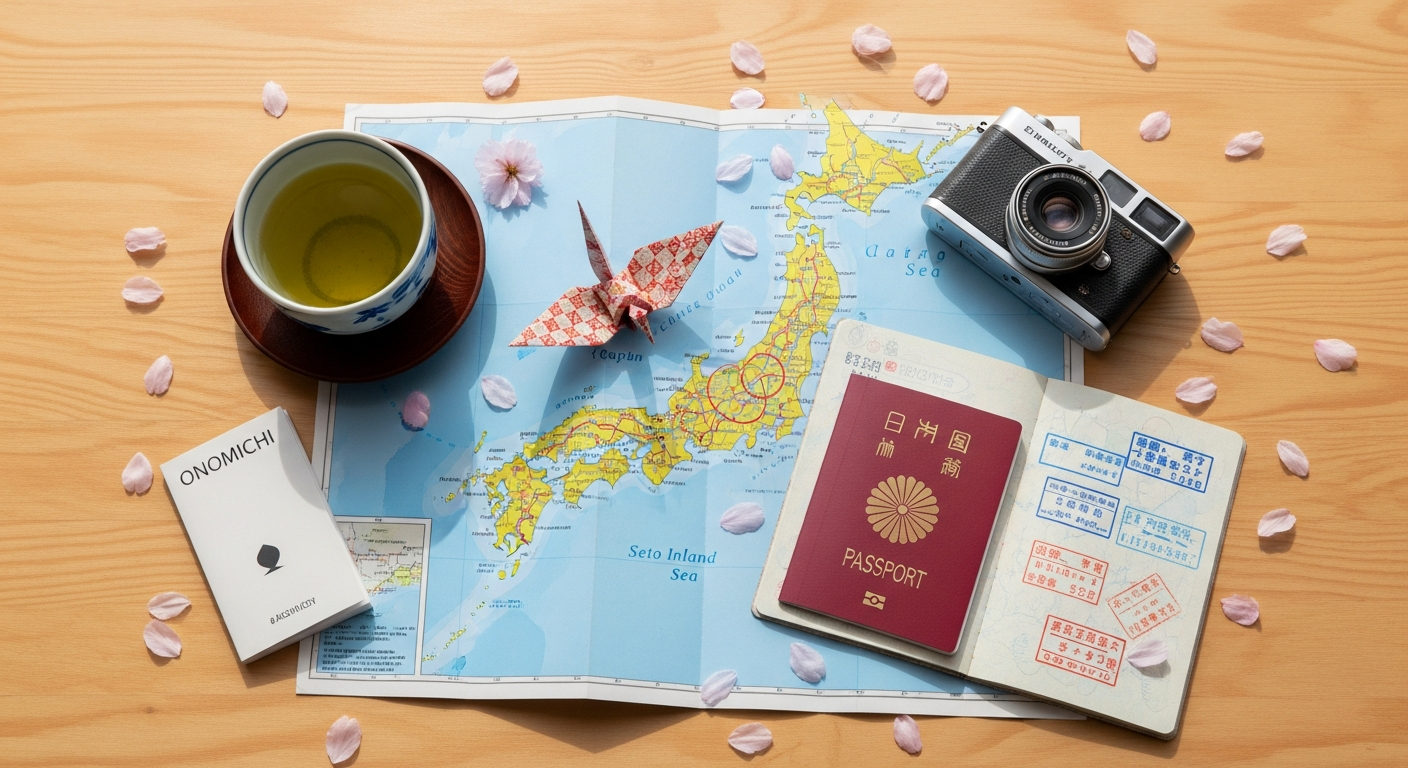
Reaching Onomichi in 2026 is straightforward, thanks to Japan’s efficient transportation network, making it an accessible destination for all travelers. The city is strategically located in Hiroshima Prefecture, making it a convenient stop for those exploring western Japan.
Getting to Onomichi
- By Shinkansen (Bullet Train): The fastest way to reach the vicinity of Onomichi is via the Sanyo Shinkansen line. You’ll arrive at Shin-Onomichi Station. From Shin-Onomichi, you can take a local bus (approximately 15 minutes) or a taxi (approximately 10 minutes) directly to Onomichi Station, which is the heart of the city and close to most attractions and accommodations. Alternatively, many travelers opt to take the Shinkansen to Fukuyama Station or Mihara Station and then transfer to a local JR Sanyo Line train to Onomichi Station (approx. 15-20 minutes).
- From Major Cities:
- From Hiroshima: Take a local JR Sanyo Line train directly to Onomichi Station (approximately 1.5 hours) or a Shinkansen to Mihara or Fukuyama and transfer.
- From Osaka/Kyoto: Take the Sanyo Shinkansen to Fukuyama Station or Mihara Station, then transfer to a local JR Sanyo Line train to Onomichi Station. The total journey takes approximately 2-2.5 hours from Osaka.
- From Tokyo: Take the Tokaido-Sanyo Shinkansen to Fukuyama Station or Mihara Station, then transfer to a local JR Sanyo Line train. This journey typically takes 4-5 hours.
- By Air: The closest major airport is Hiroshima Airport (HIJ). From Hiroshima Airport, you can take a limousine bus to Mihara Station (approximately 35-40 minutes) and then transfer to a local JR Sanyo Line train to Onomichi Station (approximately 20 minutes).
Getting Around Onomichi
Once you’ve arrived in Onomichi, you’ll find that the city is wonderfully compact and best explored on foot, especially its iconic temple-filled hillsides.
- Walking: This is by far the most rewarding way to experience Onomichi. The famous Temple Walk (Senkoji Park area) is designed for pedestrians, with numerous signs guiding you through the labyrinthine alleys and up the sloping paths. Wear comfortable shoes, as there are many stairs and inclines.
- Onomichi Ropeway: For those who prefer to save their energy or simply enjoy panoramic views, the Onomichi Ropeway offers a scenic ascent to Senkoji Park. The lower station is conveniently located near Onomichi Station and the main shopping street. It’s an excellent way to start your Temple Walk at the top and then descend at your leisure.
- Local Buses: Onomichi has a local bus network, primarily operating along the waterfront and connecting key points like Onomichi Station, Shin-Onomichi Station, and the ferry terminal. While most central attractions are walkable, buses are useful for reaching destinations further afield or if you have heavy luggage.
- Cycling: As the starting point of the Shimanami Kaido, cycling is ingrained in Onomichi’s culture. You can rent bicycles from the Onomichi U2 complex or other rental shops. While the Shimanami Kaido is the main draw, you can also explore the city’s flatter areas by bike.
- Ferries: To reach the islands of the Seto Inland Sea, including those along the Shimanami Kaido like Innoshima and Ikuchijima (Setoda), frequent local ferries depart from the Onomichi Port, located a short walk from Onomichi Station. These ferries are an integral part of the local transportation system and offer delightful views of the islands.
Navigating Onomichi is part of its charm. Embrace the winding paths and the occasional uphill climb, and you’ll be rewarded with breathtaking views and a deeper connection to this unique Japanese city.
What To Do In Onomichi Japan: The Essential Itinerary
The Onomichi Temple Walk (Senkoji Park & Temple)
The undisputed highlight of any visit to Onomichi is the iconic Temple Walk, a journey through winding cobblestone paths and steep staircases that connect over two dozen ancient temples clinging to the city’s hillsides. Start your ascent either by foot or via the scenic Onomichi Ropeway to Senkoji Park, perched atop Mount Senkoji. The views from the park’s observation deck are simply breathtaking, offering a panoramic vista of Onomichi’s cityscape, the shimmering Seto Inland Sea, and the numerous islands that dot the horizon. It’s particularly stunning during cherry blossom season (late March to early April) and autumn foliage (late November).
- Senkoji Temple: This vibrant red temple, founded in 806, is the spiritual heart of the park. Its main hall, perched precariously on a cliff, offers dramatic views. Don’t miss the “Tamanoiwa” (Bell Rock) and the “Kagami-iwa” (Mirror Rock) nearby, steeped in local legend.
- Neko no Hosomichi (Cat Alley): As you descend from Senkoji Park, you’ll stumble upon this charming, narrow alleyway teeming with cat-themed art, pottery, and actual feline residents. Created by local artist Shunji Sonoyama, the alley is lined with his “Fukuishi Neko” (lucky stone cats) and features quaint cafes and small galleries. It’s a delightful detour and a must-see for cat lovers and art enthusiasts alike.
- Other Notable Temples: Continue your descent, exploring temples such as Jodoji, a National Treasure with its beautiful pagoda and garden; Saikokuji, known for its giant straw sandals at the gate; and Tenneiji, famous for its three-story pagoda and cherry trees. Each temple along the path offers a unique glimpse into Japan’s Buddhist heritage and architectural styles. The entire walk, including stops, can take anywhere from 2-4 hours, depending on your pace and how many temples you choose to enter.
Cycling the Shimanami Kaido
Onomichi serves as the official starting (or ending) point for the Shimanami Kaido, a 70-kilometer cycling route that connects Honshu to Shikoku across six islands via a series of majestic bridges. This route is often hailed as one of the world’s best cycling paths, offering dedicated bike lanes, stunning coastal scenery, and charming island towns. Even if you’re not an avid cyclist, a day trip to cycle a portion of the Shimanami Kaido is highly recommended. You can rent high-quality bicycles at Onomichi U2 or other designated rental terminals. Options range from a few hours exploring the first island (Innoshima) to a multi-day epic journey across all six. The views from the bridges, the refreshing sea breeze, and the unique island culture make this an unforgettable experience.
Onomichi Shopping Street (Shōtengai)
Stretching for over a kilometer along the waterfront, the Onomichi Shōtengai is a covered shopping arcade that offers a vibrant contrast to the tranquil temple hills. Here, you’ll find a mix of traditional shops selling local produce, sweets, and crafts, alongside modern cafes, boutiques, and eateries. It’s an excellent place to sample local delicacies like Onomichi Ramen, pick up souvenirs, or simply observe daily life in the city. Many of the shops have been run by the same families for generations, contributing to the street’s enduring character.
Onomichi U2: A Hub of Modernity
Located directly on the waterfront, Onomichi U2 is a stylish, repurposed warehouse complex that epitomizes Onomichi’s blend of old and new. It houses a designer hotel (Hotel Cycle), a sophisticated restaurant serving local cuisine, a bakery, a cafe, and a Giant bicycle shop where you can rent bikes for the Shimanami Kaido. Even if you’re not staying there, it’s a fantastic spot to grab a coffee, enjoy a meal with sea views, or simply soak in its contemporary design and lively atmosphere. It also serves as a central hub for cyclists, offering amenities like showers and repair services.
Exploring these essential attractions will provide a rich and varied experience of Onomichi’s unique character and charm in 2026, showcasing why it remains a beloved destination for travelers.
Onomichi Art Galleries And Culture: A Creative Heartbeat
Beyond its ancient temples and scenic views, Onomichi pulses with a vibrant artistic and cultural heartbeat, making Onomichi Art Galleries And Culture a significant draw for discerning travelers in 2026. The city’s unique landscape and historical narrative have long inspired artists, writers, and filmmakers, fostering a creative environment that continues to thrive today.
Onomichi City Museum of Art
Perched within Senkoji Park, offering commanding views of the city and sea, the Onomichi City Museum of Art is a cornerstone of the city’s cultural scene. Designed by renowned architect Tadao Ando, the museum itself is a work of art, blending minimalist concrete structures with the natural environment. Its collection includes a diverse range of Japanese and international art, with a particular focus on artists connected to Onomichi and the Seto Inland Sea region. Exhibitions rotate regularly, showcasing everything from contemporary painting and sculpture to traditional crafts. Visiting the museum provides not only an artistic experience but also an opportunity to enjoy the architectural brilliance and the stunning surrounding parkland.
Literature Path & Literary Museum
Onomichi has a profound connection to Japanese literature, having inspired numerous celebrated authors who either lived here or used the city as a backdrop for their works. The Literature Path, integrated into the Temple Walk, features stone monuments inscribed with quotes from famous literary figures such as Naoya Shiga and Fumiko Hayashi. These poetic markers offer moments of reflection amidst the scenic beauty, connecting visitors to the city’s profound literary heritage. For a deeper dive, the Onomichi Literary Museum (Onomichi Bungakukan) showcases manuscripts, personal belongings, and information about these influential writers, providing context to Onomichi’s role as a muse.
Cat Alley (Neko no Hosomichi) and Independent Galleries
As mentioned, Neko no Hosomichi is not just a quirky street but a testament to Onomichi’s playful artistic spirit. Beyond the charming stone cats and feline-themed shops, the alley and its surrounding areas are home to small, independent galleries and studios. These often feature local artists working in various mediums, from painting and photography to ceramics and textile art. Exploring these hidden gems, often housed in beautifully renovated traditional Japanese houses (kominka), offers an intimate glimpse into the contemporary art scene. Many of these spaces also double as cafes or guesthouses, embodying Onomichi’s creative and community-oriented atmosphere.
Onomichi and Japanese Cinema
Onomichi’s picturesque streets, sloping hills, and nostalgic ambiance have made it a favorite location for Japanese filmmakers. Director Nobuhiko Obayashi, a native of Onomichi, famously used his hometown as the setting for his “Onomichi Trilogy” (1983’s The Little Girl Who Conquered Time, 1985’s The Girl Who Leapt Through Time, and 1986’s The Drifting Classroom). These films, along with others, have cemented Onomichi’s place in cinematic history, attracting film buffs who wish to visit the real-life locations featured on screen. The city itself feels like a movie set at times, with its timeless beauty and dramatic backdrops.
Crafts and Workshops
The cultural richness of Onomichi extends to traditional crafts. While less prominent than in some other regions, you can find artisans working with local materials, creating pottery, textiles, and wooden items. Keep an eye out for workshops or small studios where you might have the chance to observe craftsmen at work or even participate in a hands-on experience, creating a unique souvenir of your 2026 visit to Onomichi.
From the formal settings of museums to the whimsical artistry of Cat Alley and the enduring legacy of literature and film, Onomichi’s cultural landscape is as diverse and captivating as its physical one. It invites visitors to not just observe but to engage with its creative energy, making for a truly enriching travel experience.
Beyond the Mainland: Exploring Innoshima and Setoda (Ikuchijima)
While Onomichi’s mainland charms are abundant, a journey into the Seto Inland Sea is an essential part of the experience, offering breathtaking scenery and unique cultural insights. The islands of Innoshima and Ikuchijima (home to Setoda) are easily accessible by ferry or as part of the Shimanami Kaido cycling route, providing fantastic extensions to your Onomichi travel guide 2026.
Innoshima Island: Pirate History and Citrus Groves
The first island crossed when departing Onomichi on the Shimanami Kaido, Innoshima is steeped in the fascinating history of the Murakami Suigun, a powerful clan of pirate-lords (often referred to as ‘sea lords’ or ‘privateers’) who controlled the Seto Inland Sea during Japan’s medieval period. Far from being mere marauders, they were skilled navigators, traders, and protectors of the sea routes.
- Innoshima Suigun Castle: Perched dramatically on a hill overlooking the sea, this meticulously reconstructed castle houses a museum dedicated to the Murakami Suigun. Visitors can explore exhibits detailing their naval tactics, weaponry, and daily lives. The castle offers fantastic views and provides a tangible link to Innoshima’s maritime past.
- Innoshima Bridge: A magnificent suspension bridge connecting Innoshima to the mainland (via Mukaishima), it’s a marvel of engineering and offers spectacular views for cyclists and drivers alike.
- Citrus Production: Innoshima, like many Seto Inland Sea islands, is renowned for its citrus fruit production. Vast orchards cover the hillsides, particularly famous for their Hassaku oranges and lemons. You’ll find fresh fruit, juices, and citrus-infused treats in local shops and cafes.
Ikuchijima Island (Setoda): Art, Temples, and Lemon Groves
Further along the Shimanami Kaido lies Ikuchijima, often referred to by its main town, Setoda. This island is a captivating blend of artistic expression, profound spirituality, and natural beauty, making it a must-visit for any comprehensive Onomichi travel guide in 2026.
Setoda Kosanji Temple Guide
The crown jewel of Ikuchijima and a true architectural marvel is Setoda Kosanji Temple. This extraordinary temple complex is unlike any other in Japan, a testament to one man’s devotion and vision. Kosanji Temple was founded in 1936 by Kanemoto Kozo, a successful industrialist who later became a monk, in memory of his deceased mother. He dedicated his fortune to creating a temple that would incorporate architectural styles from various famous temples across Japan, effectively building a “museum of Japanese architecture.”
- Architectural Diversity: As you wander through Kosanji, you’ll encounter a fascinating array of buildings, each replicating or inspired by different historical periods and styles. Look for elements reminiscent of:
- Konpon Chudo (Main Hall): Modeled after the Phoenix Hall of Byodo-in Temple in Uji, a UNESCO World Heritage site, it features a beautiful pond and intricate carvings.
- Chouhakaku: A vibrant red gate inspired by the Yomeimon Gate of Nikko Toshogu Shrine.
- Koyomon Gate: A replica of the gate from Horyuji Temple, one of the world’s oldest wooden structures.
- Five-story Pagoda: A colorful and intricately decorated pagoda, a common feature in Japanese temple complexes.
This eclectic mix creates a unique and visually stunning experience, allowing visitors to appreciate the breadth of Japanese religious architecture in one location.
- Miraishin no Oka (The Hill of Hope / Marble Hill): Perhaps the most striking feature of Kosanji Temple is this vast, open-air sculpture garden located at the top of the complex. Crafted entirely from dazzling white Carrara marble imported from Italy, the “Marble Hill” is the work of sculptor Kazuto Kuetani. It features abstract sculptures, winding paths, and a central tower, all bathed in brilliant white. The contrast between the traditional Japanese temple architecture below and this surreal, almost Mediterranean landscape above is truly astonishing and offers incredible photo opportunities. The views of the Seto Inland Sea from here are also magnificent, especially on a clear day.
- Choseikaku (Tea Ceremony House): This elegant tea ceremony house, also built by Kozo, is a tranquil spot offering serene views of a traditional Japanese garden. It reflects the founder’s appreciation for aesthetic beauty beyond religious structures.
- Underground Caves: Kosanji also features a series of underground caves and tunnels adorned with Buddhist imagery and statues, representing the Buddhist concept of hell and paradise. It’s a slightly eerie but culturally significant part of the complex.
Hirayama Ikuo Museum of Art
Also located in Setoda, this museum is dedicated to the works of Hirayama Ikuo, a renowned Japanese painter who was born on Ikuchijima. Hirayama is famous for his evocative paintings of the Silk Road and Buddhist themes. The museum showcases his expansive and spiritually resonant artworks, providing insight into his life and artistic journey. It’s a peaceful and contemplative space, offering a different artistic perspective compared to the modern art scene on the mainland.
Setoda’s Lemon Groves and Beaches
Ikuchijima is known as Japan’s “Lemon Island,” with vast groves of lemon trees covering its gentle hills. You’ll find fresh lemons, lemon-infused sweets, and refreshing lemonades in abundance. The island also boasts several beautiful sandy beaches, such as Sunset Beach, perfect for a relaxing break, a swim, or simply enjoying the tranquil atmosphere of the Seto Inland Sea.
A visit to Innoshima and especially Ikuchijima and its extraordinary Kosanji Temple offers a fulfilling day trip or an overnight stay, enriching your Onomichi travel experience with unique historical, artistic, and spiritual dimensions.
Culinary Delights: Savoring Onomichi’s Flavors
No travel guide to Onomichi in 2026 would be complete without a deep dive into its delectable culinary scene. Influenced by its coastal location and rich agricultural heritage, Onomichi offers a distinct array of flavors that delight the palate, from iconic ramen to fresh seafood and delightful citrus treats.
Onomichi Ramen: The Local Icon
Undoubtedly, the most famous culinary export of Onomichi is its eponymous ramen. Onomichi Ramen is a must-try for any visitor. What sets it apart is its unique broth: a soy sauce-based chicken and seafood (often small fish like sardines or anchovies from the Seto Inland Sea) stock, characterized by small, glistening chunks of pork back fat (seabura). This combination creates a rich, umami-laden yet surprisingly light soup. It’s typically served with straight, thin noodles, slices of tender chashu pork, bamboo shoots, and green onions. Numerous ramen shops dot the city, especially around Onomichi Station and along the shopping street, each with its loyal following. Exploring a few different establishments to compare their subtle variations is a delicious adventure in itself.
Fresh Seafood from the Seto Inland Sea
Given its prime location on the Seto Inland Sea, Onomichi boasts an abundance of incredibly fresh seafood. The calm, nutrient-rich waters yield a variety of fish and shellfish that are celebrated in local restaurants. Look out for:
- Sashimi and Sushi: Enjoy expertly prepared raw fish, showcasing the delicate flavors of the day’s catch.
- Grilled Fish (Yakizakana): Simple yet exquisite, often seasoned with salt to highlight the natural taste of the fish.
- Tempura: Lightly battered and fried seafood, offering a delightful crunch.
- Local Specialties: Keep an eye out for seasonal catches like sea bream (tai), octopus (tako), and various shellfish, often prepared in traditional regional styles. Many izakayas and waterfront restaurants specialize in seafood, offering a vibrant atmosphere to enjoy your meal.
Setouchi Citrus Fruits and Products
The Seto Inland Sea region, including Onomichi and its surrounding islands, is renowned for its exceptional citrus fruits. The mild climate and abundant sunshine create ideal conditions for growing a wide variety of oranges, tangerines (mikan), and especially lemons. Ikuchijima, near Onomichi, is famously known as “Lemon Island.”
- Fresh Fruit: Enjoy the fruits themselves, bursting with refreshing flavor.
- Citrus Sweets and Desserts: Many local shops and cafes offer an array of lemon cakes, tarts, jellies, and ice creams, making for perfect souvenirs or afternoon treats.
- Lemonades and Juices: Refreshing beverages made from local citrus are a staple, especially enjoyable on a warm day.
- Craft Products: You’ll also find a range of products like lemon-infused olive oil, dressings, and even cosmetics, highlighting the versatility of these beloved fruits.
Charming Cafes and Local Breweries
Onomichi’s creative and relaxed atmosphere has fostered a thriving cafe culture. Many cafes are housed in beautifully renovated traditional Japanese houses (kominka), offering cozy interiors and often spectacular views of the city or sea. These are perfect spots for a coffee break, light lunch, or to simply soak in the local ambiance. Beyond cafes, the burgeoning craft beer scene in Japan has also reached Onomichi, with local breweries offering unique brews that often incorporate local ingredients, including citrus. Look for craft beer bars or restaurants that feature regional selections.
Traditional Japanese Sweets (Wagashi)
For those with a sweet tooth, Onomichi’s traditional Japanese confectioneries offer delicate and artful treats. Many shops specialize in wagashi, often made with seasonal ingredients and designed to reflect nature’s beauty. These are not only delicious but also make elegant gifts.
Exploring Onomichi’s culinary landscape is an adventure in itself. From slurping a bowl of iconic ramen to savoring the freshest seafood and indulging in citrus delights, your taste buds are in for a treat during your 2026 visit.
Planning Your Stay: Accommodation and Practical Tips
To make the most of your 2026 Onomichi adventure, careful planning for accommodation and understanding some practical tips will enhance your experience. Onomichi offers a diverse range of lodging options, catering to different preferences and budgets.
Accommodation in Onomichi
- Hotel Cycle (Onomichi U2): For modern design enthusiasts and cyclists, Hotel Cycle is an excellent choice. Located within the Onomichi U2 complex right on the waterfront, it offers stylish rooms, direct access to bike rentals, and amenities tailored for cyclists. It’s a unique and highly recommended option, albeit on the pricier side.
- Traditional Ryokan & Guesthouses: To immerse yourself in Japanese hospitality, consider staying in a traditional ryokan (Japanese inn) or a charming guesthouse. Many of these are renovated kominka (traditional Japanese houses) nestled in the hillsides, offering a blend of historic charm and modern comfort. They often provide a more intimate and authentic experience, sometimes including traditional Japanese breakfasts.
- Business Hotels: Around Onomichi Station, you’ll find several standard business hotels. These offer comfortable, efficient, and often more budget-friendly options, with easy access to transportation and the main shopping street.
- Budget Hostels: For solo travelers or those on a tighter budget, Onomichi has a selection of well-regarded hostels, particularly in the creative alleys and near the station, offering dormitory-style or private rooms with shared facilities.
Booking Tip: Onomichi is a popular destination, especially during peak seasons (spring and autumn). It’s advisable to book your accommodation well in advance, especially if you have specific preferences or are traveling during a festival.
Best Time to Visit Onomichi in 2026
- Spring (March-May): This is arguably the most popular time to visit. The cherry blossoms (sakura) typically bloom in late March to early April, transforming Senkoji Park into a breathtaking spectacle. The weather is generally mild and pleasant, perfect for walking and cycling.
- Autumn (October-November): Another fantastic time, with comfortable temperatures and vibrant autumn foliage coloring the hillsides. The clear skies offer stunning views of the Seto Inland Sea, and it’s an ideal season for outdoor activities like the Shimanami Kaido.
- Summer (June-September): Summers can be hot and humid, with the rainy season occurring from June to mid-July. However, if you enjoy warm weather and don’t mind the heat, it’s a great time for beach activities on the islands
Recommended Resources
Explore Cheap Travel Tips How To Travel On A Budget for additional insights.
For more on onomichi travel guide, see Travel Packing List Essentials on Vacation Rental Planners.