Fukuyama Castle: A Storied Phoenix Reborn for the Modern Era
Fukuyama Castle stands as a powerful symbol of resilience, a testament to Japan’s enduring spirit. Its origins trace back to 1619, when Mizuno Katsunari, a cousin of Tokugawa Ieyasu and a prominent samurai general, was granted the Fukuyama domain. Katsunari embarked on an ambitious project to construct a formidable castle, strategically positioned to guard the western approach to the Inland Sea and the Tokugawa shogunate’s territories. The castle was completed in just four years, featuring a grand five-story main keep (tenshukaku), numerous turrets (yagura), and imposing gates. Its design incorporated elements from other famous castles, including the use of iron plates on its exterior for enhanced defense, earning it the nickname “Iron Castle.”
For over two and a half centuries, Fukuyama Castle flourished as the administrative and cultural heart of the Fukuyama domain, overseeing a prosperous region known for its trade and agriculture. The Mizuno clan ruled for five generations before the domain passed through several other families, eventually coming under the control of the Abe clan, who governed until the Meiji Restoration in 1868. During this long period, the castle complex grew, adapting to changing military technologies and aesthetic sensibilities, always maintaining its strategic importance.
However, like many of Japan’s historic landmarks, Fukuyama Castle faced a devastating blow during World War II. On August 8, 1945, just days before the end of the war, an American air raid unleashed a firestorm upon Fukuyama City, utterly destroying the main keep, several turrets, and most of the castle’s original structures. Only the Fushimi Yagura and Sujigane Gomon, both designated Important Cultural Properties, survived the inferno, offering a poignant glimpse into the castle’s pre-war splendor.
The post-war period saw Fukuyama City rise from the ashes, and with it, a strong desire to restore its iconic castle. In 1966, Fukuyama Castle’s main keep was meticulously reconstructed using reinforced concrete, faithfully replicating its original exterior appearance based on historical drawings and photographs. This reconstruction marked a significant milestone, not just for Fukuyama but for Japan, symbolizing a commitment to preserving cultural heritage while embracing modernity. The castle grounds were transformed into a public park, becoming a cherished green space for locals and a major draw for visitors.
More recently, in 2022, Fukuyama Castle underwent extensive renovations to celebrate the 400th anniversary of its construction. These renovations included the restoration of the castle’s original white plaster exterior, making it truly gleam once again, and enhancements to its interior museum exhibits. The main keep’s top floor now offers unparalleled panoramic views, while the museum provides an immersive journey through the castle’s history, the lives of its lords, and the broader context of the Edo period. A visit to Fukuyama Castle today is not merely a sight-seeing trip; it is an encounter with a phoenix, a testament to enduring legacy and meticulous restoration, making it an essential component of any Fukuyama Castle day trip.
Seamless Travel: Getting to Fukuyama Castle from Onomichi and Beyond
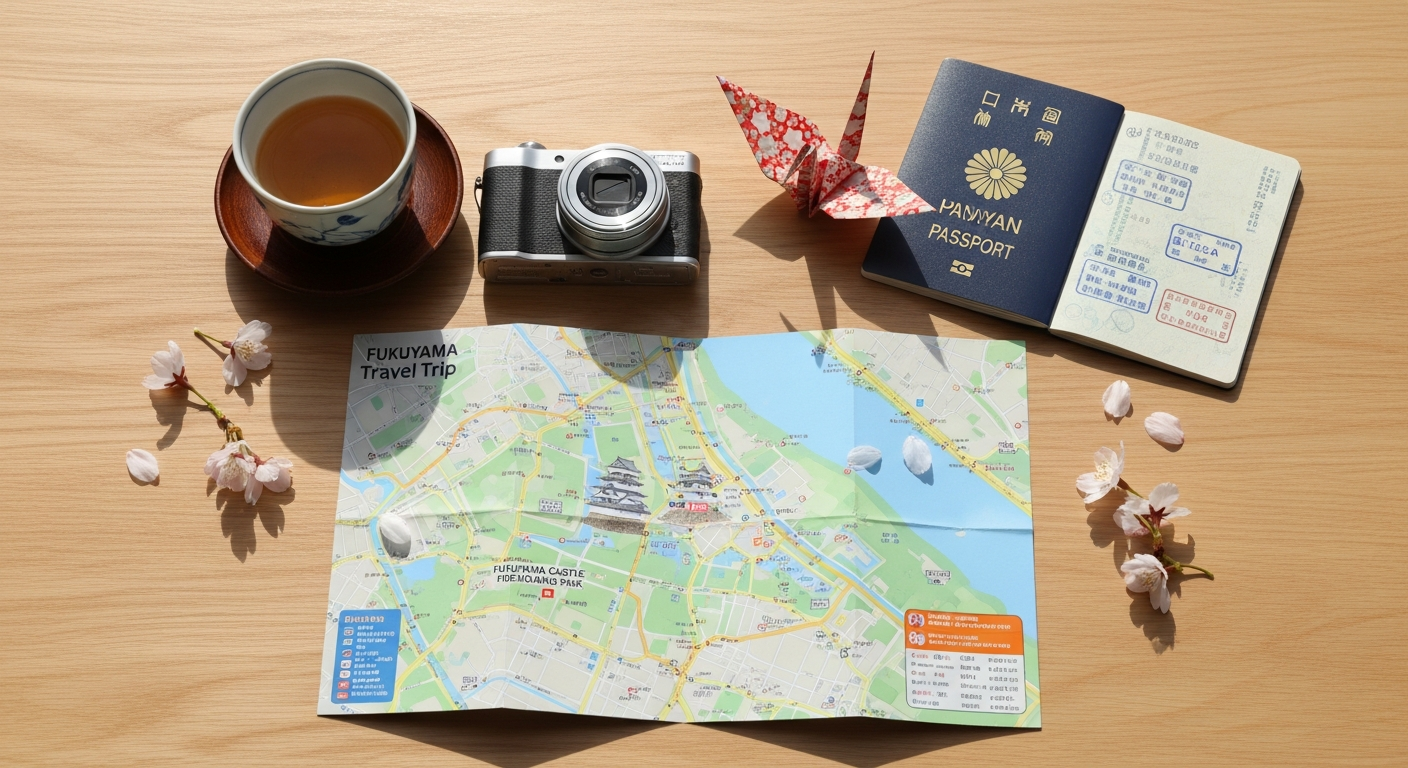
One of the many advantages of planning a Fukuyama Castle day trip is the ease of access, particularly from popular tourist hubs like Onomichi. Fukuyama City is a major transportation nexus in eastern Hiroshima Prefecture, well-connected by Japan’s efficient rail network.
From Onomichi: Your Quickest Route
- By Local Train (JR Sanyo Line): This is the most straightforward and economical option. From JR Onomichi Station, simply take a local or rapid train on the JR Sanyo Line heading towards Fukuyama. The journey is remarkably short, typically taking around 20-25 minutes. Trains are frequent throughout the day, ensuring flexibility for your itinerary. The cost is minimal, making it an excellent choice for budget-conscious travelers. Upon arrival at JR Fukuyama Station, the castle is immediately visible and accessible, located directly north of the station.
- By Car: If you have rented a car for exploring the Setouchi region, driving from Onomichi to Fukuyama is also an option. The drive usually takes about 30-40 minutes, depending on traffic. Parking is available near Fukuyama Castle, often in paid parking lots around Fukuyama Station or designated castle parking areas. This option offers flexibility for those who prefer to explore at their own pace and potentially visit other attractions outside the city center.
From Other Major Cities: Expanding Your Reach
- From Hiroshima City: Fukuyama is a key stop on the JR Sanyo Shinkansen line. From JR Hiroshima Station, you can take a Shinkansen (bullet train) such as the Kodama or Sakura services directly to Fukuyama Station. The journey is swift, typically ranging from 20-30 minutes. Nozomi Shinkansen trains also stop at Fukuyama, offering even faster travel. This makes a Fukuyama Castle day trip entirely feasible even from Hiroshima.
- From Osaka/Kyoto: For those traveling from the Kansai region, Fukuyama is easily reachable by Shinkansen. Take a Nozomi, Sakura, or Kodama Shinkansen from Shin-Osaka Station directly to Fukuyama Station. The journey duration varies from approximately 1 hour to 1 hour 30 minutes, depending on the service. This accessibility means Fukuyama Castle can even be considered as a longer day trip or an overnight stop for travelers based further afield.
- From Tokyo: While a direct day trip from Tokyo might be ambitious, Fukuyama is accessible via the Tokaido-Sanyo Shinkansen. The journey from Tokyo Station to Fukuyama Station typically takes around 3.5 to 4 hours, making it more suitable as a stop on a multi-day itinerary across Japan rather than a quick day trip.
No matter your starting point, the journey to Fukuyama Castle is designed for convenience. JR Fukuyama Station itself is a modern, bustling hub, and the castle’s immediate proximity to the station entrance is a major highlight, minimizing additional travel time within the city and maximizing your time exploring the historical site.
Exploring Fukuyama Castle: A Journey Through Time and Resilience
The Main Keep (Tenshukaku): Heart of the Castle
The reconstructed main keep is the undisputed highlight of your visit. Standing proudly against the sky, its gleaming white plaster exterior, meticulously restored in 2022, is a sight to behold. It faithfully reproduces the original 17th-century appearance, offering a powerful sense of historical authenticity. Inside, the main keep functions as a multi-story museum, detailing the castle’s history, the Mizuno and Abe clans, and the broader narrative of the Edo period.
- Ground Floor: Often features a general introduction to the castle and its founders, along with models and dioramas depicting its original grandeur.
- Mid-Floors: These floors house various exhibits showcasing artifacts, historical documents, samurai armor, weapons, and daily life items from the domain. Interactive displays and multimedia presentations bring the past to life, offering insights into feudal Japan. You’ll learn about the castle’s destruction in WWII and the subsequent efforts for its reconstruction, emphasizing its phoenix-like story.
- Top Floor Observation Deck: Ascending to the highest floor offers a breathtaking 360-degree panoramic view of Fukuyama City and the surrounding region. From here, you can gaze out over the urban landscape, identify key landmarks, and on a clear day, even glimpse the Seto Inland Sea in the distance. This vantage point is not only historically significant for understanding the castle’s strategic importance but also serves as one of the prime Onomichi Photography Spots (metaphorically speaking for the broader region), offering stunning vistas that capture the essence of the Setouchi area’s blend of city and nature. It’s a fantastic spot to frame your memories of the Fukuyama Castle day trip.
Surviving Treasures: Fushimi Yagura and Sujigane Gomon
While the main keep is a faithful reconstruction, two original structures miraculously survived the 1945 air raid and stand as designated Important Cultural Properties:
- Fushimi Yagura (Fushimi Turret): Located on the castle’s northwestern corner, this elegant two-story turret is particularly significant. It was originally part of Fushimi Castle in Kyoto, built by Toyotomi Hideyoshi, and was dismantled and relocated to Fukuyama during its construction. This incredible feat of engineering and historical preservation offers a direct connection to Japan’s most powerful warlords. Its intricate wooden architecture and tile roof are exemplary of early Edo period castle design.
- Sujigane Gomon (Iron-Barred Gate): Positioned near the Fushimi Yagura, this sturdy gatehouse also survived the war. Its name, meaning “iron-barred gate,” hints at its defensive strength. Together with the Fushimi Yagura, it forms a crucial part of the castle’s surviving defensive perimeter and provides a tangible link to the original castle’s formidable structure.
The Castle Grounds and Fukuyama Park
The entire castle area is encompassed within Fukuyama Park, a beautifully maintained green space perfect for a leisurely stroll. The park features lush lawns, walking paths, and various seasonal flowers. Depending on the time of year, you might witness cherry blossoms in spring or vibrant autumn foliage, adding another layer of beauty to your visit. Exploring the grounds allows you to appreciate the sheer scale of the original castle complex and imagine life within its walls. There are often informational plaques providing details about former gate locations, moats, and other structures that once stood.
Plan to spend at least 2-3 hours thoroughly exploring Fukuyama Castle, including the museum inside the main keep, the surviving historical structures, and a relaxing walk through the surrounding park. The blend of historical immersion and scenic beauty ensures a rewarding experience for every visitor embarking on a Fukuyama Castle day trip.
Beyond the Castle Walls: Discovering Fukuyama’s Charms
While Fukuyama Castle is undoubtedly the star attraction, a Fukuyama Castle day trip offers much more than just its historical fortress. The city itself, having risen impressively from wartime devastation, boasts a vibrant atmosphere and several other points of interest that are easily accessible, especially if you have a few extra hours to spare.
Cultural Enclaves Adjacent to the Castle
Just a stone’s throw from the castle grounds, you’ll find a cluster of cultural institutions that are perfect for those who wish to deepen their understanding of Fukuyama’s artistic and literary heritage:
- Fukuyama Museum of Art: Situated within Fukuyama Park, this museum houses a diverse collection, primarily focusing on Western and Japanese art from the late 19th century to the present day. Its collection includes works by local artists, as well as significant pieces by internationally renowned masters. Temporary exhibitions are frequently held, so it’s worth checking their schedule for what might be on display during your visit in 2026.
- Fukuyama Literature Museum: Also located within the park, this museum is dedicated to writers and poets with connections to Fukuyama and Hiroshima Prefecture. It offers insights into their lives, works, and the literary landscape of the region, providing a quieter, more reflective experience.
Seasonal Splendor: Fukuyama Rose Park
Fukuyama is famously known as the “City of Roses,” a title proudly displayed throughout the city. The Fukuyama Rose Park (バラ公園, Bara Kōen) is the embodiment of this identity. While a short bus ride or taxi journey from the station, it’s a worthwhile detour, especially if you visit during late spring (May-June) or autumn (October-November) when the roses are in full bloom. The park boasts an incredible variety of roses, with thousands of bushes displaying a riot of colors and fragrances. It’s a truly enchanting experience and provides another excellent opportunity for Onomichi Photography Spots (thinking of beautiful floral compositions for your travel album) if you appreciate nature photography.
Shopping and Dining Experiences
Fukuyama Station and its immediate vicinity are buzzing with activity, offering numerous opportunities for shopping and dining. You’ll find department stores like Sogo, smaller boutiques, and souvenir shops where you can pick up local specialties. The restaurant scene is diverse, ranging from traditional Japanese eateries serving Hiroshima-style okonomiyaki (a local specialty, though slightly different from Osaka’s version) and fresh seafood, to cafes and international cuisine. Taking time to enjoy a local meal or snack is an integral part of experiencing any Japanese city, and Fukuyama provides ample choices to satisfy any palate after your historical exploration. Don’t forget to look for rose-themed souvenirs, reflecting the city’s unique identity.
Exploring Local Temples and Shrines
While not as concentrated as the Temple Walk in Onomichi, Fukuyama also has its share of serene temples and shrines. Myōō-in Temple, for example, is a short distance from the city center and boasts an impressive five-story pagoda and main hall that are both National Treasures. It offers a peaceful retreat and a glimpse into different architectural styles from the castle. For those with a keen interest in religious architecture and a desire to explore beyond the immediate castle area, it presents a compelling option, drawing parallels to the spiritual richness you might find in a Setoda Kosanji Temple Guide.
Incorporating these additional attractions into your Fukuyama Castle day trip transforms it from a simple castle visit into a richer, more multifaceted exploration of a dynamic Japanese city. Whether you’re drawn to art, literature, natural beauty, or local flavors, Fukuyama has something to offer every traveler.
Crafting Your Perfect Itinerary: Combining Fukuyama Castle with Onomichi and Beyond
For travelers based in Onomichi, a Fukuyama Castle day trip integrates seamlessly into a broader exploration of the Setouchi region. Onomichi itself is a treasure trove of experiences, and combining it with Fukuyama allows for a diverse itinerary that balances history, culture, and scenic beauty. Here’s how you can weave these destinations together for an unforgettable journey in 2026.
A Dedicated Fukuyama Castle Day Trip from Onomichi
This is the most straightforward approach. Dedicate a full day to Fukuyama.
- Morning (9:00 AM – 12:00 PM): Depart from Onomichi Station by local train. Arrive at Fukuyama Station and head directly to Fukuyama Castle. Spend 2-3 hours exploring the main keep, its museum, the Fushimi Yagura, Sujigane Gomon, and the castle grounds. This allows ample time for appreciating the history and taking photographs from the panoramic observation deck.
- Lunch (12:00 PM – 1:00 PM): Enjoy lunch at one of the many restaurants around Fukuyama Station or venture slightly further into the city for a local culinary experience.
- Afternoon (1:00 PM – 4:00 PM): Depending on your interests, choose one or two additional attractions.
- For Art & Culture Lovers: Visit the Fukuyama Museum of Art and/or the Fukuyama Literature Museum, both conveniently located within the castle park.
- For Nature Enthusiasts (seasonal): Take a bus or taxi to the Fukuyama Rose Park to marvel at its extensive rose collection.
- For Deeper History: Head to Myōō-in Temple (requires a short taxi/bus ride) to see its National Treasure pagoda and main hall.
- For Shopping: Explore the shopping arcades and department stores near Fukuyama Station.
- Late Afternoon (4:00 PM onwards): Take the local train back to Onomichi, arriving in time for dinner.
This itinerary provides a comprehensive yet relaxed Fukuyama Castle day trip, allowing you to experience the best of the city.
Integrating Fukuyama Castle into a Longer Onomichi Stay
If you have several days in Onomichi, you can comfortably fit in Fukuyama as one of your excursions. Onomichi itself offers a wealth of activities:
- What To Do In Onomichi Japan: Dedicate other days to Onomichi’s unique charms. Explore the Temple Walk (Senkoji Temple Walk), winding your way through numerous hillside temples. Ride the Senkoji Ropeway for stunning views of the city and the Seto Inland Sea. Wander through the atmospheric Cat Alley (Neko no Hosomichi). Rent a bicycle and cycle a portion of the Shimanami Kaido, known for its breathtaking island scenery and fantastic cycling paths. Discover the many Onomichi Photography Spots, from the panoramic views at Senkoji Park to the bustling waterfront and the charming backstreets.
- Combining with Setoda: For those extending their reach, consider a visit to Setoda on Ikuchijima Island, accessible by ferry from Onomichi. Our Setoda Kosanji Temple Guide provides detailed information on this remarkable temple, known for its vibrant architecture and “Marble Hill.” You could dedicate a separate day to Setoda and the island, or, for a very ambitious traveler, combine a morning in Fukuyama with an afternoon visit to Setoda if you manage your time meticulously and use fast ferry services. However, it’s generally recommended to keep these as separate, distinct day trips from Onomichi to fully appreciate each location.
Strategic Placement in a Multi-City Itinerary
Fukuyama’s position on the Shinkansen line makes it a convenient stop when traveling between major cities like Hiroshima and Osaka/Kyoto. Instead of a round-trip day trip, you could:
- Stopover Option: Travel from Osaka/Kyoto to Fukuyama in the morning, spend 4-6 hours exploring Fukuyama Castle and other city attractions, then continue your journey to Onomichi or Hiroshima in the late afternoon. This minimizes backtracking and maximizes sightseeing efficiency.
- First Stop in Hiroshima Prefecture: If traveling west, make Fukuyama your initial point of entry into Hiroshima Prefecture. After your Fukuyama Castle day trip, proceed to Onomichi for a few days, then move on to Hiroshima City.
By thoughtfully planning your itinerary, Fukuyama Castle can be much more than just a side trip; it can be a pivotal point in your exploration of Japan’s rich history and diverse landscapes in 2026, creating a travel experience that is both deep and expansive.
Practical Tips for Your Fukuyama Castle Adventure in 2026
To ensure your Fukuyama Castle day trip is as smooth and enjoyable as possible, keep these practical tips in mind:
Opening Hours and Admission Fees
- Fukuyama Castle Main Keep (Museum): Generally open from 9:00 AM to 5:00 PM (last admission usually 30 minutes before closing). Note that closing days can vary, but typically it’s closed on Mondays or Tuesdays, and during the New Year period. Always check the official Fukuyama Castle website or a reliable local tourism site for the most up-to-date information for 2026 before your visit.
- Admission Fee: There is a fee to enter the main keep and its museum. The castle grounds are usually free to explore. Discounts may be available for groups, seniors, or children. Consider purchasing a combined ticket if you plan to visit the Fukuyama Museum of Art, as these are sometimes offered.
- Fushimi Yagura and Sujigane Gomon: These historical structures are typically part of the main keep admission, or can sometimes be viewed from the outside for free, depending on access restrictions.
Best Time to Visit Fukuyama Castle
- Spring (Late March to Early April): This is arguably the most popular time to visit, as the castle grounds are adorned with beautiful cherry blossoms. The contrast of the white castle against the pink blooms is breathtaking and offers incredible Onomichi Photography Spots (thinking of beautiful castle-cherry blossom shots for your collection). Expect larger crowds during this period.
- Autumn (Late October to Mid-November): The foliage around the castle and within Fukuyama Park turns vibrant shades of red, orange, and gold, providing another visually stunning backdrop. The weather is also pleasantly cool for exploring.
- Off-Peak Seasons: If you prefer fewer crowds, consider visiting during late spring (after cherry blossoms) or early autumn. Summer can be hot and humid, while winter can be chilly, but both offer unique perspectives and fewer tourists.
- Weekdays vs. Weekends: Like most popular attractions in Japan, Fukuyama Castle is generally less crowded on weekdays compared to weekends and national holidays.
Accessibility and Facilities
- Within the Castle: The main keep has stairs to each floor. While the renovated castle often includes elevators for accessibility to some levels, it’s always wise to confirm specific accessibility features if you have mobility concerns. The grounds are generally flat and easy to navigate.
- Restrooms: Public restrooms are available within the castle grounds and inside the main keep.
- Locker Facilities: If you’re traveling with luggage, coin lockers are readily available at JR Fukuyama Station, which is directly adjacent to the castle, making it convenient for a day trip stopover.
- Information: The Fukuyama Tourist Information Center is located within JR Fukuyama Station, offering maps, brochures, and assistance in English.
What to Wear and Bring
- Comfortable Shoes: You’ll be doing a fair amount of walking, especially if you explore the entire castle grounds and other attractions in Fukuyama.
- Weather-Appropriate Clothing: Check the weather forecast for Fukuyama before your trip, especially if visiting in 2026. Layers are always a good idea, particularly in spring and autumn, as temperatures can fluctuate.
- Camera: With the castle’s majestic architecture, panoramic views, and beautiful park, you’ll want to capture plenty of photos.
- Cash and Cards: While credit cards are widely accepted in larger establishments, having some cash (Japanese Yen) is always useful for smaller shops, vending machines, or bus fares.
Respectful Tourism
When visiting historical sites like Fukuyama Castle, remember to be mindful of local customs. Be respectful inside the museum, avoid loud conversations, and follow any posted rules regarding photography. Japan is a country that deeply values politeness and consideration.
By keeping these practical tips in mind, your Fukuyama Castle day trip will be a well-organized, enriching, and thoroughly enjoyable experience, adding another wonderful chapter to your Japan travel story in 2026.
Frequently Asked Questions
Recommended Resources
Check out How To List Your Home On Airbnb Tips on Vacation Rental Planners for a deeper dive.
Explore Vacation Rental Property Investment Guide for additional insights.