


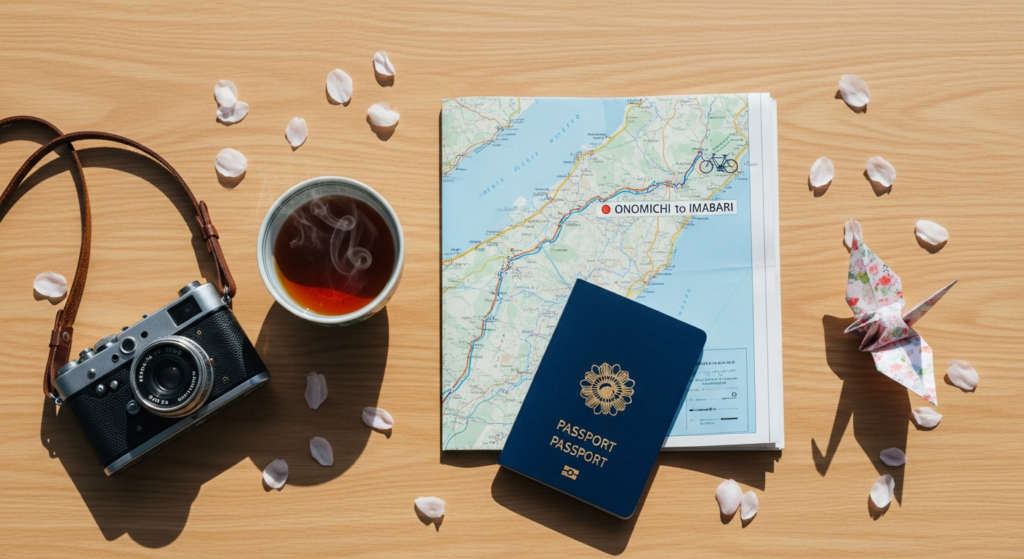
Why the Shimanami Kaido is Your Next Cycling Obsession
The Shimanami Kaido isn’t just a cycling path; it’s an experience that transcends the ordinary. Imagine pedaling across six distinct islands, each with its own charm and character, linked by seven towering bridges that offer panoramic views of the tranquil Seto Inland Sea. This unique route, officially known as the Nishiseto Expressway, is celebrated globally for its dedicated cycling lanes, often painted a distinctive blue, making navigation virtually effortless. It’s a sanctuary for cyclists, meticulously designed to be accessible to riders of all skill levels, from seasoned athletes seeking a challenge to families looking for a leisurely two-day excursion.
What truly sets the Shimanami Kaido apart is its seamless integration with the local culture and environment. Unlike many urban cycling paths, here you’ll find yourself immersed in quaint island communities, passing citrus groves, historic temples, and charming fishing villages. The bridges themselves are engineering marvels, each with its own unique design, offering different perspectives of the surrounding seascape. Cycling from Onomichi to Imabari allows you to experience the route in its most popular and often recommended direction, benefiting from generally favorable tailwinds and the dramatic crescendo of the Kurushima Kaikyo Bridge as you approach Imabari. This journey isn’t merely about reaching a destination; it’s about the countless moments of discovery, the invigorating sea air, and the stunning vistas that unfold with every pedal stroke. For those seeking an active yet deeply enriching travel experience in Japan, the Shimanami Kaido presents an unparalleled opportunity to connect with nature and local life in a truly intimate way.
Gearing Up: Essential Preparations for Your Shimanami Kaido Journey
A successful Shimanami Kaido cycling adventure hinges on meticulous preparation. From selecting the right bicycle to planning your overnight stays, a little foresight can significantly enhance your experience on the Onomichi to Imabari cycling route.
Choosing Your Ride: Bike Rental Options
One of the greatest conveniences of the Shimanami Kaido is its extensive bike rental system. There are numerous rental terminals at strategic points along the route, with major hubs in Onomichi and Imabari. For your journey starting in Onomichi, consider renting from:
- Giant Store Onomichi: Located within Onomichi U2, this store offers high-quality road bikes, hybrid bikes, and electric-assist bikes. Reservations are highly recommended, especially for peak seasons in 2026.
- Shimanami Kaido Rental Cycle: These official terminals offer more basic but reliable hybrid bikes. They also have electric-assist options, which are incredibly popular for those who prefer a less strenuous ride or are tackling the route over multiple days. The key advantage here is the ability to drop off your bike at any designated terminal along the route, making one-way trips incredibly convenient.
When choosing your bike, consider your fitness level and desired pace. A hybrid bike offers comfort and versatility, while an electric-assist bike can make the gentle inclines of the bridges feel effortless, allowing you to focus more on the scenery. Road bikes are ideal for experienced cyclists seeking speed and efficiency. Always ensure your helmet is properly fitted and the bike’s brakes and gears are in good working order before setting off.
Luggage Forwarding and Packing Smart
Cycling with heavy luggage is never enjoyable. Fortunately, several services cater specifically to Shimanami Kaido cyclists. Many hotels and guesthouses in Onomichi and Imabari, as well as some along the route, offer luggage forwarding services (takkyubin). You can send your main luggage directly to your accommodation in Imabari or to an intermediate stop if you’re spreading your ride over several days. This allows you to cycle with just a small backpack containing essentials like:
- Water bottle and snacks
- Sunscreen and sunglasses
- Small first-aid kit
- Camera and phone
- Light rain jacket (weather can be unpredictable)
- Change of clothes for the evening if staying overnight
Pack light and strategically. Remember that convenience stores (konbini) are plentiful along the route for hydration and snacks.
Accommodation Along the Route
While it’s possible for very fit cyclists to complete the Onomichi to Imabari cycling route in a single day, most riders prefer to spread it over two days, allowing for more leisurely exploration and relaxation. Popular overnight stops include Ikuchijima, Omishima, or Hakatajima. Booking accommodation well in advance, especially for spring and autumn 2026, is crucial. Options range from traditional Japanese ryokan and family-run guesthouses to modern hotels and even unique cycle-themed accommodations like Onomichi U2. Staying overnight allows you to fully appreciate the local charm, sample island cuisine, and witness stunning sunsets over the Seto Inland Sea.
Best Time to Conquer the Shimanami Kaido
The ideal times to cycle the Shimanami Kaido are spring (March to May) and autumn (October to November). Spring offers pleasant temperatures and the beauty of cherry blossoms, while autumn provides crisp, clear weather and vibrant foliage. Summer (July to September) can be very hot and humid, with a higher risk of typhoons, though early mornings can still be enjoyable. Winter (December to February) is generally cold, with some facilities potentially having reduced operating hours, but it offers a unique, serene experience for hardy cyclists willing to brave the chill.
The Route Unveiled: Onomichi to Imabari, Island by Island
Starting Point: Onomichi
Your adventure begins in the charming port town of Onomichi. Before you even get on your bike, take some time to explore this sloping, temple-filled town. What To Do In Onomichi Japan includes visiting Senkoji Temple and its park, offering spectacular views of the town and the Seto Inland Sea, wandering through the quaint alleys of Cat Alley (Neko no Hosomichi), and exploring the historic shopping street. For Onomichi Photography Spots, the panoramic view from Senkoji Park, the atmospheric narrow lanes, and the waterfront area are must-sees. Rent your bike, grab a map, and prepare for the initial leg.
Onomichi to Mukaishima (Approx. 1 km by ferry)
The first “leg” isn’t by bike but by a short, inexpensive ferry ride from Onomichi Port to Mukaishima Island. Bikes are allowed on board, and the journey takes mere minutes, setting a delightful tone for the adventure ahead. Once on Mukaishima, follow the blue line, which guides you through a relatively flat and agricultural landscape, past citrus groves and small villages.
Mukaishima to Innoshima (Approx. 10 km)
From Mukaishima, you’ll cross your first major bridge, the Innoshima Bridge, a striking suspension bridge. The approach to the bridge features a gentle but noticeable incline, which is characteristic of most bridge ascents along the route. Innoshima is famous for its citrus fruits, especially Hassaku oranges. For a deeper dive into this island, consult an Innoshima Japan Travel Guide, which would highlight attractions like the Innoshima Suigun Castle, a reconstruction of a pirate castle, and the Shirataki-sanso Temple, known for its 500 Rakan statues. The island offers pleasant coastal rides and opportunities to sample local produce.
Innoshima to Ikuchijima (Approx. 15 km)
The Ikuchi Bridge connects Innoshima to Ikuchijima. Ikuchijima is often considered one of the highlights of the Shimanami Kaido. It’s home to Kosanji Temple, an elaborate and eccentric temple complex founded by a wealthy industrialist in memory of his mother, featuring replicas of famous Japanese temples and a fascinating marble cave. The island is also known for its Lemon Valley, where you can pick fresh lemons in season, and for the Hirayama Ikuo Museum of Art. Take your time to explore the charming Shiomachi shopping street and enjoy some fresh seafood.
Ikuchijima to Omishima (Approx. 14 km)
Crossing the elegant Tatara Bridge, one of the world’s longest cable-stayed bridges, brings you to Omishima. This bridge is famous for its “singing” effect when the wind blows through its cables. Omishima is considered the “Island of Gods” and is home to the revered Oyamazumi Shrine, one of Japan’s oldest and most significant shrines, dedicated to the gods of mountains, seas, and warriors. It houses an impressive collection of ancient armor and weapons. Omishima also boasts several art museums, making it a cultural hub along the route. Consider stopping for a meal at one of the island’s many eateries, serving fresh, local ingredients.
Omishima to Hakatajima (Approx. 8 km)
The Hakata-Oshima Bridge connects Omishima to Hakatajima. This shorter island features scenic coastal roads and is known for its salt production. You can visit the Hakatajima Salt Factory to learn about traditional salt-making processes and even purchase some unique salt products. The island is relatively flat and offers a relaxing ride before the final push.
Hakatajima to Oshima (Approx. 7 km)
From Hakatajima, you’ll cross the Hakata-Oshima Bridge to reach Oshima. This island is the closest to Imabari and offers some of the most dramatic views. A must-visit here is the Kirosan Observatory Park, located atop Mount Kirosan. While it requires a significant detour and a steep climb (or a short taxi ride), the panoramic vista of the Kurushima Kaikyo Bridge, Imabari, and the countless islands of the Seto Inland Sea is absolutely breathtaking and makes for incredible Onomichi Photography Spots. It’s an ideal spot to reflect on your journey before the grand finale.
Oshima to Imabari (Approx. 10 km)
The final and most iconic stretch of the Shimanami Kaido is the crossing of the Kurushima Kaikyo Bridge, a series of three magnificent suspension bridges spanning over 4 kilometers, making it one of the longest bridge systems in the world. Cycling across this marvel of engineering, with the vast expanse of the Seto Inland Sea beneath you, is an exhilarating and unforgettable experience. The dedicated cycling path offers stunning views, especially as you approach the mainland of Shikoku. Upon arrival in Imabari, you’ll find the main rental cycle terminal, marking the successful completion of your Onomichi to Imabari cycling route.
Beyond the Pedals: Immersive Experiences Along the Shimanami Kaido
The Shimanami Kaido is much more than just a cycling route; it’s a gateway to the heart of the Seto Inland Sea’s culture, cuisine, and natural beauty. To truly enrich your 2026 journey, plan to dismount frequently and delve into the local offerings.
Culinary Delights of the Seto Inland Sea
The islands of the Shimanami Kaido are a foodie’s paradise, boasting fresh, local ingredients. Seafood, caught daily from the surrounding waters, is a highlight. Look for small, family-run restaurants serving sashimi, grilled fish, or local specialties like tai-meshi (sea bream rice). The region is also famous for its abundant citrus fruits. You’ll find countless varieties of oranges (mikan), lemons, and unique hybrids like hassaku and iyokan. Stop at roadside stands or local shops to taste fresh juice, jams, or citrus-flavored sweets and ice cream. On Innoshima, be sure to try the local Hassaku Daifuku, a sweet mochi treat with a whole Hassaku orange inside. Many islands also have unique ramen shops, each with its own local twist, often featuring seafood broths.
Cultural & Historical Gems
Each island along the route offers a glimpse into Japan’s rich history and spiritual traditions. As mentioned, Kosanji Temple on Ikuchijima is an architectural marvel, while Omishima’s Oyamazumi Shrine holds national treasures and an aura of ancient reverence. Take time to explore the history of the Murakami Suigun (pirate clan) at Innoshima Suigun Castle, learning about their role in controlling the Seto Inland Sea. In Onomichi, the temple walk (teramichi) provides a spiritual and historical journey through dozens of temples perched on the hillsides, offering peaceful retreats and stunning views. These cultural stops provide a welcome break from cycling and deepen your understanding of the region.
Nature’s Masterpieces & Photography Spots
The Seto Inland Sea is a photographer’s dream. The interplay of islands, sea, and sky creates ever-changing vistas. Beyond the obvious beauty of the bridges, seek out hidden beaches, quiet fishing harbors, and elevated viewpoints. Kirosan Observatory on Oshima offers the most iconic perspective of the Kurushima Kaikyo Bridge, especially at sunset, making it one of the premier Onomichi Photography Spots (even though it’s closer to Imabari). The citrus groves themselves, particularly when laden with ripe fruit, offer charming photo opportunities. Look for small cafes or rest areas that provide outdoor seating with sea views, perfect for a contemplative break and some candid shots.
Relaxation and Unique Experiences
After a day of cycling, nothing beats a relaxing soak. Several islands, including Omishima, have local onsen (hot springs) where you can soothe tired muscles. For those interested in local crafts, Imabari is renowned for its high-quality towels, and you can visit the Towel Museum to learn about their production. Consider staying in a traditional ryokan to experience Japanese hospitality, complete with multi-course dinners and futon bedding. Engaging with local shopkeepers and residents, even with a language barrier, can lead to unexpected and delightful interactions, adding another layer of authenticity to your Onomichi to Imabari cycling route adventure.
Navigating with Confidence: Essential Tips for Cyclists
While the Shimanami Kaido is incredibly well-marked, having a few essential tips up your sleeve will ensure a smoother, safer, and more enjoyable journey from Onomichi to Imabari.
Following the Blue Line and Signage
The most distinctive feature of the Shimanami Kaido is the clear blue line painted directly on the road surface. This line guides cyclists along the entire route, making it nearly impossible to get lost. At intersections, arrows indicate the correct direction. Additionally, regular signposts display distances to the next island or major landmark. While the blue line is your primary guide, it’s always a good idea to have a backup like Google Maps on your phone or a physical map from a rental terminal, especially if you plan to venture off the main route to explore specific attractions.
Safety First: Rules and Etiquette
- Ride on the Left: In Japan, traffic drives on the left side of the road. Cyclists should also adhere to this, even on dedicated paths.
- Helmet Use: While not strictly mandatory for adults, wearing a helmet is highly recommended for your safety.
- Lights: If you plan to cycle near dawn, dusk, or in tunnels, ensure your bike has working front and rear lights.
- Be Aware of Pedestrians: Some sections of the path may be shared with pedestrians. Always give way and ride courteously.
- Yield to Vehicles: Even on bike paths, be mindful of driveways and intersections where vehicles might be present.
- Bridge Ascents/Descents: The inclines to the bridges are usually gentle but long. Use appropriate gears and take breaks if needed. Descents can be fast, so control your speed.
Weather Preparedness
Weather conditions on the Seto Inland Sea can change rapidly. Always check the forecast before you set out. Sun protection (sunscreen, hat, sunglasses) is crucial, especially in spring and summer, as sun exposure can be intense on the open bridges. A light, packable rain jacket is also highly recommended, even if the forecast looks clear, as sudden showers can occur. Wind can also be a factor, particularly on the bridges; cycling from Onomichi to Imabari generally provides a favorable tailwind, but be prepared for crosswinds on occasion.
Hydration, Nutrition, and Rest Stops
Staying hydrated and fueled is key to an enjoyable ride. Convenience stores (7-Eleven, FamilyMart, Lawson) are plentiful on most islands and offer a wide range of drinks, snacks, and quick meals. Look out for vending machines, especially on less populated stretches. There are also numerous designated rest areas with toilets and sometimes small cafes or shops. Don’t push yourself too hard; take regular breaks to stretch, admire the views, and refuel. Many of the bridge observation points offer benches and vending machines, perfect for a quick pause.
Basic Bike Maintenance & Assistance
Before starting, do a quick check of your bike: tire pressure, brakes, and gear shifts. While the rental bikes are generally well-maintained, knowing how to fix a flat tire can be useful (though rental terminals often provide assistance). If you encounter a more serious mechanical issue, head to the nearest rental terminal or a local bike shop. The Shimanami Kaido is well-supported, so help is usually not far away. Keep the contact number for your rental company handy.
Language and Local Interactions
While many people working in tourism along the Shimanami Kaido will have some English proficiency, learning a few basic Japanese phrases can greatly enhance your interactions. “Konnichiwa” (hello), “Arigato gozaimasu” (thank you very much), and “Sumimasen” (excuse me/I’m sorry) will go a long way. Translation apps can also be invaluable for communicating with locals, ordering food, or asking for directions when off the main blue line. Embrace the opportunity to engage with the friendly island communities.
Making the Most of Your 2026 Shimanami Kaido Adventure
Your Shimanami Kaido cycling experience isn’t just about the ride itself; it’s about the entire journey, from the moments leading up to your first pedal stroke in Onomichi to your triumphant arrival in Imabari and beyond. Thoughtful planning for your pre- and post-cycling activities can significantly enhance your overall Japanese travel adventure in 2026.
Pre-Ride Onomichi Exploration
Onomichi is far more than just a starting point; it’s a destination in itself. Dedicate at least half a day, or even a full day, to exploring this captivating hillside town before you embark on your Onomichi to Imabari cycling route. Start by ascending to Senkoji Temple and Park, either by ropeway or on foot, to witness panoramic views of the town, the Seto Inland Sea, and the neighboring islands – a perfect spot for your initial Onomichi Photography Spots. Wander through the charming and quirky Cat Alley (Neko no Hosomichi), filled with cat-themed art and actual feline residents. Explore the historic Onomichi Shopping Street, a covered arcade bustling with local shops, cafes, and eateries, where you can sample regional delicacies or pick up last-minute supplies. Consider staying at the architecturally renowned Onomichi U2 complex, which houses a hotel, restaurant, and the Giant bicycle shop, immersing you in the cycling spirit even before you start. The town’s unique topography and retro charm offer endless opportunities for discovery and photography, setting a wonderful tone for the adventure ahead. Remember, this town is intrinsically linked to the Shimanami Kaido, making understanding What To Do In Onomichi Japan a vital part of your trip preparation.
Post-Ride Imabari Exploration
Upon completing the monumental Kurushima Kaikyo Bridge and reaching Imabari, your cycling journey concludes, but the exploration doesn’t have to. Imabari, a city on Shikoku Island, offers its own set of attractions. Visit Imabari Castle, a picturesque castle surrounded by a seawater moat, offering a unique historical perspective. Explore the Towel Museum (Ichihime Toweru Bijutsukan), a surprisingly engaging facility that showcases the city’s famous towel industry, complete with art installations and a beautiful garden. Indulge in some well-deserved local cuisine, perhaps some fresh seafood or Imabari’s famous yakitori (grilled chicken skewers). Imabari also serves as an excellent gateway to further exploration of Shikoku, known for its spiritual pilgrimages and stunning natural landscapes.
Extending Your Japanese Adventure
The Shimanami Kaido’s location makes it a fantastic starting or ending point for a broader Japanese itinerary. From Onomichi, you’re just a short train ride from Hiroshima, home to the poignant Peace Memorial Park and Museum, and the iconic floating torii gate of Miyajima Island. These are world-class destinations that can easily be combined with your cycling trip. Alternatively, from Imabari, you can delve deeper into Shikoku, exploring cities like Matsuyama with its Dogo Onsen, one of Japan’s oldest hot springs, or Takamatsu with its beautiful Ritsurin Garden. Whether you choose to head east or west, the memories of your Onomichi to Imabari cycling route will be a highlight of your 2026 Japan journey, a testament to the beauty and hospitality of the Seto Inland Sea region.
Frequently Asked Questions
How long does it take to cycle the Onomichi to Imabari route?▾
Is the Shimanami Kaido suitable for beginners or families?▾
Where can I rent an electric-assist bike for the Shimanami Kaido?▾
What should I do with my luggage while cycling?▾
Are there showers or changing facilities at the end of the route in Imabari?▾
Can I cycle back from Imabari to Onomichi?▾
Recommended Resources
For more on Onomichi to Imabari, see Best Cities To Visit In Europe 2026 on Vacation Rental Planners.
Explore Road Trip Planning Tips For Beginners for additional insights.