


Why Choose Onomichi for Your Next Japanese Adventure?
Onomichi is more than just a stopover; it’s a destination that invites you to slow down, explore, and immerse yourself in its distinctive atmosphere. Imagine waking up to panoramic views of the shimmering Seto Inland Sea, the gentle clanging of temple bells echoing through the hills, and the scent of the sea air mixing with the aroma of local ramen. This city, often described as a living museum, is a photographer’s paradise and a haven for those seeking a deeper connection with authentic Japan.
One of the primary draws for visitors to Onomichi is its rich array of activities. The What To Do In Onomichi Japan list is extensive, starting with the famous Temple Walk. This approximately 2.5-kilometer path winds through 25 historic temples, offering not only spiritual reflection but also incredible vistas at every turn. Each temple boasts unique architecture and serene gardens, providing endless opportunities for quiet contemplation and stunning Onomichi Photography Spots. Senkoji Park, perched atop Mount Senkoji, is a mandatory visit. Accessible by ropeway, it provides unparalleled panoramic views of the city, the islands, and the sea – especially magical during sunset or cherry blossom season. The “Cat Alley” (Neko no Hosomichi) near Senkoji Temple is another delightful detour, filled with quirky cat-themed art and quaint cafes, perfect for a leisurely stroll and some charming photo ops.
Beyond the cultural allure, Onomichi is the official starting point of the Shimanami Kaido, a 70-kilometer cycling route connecting Honshu to Shikoku across a series of bridges and islands. Cyclists from around the world flock here to embark on this scenic journey, and many accommodations cater specifically to their needs, offering bike storage, repair facilities, and even rental services. Even if you’re not cycling the entire route, renting a bike for a day to explore the local area or one of the nearby islands like Mukaishima or Innoshima is a fantastic way to experience the coastal beauty.
Foodies will rejoice in Onomichi’s culinary scene, particularly its iconic Onomichi Ramen, characterized by its soy sauce-based broth and a hint of pork fat. Numerous ramen shops dot the city, each with its own loyal following. Fresh seafood from the Seto Inland Sea is also a local delicacy, available at various restaurants along the waterfront. The city’s relaxed pace, combined with its accessibility and unique blend of attractions, makes it an ideal destination for solo travelers, couples, families, and adventure seekers alike, setting the stage for an unforgettable visit in 2026.
Navigating Onomichi’s Accommodation Landscape: A Guide to Districts

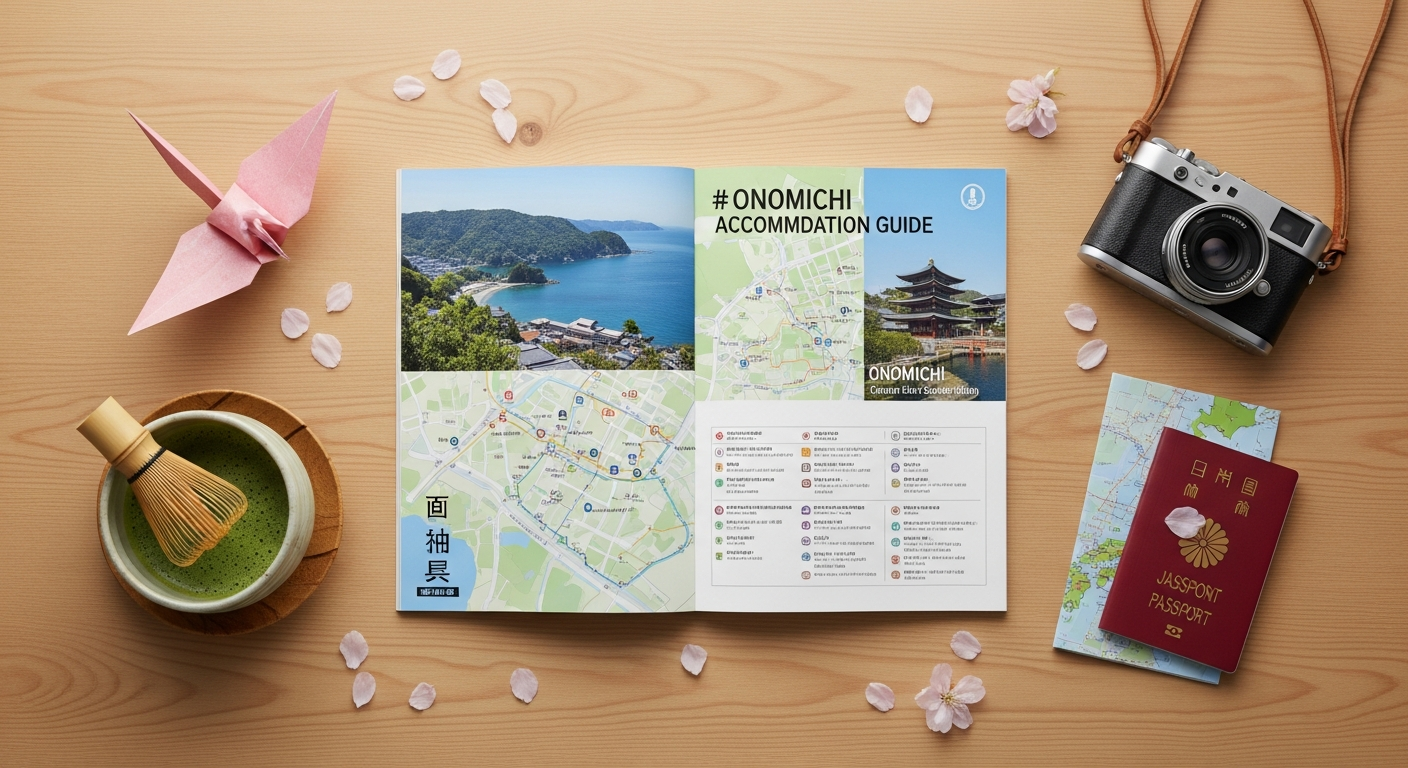
Choosing where to stay in Onomichi largely depends on your travel style, priorities, and what you plan to do during your visit. The city, while compact, offers distinct areas, each with its own character and advantages. Understanding these districts will help you pinpoint the ideal base for your 2026 adventure.
The Onomichi Station Area: Convenience and Connectivity
For travelers prioritizing convenience and easy access to transportation, the area around Onomichi Station is an excellent choice. This bustling hub is where you’ll find the main train station, bus terminals, and ferry ports connecting to the various islands of the Seto Inland Sea. Accommodations here range from modern business hotels to comfortable guesthouses. Staying near the station means you’re just a stone’s throw away from local amenities, including restaurants, convenience stores, and souvenir shops. It’s also a prime spot for cyclists, as many bike rental shops and facilities are concentrated in this area, making it incredibly easy to start or finish your Shimanami Kaido journey. From here, accessing the Temple Walk and Senkoji Park is straightforward, either by a short walk or a quick bus ride. The waterfront promenade, perfect for an evening stroll and capturing serene Onomichi Photography Spots of the harbor, is also easily accessible.
The Hillside and Temple Walk Area: Charm, Views, and Tranquility
For a truly immersive and atmospheric Onomichi experience, consider accommodations nestled along the city’s iconic hillside, particularly those close to the Temple Walk. This area is characterized by narrow, winding alleys, traditional wooden houses, and breathtaking views of the Seto Inland Sea. Here, you’ll find charming traditional ryokan (Japanese inns), boutique guesthouses, and repurposed historical buildings that offer a unique blend of heritage and comfort. Waking up to the serene sounds of temple bells and stepping out directly into the heart of Onomichi’s history is an unparalleled experience. Many of these hillside accommodations offer rooms with spectacular sea views, providing perfect opportunities for Onomichi Photography Spots right from your window or balcony. While the steep slopes might be a consideration for travelers with limited mobility, the reward is an authentic, peaceful retreat away from the main thoroughfare. It’s an ideal base for those focused on exploring the cultural and historical aspects of Onomichi, and a fantastic starting point for your What To Do In Onomichi Japan itinerary.
The Waterfront and Port Area: Modernity and Cycling Focus
The waterfront area, stretching east and west from Onomichi Station, has seen significant revitalization in recent years, particularly catering to the growing number of cyclists. Here, you’ll find stylish boutique hotels and modern guesthouses often housed in renovated warehouses or industrial buildings, blending contemporary design with Onomichi’s industrial heritage. This district offers a more contemporary vibe compared to the hillside. Many accommodations here are designed with cyclists in mind, featuring spacious rooms, bike storage facilities, and easy access to the Shimanami Kaido starting point. The Onomichi U2 complex, a famous cycling-themed hotel and retail space, is a prime example of the offerings in this area. Staying along the waterfront provides easy access to the ferry terminals for island hopping, a vibrant atmosphere with cafes and restaurants, and beautiful sea-level Onomichi Photography Spots, especially at sunrise or sunset. It’s also a great location for those who enjoy evening strolls along the promenade and prefer flat terrain.
Each district offers a distinct flavor of Onomichi, allowing you to tailor your stay to your preferences. Whether you seek the utmost convenience, historical charm, or a modern, cycling-centric experience, Onomichi has a perfect spot waiting for you in 2026.
Traditional Japanese Stays: Ryokan and Guesthouses with a View
Imagine sliding open a shoji screen to reveal a panoramic view of the Seto Inland Sea, dotted with emerald islands under a vast sky. Many ryokan in Onomichi are strategically built into the hills, providing guests with breathtaking Onomichi Photography Spots right from their private rooms. These rooms typically feature tatami mat flooring, traditional futon bedding (laid out by staff in the evening), and sometimes a small seating area with cushions and a low table. The minimalist design emphasizes natural materials and offers a sense of calm and spaciousness, a stark contrast to the often bustling urban centers of Japan.
The experience at a traditional ryokan often includes exquisite multi-course meals (kaiseki) featuring local seasonal ingredients, often served in your room or a private dining area. Given Onomichi’s coastal location, you can expect a delightful array of fresh seafood from the Seto Inland Sea. Enjoying these meticulously prepared dishes while gazing at the twinkling lights of the city below or the moon reflecting on the water is an unforgettable highlight. Additionally, many ryokan offer shared or private onsen (hot spring baths), providing a deeply relaxing way to unwind after a day of exploring the Temple Walk or cycling the Shimanami Kaido. Soaking in warm mineral-rich waters, often with a scenic view, is a quintessential Japanese experience.
Beyond the full-service ryokan, Onomichi also boasts numerous traditional guesthouses. These often offer a more intimate and budget-friendly experience while still retaining the traditional aesthetic. Many are housed in beautifully preserved old Japanese homes, some featuring shared facilities like kitchens and bathrooms, fostering a sense of community among travelers. Staying in one of these guesthouses allows you to experience daily life in Onomichi’s historic districts, often tucked away in quiet alleys near the famous Temple Walk. This proximity makes it easy to embark on your What To Do In Onomichi Japan itinerary, exploring ancient temples and charming cafes at your leisure.
When booking a traditional stay for your 2026 trip, it’s advisable to check the specific amenities offered. Some ryokan are full-service with elaborate meals and private baths, while others might be simpler, focusing on providing a comfortable, authentic sleeping experience. Regardless of your choice, a traditional Japanese stay in Onomichi offers a unique opportunity to connect with the local culture, enjoy unparalleled hospitality, and create lasting memories against the backdrop of one of Japan’s most picturesque coastal towns. Be prepared for the quiet elegance and the thoughtful attention to detail that defines these establishments.
Modern Comfort and Boutique Hotels: Blending Tradition with Contemporary Design
While Onomichi cherishes its historical roots, it also embraces modernity, offering a growing selection of boutique hotels and contemporary accommodations that provide stylish comfort without sacrificing the city’s unique charm. These establishments often creatively repurpose historical buildings, blending their traditional Japanese architecture or industrial heritage with sleek, modern design and state-of-the-art amenities. For those seeking a blend of cultural immersion and contemporary convenience during their 2026 visit, these options are ideal.
One of the most prominent examples of this trend is the revitalization of Onomichi’s waterfront, particularly the area around the station and the former freight yard. Here, industrial structures have been transformed into sophisticated hotels, guesthouses, and commercial complexes. These places often feature minimalist aesthetics, exposed concrete, and large windows that frame the stunning Seto Inland Sea views. They are designed to cater to the modern traveler, offering amenities such as comfortable western-style beds, private en-suite bathrooms, high-speed Wi-Fi, and sometimes even shared lounges or cafes that become vibrant community hubs.
Many of these modern accommodations are particularly popular with cyclists tackling the Shimanami Kaido. They often provide dedicated facilities like secure bike storage, bike repair tools, and even laundry services for cycling gear. The most famous example, Onomichi U2, is a pioneering complex housed in a repurposed maritime warehouse, offering a hotel, restaurant, bakery, and specialty shop all geared towards cyclists and design enthusiasts. Staying here means you’re literally steps away from the Shimanami Kaido starting point, making it incredibly convenient for your cycling adventures and ensuring your What To Do In Onomichi Japan list includes a seamless start to your ride.
Beyond the cycling-centric options, you’ll find boutique hotels scattered throughout the city, some even integrated into the hillside, offering a contemporary take on traditional Japanese hospitality. These establishments often boast unique architectural features, artistic interiors, and personalized service. They might feature a stylish café on the ground floor, a small gallery showcasing local artists, or a rooftop terrace offering prime Onomichi Photography Spots of the city and sea. Such hotels often appeal to couples, solo travelers, and those who appreciate thoughtful design and a curated travel experience.
Choosing a modern comfort or boutique hotel in Onomichi provides the best of both worlds: you get to experience the historical and natural beauty of the city while enjoying the comforts and conveniences of contemporary lodging. These hotels often serve as excellent bases for exploring all aspects of Onomichi, from the ancient temples to the vibrant waterfront, and offer a refreshing contrast to the more traditional ryokan experience. When planning your 2026 trip, consider these stylish options for a comfortable and aesthetically pleasing stay that complements Onomichi’s unique charm.
Budget-Friendly Options: Hostels and Guesthouses for the Savvy Traveler
Onomichi is not exclusively for luxury travelers or those seeking elaborate traditional experiences; it also caters wonderfully to the budget-conscious adventurer. The city offers a vibrant selection of hostels and guesthouses that provide comfortable, clean, and often very stylish accommodation without breaking the bank. These options are particularly popular among backpackers, solo travelers, and cyclists who appreciate communal atmospheres and practical amenities for their 2026 journey.
Hostels in Onomichi are frequently housed in beautifully renovated traditional Japanese buildings, offering a unique blend of historical charm and modern convenience. You might find yourself staying in a former merchant’s house, an old bank, or even a repurposed school, each with its own story. These establishments typically offer dormitory-style rooms, which are the most economical option, but many also provide private rooms for those who desire more privacy while still enjoying the communal spirit and facilities of a hostel. The shared spaces often include fully equipped kitchens, comfortable common lounges, and sometimes even small cafes or bars, fostering a friendly environment where travelers can meet and share their experiences.
A significant advantage of choosing a hostel or guesthouse in Onomichi, especially for cyclists, is their understanding of specific traveler needs. Many budget-friendly accommodations are strategically located near the Onomichi Station or along the waterfront, offering easy access to the Shimanami Kaido starting point. They almost invariably provide secure bike storage facilities, and some even offer bike rentals or basic repair tools. This makes them an invaluable resource for anyone planning to cycle parts or all of the famous route, ensuring your What To Do In Onomichi Japan itinerary includes smooth cycling logistics.
Beyond the practicalities, staying in a guesthouse or hostel can enrich your cultural experience. The staff, often locals or long-term residents, are usually a fantastic source of insider tips on the best local restaurants, hidden What To Do In Onomichi Japan list with serene coastal and rural experiences for your 2026 journey.
The islands accessible from Onomichi, particularly those along the Shimanami Kaido like Mukaishima, Innoshima, and Ikuchijima, each possess their own unique character and accommodation styles. Instead of bustling city hotels, you’ll find charming guesthouses, traditional minshuku (family-run Japanese inns), and even farm stays that allow for a deeper connection with local life and nature. These accommodations often emphasize local cuisine, featuring fresh seafood caught that day and organic produce grown on the island.
One island that warrants special mention for its unique offerings is Ikuchijima. This island is not only famous for its beautiful citrus groves but also for being home to the remarkable Setoda Kosanji Temple Guide. Kosanji Temple is an extraordinary, privately funded temple complex built by a wealthy industrialist in memory of his mother. It’s a flamboyant mix of architectural styles, featuring replicas of famous Japanese temples and shrines, alongside a stunning marble garden known as the “Hill of Hope.” Staying on Ikuchijima allows you to visit Kosanji Temple at a leisurely pace, exploring its intricate details and capturing its unique grandeur without the rush of a day trip. Accommodations on Ikuchijima often include delightful minshuku that provide a warm, homely atmosphere, or small inns with views of the tranquil sea, perfect for capturing serene Onomichi Photography Spots.
Beyond Ikuchijima, other islands offer their own unique draws. Mukaishima, just a short ferry ride from Onomichi, is home to quaint cafes and a more rural landscape, with some guesthouses offering a peaceful retreat from the mainland. Innoshima features historical sites like Innoshima Suigun Castle and beautiful coastal scenery, with local inns providing a glimpse into island life. Some islands even offer opportunities for “glamping” or unique architectural stays, where designers have transformed old buildings or created bespoke structures that blend seamlessly with the natural environment.
These island accommodations are perfect for those seeking tranquility, an authentic cultural exchange with local communities, or a base for extended cycling adventures along the Shimanami Kaido. They offer a chance to disconnect from urban life and reconnect with nature and tradition. When planning your 2026 Onomichi trip, consider dedicating a night or two to an island escape. It’s an enriching way to diversify your experience, explore more of the Seto Inland Sea’s hidden treasures, and create truly unforgettable memories.
Booking Your Onomichi Stay for 2026: Tips and Considerations
Securing the perfect accommodation is a crucial step in planning any trip, and Onomichi, with its growing popularity, requires a bit of foresight, especially for a visit in 2026. To ensure a smooth and enjoyable stay, consider the following practical tips and considerations when making your booking.
When to Book: Timing is Everything
Onomichi experiences peak seasons that can significantly impact accommodation availability and pricing. Spring (March to May) is popular for cherry blossoms and pleasant cycling weather, while autumn (October to November) attracts visitors with vibrant foliage and comfortable temperatures. Summer (July and August) brings festivals and warmer weather, ideal for sea activities, but also higher humidity. If your 2026 travel plans fall within these periods, it is highly recommended to book your accommodation at least 3-6 months in advance, especially for popular ryokan, boutique hotels, or cycling-friendly guesthouses. For off-peak seasons, you might find more flexibility, but booking a month or two ahead is still wise to secure your preferred option.
Navigating Booking Platforms
You can book Onomichi accommodations through various international booking websites (e.g., Booking.com, Agoda, Expedia) which offer a wide range of options and are easy to use for non-Japanese speakers. However, don’t overlook Japanese domestic booking sites (e.g., Rakuten Travel, Jalan.net). While some may require basic Japanese language skills or a translation tool, they occasionally feature exclusive deals or smaller, local guesthouses not listed on international platforms. Direct booking through the hotel’s official website can also sometimes offer better rates or special packages, particularly for ryokan or unique boutique stays.
Special Requests and Needs
If you have specific requirements, it’s crucial to communicate them clearly during booking or directly with the accommodation. This includes dietary restrictions (especially important for ryokan meals), accessibility concerns (given Onomichi’s hilly terrain), requests for non-smoking rooms, or specific needs for cyclists like secure bike storage or repair facilities. Many accommodations in Onomichi are well-versed in catering to cyclists, but confirming these details beforehand will save you any potential hassle upon arrival. For those planning to explore What To Do In Onomichi Japan by bike, clarifying bike storage is paramount.
Cancellation Policies and Payment
Always review the cancellation policy carefully before confirming your booking. Policies can vary widely, from free cancellation up to a few days before arrival to strict non-refundable terms. Be aware of payment methods; some smaller guesthouses might prefer cash payments upon arrival, while larger hotels accept credit cards. Understanding these details will prevent any unexpected issues during your 2026 trip.
Consider Your Itinerary and Location
As discussed in the district guide, your chosen location should align with your itinerary. If you’re focused on the Temple Walk and historic sites, a hillside guesthouse might be perfect. If cycling the Shimanami Kaido is your priority, proximity to the station and waterfront with bike-friendly amenities is key. For those planning to visit Setoda Kosanji Temple Guide, consider a night on Ikuchijima for a more relaxed exploration and unique island stay. By planning ahead and considering these tips, you’ll ensure your Onomichi accommodation perfectly complements your unforgettable 2026 journey.
Frequently Asked Questions
What’s the best time to visit Onomichi for good weather and fewer crowds in 2026?▾
Is Onomichi suitable for travelers with limited mobility, especially given its hilly terrain?▾
How can I travel to Setoda Kosanji Temple from Onomichi, and are there accommodation options nearby?▾
Do hotels in Onomichi typically offer bike storage for Shimanami Kaido cyclists?▾
What are some must-try local foods in Onomichi, and are they easily accessible from most accommodations?▾
Are there any unique cultural experiences I should look for when choosing accommodation in Onomichi?▾
Recommended Resources
Explore Adventure Travel Destinations 2026 for additional insights.
You might also enjoy How To Find The Best Vacation Rental Deals from Vacation Rental Planners.