Your Ultimate Japan Rail Pass Guide 2025: Unlock Unforgettable Journeys Across Japan
As you plan your journey for the coming year, understanding the ins and outs of this powerful pass is crucial. This comprehensive Japan rail pass guide 2025 is designed to equip you with all the knowledge you need, from understanding recent changes to maximizing your savings and exploring stunning destinations like our beloved Onomichi. Get ready to embark on a seamless, cost-effective, and deeply immersive Japanese adventure!
What is the Japan Rail Pass (JR Pass) and Why is it Your Travel Companion?
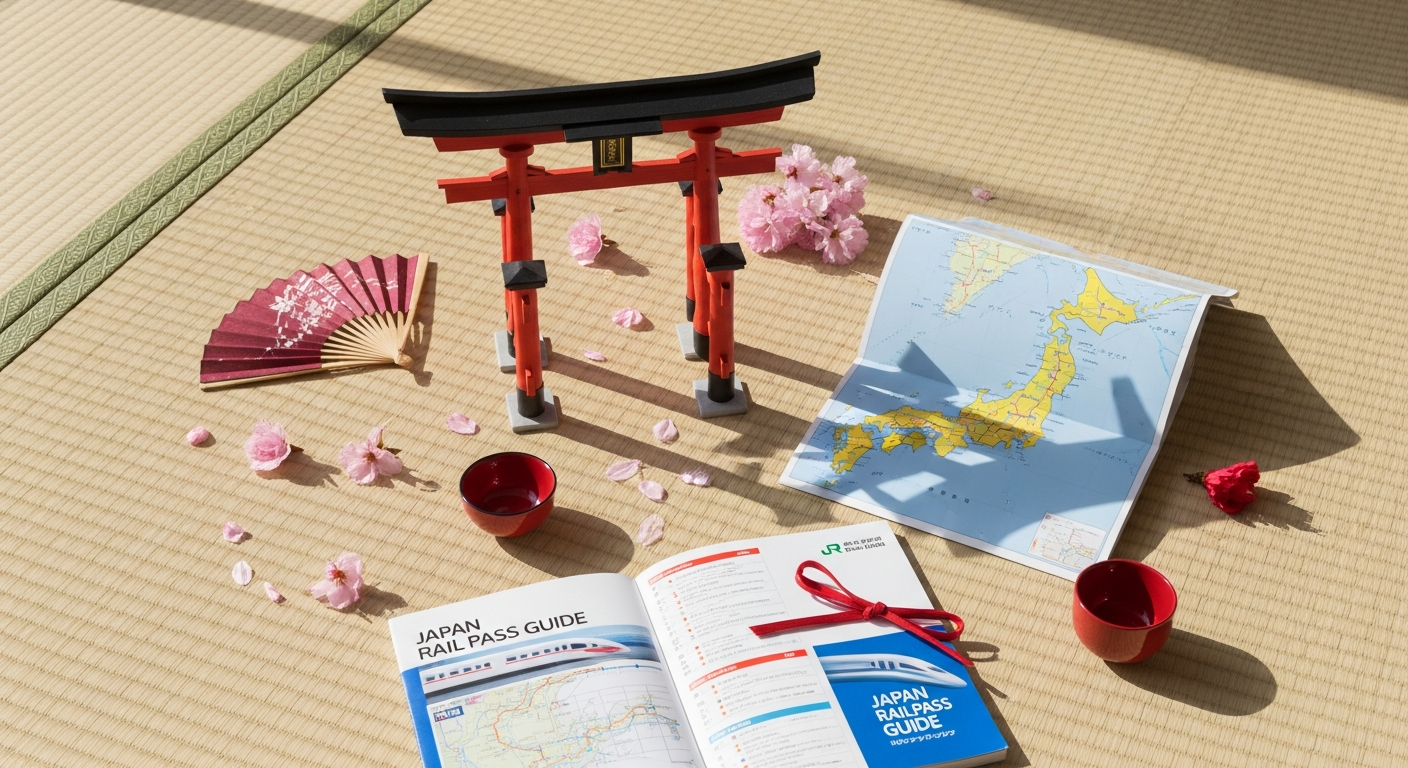
The Japan Rail Pass is an exclusive, multi-use ticket designed specifically for foreign tourists visiting Japan. It provides unlimited travel on most JR Group (Japan Railways) trains, buses, and ferry services for a set period. Imagine whisking across the country on a Shinkansen, gazing at Mount Fuji, then exploring bustling cityscapes or serene rural towns, all without purchasing individual tickets for each leg of your journey. That’s the power of the JR Pass!
Types of Passes: Green Car vs. Ordinary Car
- Ordinary Car Pass: This is the standard pass, offering comfortable and clean seating, similar to economy class on an airplane. Most travelers find the Ordinary Car perfectly sufficient for their needs.
- Green Car Pass: The Green Car is Japan’s equivalent of first class. It offers larger, more spacious seats, often with more legroom, footrests, and occasionally power outlets. While a premium option, it’s typically only recommended during peak travel seasons or for those who prioritize extra comfort and space.
Validity Periods
The JR Pass is available for 7, 14, or 21 consecutive days. This “consecutive” aspect is key – once activated, your pass runs without interruption for the chosen duration. Therefore, strategic planning around your itinerary is essential to get the most value.
The JR Pass as a Gateway to Japan Travel Planning
For extensive travel across multiple regions, the JR Pass is more than just a ticket; it’s a strategic tool for Japan travel planning. It simplifies budgeting, reduces the hassle of buying tickets daily, and encourages spontaneity within the JR network. From the vibrant energy of Tokyo to the cultural heart of Kyoto, the serene beauty of Miyajima, and the charming slopes of Onomichi, the JR Pass connects you to Japan’s diverse landscapes and experiences.
Understanding the Japan Rail Pass 2025: Navigating Recent Changes and Current Pricing
Key Changes to Note (Effective October 2023 and Continuing into 2025)
- Significant Price Increase: The most impactful change was a substantial price increase across all types and durations of the JR Pass. For example, a 7-day Ordinary Car Pass saw an increase of roughly 70%. This means that while the pass is still immensely convenient, the breakeven point (where the pass becomes cheaper than individual tickets) has shifted.
- Availability to Purchase Inside Japan: Previously, buying the JR Pass after arriving in Japan was a more expensive option. Now, the price for purchasing inside Japan is the same as buying it overseas. This offers more flexibility but doesn’t provide a cost advantage.
- Discounted Access to Non-JR Lines: A new benefit allows JR Pass holders to purchase discounted tickets for specific private railway lines that connect to JR routes. This is particularly useful for reaching areas not directly served by JR, such as certain destinations in Nikko or Hakone, or even some specific tourist lines. For instance, while Onomichi is well-served by JR, this flexibility could benefit broader itineraries.
- Limited Use on Nozomi and Mizuho Shinkansen: This is a critical update! The JR Pass now allows you to purchase a separate “special ticket” to ride the faster Nozomi (東海道・山陽新幹線) and Mizuho (山陽・九州新幹線) Shinkansen trains, which were previously completely off-limits. This special ticket costs an additional fee for each journey, but it offers more flexibility for time-sensitive travelers who wish to use the fastest services.
Current JR Pass Prices (Approximate, as of late 2023/early 2024, expected for 2025)
(Prices are subject to change, always check the official Japan Rail Pass website for the most up-to-date information.)
| Pass Type | 7-Day | 14-Day | 21-Day |
|---|---|---|---|
| Ordinary Car (Adult) | ¥50,000 | ¥80,000 | ¥100,000 |
| Green Car (Adult) | ¥70,000 | ¥110,000 | ¥140,000 |
These prices are significantly higher than pre-October 2023, making it even more important to carefully calculate if the pass aligns with your travel plans.
Is the JR Pass Still Worth It in 2025? Calculating the Cost-Benefit
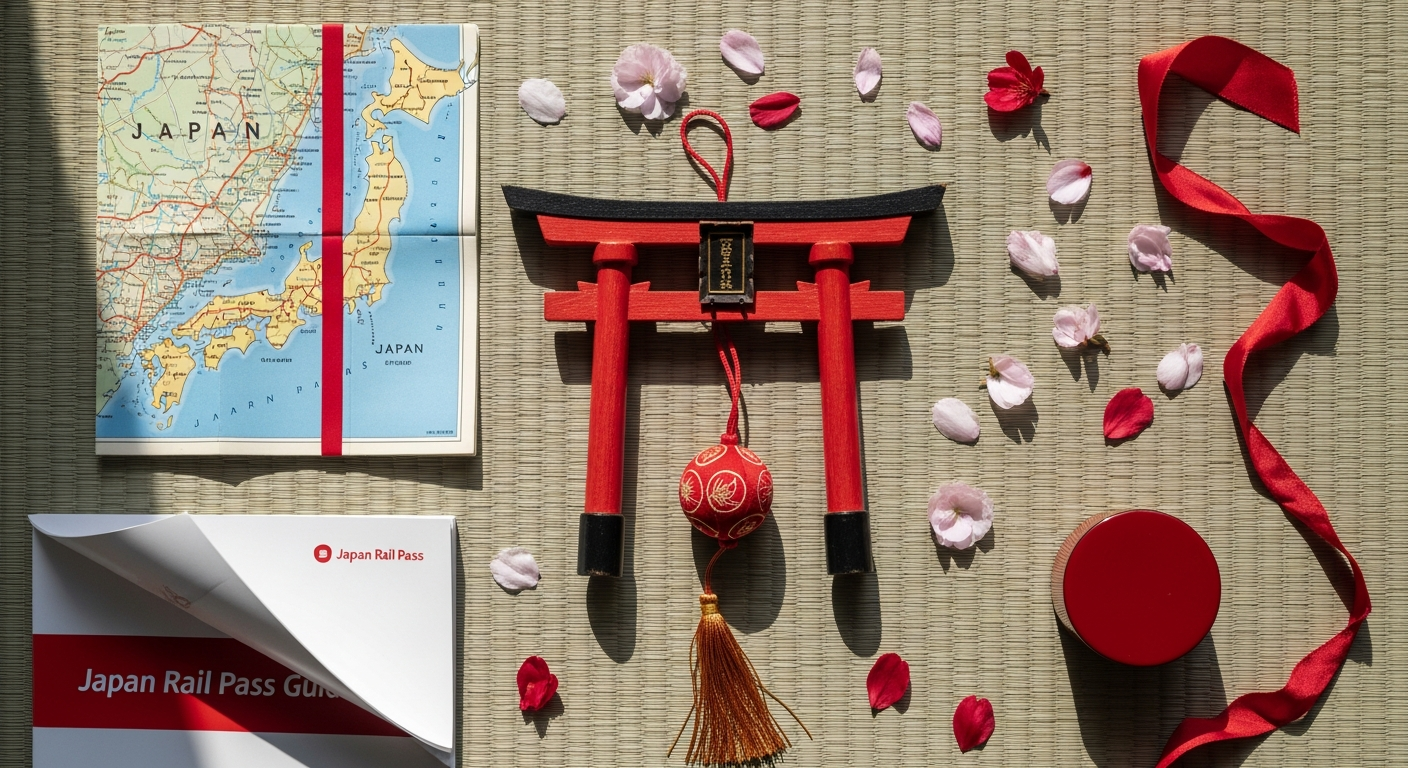
With the price adjustment, the perennial question of “Is the JR Pass worth it?” has gained even more significance for travelers planning their 2025 Japan adventure. The answer is not a simple yes or no; it depends entirely on your itinerary, travel style, and how much ground you plan to cover.
When the JR Pass is Likely Still a Great Deal
The JR Pass truly shines for those undertaking extensive, long-distance travel across multiple regions. If your itinerary involves several Shinkansen journeys, particularly between major cities, the pass can still offer significant savings and unparalleled convenience.
Example Itinerary Where the Pass Pays Off (7-Day Ordinary Car Pass at ¥50,000):
- Day 1: Tokyo to Kyoto (Tokaido Shinkansen) – approx. ¥13,800
- Day 3: Kyoto to Hiroshima (Sanyo Shinkansen) – approx. ¥11,000
- Day 4: Hiroshima to Onomichi (Sanyo Shinkansen to Shin-Onomichi or local JR to Onomichi) – approx. ¥4,500 (Shin-Onomichi)
- Day 6: Onomichi back to Tokyo (Sanyo/Tokaido Shinkansen) – approx. ¥16,000
- Plus: Multiple short trips within Tokyo, Kyoto, or Hiroshima on JR local lines, including the JR Sanyo Line along the coast from Onomichi. (Estimate: ¥5,000)
Total Estimated Individual Ticket Cost: ¥13,800 + ¥11,000 + ¥4,500 + ¥16,000 + ¥5,000 = ¥50,300
In this scenario, a 7-day JR Pass at ¥50,000 would essentially break even or offer slight savings, plus the immense convenience of not buying tickets for each leg. If you add more Shinkansen trips, or if your local JR usage is higher, the savings become more apparent. For longer passes (14 or 21 days), the number of long-distance trips needed to break even increases proportionally.
When the JR Pass Might Not Be Worth It
The JR Pass might not be the most economical choice for:
- Regional-focused trips: If you’re only planning to explore a specific region (e.g., just Kyushu, or only the Kansai area around Osaka/Kyoto), a regional JR Pass or individual tickets might be cheaper.
- Short, localized trips: If your itinerary involves spending most of your time in one city (like Tokyo) with only one or two short day trips, the cost of the pass will likely exceed the cost of individual tickets.
- Budget travelers prioritizing slower routes: If you’re happy to take slower, local trains for most of your journey and don’t mind longer travel times, individual tickets might be more budget-friendly.
Tools for Calculation: Hyperdia & Google Maps
To accurately assess if the JR Pass is right for you, we highly recommend using online itinerary planners:
- Japan Transit Planner (formerly Hyperdia): This website allows you to input your desired train routes and provides detailed information on train types, travel times, and most importantly, individual ticket costs. You can filter for “Japan Rail Pass” to see which routes are covered.
- Google Maps: Increasingly sophisticated for public transport in Japan, Google Maps can also provide train routes and estimated costs.
Plot out your full itinerary, calculate the cost of each individual ticket, and compare that total against the price of the JR Pass for your chosen duration. This is the most reliable way to make an informed decision for your 2025 trip.
How to Purchase Your Japan Rail Pass for 2025: A Step-by-Step Guide
Securing your Japan Rail Pass is a straightforward process, but it requires attention to detail. Here’s how you can purchase and activate your pass for your 2025 journey.
Step 1: Purchase Your Exchange Order or E-Ticket
You have a few options for purchasing the pass:
- Online through the Official JR Pass Website: This is often the most convenient method. You’ll purchase an e-ticket directly, which simplifies the activation process in Japan.
- Through an Authorized Travel Agent: Many travel agencies worldwide are authorized to sell JR Passes. You’ll typically receive an “Exchange Order” voucher that you then swap for the actual pass in Japan.
- Through Designated Online Travel Agencies (OTAs): Some major OTAs also sell JR Passes, often providing an Exchange Order.
- Inside Japan at Major JR Stations: While possible, it’s generally recommended to purchase online or via an agent beforehand to save time upon arrival. The price is now the same, but queues can be long.
Important Note: The JR Pass is exclusively for foreign tourists on a “Temporary Visitor” status. You will need your passport with this stamp to exchange/activate your pass.
Step 2: Arrive in Japan and Exchange/Activate Your Pass
Once you land in Japan, your next step is to exchange your Exchange Order for the actual JR Pass or activate your e-ticket.
- Locate a JR Exchange Office: These offices are found at major international airports (like Narita, Haneda, Kansai) and large JR train stations (e.g., Tokyo Station, Kyoto Station, Hiroshima Station). Look for signs that say “JR Pass Exchange Office” or “Midori no Madoguchi” (みどりの窓口 – JR Ticket Office).
- Present Required Documents: You’ll need your passport with the “Temporary Visitor” stamp (or sticker/seal), your Exchange Order (if applicable), and your e-ticket confirmation (if applicable).
- Choose Your Start Date: This is a crucial decision! You don’t have to start using your pass on the day you exchange it. You can choose any date within one month of the exchange date. Carefully plan your itinerary to select a start date that maximizes the pass’s value for your long-distance travel days. For instance, if you arrive in Tokyo and plan to spend 3-4 days exploring the city locally before heading to Kyoto and Onomichi, you might activate your pass on day 4 or 5.
- Receive Your JR Pass: The staff will issue your physical JR Pass. This pass is your ticket to ride – keep it safe!
Step 3: Make Your First Reservation
While you can ride non-reserved cars by simply showing your pass at the gate, we highly recommend making seat reservations for Shinkansen and Limited Express trains, especially during peak seasons or when traveling with specific departure times in mind. You can make reservations at any JR Ticket Office (Midori no Madoguchi) or increasingly, at designated ticket machines. More on this in the next section!
Maximizing Your JR Pass: Tips for Seamless Travel and Hidden Gems
Having a Japan Rail Pass is like holding the keys to the kingdom of Japanese travel. To truly make the most of your Japan rail pass guide 2025 experience, here are some invaluable tips.
1. Master Seat Reservations
While most JR trains have non-reserved cars, making reservations is smart, especially for:
- Shinkansen and Limited Express Trains: Ensures you have a seat, particularly on popular routes or during busy times (e.g., Golden Week, New Year’s, Obon, weekends).
- Long Journeys: Guarantees comfort for extended travel.
- Group Travel: Helps keep your party together.
How to Reserve:
- At JR Ticket Offices (Midori no Madoguchi): Present your JR Pass and tell the staff your desired destination, departure time, and train name. A simple “Shinkansen de [destination] made onegai shimasu” (I’d like to go to [destination] by Shinkansen, please) will work.
- At Ticket Machines: Many modern ticket machines at major stations now have English interfaces and allow JR Pass holders to reserve seats. You’ll usually scan your pass and then follow the prompts.
Pro Tip: You can reserve multiple tickets at once, even for future dates within your pass’s validity. If your plans change, you can cancel and re-book for free before the train departs.
2. Understand Train Types
Japan’s train network is incredibly efficient but has various service levels:
- Shinkansen (Bullet Train): The fastest and most iconic. Remember the restriction on Nozomi/Mizuho unless you buy a separate special ticket. Otherwise, you’ll use Hikari (光) or Sakura (さくら) for the Sanyo Shinkansen that connects to Shin-Onomichi.
- Limited Express (特急 – Tokkyu): Faster regional trains with fewer stops, often requiring seat reservations.
- Rapid (快速 – Kaisoku) / Local (普通 – Futsu): Slower trains that stop at most or all stations. Great for shorter distances and accessible with your JR Pass without reservations.
Using Hyperdia or Google Maps is essential to understand which train types are available for your route and how long they will take.
3. Utilize the JR Pass for Local Travel
Don’t forget your JR Pass isn’t just for Shinkansen! It’s valid on most JR local lines too. This can save you money on subway/bus fares in major cities that have extensive JR networks (e.g., Tokyo’s Yamanote Line, Osaka Loop Line). In areas like Onomichi, the local JR Sanyo Line runs right through the city, connecting you easily to nearby towns and attractions.
4. Plan for Baggage
While there are no strict weight limits, space for large luggage on trains, especially Shinkansen, can be limited. Oversized luggage (total dimensions > 160cm) often requires a special reservation on the Shinkansen, securing space behind the last row of seats in a car. Consider using Japan’s excellent luggage delivery services (Takuhaibin) for sending large bags ahead to your next hotel, allowing you to travel light between destinations.
5. Explore Regional Passes as Alternatives/Supplements
The national JR Pass is excellent, but if your travel is confined to a specific region or if the national pass doesn’t quite break even for your itinerary, consider regional JR Passes (e.g., JR Kansai Area Pass, JR Hiroshima-Yamaguchi Area Pass). These can sometimes offer better value for focused exploration and are great for travelers who want to dive deep into an area, like the Setouchi region where Onomichi resides.
Onomichi and Your JR Pass: A Perfect Combination for Exploration
For visitors heading to Onomichi, the JR Pass is an incredibly valuable asset. Onomichi, a charming port town nestled along the Seto Inland Sea, is easily accessible via the JR network, making it a fantastic addition to any cross-country itinerary.
Getting to Onomichi with Your JR Pass
Most travelers will arrive in Onomichi via the Shinkansen:
- To Shin-Onomichi Station (新尾道駅): This is your Shinkansen stop. From major cities like Tokyo, Kyoto, Osaka, or Hiroshima, you’ll take the Sanyo Shinkansen (Hikari or Sakura trains are covered by the JR Pass). Shin-Onomichi Station is about a 10-15 minute bus or taxi ride from the city center and Onomichi Station.
- To Onomichi Station (尾道駅): For direct access to the heart of Onomichi’s waterfront and main attractions, you’ll typically take a local JR Sanyo Line train from a major hub like Fukuyama Station (福山駅) or Mihara Station (三原駅). Fukuyama is a major Shinkansen stop where you can easily transfer to the local line. This means you might take the Shinkansen to Fukuyama, then a quick local train ride (covered by your JR Pass) to Onomichi Station.
Exploring Onomichi and Beyond with JR
Once in Onomichi, your JR Pass is still useful:
- Local JR Sanyo Line: The local JR Sanyo Line runs through Onomichi, connecting you to neighboring towns and attractions along the coast. It’s a convenient way to hop between different parts of the city or venture out for short day trips.
- Connecting to the Shimanami Kaido: While the Shimanami Kaido cycling route itself is not a JR service, your JR Pass gets you to Onomichi, the starting point! From Onomichi Station, it’s a short walk or ferry ride to the first islands.
- Day Trips to Hiroshima or Miyajima: With your JR Pass, you can easily take a local JR train from Onomichi back to Fukuyama, hop on the Shinkansen to Hiroshima, and then transfer to the JR Sanyo Line to Miyajimaguchi for the ferry to Miyajima (the JR ferry is also covered!). This makes Onomichi an excellent base for exploring the wider region.
Onomichi’s unique charm, with its temple walk, literary history, cat alleys, and stunning views of the Seto Inland Sea, makes it an unmissable stop. Your JR Pass ensures you can reach this beautiful destination efficiently and continue your journey to other wonders of Japan.
Practical Information and Essential Japanese Phrases for JR Pass Holders
A little preparation goes a long way in ensuring smooth travels with your JR Pass. Here are some extra tips and useful Japanese phrases.
Key Reminders:
- Non-JR Lines: The JR Pass is generally not valid on private railway lines, subways (unless operated by JR), or private buses. You’ll need to purchase separate tickets or use an IC card (like Suica or Pasmo) for these.
- Expiry Date: Always be mindful of your pass’s expiry date. Once it expires, you’ll need to purchase individual tickets for any further JR travel.
- Keep Your Passport Handy: On occasion, JR staff may ask to see your passport along with your JR Pass to verify your “Temporary Visitor” status.
- Lost Passes: JR Passes cannot be reissued if lost or stolen, so guard it carefully!
Essential Japanese Phrases for Train Travel:
- Sumimasen. (すみません。) – Excuse me / Sorry (use to get attention)
- Eigo o hanasemasu ka? (英語を話せますか。) – Do you speak English?
- JR Pass desu. (JRパスです。) – This is a JR Pass.
- Shinkansen noriba wa doko desu ka? (新幹線乗り場はどこですか。) – Where is the Shinkansen platform?
- [Destination] made. (〜まで。) – To [Destination]. (Point to your destination on a map if unsure how to pronounce.)
- Jiyū-seki desu ka? (自由席ですか。) – Is this a non-reserved seat?
- Shitei-seki onegai shimasu. (指定席お願いします。) – Reserved seat, please.
- Arigatou gozaimasu. (ありがとうございます。) – Thank you very much.
Don’t be afraid to try! Japanese people appreciate the effort, and a smile goes a long way.
Conclusion: Your 2025 Journey Awaits!
The Japan Rail Pass remains an incredible tool for exploring the diverse and captivating landscapes of Japan. While the recent price adjustments require a more careful assessment of its value for your specific itinerary, for many travelers embarking on a multi-region adventure in 2025, it continues to offer unparalleled convenience and potential savings.
From the bustling streets of Tokyo to the ancient temples of Kyoto, the poignant history of Hiroshima, and the tranquil, sloping charm of Onomichi, your JR Pass is your gateway. By understanding its nuances, planning strategically, and embracing the adventure, you’re set for an unforgettable journey through Japan. We at Onomichi Guide wish you happy travels and look forward to welcoming you to our beautiful corner of the world!