


The Enduring Majesty of Itsukushima Shrine: A UNESCO World Heritage Site
Itsukushima Shrine, with its distinctive vermilion structures built over the water, represents a pinnacle of traditional Japanese architecture and spiritual reverence. Its origins trace back to the 6th century, though its present form largely dates from the 12th century, meticulously developed by Taira no Kiyomori, a powerful political figure who envisioned the shrine as a grand testament to the Taira clan’s might and devotion. The entire complex is designed in the elegant Shinden-zukuri style, characteristic of aristocratic residences of the Heian period, adapted to its unique marine setting. This architectural choice ensured that the shrine would be perceived as a sacred space separate from the mundane land, accessible primarily by boat, enhancing its mystical aura.
The shrine is dedicated to the three daughters of Susanoo-no-Mikoto, the Shinto god of storms and seas. These goddesses are revered as deities of the sea, traffic, and fortune, making Itsukushima a vital spiritual hub for sailors, merchants, and anyone seeking blessings for safe journeys and prosperity. The belief that the entire island of Miyajima itself is sacred means that no births or deaths were traditionally allowed on the island, maintaining its purity and sanctity. This profound respect for the island’s spiritual integrity continues to shape the local customs and atmosphere.
Central to the shrine’s fame is its Great Torii Gate, standing majestically offshore. This towering gate, constructed from camphor wood, is not merely an entrance but a symbolic boundary between the spiritual and human worlds. Its unique placement allows it to be submerged at high tide, creating the illusion of floating, and then revealed at low tide, permitting visitors to walk directly to its base. This dynamic interaction with the tides is a fundamental aspect of the Itsukushima experience, symbolizing the ever-changing yet eternal nature of the divine.
In 1996, Itsukushima Shrine was inscribed as a UNESCO World Heritage site, recognized for its exceptional artistic and technical skill in adapting shrine architecture to its natural environment, and for its profound cultural significance as a place of worship embodying traditional Japanese spiritual beliefs. The designation underscores its global importance not just as a landmark, but as a living testament to centuries of Japanese faith, craftsmanship, and aesthetic sensibility. A visit here is not merely sightseeing; it is an immersion into a living piece of history and spirituality.
Planning Your Pilgrimage: Best Time to Visit and What to Expect in 2026

To truly appreciate Itsukushima Shrine’s unique charm, careful planning is essential, especially regarding the tides. The experience of seeing the Great Torii Gate at high tide versus low tide is dramatically different, and many visitors aim to witness both.
Understanding the Tides:
- High Tide: The iconic “floating” torii gate is best observed during high tide. At its peak, the water level rises sufficiently to encompass the torii’s pillars, giving it the ethereal appearance of hovering above the waves. This is the prime time for those quintessential postcard-perfect photographs and to experience the shrine’s main halls truly over the water. Plan to arrive about an hour before peak high tide to watch the water gradually engulf the gate.
- Low Tide: During low tide, the seabed around the torii gate is exposed, allowing visitors to walk directly to its base. This offers a unique perspective, revealing the barnacles and marine life clinging to its massive pillars, and allowing for an intimate encounter with the structure. It’s a fantastic opportunity to appreciate the sheer scale and construction of the gate up close.
Tide schedules vary daily and can be found online through various weather and marine forecast websites for Miyajima or Hiroshima. We highly recommend checking these schedules for your planned visit in 2026 and allocating enough time to experience both phenomena if your schedule permits. Ideally, plan for a full day or an overnight stay to witness both, potentially even experiencing the gate illuminated at night.
Seasonal Considerations for 2026:
- Spring (March – May): Arguably one of the most beautiful times to visit. Miyajima’s cherry blossoms (sakura) typically bloom in late March to early April, blanketing the island in soft pink hues, especially around the shrine complex and Mount Misen. The weather is generally mild and pleasant, making it ideal for exploring. However, this is also a peak travel season, so expect larger crowds and book accommodations well in advance.
- Summer (June – August): Summers can be hot and humid, but they also bring vibrant greenery and unique festivals. The Kangensai Festival in late July is a spectacular event where traditional boats adorned with music and performers parade past the shrine. While the heat might be intense, evening visits offer cooler temperatures and opportunities for stunning sunset views.
- Autumn (September – November): Another highly recommended season. Miyajima’s maple trees (momiji) transform into brilliant shades of red, orange, and gold, particularly beautiful around Momijidani Park and along the paths leading up Mount Misen. The crisp, clear weather is perfect for hiking and photography. Similar to spring, autumn is a popular time, so plan accordingly.
- Winter (December – February): Winters are generally mild compared to other parts of Japan, with occasional light snow adding a serene, almost magical quality to the landscape. Crowds are thinner, offering a more peaceful experience. It’s an excellent time for those seeking tranquility and unobstructed views of the torii gate against a crisp winter sky.
Operating Hours and Admission Fees (as of 2026):
Itsukushima Shrine typically opens from 6:30 AM and closes between 5:00 PM and 6:00 PM, with slight variations depending on the season. The entrance fee for the main shrine complex is usually around 300 yen. There are separate fees for other attractions like the Treasure Hall. Be aware that the shrine and its surrounding area can become very crowded, especially on weekends, national holidays, and during peak seasons. Arriving early in the morning or visiting later in the afternoon can help you avoid the largest throngs.
Renovations and Conservation Efforts:
Itsukushima Shrine is a living historical site, and ongoing maintenance is crucial for its preservation. While major renovation of the Great Torii Gate concluded in late 2022, ensuring its splendor for years to come, minor conservation work on other parts of the shrine complex may occur periodically. It’s always a good idea to check the official Miyajima tourist information website closer to your 2026 travel dates for any specific advisories regarding temporary closures or scaffolding, though major disruptions are rare. These efforts are a testament to Japan’s commitment to preserving its cultural heritage for future generations.
Navigating Miyajima Island: Beyond the Great Torii Gate
Getting to Miyajima:
The journey to Miyajima is part of the adventure. From Hiroshima, the most common way is to take a train to Miyajimaguchi Station (approximately 30 minutes from Hiroshima Station via the JR Sanyo Line). From Miyajimaguchi, it’s a short walk to the ferry terminal. Two ferry companies operate services to Miyajima: JR Miyajima Ferry and Matsudai Kisen. The JR Miyajima Ferry is covered by the Japan Rail Pass, making it a popular choice for international travelers. The ferry ride itself is about 10 minutes, offering fantastic views of the torii gate as you approach the island. For those interested in exploring the wider Seto Inland Sea, there are also direct high-speed boat services from Hiroshima Peace Park or Hiroshima Port, though these are typically not covered by the JR Pass.
The Main Shrine Complex:
Upon disembarking the ferry, a pleasant walk along the waterfront, often accompanied by friendly wild deer, leads you directly to the shrine entrance. The main shrine complex itself is a marvel of wooden architecture built over the water. It comprises several interconnected halls: the Honden (main hall), Heiden (prayer hall), Haiden (offering hall), and various stages for traditional performances. Walking along the wooden corridors, especially when the tide is high, feels like floating on the sea. Don’t miss the beautiful Nō stage, one of the few built over water, which hosts traditional Nō and Kabuki performances. The reflections of the vermilion pillars and intricate carvings on the water are particularly stunning.
Other Sacred Sites:
- Daiganji Temple: Located near Itsukushima Shrine, Daiganji is a Buddhist temple dedicated to Benzaiten, one of the Seven Lucky Gods, and is known for its beautiful garden and serene atmosphere. It holds a significant connection to Itsukushima Shrine, as it traditionally managed the shrine’s affairs before the Meiji Restoration separated Shinto and Buddhism.
- Senjokaku Pavilion (Toyokuni Shrine) and Five-story Pagoda: Perched on a hill overlooking the shrine and the sea, Senjokaku, meaning “pavilion of 1,000 mats,” was built by Toyotomi Hideyoshi in the late 16th century. It offers panoramic views and a vast, open interior. Adjacent to it stands the exquisite Five-story Pagoda (Gojunoto), a vibrant vermilion structure that combines Japanese and Chinese architectural styles, providing another iconic backdrop for photography.
- Omotesando Shopping Street: This bustling street leads from the ferry terminal to the shrine, lined with shops selling local crafts, souvenirs, and delicious snacks. It’s the perfect place to sample Miyajima’s culinary delights.
Mount Misen: Miyajima’s Sacred Peak:
For those seeking adventure and breathtaking vistas, a journey to the summit of Mount Misen (535 meters) is highly recommended. It is considered Miyajima’s highest point and is revered as a sacred site with strong ties to the Buddhist monk Kobo Daishi.
- Ropeway: The easiest way to ascend is via the Miyajima Ropeway, which offers spectacular aerial views of the Seto Inland Sea and the islands. The ropeway operates in two sections, taking about 20 minutes in total. From the upper station, it’s a pleasant 30-minute hike to the summit.
- Hiking Trails: For the more active, there are three main hiking trails leading to the summit: the Momijidani Course (the shortest, often combined with the ropeway), the Daisho-in Course (known for its numerous Buddhist statues and scenic views), and the Omoto Course (the longest and most challenging). Each trail offers a unique perspective of the island’s lush forests and spiritual sites.
At the summit, you’ll find an observation deck with unparalleled 360-degree views stretching across the Seto Inland Sea, Hiroshima city, and beyond. You can also visit several small temples and spiritual sites, including the Reikado (Eternal Flame Hall), where a flame is said to have been burning continuously since Kobo Daishi lit it over 1,200 years ago.
Meeting the Wild Deer:
One of Miyajima’s most charming features is its population of wild sika deer. These gentle creatures roam freely throughout the island, often approaching visitors with curiosity. While they are accustomed to human presence, it’s important to remember they are wild animals. Please refrain from feeding them, as it can disrupt their natural diet and behavior. Enjoy their presence from a respectful distance.
Local Specialties to Savor:
No visit to Miyajima is complete without indulging in its local delicacies:
- Momiji Manju: These maple-leaf-shaped cakes are Miyajima’s most famous souvenir. Traditionally filled with sweet red bean paste, they now come in a variety of flavors including custard, matcha, and chocolate. Many shops on Omotesando Street offer freshly baked samples.
- Anago Meshi: Eel rice, a local specialty of Miyajima. Unlike the freshwater eel (unagi) often found elsewhere, Miyajima uses saltwater eel (anago), which is lighter in flavor and typically grilled with a savory-sweet sauce and served over rice.
- Oysters: Hiroshima Prefecture is renowned for its oysters, and Miyajima is no exception. You’ll find numerous restaurants and street stalls offering fresh, grilled, or fried oysters, especially during the oyster season (autumn to spring).
Capturing Miyajima’s Essence: Photography Tips and Iconic Spots
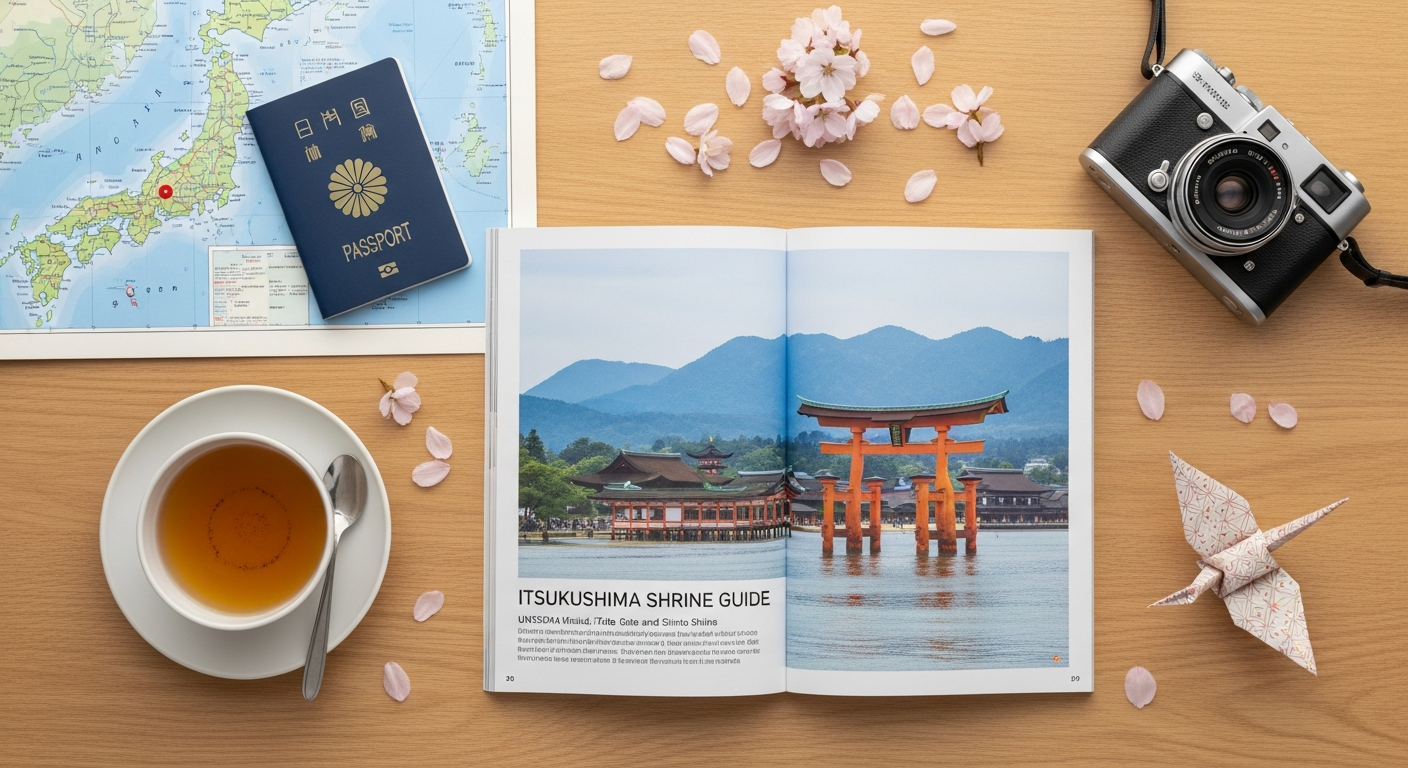
Miyajima Island is a photographer’s paradise, offering an endless array of stunning compositions, from the iconic Great Torii Gate to serene temples and panoramic mountain views. To help you capture its magic, here are some essential tips and prime photography spots for your 2026 visit.
The Great Torii Gate: A Dynamic Subject:
The Great Torii Gate is undoubtedly the star of the show, and its appearance changes dramatically with the tides and time of day.
- High Tide Reflections: For that classic “floating” image, position yourself along the shoreline near the Itsukushima Shrine or from the ferry as you approach the island. Aim for sunrise or sunset to capture warm hues and soft light reflecting on the water. A wide-angle lens can help encompass the entire scene.
- Low Tide Intimacy: When the tide recedes, you can walk directly to the base of the gate. This offers a fantastic opportunity for close-up shots, capturing the weathered wood, the barnacles clinging to its pillars, and the sheer scale of the structure from below. Don’t forget to look up and capture the intricate details of the crossbeams.
- Night Photography: The illuminated torii gate and shrine at night are absolutely magical. With a tripod and a longer exposure, you can capture stunning long-exposure shots that transform the scene into a dreamlike landscape. The best vantage points are from the shoreline or from a boat tour.
- Framing and Composition: Experiment with framing the torii gate with elements like the shrine buildings, the Five-story Pagoda, or even the wild deer in the foreground. Use the natural lines of the water or the pathway to lead the viewer’s eye towards the gate.
Itsukushima Shrine Complex: Details and Perspectives:
- Overwater Corridors: The vermilion corridors of the shrine offer beautiful leading lines and reflections, especially at high tide. Focus on the intricate architectural details, the lanterns, and the interplay of light and shadow.
- Stages and Pavilions: The Nō stage, with its elegant design, and the various prayer halls provide opportunities for capturing traditional Japanese aesthetics. Look for moments when the light filters through the wooden lattice work.
Panoramic Views from Mount Misen:
The summit of Mount Misen offers arguably the most spectacular panoramic views of the Seto Inland Sea, the surrounding islands, and even Hiroshima on a clear day.
- Observation Deck: The main observation deck provides an unobstructed 360-degree vista. This is ideal for sweeping landscape shots, especially during sunrise or sunset.
- Along the Trails: If you hike up or down Mount Misen, you’ll discover numerous viewpoints through the forest, offering unique perspectives of the island and the coastline.
Serene Temples and Gardens:
- Daisho-in Temple: This temple complex is a treasure trove of photographic opportunities. From the hundreds of Jizo statues lining the paths to the vibrant prayer wheels and the beautiful gardens, there’s a peaceful and artistic shot around every corner.
- Momijidani Park: Especially stunning in autumn, this park is perfect for capturing vibrant fall foliage. The small streams, bridges, and traditional tea houses provide picturesque settings.
Street Photography and Local Life:
Don’t forget to explore the charming streets of Miyajima.
- Omotesando Shopping Street: Capture the lively atmosphere, the traditional shop fronts, and the delicious local snacks. The wild deer often add character to these scenes.
- Side Streets: Venture off the main tourist path to discover quieter lanes, traditional houses, and local interactions. These often yield unique and authentic glimpses into Miyajima’s daily life.
General Photography Tips:
- Golden Hour: The hours just after sunrise and before sunset (golden hour) provide the softest, most flattering light for virtually any subject.
- Tripod: Essential for night photography, long exposures, and ensuring sharp images in low light.
- Lens Choice: A versatile zoom lens (e.g., 24-70mm or 18-135mm) is great for covering various scenes. A wide-angle lens is perfect for landscapes and architectural shots, while a telephoto can help capture details on Mount Misen or the torii gate from a distance.
- Respect: Always be mindful of other visitors and the sacred nature of the sites. Avoid disrupting ceremonies or blocking pathways for extended periods.
While Miyajima offers unparalleled coastal and shrine photography, remember that other areas in the Seto Inland Sea region also boast incredible opportunities. For instance, the charming town of Onomichi, with its hillside temples, narrow alleyways, and stunning views of the Seto Inland Sea, provides a completely different array of Onomichi Photography Spots. From the iconic Cat Alley to the panoramic views from Senkoji Temple Park, Onomichi’s unique blend of retro charm and natural beauty makes it a superb complement to Miyajima for any photography enthusiast. Exploring both regions allows you to capture a diverse portfolio of Japan’s captivating landscapes and cultural scenes.
Making the Most of Your Trip: Practical Advice and Broader Exploration
A trip to Itsukushima Shrine and Miyajima Island is an unforgettable experience, but with a bit of strategic planning, you can maximize your enjoyment and even extend your adventure to other fascinating destinations in the Seto Inland Sea region in 2026.
Accommodation Options:
Deciding where to stay can significantly impact your experience.
- On Miyajima Island: Staying overnight on Miyajima allows you to experience the island’s serene atmosphere after the day-trippers depart. You can witness the illuminated torii gate and shrine at night, enjoy a peaceful morning stroll before the crowds arrive, and savor traditional Japanese hospitality at a ryokan (traditional inn). Many ryokans offer rooms with views of the torii and provide exquisite multi-course dinners (kaiseki) featuring local seafood. This immersive experience is highly recommended for those seeking tranquility and a deeper connection with the island.
- In Hiroshima City: Hiroshima offers a wider range of accommodation options, from budget-friendly hostels to luxury hotels. Staying in Hiroshima provides convenient access to the Peace Memorial Park and Museum, as well as a vibrant nightlife and diverse dining scene. It’s an excellent base for day trips to Miyajima, allowing for flexibility and access to more amenities. Public transport between Hiroshima and Miyajimaguchi is frequent and efficient.
Recommended Duration of Visit:
- Half-Day Trip: If you’re pressed for time, a half-day trip can cover the main highlights: a ferry ride past the torii, a quick visit to Itsukushima Shrine, and a stroll along Omotesando Street. However, this pace can feel rushed and may not allow for experiencing both high and low tides or ascending Mount Misen.
- Full-Day Trip: A full day is ideal for most visitors. It allows you to explore Itsukushima Shrine thoroughly, visit Daiganji Temple and Senjokaku, enjoy local cuisine, and potentially ascend Mount Misen via ropeway for panoramic views. With careful planning around tide times, you can witness both the “floating” and accessible torii gate.
- Overnight Stay: For the most comprehensive and relaxed experience, an overnight stay is highly recommended. This allows you to truly soak in the island’s atmosphere, enjoy the illuminated shrine, and explore at a leisurely pace, perhaps even hiking one of Mount Misen’s trails.
Combining Miyajima with Hiroshima Peace Memorial Park:
Many visitors combine a trip to Miyajima with a visit to Hiroshima Peace Memorial Park and Museum. These two destinations, though vastly different in nature, are often paired due to their proximity and profound significance. The Peace Memorial Park offers a somber yet essential reflection on humanity’s capacity for destruction and resilience, providing a powerful contrast to Miyajima’s ancient spirituality and natural beauty. It’s entirely feasible to visit both in a single day, perhaps dedicating the morning to the Peace Park and the afternoon/evening to Miyajima, or vice-versa, depending on tide schedules.
Exploring the Wider Seto Inland Sea Region:
While Miyajima is a highlight, the Seto Inland Sea region offers a wealth of diverse experiences. If you’re captivated by the charm of Japanese culture, history, and stunning scenery, consider extending your itinerary to other unique locales.
For instance, the picturesque town of Onomichi, often referred to as “the town of slopes,” presents a delightful contrast to Miyajima’s sacred island vibe. With its labyrinthine alleyways, hillside temples, and vibrant arts scene, there’s an abundance of What To Do In Onomichi Japan. You could spend days exploring its literary paths, cycling the Shimanami Kaido, or simply enjoying the panoramic views of the islands from Senkoji Park. Onomichi offers a more lived-in, authentic feel, perfect for those who appreciate charming urban landscapes and a slower pace of travel.
Further into the Seto Inland Sea, on Ikuchijima Island, you’ll discover another architectural marvel: Kosanji Temple. For those deeply interested in religious art and unique temple structures, a dedicated Setoda Kosanji Temple Guide would reveal a fascinating, almost whimsical temple complex built by a wealthy industrialist. Its eclectic blend of architectural styles, from grand pagodas to a replica of the Phoenix Hall, offers a distinct spiritual and artistic experience that stands apart from the ancient reverence of Itsukushima. Combining these destinations allows for a rich tapestry of experiences, showcasing the incredible diversity of Japan’s cultural and natural heritage in the Setouchi region.
By integrating these diverse experiences into your 2026 itinerary, you’ll gain a deeper appreciation for the beauty and complexity of Japan, making your journey truly comprehensive and memorable. Miyajima is just the beginning of what the enchanting Seto Inland Sea has to offer.
Frequently Asked Questions
When is the best time to see the “floating” torii gate at Itsukushima Shrine?▾
Can I walk to the Great Torii Gate?▾
How long should I plan for a visit to Miyajima Island?▾
Are there wild deer on Miyajima Island, and can I feed them?▾
What are some local foods I should try on Miyajima?▾
Is Miyajima Island accessible for visitors with limited mobility?▾
Recommended Resources
For more on Itsukushima Shrine guide, see Florida Vacation Spots Worth Visiting on Vacation Rental Planners.
Check out Mexico Vacation Guide Best Destinations on Vacation Rental Planners for a deeper dive.