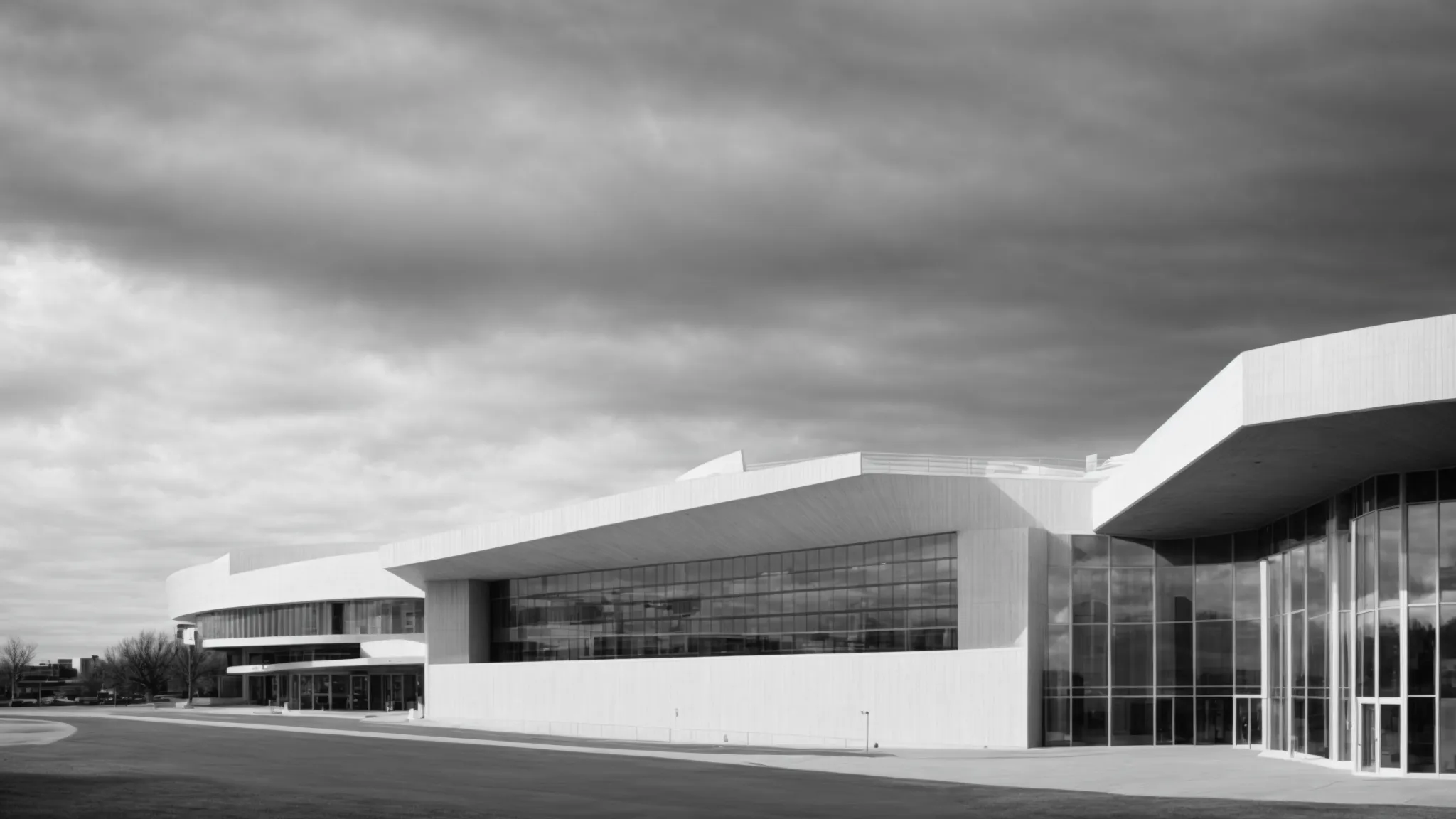
Nestled in the heart of Saskatoon, TCU Place stands as a testament to the city’s vibrant cultural scene. With its state-of-the-art facilities, this convention center plays host to a myriad of events, from performing arts to corporate conferences. It has become a cornerstone for entertainment and social connection in the city. Whether you’re looking to immerse yourself in the arts or host an event in a world-class venue, TCU Place offers an experience that caters to a wide range of preferences. Below, we explore what makes TCU Place a cultural landmark and a hub for community engagement.
Discovering TCU Place: Saskatoon’s Hub for Arts and Culture

TCU Place serves as a beacon for artistic expression and cultural gathering in Saskatoon. Since its opening, it has welcomed over a million visitors annually, showcasing a variety of performances and events. This diverse programming ensures that there is something for everyone, from avid theater-goers to those seeking an introduction to the arts.
The versatility of the venue is evidenced by its ability to host symphonies, ballets, and Broadway shows alike. TCU Place prides itself on its acoustic excellence and versatility, with its Sid Buckwold Theatre offering seating for up to 2,003 guests. The space can transform to accommodate an intimate jazz quartet just as seamlessly as a grand operatic performance.
For those interested in experiencing the artistic offerings of TCU Place, checking the TCU Place events calendar is a good starting point. The website provides insight into upcoming performances, ticket availability, and special promotions that cater to a wide range of interests and age groups.
Architectural Highlights of TCU Place: Blending Modernity and Tradition
TCU Place is not only about what happens on stage but is also a marvel of contemporary architecture. Designed with a modernist aesthetic, the venue’s sharp lines and wide-open spaces reflect both innovation and traditional Prairie sensibilities. The building’s facade, a symphony of glass and concrete, invites patrons into a world of aesthetic delight even before they step inside.
The interior design complements the exterior, with spacious foyers, ample natural lighting, and a sophisticated use of materials. The facility’s latest renovations include state-of-the-art technological upgrades, ensuring the venue remains at the forefront of modern expectations. These investments serve to enhance the overall experience for both performers and patrons alike.
Visitors with an appreciation for architecture and design should take the time to explore not just the main theater, but also the smaller venues and communal spaces within TCU Place. The combination of function and form makes it an excellent case study in contemporary building design.
A Calendar of Events: Diverse Offerings at TCU Place
Staying true to its mission of promoting diversity in arts and culture, TCU Place offers an extensive lineup of events throughout the year. From high-profile concerts by international artists to local theatre productions, the variety is impressive. The schedule is carefully curated to balance popular demand with the promotion of local arts.
Notably, TCU Place also acts as the epicenter for numerous festivals and conferences, drawing in attendees from across the province and beyond. These events not only entertain but also stimulate economic growth by supporting hospitality and other local businesses. For example, the Saskatoon Blues Festival has seen an increase in attendance, showcasing the draw of musical events held at TCU Place.
To experience the full range of what TCU Place has to offer, locals and tourists alike are encouraged to attend a selection of events throughout the year. Doing so not only supports the arts but also contributes to Saskatoon’s reputation as a hub for cultural excellence.
TCU Place and Community Impact: Fostering Cultural Engagement in Saskatoon

TCU Place’s influence extends beyond its walls, playing a pivotal role in fostering community involvement and pride. The venue regularly partners with local organizations for events that highlight community talents and causes. These collaborations often provide a launchpad for emerging artists and bring attention to important social issues.
Education is a key aspect of TCU Place’s community initiatives, with programs designed to engage youth in the arts. Schools often take field trips to TCU Place, where students are introduced to the performing arts, which enhances their creative development and academic performance. Moreover, TCU Place is a sought-after venue for graduations and other academic celebrations, marking significant milestones in the lives of Saskatoon’s residents.
Those looking to contribute to TCU Place’s community impact can consider volunteering, becoming a member, or donating to its educational programs. Such involvement not only enriches the individual’s life but also strengthens the cultural fabric of the city.
Ultimately, TCU Place represents a vital component of Saskatoon’s cultural and community life. Its continued success is a reflection of the collective dedication to arts, culture, and communal harmony.