The Shimanami Kaido: A Cycling Dream Beckons
The Shimanami Kaido, officially known as the Nishiseto Expressway, is a 70-kilometer (approximately 43-mile) long toll road that connects Onomichi in Hiroshima Prefecture with Imabari in Ehime Prefecture. What makes it truly special for international travelers is its dedicated cycling and pedestrian path, meticulously signposted and separated from vehicle traffic for much of its length. This cycling path is famous for its unique structure, incorporating eleven bridges, each an architectural marvel, that gracefully arc over the sparkling waters of the Seto Inland Sea, offering unparalleled panoramic views. It’s consistently ranked among the world’s best cycling routes, and for good reason.
Picture yourself riding over massive suspension bridges, the wind in your hair, with islands dotting the horizon like emerald jewels. Imagine stopping at a quaint island cafe for a freshly squeezed citrus juice, exploring a historic temple, or simply soaking in the tranquil beauty of a fishing village. This is the magic of cycling across Shimanami Kaido. It’s an adventure that caters to all levels, from casual riders to seasoned pros, thanks to its relatively flat terrain (except for the bridge ascents) and exceptional infrastructure. The route is clearly marked with a distinctive blue line painted directly on the road, guiding you every pedal of the way. It’s more than just a physical challenge; it’s a sensory feast and a deep dive into rural Japan’s beauty and hospitality.
Your Onomichi Gateway: Starting Your Shimanami Kaido Journey
Onomichi serves as the quintessential starting point for your Shimanami Kaido adventure, and for many good reasons. This picturesque port town, famous for its坂道 (sakamichi – hilly slopes), literary history, and delicious Onomichi Ramen, perfectly sets the tone for the journey ahead. Getting to Onomichi is straightforward:
- By Train: Onomichi Station (尾道駅) is a stop on the JR Sanyo Main Line. From major cities like Hiroshima or Osaka, you can take a Shinkansen (新幹線 – bullet train) to Shin-Onomichi Station (新尾道駅) and then a local train or bus to Onomichi Station. Alternatively, if coming from Hiroshima, a direct local train is also an option.
- By Bus: Long-distance buses connect Onomichi with various cities across Japan.
Once in Onomichi, you’ll feel the buzz of cyclists preparing for their journey. The most iconic starting point is undoubtedly the Onomichi U2 complex. This stylish, converted warehouse space is not just a bicycle rental hub but also a hotel (Hotel Cycle), restaurant, cafe, and specialty shop, all tailored for cyclists. It’s a fantastic place to spend your first night, soak in the cycling atmosphere, and get ready for the road.
From Onomichi Station to Mukaishima: The First Leg
- Ferry from Onomichi Port: Just a short walk from Onomichi Station and Onomichi U2, several small car and passenger ferries regularly depart for Mukaishima. The ride is brief (around 5 minutes) and incredibly charming, offering your first close-up views of the Seto Inland Sea. You simply roll your bike on and pay a small fee (a few hundred yen).
- Bike and Pedestrian Ferry (Eki-mae Ferry): An even quicker option, this tiny ferry departs right in front of Onomichi Station, taking you directly to the Mukaishima side. It’s a very local experience and puts you right on the blue line.
Both options are efficient and add a unique charm to the start of your adventure. As you disembark on Mukaishima, you’ll immediately spot the ubiquitous blue line, beckoning you onward.
Gearing Up: Bicycle Rentals and Essential Preparations
One of the most appealing aspects of cycling across Shimanami Kaido for international visitors is the excellent and convenient bicycle rental system. You don’t need to bring your own bike all the way to Japan!
Shimanami Kaido Bicycle Rental System
The official Shimanami Kaido rental system allows you to pick up a bicycle at one terminal and drop it off at another, offering incredible flexibility. There are numerous rental terminals scattered along the route, including major ones in Onomichi, Innoshima, Ikuchijima, Omishima, Hakatajima, Oshima, and Imabari.
- Types of Bikes:
- Cross Bikes (Hybrid Bikes): The most popular choice for the Shimanami Kaido. Comfortable, relatively lightweight, and efficient for the paved path. Highly recommended for most riders.
- Road Bikes: For experienced cyclists looking for speed and performance. These are less common in the general rental system and usually require booking from specialized shops.
- Electric-Assist Bicycles (E-bikes): A game-changer for those who want a little extra help, especially up the bridge ascents or if you’re not a regular cyclist. They make the journey much more accessible and enjoyable for a wider range of fitness levels. Highly recommended if you want a relaxed pace or have limited time.
- Tandem Bikes, Kids Bikes, Recumbents: Some terminals offer these specialty bikes, but availability can be limited.
- Rental Process:
- Choose a Terminal: Onomichi City Port, Onomichi U2, and Sunrise Itoyama (Imabari) are major hubs.
- Fill Out a Form: Provide your name, contact details, and a deposit.
- Select Your Bike: Staff will help you choose a bike based on your height.
- Pay the Fee: Rental fees are very reasonable, typically around 1,500-2,000 JPY per day for a cross bike, with an additional 1,000 JPY for the optional return fee (if dropping off at a different terminal). E-bikes are usually a bit more expensive.
- Helmet and Lock: Helmets are often included or available for a small fee. A lock is always provided.
- Reservations: While walk-ins are often possible, especially on weekdays, making a reservation, particularly for electric-assist bikes or during peak season (spring and autumn weekends), is highly advisable. You can usually reserve through specific rental terminal websites.
What to Pack: Essentials for Your Shimanami Kaido Ride
Preparation is key for a comfortable and enjoyable journey. Here’s a checklist of essentials:
- Comfortable Cycling Clothes: Breathable fabrics are best. Padded shorts can make a big difference, especially for longer rides.
- Footwear: Closed-toe shoes are a must.
- Sun Protection: Sunscreen, sunglasses, and a hat (for off-bike exploration) are crucial, as the route is exposed.
- Water Bottle(s): Stay hydrated! There are vending machines and shops, but having your own supply is wise.
- Snacks: Energy bars, fruit, or local Japanese treats (like hassaku daifuku – a local citrus mochi) are great for quick boosts.
- Small Backpack/Pannier: For your essentials. Consider luggage forwarding services for larger bags.
- Basic First-Aid Kit: Band-aids, antiseptic wipes, pain relievers.
- Camera/Smartphone: For capturing those incredible views! A portable charger is also a good idea.
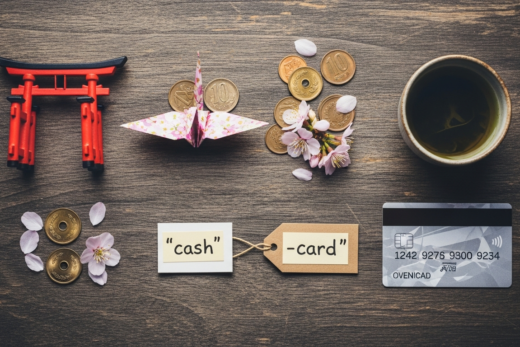
- Cash: While cards are accepted in some places, many smaller shops, cafes, and ferry services are cash-only.
- Rain Gear: Especially if cycling during the rainy season (June-July). A lightweight, packable rain jacket is sufficient.
Luggage Forwarding (Tebura Service)
To truly enjoy your ride without the burden of heavy luggage, consider using a luggage forwarding service (手ぶらサービス – tebura sa-bisu, meaning “empty-handed service”). You can often arrange for your main luggage to be sent from your accommodation in Onomichi directly to your next accommodation on one of the islands or in Imabari. This service is incredibly convenient and relatively inexpensive, allowing you to ride with just a small daypack.
Navigating the Blue Path: Following the Iconic Shimanami Kaido Route
The Shimanami Kaido is celebrated for its incredibly cyclist-friendly navigation. The famous “blue line” is your constant companion, making it nearly impossible to get lost.
The Ubiquitous Blue Line
Literally a blue line painted on the pavement, this indicator guides you from Onomichi to Imabari. Along with arrows, distance markers, and clear signage (often in English), it takes the guesswork out of route finding. There’s also an optional side route on Ikuchijima (生口島) for those wanting to explore more, also marked.
Understanding the Bridges and Tolls
There are ten bridges with dedicated cycling/pedestrian paths. Each bridge ascent involves a gentle ramp that loops up to the main bridge level. These ramps are part of the charm and offer fantastic views as you climb. Be prepared for a gradual but consistent climb for each bridge. Electric-assist bikes truly shine here!
Cyclists are required to pay a small toll for each bridge. These tolls range from 50 to 200 JPY per bridge (as of my last update). There are collection boxes (often unmanned, relying on an honor system) at the entrance to each bridge’s cycling path. You simply drop the exact change into the slot. It’s advisable to carry plenty of 100 JPY coins for this purpose.
Pro-tip: If you plan on cycling the entire route, you can purchase a “Shimanami Kaido Cycling Map & Bridge Toll Ticket” booklet from rental terminals or tourist information centers. This booklet includes the map and all the necessary toll tickets, making the process even smoother.
Maps and GPS
Emergency Services and Support
The Shimanami Kaido is well-equipped for cyclists. Along the route, you’ll find “Cycle Oasis” points – these are usually small shops, cafes, or community centers that offer free air pumps, restrooms, and sometimes even basic repair tools or water. Look for the distinctive “Cycle Oasis” sign. In case of a more serious bike malfunction, the rental terminals can provide assistance, or local bike shops might be able to help (though these are less common on some islands).
Island by Island: Discovering the Treasures of the Seto Inland Sea
The true joy of cycling across Shimanami Kaido lies in the journey through each unique island, each offering its own flavor and attractions. Here’s a glimpse of what awaits you after departing Onomichi and Mukaishima:
Mukaishima (向島)
The first island, just a ferry ride from Onomichi. Mukaishima is less touristy but offers pleasant coastal cycling, agricultural landscapes, and a glimpse into everyday island life. It’s a good warm-up for the longer stretches ahead.
Innoshima (因島)
Connected to Mukaishima by the Innoshima Bridge (因島大橋). Innoshima is famous for its citrus fruit, particularly hassaku (八朔), a type of tangy orange. Don’t miss trying hassaku daifuku, a mochi confection with whole hassaku fruit inside. The island is also home to the Innoshima Suigun Castle (因島水軍城), a reconstructed castle with a museum dedicated to the Murakami Suigun, a pirate clan that controlled these waters in the medieval period.
Ikuchijima (生口島)
The next island, reached via the Ikuchi Bridge (生口橋). Ikuchijima is perhaps the most art-focused island on the route. It’s known for its lemon groves – in fact, it’s considered “Lemon Island,” producing more lemons than anywhere else in Japan. The island is home to the scenic Kosanji Temple (耕三寺), an elaborate and colorful temple complex built by a wealthy industrialist as a tribute to his mother, featuring a marble garden called the “Hill of Hope.” There are also several outdoor contemporary art installations as part of the “Island of Art” project.
Omishima (大三島)
Cross the Tatara Bridge (多々羅大橋), one of the world’s longest cable-stayed bridges, to reach Omishima. This island is a cultural gem. It houses the Oyamazumi Shrine (大山祇神社), one of Japan’s oldest and most revered Shinto shrines, famous for its treasury of ancient samurai armor and weapons. Omishima also offers beautiful viewpoints and quiet coastal roads. For foodies, don’t forget to try the local seafood and citrus products.
Hakatajima (伯方島)
Accessed via the Hakata-Oshima Bridge (伯方・大島大橋). Hakatajima is renowned for its sea salt, Hakata no Shio (伯方の塩). You can often find specialty products made with this salt, from ice cream to sweets. It’s a smaller, more relaxed island, perfect for a peaceful break.
Oshima (大島)
The penultimate island before Shikoku, connected by the Kurushima Kaikyo Bridge (来島海峡大橋). Oshima is mountainous and rugged, offering stunning viewpoints of the Seto Inland Sea and its whirlpools. The Kirosan Observatory Park (亀老山展望公園) provides arguably the most spectacular panoramic views of the Kurushima Kaikyo Bridge, especially at sunset. It’s a challenging but rewarding climb to the observatory. You can also experience dynamic tidal currents and whirlpools on boat tours from this island.
Imabari (今治) – The Goal!
Finally, you cross the monumental Kurushima Kaikyo Bridge (来島海峡大橋) – a series of three suspension bridges spanning over 4 kilometers – to reach Imabari City in Ehime Prefecture on Shikoku. Imabari is famous for its high-quality towels (Imabari Towel – 今治タオル) and Imabari Castle (今治城), a unique castle surrounded by a seawater moat. The main cycling terminal, Sunrise Itoyama (サンライズ糸山), is located just off the bridge on the Imabari side and is a popular spot to drop off rental bikes, celebrate your achievement, and grab a well-deserved meal.
Rest and Recharge: Accommodations and Culinary Delights Along the Way
Part of the charm of cycling across Shimanami Kaido is the opportunity to stay overnight on one of the islands, allowing you to truly immerse yourself in the local atmosphere. Accommodations vary from modern hotels to traditional Japanese guesthouses (minshuku or ryokan).
Accommodation Options
- Onomichi: Hotel Cycle at Onomichi U2, various budget and mid-range hotels, guesthouses.
- Island Stays:
- Minshuku (民宿): Family-run Japanese guesthouses, often including dinner and breakfast. A fantastic way to experience local hospitality and cuisine.
- Guesthouses/Hostels: Several islands now have cycle-friendly guesthouses catering specifically to cyclists, offering bike storage and sometimes even simple repair facilities.
- Hotels: Limited options on some islands, but available in Imabari.
- Camping: A few campsites exist, particularly on Oshima.
- Booking: Especially during peak seasons (spring and autumn) and weekends, it’s highly recommended to book your accommodation in advance.
Culinary Delights
The Seto Inland Sea is a foodie’s paradise, boasting fresh seafood and an abundance of citrus fruits. Make sure to fuel up with these local specialties:
- Onomichi Ramen (尾道ラーメン): A must-try in Onomichi! This soy-sauce-based broth with pork fat and thin, flat noodles is iconic.
- Citrus Fruits: From hassaku to lemons, tangerines, and mikan, the islands are bursting with delicious citrus. Try fresh juices, jellies, and desserts.
- Seafood: Fresh fish, oysters, and other marine delicacies are available at restaurants and markets. Don’t miss opportunities for a fresh sashimi bowl (刺身丼 – sashimi-don).
- Hakata no Shio Products: Taste-test anything made with the famous salt from Hakatajima.
- Local Cafes: Quaint cafes dot the route, offering refreshing drinks and light meals, often with stunning views.
Practical Pointers for a Perfect Ride: Safety, Packing, and More
To ensure your journey of cycling across Shimanami Kaido is as smooth as possible, keep these practical tips in mind:
- Ride on the Left: Remember that in Japan, traffic drives on the left side of the road. Always cycle on the left.
- Helmets are Recommended: While not legally mandatory for adults, wearing a helmet is highly recommended for safety. Most rental places provide them.
- Observe Traffic Laws: Follow traffic signals, stop at stop signs, and be mindful of pedestrians and other cyclists.
- Stay Hydrated: Japanese summers can be very hot and humid. Drink plenty of water. Vending machines are plentiful, but carry a bottle.
- Sun Protection: The route is very exposed. Sunscreen, sunglasses, and light long-sleeved clothing are essential.
- Weather:
- Spring (March-May) & Autumn (October-November): Generally considered the best times with pleasant temperatures and clear skies.
- Summer (June-August): Hot and humid. Early mornings are best. Typhoon season (late summer/early autumn) can bring heavy rain.
- Winter (December-February): Cold but often sunny. Fewer crowds. Some rental terminals may have reduced hours.
- Basic Japanese Phrases: While many signs are in English, knowing a few basic phrases like “Hello” (Konnichiwa), “Thank you” (Arigato gozaimasu), “Excuse me” (Sumimasen), and “Do you speak English?” (Eigo ga hanasemasu ka?) will be helpful and appreciated.
- Respect Local Culture: Be mindful of noise levels, especially when passing through residential areas or temples. Dispose of your trash properly.
Crafting Your Adventure: Sample Itineraries for Every Pace
The beauty of the Shimanami Kaido is its flexibility. You can tailor your cycling across Shimanami Kaido experience to match your fitness level and available time. Here are a few popular itinerary options:
Option 1: The Express Ride (1 Day)
For fit cyclists with limited time, it’s possible to complete the full 70km in a single day, especially with an early start. This is a challenging pace but incredibly rewarding.
- Morning: Pick up bikes in Onomichi, take the ferry to Mukaishima. Cycle through Innoshima and Ikuchijima, aiming for a mid-day lunch around Ikuchijima or Omishima.
- Afternoon: Continue through Omishima, Hakatajima, Oshima. Tackle the final Kurushima Kaikyo Bridge.
- Evening: Arrive at Sunrise Itoyama in Imabari, drop off bikes, and celebrate! Catch a train or bus back to Onomichi or explore Imabari.
Recommendation: An electric-assist bike is highly recommended for the 1-day full route, even for experienced cyclists, to manage fatigue and fully enjoy the scenery.
Option 2: The Relaxed Pace (2 Days / 1 Night) – Most Popular
This is the most common and recommended itinerary, allowing ample time to explore the islands, savor local food, and enjoy the views without feeling rushed.
- Day 1: Onomichi to Omishima/Hakatajima (approx. 40-50km)
- Morning: Start in Onomichi, ferry to Mukaishima, cycle through Innoshima (visit Suigun Castle).
- Lunch: Enjoy fresh lemons and perhaps some art on Ikuchijima (Kosanji Temple).
- Afternoon: Cross the Tatara Bridge to Omishima (visit Oyamazumi Shrine). Stay overnight on Omishima or push a bit further to Hakatajima. Enjoy a traditional minshuku experience.
- Day 2: Omishima/Hakatajima to Imabari (approx. 20-30km)
- Morning: Cycle from your overnight stop, perhaps exploring Hakatajima’s salt products.
- Late Morning/Lunch: Tackle Oshima, perhaps a stop at the Kirosan Observatory for unparalleled views (requires a short but steep climb).
- Afternoon: Conquer the Kurushima Kaikyo Bridge and arrive in Imabari. Drop off bikes at Sunrise Itoyama.
Option 3: Extended Exploration (3 Days / 2 Nights or More)
For those who truly want to delve deep into island life, this allows for more side trips, longer breaks, and even cycling loops on individual islands.
- Day 1: Onomichi to Ikuchijima. Spend the afternoon exploring Kosanji Temple and the art installations. Overnight on Ikuchijima.
- Day 2: Ikuchijima to Oshima. Visit Oyamazumi Shrine on Omishima. Enjoy the relaxed pace of Hakatajima. Climb to Kirosan Observatory on Oshima for sunset views. Overnight on Oshima.
- Day 3: Oshima to Imabari. Enjoy a leisurely morning, perhaps a local boat tour to see whirlpools, then cross the Kurushima Kaikyo Bridge.
No matter which itinerary you choose, remember that the Shimanami Kaido is about the journey, not just the destination. Embrace the freedom of two wheels, the beauty of the Seto Inland Sea, and the warm hospitality of the islanders. Your adventure awaits!