Understanding Japan’s Seasons: A Quick Overview
Japan is a country of pronounced seasonal changes, each bringing its own charm and challenges. Understanding these cycles is fundamental to choosing your ideal travel period. The archipelago stretches from north to south, meaning that seasons can arrive and depart at slightly different times depending on your location. For instance, cherry blossoms bloom earlier in the warmer southern regions and later in the cooler north. Similarly, autumn foliage transforms at varying speeds across the country. Generally, Japan experiences:
- Spring (March – May): Characterized by mild temperatures and the iconic cherry blossom season.
- Summer (June – August): Warm to hot and humid, with a distinct rainy season (tsuyu) in early summer, followed by vibrant festivals.
- Autumn (September – November): Crisp, clear days with comfortable temperatures and breathtaking autumn foliage.
- Winter (December – February): Cold, with snow in many regions, offering winter sports and cozy hot spring experiences.
Each season presents unique opportunities for sightseeing, photography, and cultural immersion. While some travelers seek specific natural phenomena like cherry blossoms or autumn leaves, others prioritize avoiding crowds, finding budget-friendly options, or participating in particular activities. Let’s explore each season in detail to help you align your travel dreams with Japan’s seasonal realities.
Spring (March – May): Cherry Blossoms and Mild Weather
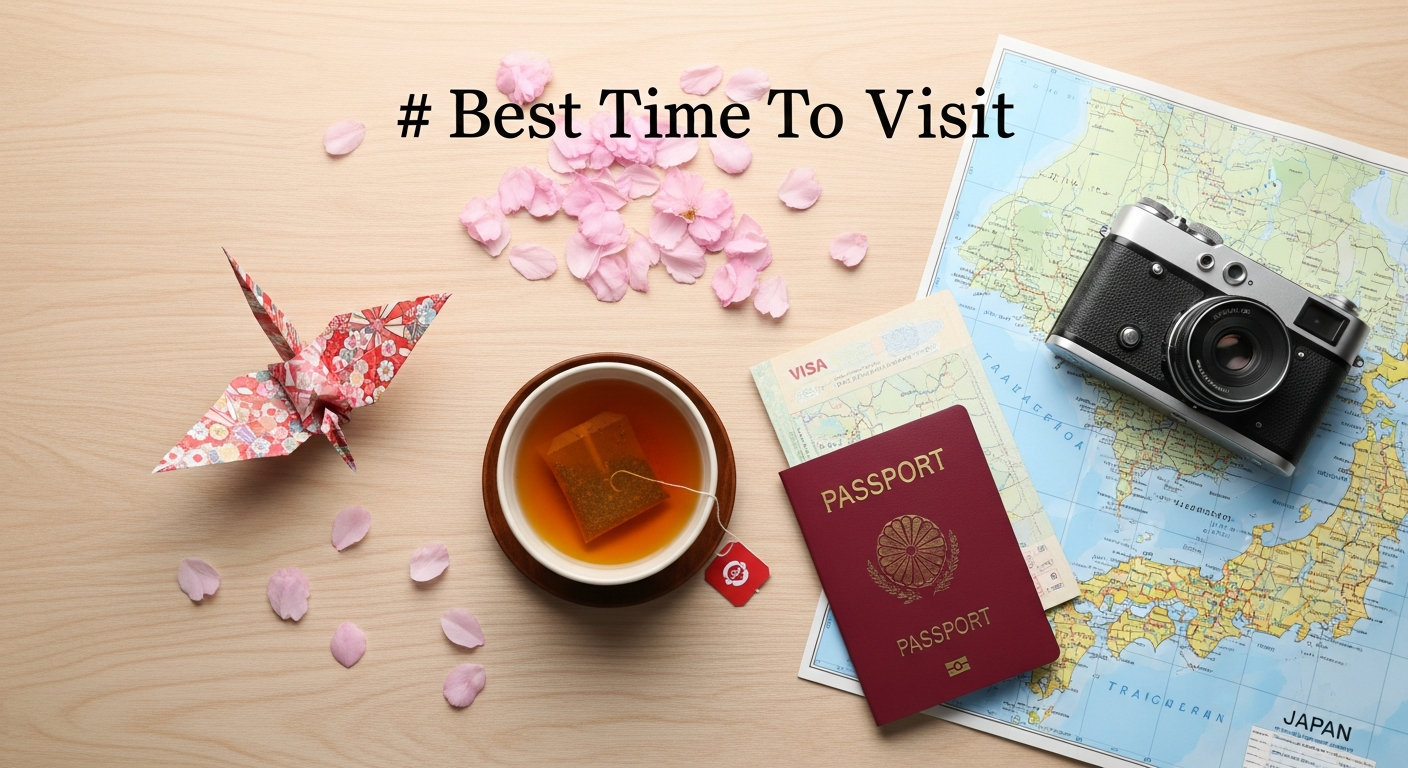
Spring is arguably the most famous and sought-after time to visit Japan, synonymous with the ephemeral beauty of sakura, or cherry blossoms. This period, particularly from late March to early April, sees Japan transform into a delicate canvas of pink and white, attracting visitors from across the globe. The weather during spring is generally mild and pleasant, making it ideal for exploring cities, historical sites, and natural landscapes on foot.
The Allure of Cherry Blossoms (Sakura)
- Peak Season: The cherry blossom front (sakura zensen) typically sweeps from south to north, starting in late March in warmer regions like Kyushu and Shikoku, reaching Tokyo and Kyoto around early April, and Hokkaido by late April to early May. Predicting the exact timing for 2026 will require monitoring forecasts closer to the date, as bloom times can vary year by year due to weather conditions.
- Activities: Hanami (cherry blossom viewing parties) are a quintessential Japanese experience, with parks bustling with picnickers under the blooming trees. Many castles, temples, and riversides offer stunning backdrops for photography. Places like Ueno Park in Tokyo, Maruyama Park in Kyoto, and the serene slopes of Senkoji Park in Onomichi become incredibly picturesque, offering unforgettable Onomichi Photography Spots.
- Weather: Temperatures are comfortable, ranging from 10-20°C (50-68°F), with relatively low humidity. However, occasional spring showers are common, so packing layers and a compact umbrella is advisable.
Pros of Visiting in Spring:
- Spectacular Scenery: Unparalleled beauty of cherry blossoms, creating a magical atmosphere.
- Pleasant Weather: Mild temperatures are perfect for extensive sightseeing without the extreme heat or cold.
- Vibrant Atmosphere: Parks and public spaces come alive with hanami parties and a joyous mood.
Cons of Visiting in Spring:
- Crowds: Spring, especially during peak sakura, is Japan’s busiest tourist season. Major cities, popular viewing spots, and transport hubs can be extremely crowded.
- Higher Prices: Accommodation and flights tend to be more expensive and book up quickly. Planning well in advance for 2026 is crucial.
- Unpredictable Bloom: While forecasts are good, the exact timing of cherry blossoms can shift by a few days, potentially requiring flexibility in your itinerary.
Beyond the cherry blossoms, late spring (late April to May) offers beautiful wisteria and azalea blooms, with fewer crowds than early April. This period also includes Golden Week (late April to early May), a series of national holidays that sees domestic travel surge, leading to further crowding and higher prices. If you plan to visit during Golden Week in 2026, be prepared for significant challenges in booking and transportation.
Summer (June – August): Festivals, Sunshine, and Green Landscapes
Early Summer: The Rainy Season (Tsuyu)
- Timing: Typically runs from early June to mid-July in most regions, though Okinawa’s rainy season starts earlier.
- Characteristics: Expect frequent, sometimes heavy, rainfall. It’s not usually continuous downpours but rather prolonged periods of drizzle and overcast skies. Humidity levels rise significantly.
- Activities: While outdoor activities can be dampened, it’s an excellent time for indoor attractions like museums, art galleries, and department stores. The rain also brings lush greenery, making gardens and moss-covered temples particularly beautiful.
Mid to Late Summer: Festivals and Sunshine
- Weather: Mid-July through August sees temperatures frequently exceed 30°C (86°F), coupled with high humidity. Hydration and seeking shade are essential.
- Festivals (Matsuri): This is prime festival season! Japan comes alive with traditional street parades, music, dancing, and spectacular fireworks displays (hanabi). Famous festivals include Kyoto’s Gion Matsuri (July), Osaka’s Tenjin Matsuri (July), and various Obon festivals across the country (mid-August), which honor ancestral spirits.
- Outdoor Adventures: Summer is the only time to climb Mount Fuji (early July to early September). Beaches in Okinawa and along the coast, including those near Onomichi in the Seto Inland Sea, become popular destinations. Cycling the Shimanami Kaido, a renowned route connecting Onomichi to Imabari via a series of islands including Innoshima, is particularly enjoyable in the long daylight hours, though starting early to avoid the midday sun is recommended. Refer to an Innoshima Japan Travel Guide for specific cycling tips and attractions along the way.
Pros of Visiting in Summer:
- Vibrant Festivals: Experience Japan’s rich cultural heritage through spectacular matsuri and fireworks.
- Lush Greenery: Landscapes are verdant and beautiful, especially in the mountains and rural areas.
- Longer Daylight Hours: More time for sightseeing and outdoor activities.
- Beach and Mountain Activities: Ideal for coastal relaxation and hiking.
Cons of Visiting in Summer:
- Heat and Humidity: Can be uncomfortable for those not used to tropical climates.
- Rainy Season: Early summer brings significant rainfall.
- Typhoons: Late summer (August/September) is typhoon season, which can cause travel disruptions.
- Crowds: Popular festivals and tourist spots can be very crowded, especially during school holidays.
Despite the challenges of heat and humidity, summer offers a unique and energetic side of Japan. If you’re drawn to lively celebrations and don’t mind the warmth, summer 2026 could be a fantastic choice for your trip, especially if you plan to explore regions like the Seto Inland Sea where coastal breezes can offer some respite.
Autumn (September – November): Vibrant Foliage and Comfortable Temperatures
Autumn is widely considered another prime season for visiting Japan, rivaling spring for its natural beauty and pleasant weather. After the intense heat of summer, the cooler, crisp air of autumn brings a refreshing change, and the landscapes transform into a breathtaking display of fiery reds, brilliant oranges, and golden yellows as the leaves (koyo) change color.
The Spectacle of Autumn Leaves (Koyo)
- Peak Season: Similar to cherry blossoms, the autumn foliage front moves across Japan. It generally starts in Hokkaido in late September, reaches northern Honshu in October, and arrives in Tokyo, Kyoto, and the central regions from mid-November to early December. For 2026, planning for mid-November in major cities like Kyoto would be a good starting point, while earlier in the mountains.
- Activities: Koyo-gari (autumn leaf hunting) is a popular pastime. Temples, gardens, mountains, and parks become particularly stunning. Places like Kyoto’s Arashiyama and Tofuku-ji Temple are world-renowned, but even local spots like the mountains surrounding Onomichi or the cycling routes of Innoshima offer beautiful displays. Many temples also feature special evening illuminations of their autumn leaves.
- Weather: Autumn boasts some of Japan’s most pleasant weather, with clear skies, comfortable temperatures ranging from 10-20°C (50-68°F), and significantly lower humidity than summer.
Pros of Visiting in Autumn:
- Stunning Scenery: The vibrant autumn foliage is incredibly picturesque and a dream for photographers.
- Ideal Weather: Mild, dry, and clear days are perfect for sightseeing and outdoor activities.
- Delicious Food: Autumn is harvest season, bringing a bounty of seasonal delicacies like chestnuts, persimmons, and fresh seafood.
- Fewer Typhoons: While September can still see some typhoon activity, the risk significantly decreases by October and November.
Cons of Visiting in Autumn:
- Crowds: Like spring, autumn is a very popular tourist season, especially in famous koyo spots like Kyoto and Nikko. Popular areas can be exceptionally busy.
- Higher Prices: Accommodation and flights can be more expensive, though generally slightly less so than peak cherry blossom season. Booking ahead for 2026 is still highly recommended.
- Variable Timing: The exact peak of autumn colors can vary each year depending on temperature fluctuations.
Autumn in Japan offers a harmonious blend of natural beauty, comfortable weather, and rich cultural experiences. If you appreciate dramatic landscapes, serene temple grounds, and pleasant temperatures for exploring, this season provides an unparalleled opportunity to immerse yourself in Japan’s charm. Imagine cycling along the Shimanami Kaido during this time, with the leaves of Innoshima painting the hillsides in fiery hues – a truly memorable experience that an Innoshima Japan Travel Guide would highlight.
Winter (December – February): Snowscapes, Hot Springs, and Winter Sports
Winter in Japan reveals a different kind of beauty, characterized by serene snowscapes, cozy hot springs (onsen), and world-class ski resorts. While it is the coldest season, it offers unique cultural experiences and fewer crowds in many urban areas, making it an appealing option for those who don’t mind bundling up.
Snow, Onsen, and Illuminations
- Snowfall: Northern Japan (Hokkaido, Tohoku) and the Japan Sea coast (Niigata, Nagano, Ishikawa) receive heavy snowfall, creating stunning winter wonderland scenes perfect for skiing and snowboarding. Even cities like Kyoto can experience occasional light snow, transforming historic temples into ethereal sights. The Seto Inland Sea region, including Onomichi, generally experiences milder winters with less snow, making it a good destination for those seeking a less intense cold.
- Winter Sports: Japan boasts some of the best powder snow in the world, with resorts like Niseko, Hakuba, and Shiga Kogen attracting international visitors.
- Onsen: There’s nothing quite like soaking in a natural hot spring while surrounded by snow. Many traditional inns (ryokan) offer outdoor onsen with breathtaking winter views.
- Illuminations: Cities across Japan are adorned with elaborate and beautiful winter illuminations from November through February, creating a festive and romantic atmosphere.
Pros of Visiting in Winter:
- Fewer Crowds (Generally): Outside of popular ski resorts and major winter festivals, many urban tourist spots are less crowded than in spring or autumn.
- Winter Sports: Access to world-class skiing and snowboarding.
- Hot Springs: Ideal weather for enjoying Japan’s extensive onsen culture.
- Unique Scenery: Snow-covered landscapes offer a tranquil and picturesque beauty, especially around traditional architecture.
- Budget-Friendly: Flights and accommodation can be cheaper during the off-peak winter months (excluding Christmas/New Year and Chinese New Year).
Cons of Visiting in Winter:
- Cold Temperatures: Can be very cold, especially in northern regions and at higher altitudes.
- Shorter Daylight Hours: Less time for outdoor sightseeing.
- Accessibility: Some remote areas, particularly in the mountains, may be inaccessible due to heavy snow.
- Typhoons (Late Season): While not a major concern, late winter can see some unusual weather patterns.
Winter in Japan is a season of quiet contemplation and exhilarating outdoor activities. For those who embrace the cold and seek unique experiences like snow festivals (e.g., Sapporo Snow Festival in February 2026), onsen relaxation, or world-class skiing, it offers a truly distinct and memorable trip. Even in milder areas like Onomichi, the crisp air and clear skies can make for excellent photography, capturing the city’s unique charm without the summer haze.
Beyond the Seasons: Considering Your Travel Style and Interests
While the seasons dictate much of Japan’s appeal, your personal travel style, budget, and specific interests should also heavily influence your decision on the best time to visit Japan. Thinking beyond just the weather can help you tailor an itinerary that perfectly matches your expectations.
Avoiding Crowds vs. Embracing Festivities
- Shoulder Seasons (Late May/Early June & Early September): These periods often offer a sweet spot. The weather is generally pleasant, and while you might miss peak cherry blossom or autumn foliage, crowds are significantly thinner than during the peak tourist rushes. You can still experience beautiful landscapes and cultural sites with more tranquility.
- Off-Peak Winter (January/February, excluding major holidays): Offers the fewest crowds in cities and a more serene travel experience, especially if you’re not focused on winter sports.
- Peak Seasons: If experiencing Japan’s most iconic natural phenomena (cherry blossoms, autumn leaves) or major festivals is your priority, be prepared for crowds and plan meticulously. The energy of these times can be part of the appeal for many.
Budget Considerations
- Most Expensive: Peak cherry blossom season (late March-early April), Golden Week (late April-early May), and peak autumn foliage (mid-November) see the highest prices for flights and accommodation. Major holidays like Christmas/New Year and Obon also drive up costs.
- More Affordable: The rainy season (June-early July) and the quieter parts of winter (January, early February) often present the best opportunities for budget travelers. Flights and hotels tend to be more competitive during these times. Planning your trip for 2026 during these periods could lead to significant savings.
Specific Interests
- Nature Lovers & Photographers: Spring for cherry blossoms, autumn for koyo.
- Festival Goers: Summer for vibrant matsuri and fireworks.
- Winter Sports Enthusiasts & Onsen Lovers: Winter.
- Foodies: Each season brings its own culinary delights, so there’s no single “best” time, though autumn harvest is particularly rich.
- Hiking & Outdoor Activities: Spring, late summer (after rainy season), and autumn offer the most comfortable conditions.
Weather Tolerance
- If you dislike heat and humidity, avoid July and August.
- If you dislike cold, avoid January and February, especially in northern regions.
- If you prefer mild and dry weather, spring and autumn are your best bets.
Onomichi: A Year-Round Gem in the Seto Inland Sea
While this guide covers the broad strokes of visiting Japan, it’s essential to remember that regional variations play a significant role. Our beloved Onomichi, nestled along the picturesque Seto Inland Sea, offers a unique charm that makes it a fantastic destination throughout the year, often with a milder climate than Japan’s major metropolises. For those seeking a blend of scenic beauty, cultural depth, and outdoor activity, Onomichi serves as an excellent base, regardless of the season.
What To Do In Onomichi Japan changes subtly with the seasons, yet the core experiences remain delightful. The famous Temple Walk, winding through a labyrinth of ancient temples and charming alleys, is enjoyable in any weather. In spring, the path to Senkoji Temple and the park itself burst with cherry blossoms, transforming into one of the most stunning Onomichi Photography Spots. Imagine capturing the delicate pink petals against the backdrop of the Seto Inland Sea – truly magical. The mild spring weather is perfect for leisurely strolls and exploring the city’s literary heritage.
During summer, while the cities can be sweltering, Onomichi often benefits from coastal breezes. It’s an ideal time to embark on the Shimanami Kaido cycling route, which starts (or ends) here. An Innoshima Japan Travel Guide would highlight how the lush green landscapes of the islands, including Innoshima, are vibrant, and the sea beckons. You can enjoy ferry rides, explore local island life, and cool off with local citrus-flavored treats. Evenings bring a pleasant atmosphere for dining at local izakayas or enjoying the waterfront views.
Autumn in Onomichi is simply breathtaking. The hillsides surrounding the city glow with fiery autumn leaves, providing a spectacular contrast to the deep blue of the Seto Inland Sea. The crisp, clear air makes for perfect cycling conditions along the Shimanami Kaido, offering some of the most rewarding views as you traverse the bridges connecting islands like Innoshima. Photography enthusiasts will find endless opportunities to capture the vibrant foliage against the unique architecture and serene waters. The comfortable temperatures are also ideal for exploring the narrow streets and discovering hidden cafes and artisan shops.
Even in winter, Onomichi holds a special appeal. While other parts of Japan are blanketed in snow, Onomichi typically experiences milder winters, with clear, sunny days. This makes it an excellent choice for those who want to experience Japan without the intense cold or heavy snow. The city is quieter, allowing for a more serene exploration of its temples and literary paths. The views from Senkoji Park remain stunning, offering panoramic vistas of the Seto Inland Sea, often with a crisp clarity that only winter brings. It’s a wonderful time to enjoy warming local dishes, visit a cozy café, or even venture to a nearby onsen. The citrus season is also in full swing, offering delicious mikan and other local fruits.
So, whether you’re planning your grand Japan tour for 2026 around iconic cherry blossoms or seeking a quieter, more authentic experience, remember that destinations like Onomichi offer a consistent charm and a unique perspective on Japanese culture that transcends seasonal peaks and troughs. It’s a place where every season reveals a new layer of beauty and hospitality.
Frequently Asked Questions
Recommended Resources
You might also enjoy Cabin Rental Guide For Families from Vacation Rental Planners.
Learn more about this topic in Best Ski Resorts In The Us 2026 at Vacation Rental Planners.