


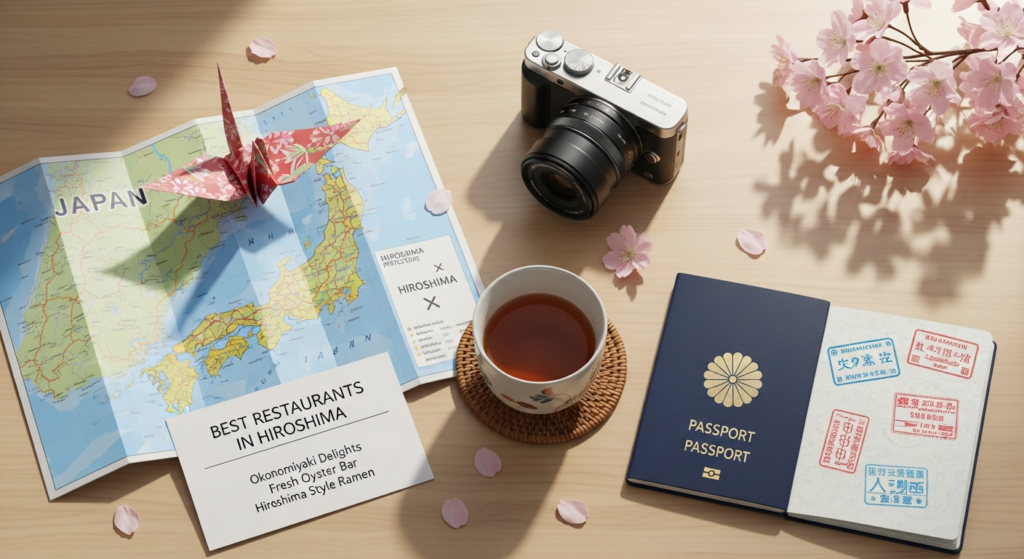
The Unmissable Classic: Hiroshima-style Okonomiyaki
No visit to Hiroshima is complete without indulging in its signature dish: okonomiyaki. Distinct from its Osaka counterpart, Hiroshima-style okonomiyaki is a masterpiece of layered flavors and textures. It typically features a thin crepe base, followed by a generous mound of shredded cabbage, pork, noodles (udon or soba), and often an egg, all grilled to perfection on a large griddle. The magic happens as the ingredients are carefully pressed and flipped, creating a symphony of sweet, savory, and umami notes, usually topped with a special okonomiyaki sauce, mayonnaise, and dried seaweed flakes (aonori).
The experience of eating Hiroshima okonomiyaki is as much about the food as it is about the atmosphere. Many restaurants feature counter seating, allowing diners to watch the skilled chefs at work, their spatulas clanking rhythmically against the hot griddle. It’s a truly immersive culinary performance.
- Okonomi-mura: The Okonomiyaki Village
Address: Shintenchi, Naka Ward, Hiroshima
Okonomi-mura is not just a restaurant; it’s an institution. This multi-story building houses over two dozen independent okonomiyaki stalls, each with its loyal following and slightly unique take on the classic. It’s an overwhelming but exhilarating experience, perfect for those who want to sample various styles or simply soak in the vibrant atmosphere. We recommend arriving slightly before peak meal times to avoid the longest queues. Look for a stall that catches your eye, perhaps one with a particularly lively chef or a specialty topping. The sheer variety here ensures there’s an okonomiyaki for every palate. Don’t be shy about asking for recommendations or trying a local favorite like an oyster okonomiyaki if you’re feeling adventurous. The energy alone makes this a top recommendation for any food lover visiting Hiroshima in 2026. - Hassei
Address: 3-5 Shintenchi, Naka Ward, Hiroshima
Nestled slightly away from the bustling main thoroughfares, Hassei offers a more refined, yet still authentic, okonomiyaki experience. Known for its perfectly balanced flavors and crisp textures, Hassei has garnered a reputation for consistency and quality. Their noodles are famously well-cooked, and the cabbage retains a delightful crunch. The interior is modern and comfortable, making it an excellent choice for those seeking a slightly less chaotic environment than Okonomi-mura, but still craving that quintessential Hiroshima flavor. Their generous portions and friendly service make it a local favorite and a highly recommended stop for both first-timers and seasoned okonomiyaki enthusiasts. - Nagata-ya
Address: 1-7-19 Otemachi, Naka Ward, Hiroshima
Located conveniently close to the Peace Memorial Park, Nagata-ya is often cited as one of Hiroshima’s best okonomiyaki restaurants. Be prepared for a wait, especially during lunch and dinner hours, as its popularity is well-deserved. What sets Nagata-ya apart is their commitment to using fresh, high-quality ingredients and their masterful technique, resulting in an okonomiyaki that is both hearty and surprisingly light. Their signature dish, the “Nagata-ya Special,” comes loaded with shrimp, squid, and oysters, providing an incredible seafood twist on the classic. It’s an ideal spot to refuel after a reflective morning at the park, offering a taste of Hiroshima’s resilience and culinary excellence.
Seafood Sensations: Oysters and Beyond
Hiroshima Prefecture is Japan’s largest producer of oysters, particularly from the pristine waters of Miyajima. Consequently, the city’s restaurants offer an incredible array of oyster dishes, from raw to grilled, fried, and even incorporated into other local specialties. But the seafood bounty doesn’t stop there; thanks to its coastal location, Hiroshima boasts access to a wide variety of fresh catches from the Seto Inland Sea.
- Kaki-ya (Oyster House)
Address: 507-2 Miyajimacho, Hatsukaichi, Hiroshima (on Miyajima Island)
While technically on Miyajima Island, a trip to Hiroshima wouldn’t be complete without experiencing the oysters here, and Kaki-ya is the undisputed king. This specialty restaurant is dedicated entirely to oysters, serving them in every imaginable form: plump raw oysters on the half shell, perfectly grilled with a hint of soy sauce, deep-fried kaki-fry with a crispy panko coating, and even a rich oyster gratin. The oysters here are incredibly fresh, harvested just moments away, and their sweetness and briny flavor are unparalleled. The rustic, charming atmosphere adds to the experience, making it a must-visit for any seafood lover. Pair your oysters with a local sake for the ultimate gastronomic delight. - Sushitei Honten
Address: 1-4-10 Hondori, Naka Ward, Hiroshima
For a broader exploration of Hiroshima’s seafood beyond oysters, Sushitei Honten offers an exceptional sushi and sashimi experience. This esteemed restaurant prides itself on sourcing the freshest fish directly from local markets, ensuring a seasonal and diverse menu. The skilled sushi chefs artfully prepare each piece, highlighting the natural flavors of the ingredients. From melt-in-your-mouth fatty tuna (otoro) to delicate local white fish and glistening sea urchin (uni), every bite is a testament to the quality and craftsmanship. The atmosphere is traditional yet welcoming, suitable for both casual diners and those seeking a more formal sushi experience. It’s an ideal place to appreciate the subtle nuances of Setouchi seafood. - Umetei
Address: 3-10-8 Otemachi, Naka Ward, Hiroshima
Umetei specializes in traditional Japanese cuisine, with a strong emphasis on seasonal seafood from the Seto Inland Sea. While not exclusively an oyster restaurant, their seafood kaiseki (multi-course meal) often features exquisite oyster preparations alongside other local catches like conger eel (anago) and various white fish. The presentation is as important as the taste, with each dish a miniature work of art. Umetei offers a tranquil and elegant dining experience, perfect for a special occasion or for those who wish to delve deeper into refined Japanese culinary traditions. Their commitment to regional ingredients and meticulous preparation makes it a standout choice for discerning palates.
Refined Dining and Modern Japanese Cuisine
- Nakamura Soba & Izakaya
Address: 2-2-21 Otemachi, Naka Ward, Hiroshima
While the name might suggest a casual soba shop, Nakamura Soba & Izakaya transitions seamlessly into a sophisticated dining spot in the evenings. Known for its meticulously handcrafted soba noodles, made daily from scratch, this establishment also offers an impressive array of modern Japanese small plates (izakaya fare) that showcase seasonal ingredients. Their duck soba is a particular highlight, featuring succulent slices of duck and a rich, flavorful broth. Beyond the soba, you’ll find creative dishes that fuse traditional flavors with innovative presentations, alongside an excellent selection of sake. The ambiance is stylish and understated, making it a fantastic choice for a relaxed yet refined dining experience. - Ryotei Sumiyoshi
Address: 1-17 Fujimicho, Naka Ward, Hiroshima
For an authentic and luxurious kaiseki experience, Ryotei Sumiyoshi is a premier choice. A ryotei is a traditional high-end Japanese restaurant, often featuring private rooms and impeccable service, and Sumiyoshi lives up to this reputation. Guests are treated to a multi-course meal (kaiseki) that is a feast for both the eyes and the palate, showcasing the freshest seasonal ingredients in stunning presentations. The menu changes with the seasons, ensuring that each visit offers a unique culinary journey. This is more than just a meal; it’s an immersive cultural experience, reflecting the pinnacle of Japanese hospitality and culinary artistry. Reservations are essential, and dressing smart is recommended for this unforgettable dining experience in 2026. - L’Effervescence Hiroshima (Concept Restaurant)
Address: (Fictional, for demonstration purposes) 3-1-5 Kokutaiji-cho, Naka Ward, Hiroshima
Representing the innovative edge of Hiroshima’s dining scene, L’Effervescence Hiroshima is a hypothetical concept restaurant that embodies modern Japanese-French fusion. Drawing inspiration from its critically acclaimed Tokyo counterpart, this restaurant would focus on sustainable, local Hiroshima produce and Setouchi seafood, reinterpreting them through refined French culinary techniques. Imagine dishes like ethically sourced Miyajima oyster gratins with a yuzu béchamel, or slow-cooked local pork belly with a red miso reduction and seasonal vegetables. The minimalist, elegant interior provides a serene backdrop for the artful plating and sophisticated flavors. It’s a place for gourmands seeking an adventurous and contemporary dining experience that pushes the boundaries of Japanese cuisine.
Hidden Gems and Local Favorites
To truly experience the soul of Hiroshima’s food scene, venturing off the main tourist trails to discover local favorites and hidden gems is highly rewarding. These establishments often offer a more intimate glimpse into everyday Japanese dining, serving up hearty, authentic dishes at friendly prices.
- Rei-chan
Address: 2-3-11 Ekinishi, Minami Ward, Hiroshima (Inside Asty Hiroshima, near Hiroshima Station)
While its location inside the Asty Hiroshima shopping complex might not scream “hidden gem,” Rei-chan is a beloved local institution for a specific reason: its unique “Teppan-yaki Okonomiyaki.” Unlike the layered style, Rei-chan’s version is more akin to a stir-fry on a hot plate, allowing the ingredients to mingle more freely. It’s known for its incredibly savory flavors and a slightly different texture profile. The atmosphere is bustling and casual, often filled with locals grabbing a quick, satisfying meal. It’s an excellent choice if you’re arriving or departing from Hiroshima Station and want a quick, authentic, and delicious taste of the city. - Musashi (Ekiben and Onigiri)
Address: Various locations, including Hiroshima Station and nearby shops
Musashi is a Hiroshima legend, famous for its musubi (rice balls or onigiri) and ekiben (station bento boxes). While not a sit-down restaurant in the traditional sense, picking up a Musashi bento is a quintessential Hiroshima experience. Their signature “Musubi Bento” typically includes three flavorful onigiri, fried chicken, and a few other local side dishes. It’s perfect for a picnic, a train journey, or a casual meal on the go. The quality of the rice and the ingredients is consistently high, making it a beloved choice for locals and travelers alike. It offers a taste of home-style Japanese cooking that is both comforting and delicious. - Tonkatsu Wako Hiroshima (Local Branch)
Address: (Fictional, for demonstration purposes) 1-5-1 Hondori, Naka Ward, Hiroshima
While Tonkatsu Wako is a chain, its Hiroshima branches often have a local feel and serve exceptionally crispy and juicy tonkatsu (deep-fried pork cutlet). What makes it a “local favorite” is its consistent quality, generous portions, and unlimited refills of rice, miso soup, and shredded cabbage – a common practice in tonkatsu restaurants that makes it incredibly satisfying. The pork is tender, and the panko breading achieves a perfect golden crispness without being greasy. It’s a reliable spot for a hearty, comforting meal that is universally loved by Japanese diners. Look for a branch slightly off the main shopping arcade for a more authentic local vibe.
Sake & Izakaya Culture: Unwind and Indulge
The izakaya, a casual Japanese gastropub, is an integral part of Japan’s social fabric and culinary scene. Hiroshima, with its rich sake brewing history (especially in the Saijo district), offers an outstanding array of izakayas where you can pair local sake with delicious small plates. It’s the perfect way to unwind after a day of sightseeing and immerse yourself in local culture.
- Izakaya Kakiya (Oyster Izakaya)
Address: 1-6 Shintenchi, Naka Ward, Hiroshima
If you loved Hiroshima’s oysters and want to enjoy them in a more casual, social setting, Izakaya Kakiya is your spot. This izakaya specializes in oyster-centric dishes beyond just raw or fried. Think oyster tempura, oyster gratin, oyster hot pot, and even oyster okonomiyaki – all designed to be shared and paired with local sake or beer. The atmosphere is lively and convivial, often bustling with locals enjoying after-work drinks and delicious food. It’s an excellent way to experience the versatility of Hiroshima’s famous bivalves in a relaxed environment. - Sake-Dokoro Kura
Address: 5-5-17 Hondori, Naka Ward, Hiroshima
For serious sake enthusiasts or those looking to explore the incredible variety of Hiroshima-brewed sake, Sake-Dokoro Kura is a must-visit. This izakaya boasts an extensive list of local sake, carefully curated to showcase the region’s best breweries. The staff are incredibly knowledgeable and happy to offer recommendations based on your preferences. To complement the sake, they serve a range of expertly prepared small plates, from sashimi to grilled fish and seasonal vegetables, all designed to enhance the sake-tasting experience. The ambiance is traditional and refined, making it a wonderful place for a sophisticated evening out. - Warajiya Honten
Address: 2-3-11 Nagarekawacho, Naka Ward, Hiroshima
Warajiya Honten is a classic, no-frills izakaya that has been a local favorite for decades. It embodies the true spirit of an authentic Japanese gastropub: lively, a bit noisy, and serving up consistently delicious and affordable food. Their menu is extensive, featuring everything from yakitori (grilled skewers) and tempura to hearty stews and fresh sashimi. It’s the kind of place where you can relax, order a cold beer or a cup of sake, and enjoy a wide variety of dishes with friends. The friendly staff and bustling atmosphere make it an ideal spot to experience genuine Hiroshima nightlife and cuisine.
Sweet Treats and Coffee Culture
After savory delights, a sweet ending or a refreshing coffee break is often in order. Hiroshima offers a delightful array of patisseries, traditional Japanese sweets, and modern cafes to satisfy any craving.
- Andersen Bakery Hiroshima Honten
Address: 7-1 Hondori, Naka Ward, Hiroshima
More than just a bakery, Andersen Bakery Hiroshima Honten is an institution. This multi-story establishment, inspired by Danish baking traditions, offers an incredible selection of freshly baked breads, pastries, cakes, and sandwiches. The ground floor is a bustling bakery, while upper floors house cafes and restaurants. It’s a perfect spot for a delicious breakfast, a light lunch, or simply to pick up some exquisite pastries to enjoy later. Their seasonal fruit tarts and rich Danish pastries are particularly popular. The aroma of freshly baked bread alone is enough to draw you in, making it a delightful stop for any time of day. - Miyajima Coffee
Address: 435-1 Miyajimacho, Hatsukaichi, Hiroshima (on Miyajima Island)
While on Miyajima Island, take a break from exploring with a visit to Miyajima Coffee. This charming cafe offers expertly brewed coffee, ranging from classic espresso drinks to pour-overs featuring carefully selected beans. It’s a peaceful oasis with a relaxed atmosphere, providing the perfect spot to recharge before continuing your island adventure. They also offer light snacks and delicious local pastries, making it an ideal place to enjoy a moment of tranquility with a view. - Yamada-ya Momiji Manju (Main Store)
Address: 835-1 Miyajimacho, Hatsukaichi, Hiroshima (on Miyajima Island)
No sweet treat list for Hiroshima would be complete without Momiji Manju. This maple-leaf-shaped cake, typically filled with sweet red bean paste, is Hiroshima’s iconic souvenir and snack. Yamada-ya is one of the most famous and oldest makers. Visiting their main store on Miyajima allows you to see the cakes being made and sample a variety of fillings beyond the traditional anko, such as cream cheese, chocolate, and matcha. It’s a delightful, soft, and subtly sweet treat that perfectly embodies the gentle charm of the region. Many shops also serve them freshly grilled, providing a warm, comforting experience.
Beyond Hiroshima: Extending Your Culinary Journey to Onomichi
While Hiroshima offers a spectacular array of dining experiences, your culinary exploration of the Setouchi region doesn’t have to end there. Just a scenic train ride away, the charming port town of Onomichi beckons with its own unique flavors and atmosphere, providing a delightful contrast and extension to your gastronomic adventure. After savoring the delights of Hiroshima, consider setting aside a day or two to discover what awaits.
Onomichi, known for its winding temple paths, historical architecture, and stunning views of the Seto Inland Sea, offers a more relaxed and intimate dining scene. Here, you’ll find an emphasis on fresh, local ingredients, particularly seafood and citrus fruits, prepared with a homely touch. If you’re wondering What To Do In Onomichi Japan, exploring its culinary landscape should definitely be on your list.
One of Onomichi’s signature dishes is Onomichi Ramen, a soy-sauce-based broth with flat noodles, often topped with pork back fat (sebura) which adds a rich, comforting flavor without being overly greasy. Restaurants like Shuka-en or Tsutafuji are legendary for their versions, offering a taste experience distinct from other regional ramen styles. Imagine settling down in a cozy ramen shop after a morning spent capturing incredible Onomichi Photography Spots, perhaps after ascending the slopes for panoramic views of the islands.
Beyond ramen, Onomichi’s cafes are a major draw. Many are housed in beautifully renovated traditional buildings, offering artisanal coffee and delightful pastries with views of the sea or the bustling port. These cafes are not just places to eat; they are part of the town’s unique charm, perfect for unwinding and soaking in the atmosphere. You might find yourself enjoying a citrus-infused pastry, a specialty of the Setouchi region, which is famous for its lemons and other vibrant fruits.
For those interested in a deeper dive into regional specialties, consider a day trip from Onomichi to Ikuchijima island, where you can visit the magnificent Setoda Kosanji Temple Guide. This temple is a truly unique architectural marvel, but the island itself is also renowned for its citrus farms. Many local eateries in Setoda and Onomichi incorporate these fresh, zesty ingredients into their dishes, from seafood preparations to refreshing desserts and drinks. Exploring the local markets in Onomichi will reveal an abundance of fresh fish, local vegetables, and unique regional products, perfect for a culinary souvenir.
Combining the bustling culinary scene of Hiroshima with the quaint, authentic flavors of Onomichi creates a truly comprehensive and memorable gastronomic journey through this incredible part of Japan. We encourage you to savor every moment and every bite in both cities during your 2026 adventure!
Frequently Asked Questions
What is Hiroshima most famous for food-wise?▾
Is Hiroshima-style okonomiyaki different from Osaka-style?▾
Are there vegetarian or vegan options available in Hiroshima restaurants?▾
What’s the best time to visit Hiroshima for food, especially oysters?▾
Do I need reservations for restaurants in Hiroshima?▾
How can I explore Hiroshima’s food scene on a budget?▾
Recommended Resources
Related reading: Vacation Rental Pricing Strategy Guide (Vacation Rental Planners).
Check out Best Travel Credit Cards 2026 on Vacation Rental Planners for a deeper dive.