Onomichi Ramen: The Complete Guide to the City’s Signature Dish
Welcome to Onomichi, a charming port town nestled along the Seto Inland Sea, renowned not just for its picturesque temples and scenic cycling routes but also for a culinary treasure: Onomichi Ramen. If you’re planning a trip to this delightful corner of Japan, our comprehensive Onomichi ramen best restaurants guide is your essential companion. Prepare to dive deep into the savory depths of this regional specialty, exploring its unique characteristics, uncovering its rich history, and pinpointing the must-visit establishments that serve up the most authentic and delicious bowls.
From the moment you step off the train in Onomichi, the aroma of simmering broth and perfectly cooked noodles beckons. This article will not only guide you to the finest ramen shops like Shukaen, Ittoku, Nishikiya, and Asahi Shokudo but will also provide invaluable insights into queue etiquette, ordering in Japanese, and understanding the local variations. Whether you’re a seasoned ramen aficionado or a curious first-timer, get ready to slurp your way through one of Japan’s most beloved comfort foods, all while experiencing the unique charm of Onomichi itself. Let’s embark on this delicious adventure!
The Distinctive Flavor Profile of Onomichi Ramen
Onomichi Ramen (尾道ラーメン) stands out in Japan’s vast ramen landscape with a flavor profile that is both comforting and uniquely complex. Unlike the often heavy, milky broths found elsewhere, Onomichi ramen prides itself on a clear, rich, and deeply savory base that is instantly recognizable. The secret lies in its meticulous preparation and a harmonious blend of key ingredients.
Broth: The Heart of the Bowl
At its core, Onomichi ramen features a soy sauce (醤油, shoyu) based broth. This isn’t just any shoyu broth; it’s typically a blend that often incorporates a delicate balance of pork bones (豚骨, tonkotsu), chicken bones (鶏骨, torikotsu), and sometimes even a hint of local seafood, particularly small fish from the Seto Inland Sea. The result is a lighter, clearer broth compared to many other regional ramens, yet it’s packed with umami. The clarity allows the subtle nuances of each ingredient to shine through, creating a sophisticated depth of flavor that is both refreshing and profoundly satisfying. The shoyu provides a salty, savory kick, while the bones contribute a foundational richness without overpowering the palate.
Noodles: Flat, Firm, and Flavorful
Complementing the distinctive broth are the noodles themselves. Onomichi ramen typically uses flat (平打ち麺, hirauchi-men), medium-thick noodles. These noodles are known for their firm, slightly chewy texture, providing a delightful contrast to the smooth broth. Their flat shape is not merely aesthetic; it’s functional, allowing them to better absorb the broth and carry more of that delicious flavor with each slurp. Made from wheat flour, water, and kansui (alkaline water), these noodles are cooked to perfection, offering a satisfying bite that holds up well throughout the meal.
The Signature Toppings: Chicken Fat and Back Fat
Perhaps the most iconic and defining characteristics of Onomichi ramen are its unique fat toppings. The broth is typically infused with rendered chicken fat (鶏油, chiyu or 鶏脂, tori-gata), which adds a layer of fragrant richness and a beautiful golden sheen to the surface. This chicken fat contributes a subtle sweetness and a silky mouthfeel, enhancing the overall savoriness without making the broth feel greasy.
However, the true hallmark is the addition of small, glistening cubes of pork back fat (背脂, se-abura). These aren’t just any fat; they are carefully prepared, often simmered until tender, and then added to the ramen bowl. Unlike the meltingly soft chashu (braised pork belly) slices, these back fat cubes retain a slight firmness and burst with savory flavor, adding incredible depth and a luxurious texture. They melt slightly into the hot broth, enriching it further and providing pockets of intense flavor with every spoonful. This combination of clear broth, flat noodles, chicken fat, and back fat creates a ramen experience that is truly unique to Onomichi, a testament to the town’s culinary heritage and ingenuity.
Visitors will find that while the core elements remain consistent, each ramen-ya (ラーメン屋) or ramen shop in Onomichi adds its own subtle twist, whether it’s the exact blend of shoyu, the thickness of the noodles, or the preparation of the back fat, making every bowl a slightly different, yet equally delightful, discovery. This adherence to tradition, coupled with individual craftsmanship, is what makes exploring Onomichi ramen such an rewarding culinary adventure, a fact well-documented by local tourist boards like the Onomichi City Tourism Association.
A Culinary Journey Through Onomichi Ramen’s History
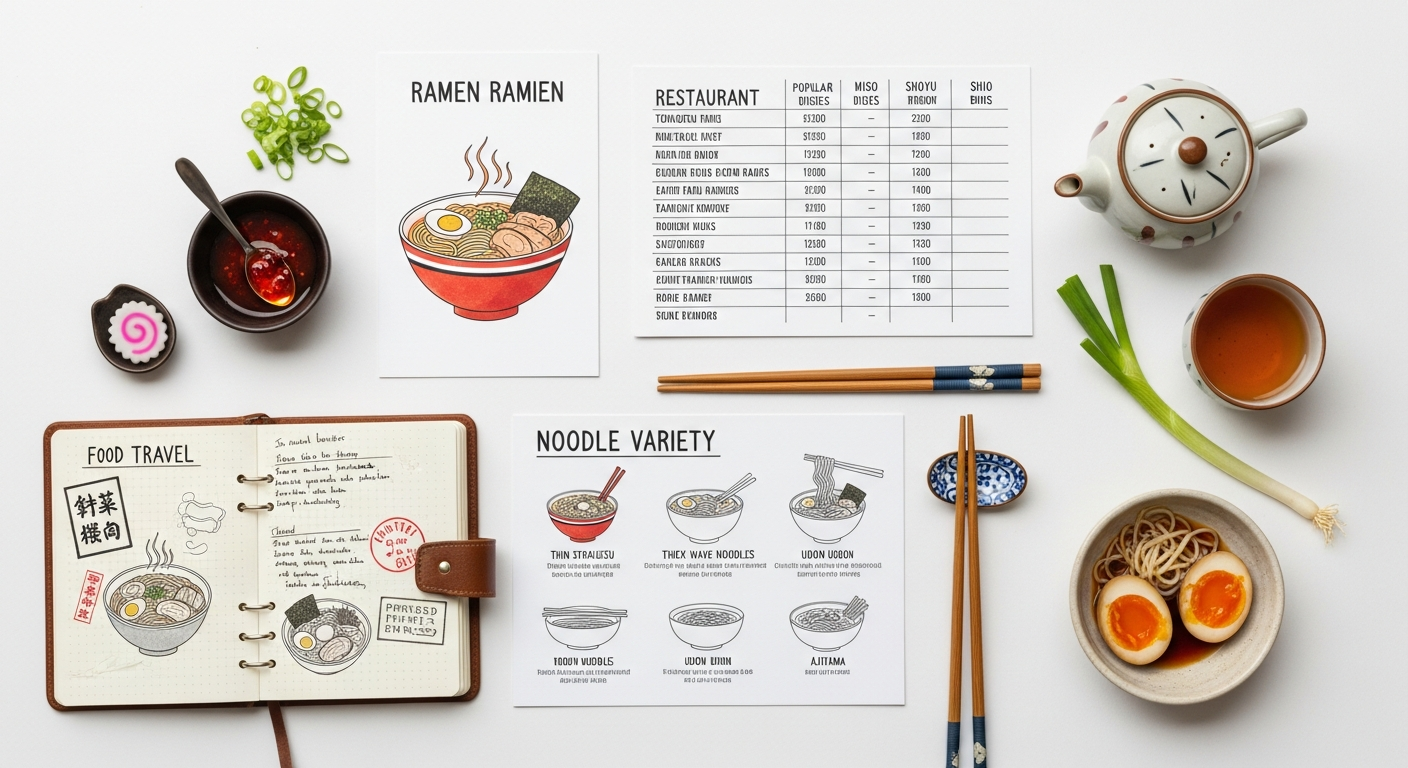
The story of Onomichi Ramen is deeply intertwined with the history and spirit of Onomichi itself, a town that has long thrived as a bustling port and cultural hub along the Seto Inland Sea. While the exact origins can be debated among local culinary historians, its rise to prominence as a regional specialty is a fascinating tale of post-war innovation and community pride.
Post-War Origins and Early Development
Like many regional ramen styles in Japan, Onomichi Ramen began to take shape in the post-World War II era. With food scarcity and a need for affordable, hearty meals, resourceful cooks started experimenting with readily available ingredients. Onomichi, being a port town, had access to fresh seafood and developed a strong culinary tradition around it. However, the foundational elements of Onomichi ramen—pork and chicken bones for broth, soy sauce, and local noodles—emerged as a popular and accessible dish.
One of the most commonly cited narratives points to the establishment of early ramen shops in the 1940s and 50s that began to solidify the characteristic style. These early establishments, often small, family-run operations, focused on creating a satisfying bowl that could cater to the local fishermen, dockworkers, and residents. The clear, shoyu-based broth, which was lighter than some other styles, became a favorite, especially when combined with the rich, flavorful additions that would become its signature.
The Emergence of Signature Characteristics
The defining elements of Onomichi Ramen, particularly the use of rendered chicken fat (鶏油, chiyu) and small cubes of pork back fat (背脂, se-abura), are believed to have evolved over time as chefs sought to add richness and depth to the relatively light shoyu broth without making it overly heavy. The back fat, in particular, became a distinctive feature, providing bursts of umami and a unique texture that set it apart from other ramen varieties. This ingenious use of pork fat, often seen as a byproduct, turned a simple bowl into a luxurious experience, demonstrating the Japanese culinary principle of using every part of an ingredient.
The flat, medium-thick noodles also became a standard, chosen for their ability to perfectly complement the broth and absorb its flavors. This combination, perfected over decades by dedicated ramen artisans, gradually cemented Onomichi Ramen’s identity. It wasn’t just food; it was a reflection of local ingenuity and a source of comfort for the community.
From Local Secret to National Recognition
For many years, Onomichi Ramen remained a beloved local secret, cherished by the residents of Onomichi and the surrounding Hiroshima Prefecture. However, with the advent of increased tourism and greater media exposure in the late 20th and early 21st centuries, its reputation began to spread. Visitors to Onomichi, drawn by its scenic beauty and historical sites, soon discovered its culinary gem. Word-of-mouth, travel guides, and television programs featuring regional Japanese cuisine helped elevate Onomichi Ramen to national recognition.
Today, Onomichi Ramen is celebrated as one of Japan’s distinctive regional ramen styles, drawing food enthusiasts from across the country and around the world. Its history is a testament to the power of local ingredients, culinary creativity, and the enduring appeal of a well-crafted bowl of noodles. The legacy continues with new generations of ramen chefs in Onomichi dedicated to preserving its traditions while subtly innovating, ensuring that this cherished dish remains a vibrant part of the city’s identity for years to come. Information regarding regional specialties like Onomichi Ramen is often highlighted by organizations such as the Japan National Tourism Organization (JNTO) and Hiroshima Prefecture Tourism, recognizing its cultural and gastronomic importance.
Top Onomichi Ramen Shops: A Connoisseur’s Selection
To truly appreciate Onomichi Ramen, a pilgrimage to its most revered establishments is essential. While many shops serve excellent bowls, a few stand out for their consistent quality, historical significance, and unique interpretations of the classic Onomichi style. Here’s a guide to some of the top ramen shops that every visitor should consider.
Shukaen (朱華園): The Granddaddy of Onomichi Ramen
Often hailed as the originator or at least the most influential pioneer of modern Onomichi Ramen, Shukaen is an institution. For decades, it has served its iconic bowl to eager customers, becoming synonymous with the city’s ramen culture. The shop itself is unassuming, often bustling, and operates with a no-frills efficiency that speaks to its long-standing popularity. Their ramen features a rich, dark shoyu broth that is surprisingly light yet deeply flavorful, generously topped with their signature pork back fat and tender chashu. The noodles are perfectly chewy, providing a satisfying texture. Be prepared for a queue, especially during peak lunch and dinner hours, as this is a must-visit for any ramen enthusiast. Shukaen’s dedication to its traditional recipe has garnered it widespread recognition, often cited in guidebooks and local culinary reviews.
Ittoku (壱番館): A Modern Take on a Classic
While respecting tradition, Ittoku offers a slightly refined and perhaps more accessible version of Onomichi Ramen for some palates. Located conveniently near Onomichi Station, Ittoku’s ramen features a clear, golden shoyu broth that strikes a beautiful balance between savory and sweet, with the characteristic chicken fat and back fat adding layers of richness. Their noodles are often praised for their excellent texture, and the chashu is typically melt-in-your-mouth tender. The atmosphere at Ittoku is generally brighter and more contemporary than some of the older establishments, making it a comfortable dining experience. It’s an excellent choice for those seeking a meticulously crafted bowl that embodies the essence of Onomichi Ramen with a touch of modern finesse. Ittoku consistently receives high ratings from both local food critics and international visitors.
Nishikiya (錦): Consistency and Comfort
Nishikiya is another highly respected name in the Onomichi ramen scene, known for its consistent quality and a welcoming atmosphere. Their ramen is characterized by a well-balanced shoyu broth that leans towards a slightly milder, yet still deeply flavorful profile, making it a great option for those who prefer a less intense shoyu kick. The pork back fat is present but often in slightly smaller, more delicate cubes, blending seamlessly into the broth. Nishikiya’s chashu is particularly noteworthy, often praised for its succulence and flavor. The shop maintains a loyal local following and is often recommended for its reliable and comforting bowls. It provides a quintessential Onomichi ramen experience that feels both authentic and approachable. Nishikiya’s commitment to quality ingredients and traditional preparation methods ensures a satisfying meal every time.
Asahi Shokudo (あさひ食堂): A Local’s Favorite
For a taste of Onomichi Ramen that feels truly local and authentic, Asahi Shokudo is a fantastic choice. This unassuming eatery has been a long-standing favorite among residents, offering a classic Onomichi ramen experience in a laid-back setting. Their broth is often described as robust and deeply savory, with a generous amount of back fat that contributes significantly to its rich character. The noodles are firm and well-matched to the broth, and the chashu is tender. Asahi Shokudo embodies the spirit of a traditional Japanese diner (食堂, shokudo), where the focus is squarely on delicious, unpretentious food. While it might not always appear on every tourist’s radar, seeking out Asahi Shokudo offers a genuine glimpse into the everyday culinary life of Onomichi. It’s a testament to the fact that some of the best food is found where the locals eat, offering a truly immersive gastronomic experience.
Each of these shops offers a slightly different take on Onomichi Ramen, but all deliver on the promise of a delicious and authentic experience. Exploring them allows visitors to appreciate the subtle variations within this beloved regional dish, creating a memorable culinary journey through Onomichi.
Navigating Your Onomichi Ramen Experience: Etiquette and Ordering
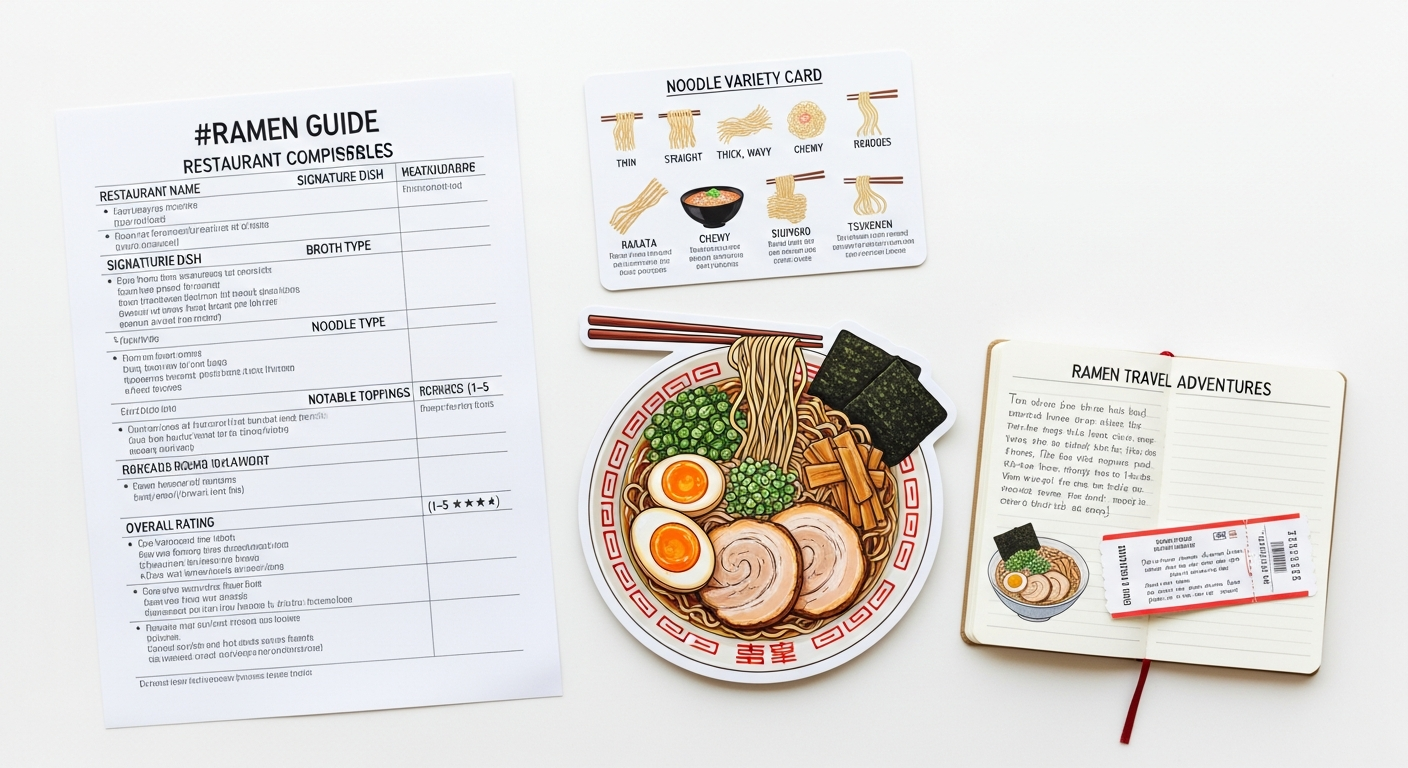
Enjoying ramen in Japan is more than just eating; it’s an experience rich in cultural nuances and practical considerations. To make your Onomichi ramen adventure smooth and enjoyable, understanding queue etiquette, ordering procedures, and typical pricing is key. This practical guide will help you navigate the ramen-ya (ラーメン屋) like a seasoned local.
Queue Etiquette: Patience is a Virtue
Popular ramen shops in Onomichi, especially those mentioned like Shukaen, often have queues, particularly during lunch (around 12:00 PM – 1:30 PM) and dinner (around 6:00 PM – 8:00 PM) times, as well as on weekends. The golden rule is to join the queue orderly. Do not cut in line, and avoid holding spots for friends who haven’t arrived yet. If there’s a sign or a designated waiting area, follow its instructions. Some shops might have a waiting list where you write your name; if so, look for a clipboard near the entrance. Be mindful of your fellow diners and keep noise levels respectful. A wait of 15-30 minutes is common for popular spots, but it’s part of the authentic experience.
Ordering in Japanese: Simple Phrases Go a Long Way
While many popular tourist spots might have English menus, it’s always good to be prepared with a few basic Japanese phrases. Most ramen shops in Japan, including in Onomichi, utilize a ticket vending machine (食券機, shokkenki) system. You select your ramen and any toppings, insert money, and receive a ticket. Hand this ticket to the staff when you’re seated or when prompted. If there’s no machine, you’ll order directly from the staff.
- Basic Ramen: Often called “Ramen” (ラーメン) or “Chūka Soba” (中華そば).
- Extra Chashu: “Chāshū-men” (チャーシュー麺) or “Chāshū o tsukete kudasai” (チャーシューを付けてください – please add chashu).
- Large Portion: “Ōmori” (大盛り)
- Regular Portion: “Futsuu” (普通)
- Small Portion: “Komori” (小盛り)
- “This one, please”: “Kore kudasai” (これください) – point to the item on the menu or machine.
- “Thank you (for the meal)”: “Gochisōsama deshita” (ごちそうさまでした) – say this when leaving.
- “Excuse me / Sumimasen”: “Sumimasen” (すみません) – to call staff.
Don’t be afraid to point to pictures if available. The staff are generally used to international visitors and will appreciate your effort.
Price Range: Affordable Deliciousness
Onomichi Ramen is generally quite affordable, offering excellent value for a hearty and delicious meal. A standard bowl of ramen (ラーメン) typically ranges from ¥700 to ¥1,000 JPY. If you opt for a special ramen with extra toppings like more chashu (チャーシュー麺, chāshū-men), a large portion (大盛り, ōmori), or additional eggs (味玉, ajitama), the price might go up to ¥1,200 to ¥1,500 JPY. Side dishes such as gyoza (餃子) or a small rice bowl (ご飯, gohan) are usually an additional ¥200-¥400. Most shops accept cash (yen), and some may accept major credit cards or cashless payment systems, but it’s always wise to have cash on hand, especially for smaller, traditional establishments. These prices are quite reasonable for a high-quality, authentic Japanese meal, making Onomichi Ramen an accessible culinary delight for all visitors, as confirmed by local tourism bodies like Hiroshima Prefecture Tourism.
Dining Etiquette: Slurp Away!
Once your ramen arrives, don’t hesitate to slurp your noodles! In Japan, slurping is not only acceptable but often seen as a sign of enjoyment and appreciation for the chef’s work. It also helps cool down hot noodles. Feel free to lift the bowl to drink the broth directly, or use your spoon. Finish as much of the broth as you like; it’s not mandatory to drink every last drop, but it’s a compliment to the chef if you do. Enjoy the rich flavors and textures, savoring each bite of this Onomichi specialty.
Beyond the Bowl: Onomichi’s Ramen Culture and Instant Delights
Onomichi Ramen isn’t just a dish; it’s a significant part of the city’s cultural identity and a source of local pride. While the traditional ramen-ya experience is paramount, the influence of this beloved noodle soup extends into local variations and even popular instant versions, allowing visitors to take a piece of Onomichi’s culinary charm home with them.
Local Variations and Evolving Traditions
While the core characteristics of Onomichi Ramen—shoyu broth, flat noodles, chicken fat, and pork back fat—remain consistent, each shop, and indeed, each chef, brings a subtle personal touch to their craft. Some shops might lean more heavily on a pork-based broth, while others might emphasize a stronger seafood essence from the Seto Inland Sea. The precise blend of soy sauces, the cooking time of the back fat, and the specific texture of the noodles can vary, creating a spectrum of experiences within the Onomichi ramen style. For example, one shop might serve its back fat cubes slightly firmer for a textural contrast, while another might simmer them until they almost melt into the broth, offering a richer mouthfeel. Exploring these nuances by visiting multiple shops is part of the fun for true ramen connoisseurs. These subtle distinctions reflect the individual artistry and dedication of Onomichi’s ramen chefs, keeping the tradition vibrant and dynamic.
Beyond the established shops, some newer establishments might experiment with modern twists, perhaps offering additional toppings or slightly different broth compositions, but they generally adhere to the fundamental principles that define Onomichi Ramen. This blend of tradition and subtle innovation ensures that the dish continues to evolve while retaining its authentic roots, a testament to its enduring popularity among locals and tourists alike, as highlighted by resources from Hiroshima Prefecture Tourism.
Popular Instant Onomichi Ramen Brands for Souvenirs
For those who wish to extend their Onomichi ramen experience beyond their visit, or simply want a delicious souvenir, several instant ramen brands offer remarkably authentic versions of Onomichi Ramen. These instant noodles are not just quick meals; they are carefully crafted to replicate the distinctive flavor profile, making them popular gifts and pantry staples.
- Marutai (マルタイ): Marutai is a well-known Japanese instant noodle manufacturer that produces a highly regarded “Onomichi Ramen” stick-type instant ramen. Their version typically features a clear, shoyu-based soup with a good approximation of the characteristic chicken and pork broth, often including small dehydrated back fat pieces. It’s widely available in supermarkets across Japan and in specialty Asian grocery stores internationally.
- Itsuki Foods (五木食品): Another prominent brand, Itsuki Foods, also offers its take on Onomichi Ramen. Their instant noodles are often praised for their faithful recreation of the shoyu broth and the inclusion of flavorful oil packets that emulate the chicken fat and richness of the back fat. Itsuki products are usually found in the same retail environments as Marutai.
- Local Souvenir Brands: In addition to national brands, you’ll find various local souvenir instant ramen packages at shops around Onomichi Station, souvenir stores, and even some ramen shops themselves. These often feature unique packaging with local landmarks and might offer an even closer representation of specific shop flavors. Look for brands that explicitly state “尾道ラーメン” (Onomichi Ramen) on the packaging.
These instant versions are excellent for bringing the taste of Onomichi home or sharing it with friends and family. They typically come with dried noodles, soup base packets, and sometimes oil or topping packets. While they can’t fully replicate the fresh experience of a ramen-ya, they offer a surprisingly satisfying and convenient taste of Onomichi’s culinary heritage. You can find these instant ramen packs at local supermarkets (like Fuji Grand or Aeon in Onomichi), souvenir shops near Onomichi Station, and even some convenience stores. They make for a perfect and delicious memento of your trip to this charming city.
Planning Your Visit: Best Time, Access, and Exploring Onomichi
To fully immerse yourself in the Onomichi Ramen experience and explore the city’s broader appeal, careful planning regarding the best time to visit and how to access and navigate the area is essential. Onomichi offers a blend of culinary delights and scenic beauty that makes it a rewarding destination.
Best Time to Visit Onomichi
Onomichi enjoys a mild climate, making it an attractive destination for much of the year. However, certain seasons offer unique advantages:
- Spring (March to May): This is arguably the most popular time to visit. The weather is pleasantly mild, and the city’s numerous cherry blossom (桜, sakura) trees bloom, especially around Senkoji Park, creating breathtaking scenery. It’s a fantastic time for walking tours and cycling along the Shimanami Kaido. Ramen shops can be busier during this period.
- Autumn (September to November): Similar to spring, autumn offers comfortable temperatures and beautiful fall foliage, particularly in the hills surrounding the city. The air is crisp, making it ideal for outdoor activities and enjoying a hot bowl of ramen. Tourist crowds are generally moderate.
- Summer (June to August): Summers in Onomichi can be hot and humid, typical of much of Japan. However, it’s a great time for enjoying the Seto Inland Sea, and evenings can be pleasant. While ramen is traditionally a winter comfort food, many locals enjoy it year-round. Be prepared for higher temperatures if visiting in July or August.
- Winter (December to February): Winters are relatively mild compared to other parts of Japan, with occasional cold snaps. This is an excellent time to enjoy ramen, as a warm bowl provides perfect comfort. Tourist numbers are generally lower, offering a more tranquil experience.
Overall, spring and autumn are highly recommended for a balanced experience of Onomichi’s sights and culinary offerings.
Accessing Onomichi
Onomichi is well-connected and easily accessible, primarily by train:
- From Tokyo/Osaka: Take the Tokaido-Sanyo Shinkansen (新幹線) to Shin-Onomichi Station (新尾道駅). The journey from Tokyo takes approximately 4-5 hours, and from Osaka, about 1.5-2 hours. From Shin-Onomichi Station, it’s a short local train ride (JR Sanyo Main Line) or a 10-15 minute bus ride to Onomichi Station (尾道駅) in the city center. Alternatively, you can take the Shinkansen to Fukuyama Station (福山駅) and then transfer to the JR Sanyo Main Line for a 20-minute local train ride to Onomichi Station.
- From Hiroshima: Take the JR Sanyo Main Line (山陽本線) directly from Hiroshima Station (広島駅) to Onomichi Station. This journey takes approximately 1 hour and 30 minutes by local train, or about 40 minutes by Shinkansen to Shin-Onomichi, then transfer.
- By Air: The closest major airport is Hiroshima Airport (広島空港, HIJ). From the airport, take a limousine bus to Onomichi Station, which takes approximately 1 hour.
Onomichi Station is conveniently located right in the heart of the city, making it an ideal starting point for your exploration.
Getting Around Onomichi and Exploring Beyond Ramen
Onomichi’s city center and many of its attractions are wonderfully walkable. The main shopping street (商店街, shotengai) and the waterfront are easily explored on foot. For those looking to venture up the famous Temple Walk (千光寺公園, Senkōji Kōen), a ropeway (ロープウェイ, rōpuwei) provides easy access to Senkoji Park and its panoramic views, costing around ¥320 JPY one-way or ¥500 JPY round-trip. From the park, you can descend through the charming Cat Alley (猫の細道, Neko no Hosomichi) and past numerous temples.
For the more adventurous, Onomichi is the starting point of the Shimanami Kaido (しまなみ海道), a renowned cycling route that connects Honshu to Shikoku via a series of bridges and islands. Bicycle rentals are widely available near Onomichi Station, with prices typically around ¥1,000-¥2,000 JPY per day, plus a deposit. Even a short ride along the waterfront offers beautiful views.
Beyond ramen and cycling, Onomichi offers a rich tapestry of cultural experiences, from exploring historic temples like Jōdoji (浄土寺) and Saikokuji (西國寺) to browsing quirky shops and cafes along its winding alleys. Information on these attractions is readily available from the Onomichi City Tourism Association and JNTO, ensuring your trip is filled with both gastronomic delights and unforgettable sightseeing.
Key Takeaways for Your Onomichi Ramen Adventure:
- Distinctive Flavor: Onomichi ramen features a clear, shoyu-based broth with chicken fat and savory pork back fat cubes, served with flat, chewy noodles.
- Top Shops: Don’t miss Shukaen for its traditional style, Ittoku for a refined take, Nishikiya for consistency, and Asahi Shokudo for a local’s favorite.
- Etiquette & Ordering: Be prepared for queues, use ticket machines or simple Japanese phrases to order, and embrace slurping your noodles.
- Affordable & Accessible: A bowl typically costs ¥700-¥1,200 JPY. Onomichi is easily reached by Shinkansen and local trains.
- Souvenirs: Take home instant Onomichi ramen from brands like Marutai or Itsuki Foods, available at local supermarkets and souvenir shops.
Practical Reference Table: Top Onomichi Ramen Shops
Here’s a quick reference for some of Onomichi’s most beloved ramen establishments to help you plan your culinary tour.
| Shop Name | Typical Opening Hours | Price Range (JPY) | Access from Onomichi Station | Notes |
|---|---|---|---|---|
| Shukaen (朱華園) | 11:00 – 19:00 (Closed Thursday) | ¥700 – ¥1000 | Approx. 10-15 min walk | Often considered the original; expect queues. Cash only. |
| Ittoku (壱番館) | 11:00 – 20:00 (Closed Monday) | ¥800 – ¥1200 | Approx. 5 min walk | Popular and often busy, slightly refined broth. Ticket machine. |
| Nishikiya (錦) | 11:00 – 15:00, 17:00 – 20:00 (Closed |
The Onomichi Guide editorial team has spent years cycling the Seto Inland Sea region, eating their way through Onomichi’s ramen shops, and exploring Hiroshima Prefecture’s hidden corners. Our guides are written from first-hand experience and updated regularly to reflect current conditions and prices.
Frequently Asked Questions
What makes Onomichi ramen different from other Japanese ramen styles?
Onomichi ramen is defined by its flat, wide noodles (hira-men), a soy-based chicken-and-small-fish broth, and a distinctive topping of pork back fat (seiabura) that floats on the surface. The style developed in the mid-20th century and is unique to this Hiroshima coastal city.
How much does Onomichi ramen typically cost?
A standard bowl of Onomichi ramen costs ¥700–¥1,100 at most restaurants. Chashu pork, extra noodles (kaedama), and gyoza are common add-ons. Most shops are cash-only with ticket machines.
What are the best Onomichi ramen restaurants?
Top-rated options include Shukaen (near the harbor, long-established), Ichibankan (popular with locals), and Shokudo Onomichi Ramen (central location). Arrive early to avoid queues — most open at 11am and sell out by early afternoon.
What is the best time to visit Onomichi ramen shops?
Arrive at 11am when most shops open to avoid queues. Popular restaurants can sell out their broth and close by early afternoon (1–2pm). Weekday visits are less crowded than weekends.
Is there vegetarian or vegan ramen available in Onomichi?
Traditional Onomichi ramen is not vegetarian due to its fish-based broth and pork fat topping. A small number of modern cafes in Onomichi offer plant-based ramen options — check current listings as these change seasonally.