Why Cycle Ikuchijima? The Citrus Island’s Charm
Ikuchijima is not just another island on the Shimanami Kaido; it’s a destination that captivates with its distinct character and slower pace. Renowned nationwide for its abundant lemon cultivation, the island’s landscape is dotted with picturesque orchards, filling the air with a subtle, zesty fragrance. This agricultural bounty translates into a delightful culinary scene, where everything from sweets to savory dishes incorporates the island’s famous citrus. Beyond its agrarian appeal, Ikuchijima is also a haven for art lovers. The island is home to several significant art installations and museums, notably the Kosanji Temple and the Hirayama Ikuo Museum of Art, offering cultural enrichment alongside physical activity.
What truly sets Ikuchijima apart for cyclists is its accessibility and its relatively flat terrain, making it an excellent choice for families, beginner cyclists, or those seeking a more relaxed ride compared to some of the Shimanami’s more challenging sections. The island loop is manageable, typically ranging from 20 to 30 kilometers depending on your chosen route and detours, allowing ample time to explore at a leisurely pace. You can easily spend a full day here, stopping frequently for photos, snacks, and cultural excursions without feeling rushed. For visitors starting their Shimanami Kaido adventure from Onomichi, Japan, Ikuchijima is often the third island after Mukaishima and Innoshima, making it a natural progression and a rewarding stop before continuing further south or returning north. Its gentle slopes and well-maintained cycling paths ensure a comfortable and enjoyable experience for all skill levels, solidifying its reputation as a must-visit cycling destination in 2026.
The island’s commitment to both its natural beauty and its artistic heritage creates a harmonious atmosphere. Imagine cycling past sun-drenched lemon groves, then pausing to admire a contemporary sculpture against the backdrop of the Seto Inland Sea. This unique blend of nature, agriculture, and art makes Ikuchijima a truly special place, offering a sensory experience that goes beyond just pedaling. It’s an opportunity to connect with local life, savor unique flavors, and capture stunning memories, making it a highlight of any Shimanami Kaido itinerary.
Planning Your Ikuchijima Cycling Adventure
Embarking on a cycling tour of Ikuchijima requires a bit of planning, but the rewards are immense. The island is easily accessible, making it a flexible addition to your travel plans. Most cyclists begin their Shimanami Kaido journey, and by extension their Ikuchijima adventure, from Onomichi, Japan. Here, you can rent high-quality bicycles from the well-known Shimanami Cycle Terminal at Onomichi U2, which offers a wide range of bikes, including electric-assist models, perfect for tackling any terrain with ease. Alternatively, you can rent bikes at various designated cycle terminals along the Shimanami Kaido, including terminals on Ikuchijima itself, if you arrive by ferry.
To reach Ikuchijima from Onomichi, you’ll first cycle across Mukaishima and then Innoshima, crossing iconic bridges that offer spectacular views of the Seto Inland Sea. The Innoshima Bridge, with its distinctive double-deck structure, leads directly to Innoshima, from where the Ikuchi Bridge connects you to Ikuchijima. This sequence of islands and bridges is a fundamental part of the Shimanami Kaido experience. For those looking for a quicker direct route, regular ferry services operate between Onomichi Port and Setoda Port on Ikuchijima, providing a scenic and convenient option, especially if you’re not planning to cycle the full Shimanami Kaido but solely focus on Ikuchijima.
The best time to visit Ikuchijima for cycling is during the mild weather of spring (March to May) or autumn (September to November). In spring 2026, you’ll be greeted by pleasant temperatures, vibrant greenery, and the fragrant blossoms of citrus trees. Autumn offers comfortable cycling conditions, crisp air, and often stunning clear skies, ideal for photography. Summer can be quite hot and humid, while winter, though generally mild, can be chilly on the bridges. Regardless of the season, checking the weather forecast before you set out is always advisable.
When planning your route, consider the Ikuchijima Island Loop, which is clearly marked with blue lines on the road, consistent with the rest of the Shimanami Kaido. This loop offers flexibility for various distances, with the main circuit being approximately 20-30 kilometers. Allow at least 4-6 hours to complete the loop comfortably, factoring in stops for sightseeing, meals, and photography. Electric-assist bikes are highly recommended for those who want to conserve energy or simply enjoy a more relaxed pace, ensuring every moment of your Ikuchijima cycling adventure is enjoyable and effortless.
Must-See Stops Along the Ikuchijima Cycling Route
- Kosanji Temple and The Museum of Future Dreams (Mirai-no-Oka): This truly unique temple complex is a masterpiece of architectural ambition. Built by a wealthy businessman in honor of his mother, Kosanji features replicas of famous Japanese temples and shrines, alongside original, extravagant structures. The highlight for many is Mirai-no-Oka, or the “Museum of Future Dreams,” an awe-inspiring white marble garden created by sculptor Kazuto Kuetani. Its pristine, dreamlike landscape offers incredible Onomichi Photography Spots, especially at sunrise or sunset. Allow ample time to explore the various halls, pagodas, and the vibrant gardens, as each corner holds a surprise.
- Hirayama Ikuo Museum of Art: Dedicated to the renowned Japanese painter Hirayama Ikuo, who was born on Ikuchijima, this museum showcases his distinctive works, many of which depict the Silk Road and his spiritual journey. The museum’s serene atmosphere provides a contemplative break from cycling, allowing visitors to appreciate his profound artistic contributions. It’s a wonderful opportunity to connect with local talent and immerse yourself in Japanese art.
- Sunset Beach (サンセットビーチ): As its name suggests, this is one of the best spots on the island to witness a spectacular sunset over the Seto Inland Sea. But even during the day, Sunset Beach is a lovely stretch of sand perfect for a quick break, a refreshing dip in the water during warmer months, or simply enjoying the panoramic views. There are facilities like changing rooms and showers, making it a convenient stop. You might even spot locals enjoying water sports.
- Shiomachi商店街 (Shiomachi Shotengai): Step back in time as you cycle through this nostalgic shopping street near Setoda Port. This traditional market street offers a glimpse into local island life, with small shops selling local produce, souvenirs, and delectable snacks. It’s an excellent place to pick up some fresh lemons, lemon-themed sweets, or traditional crafts. Look out for the charming retro storefronts and friendly shopkeepers.
- Lemon Orchards: While not a single designated “stop,” the lemon orchards are an integral part of Ikuchijima’s identity. As you cycle, you’ll naturally pass by many of these groves, especially on the hillsides. The sight of vibrant yellow lemons hanging from trees against the blue sky is incredibly picturesque. Many local shops sell fresh lemons, lemon juice, and various lemon-infused products directly from these orchards.
- I-Path Art Project: Scattered across the island, particularly along the coastal cycling route, you’ll encounter various contemporary art installations that are part of the “I-Path” project. These open-air sculptures and artworks integrate seamlessly with the natural landscape, adding an element of surprise and delight to your ride. Keep an eye out for them, as they offer unique photo opportunities and a deeper appreciation for Ikuchijima’s artistic spirit.
Each of these stops contributes to the rich tapestry of experiences that make Ikuchijima a truly special cycling destination. Remember to bring your camera, as the island abounds with scenic vistas and unique subjects, cementing its status as one of the prime Onomichi Photography Spots in the wider region.
Where to Eat and Refresh on Ikuchijima
No cycling guide to Ikuchijima would be complete without highlighting its fantastic culinary scene, heavily influenced by its status as the “Lemon Island” and its proximity to the bountiful Seto Inland Sea. Fueling your ride with local flavors is an essential part of the experience, and Ikuchijima offers a delightful array of options for every palate.
The star of the show, naturally, is the lemon. You’ll find it incorporated into an astonishing variety of dishes and treats. Look out for refreshing lemonade made from freshly squeezed island lemons, perfect for rehydrating on a warm day. Many cafes and bakeries offer exquisite lemon cakes, tarts, and cookies, providing a zesty energy boost. For a truly unique experience, try the local lemon ramen, a surprisingly delicious concoction that balances the richness of the broth with the refreshing tang of lemon slices. It’s a must-try for adventurous foodies visiting in 2026.
Beyond citrus, Ikuchijima, like many islands in the Seto Inland Sea, boasts incredible seafood. Freshly caught fish and shellfish are staples in local restaurants. Head to eateries near Setoda Port or along the coast for delectable sashimi, grilled fish, or seafood bowls (kaisendon). Many smaller, family-run establishments offer set lunches (teishoku) featuring seasonal catches, providing an authentic taste of island life at a reasonable price.
Here are a few recommendations and types of places to look out for:
- Cafes and Bakeries: Dotted around Setoda Port and along the main cycling route, you’ll find charming cafes serving coffee, tea, and a delightful selection of pastries, many of them lemon-themed. These are perfect spots for a mid-morning break or an afternoon treat. Seek out places offering homemade gelato or sorbet, often featuring local fruit flavors.
- Local Restaurants (定食屋 – Teishoku-ya): These establishments are your best bet for a hearty and authentic Japanese meal. They typically offer a variety of set meals that include a main dish (fish, meat, or noodles), rice, miso soup, and several small side dishes. They are usually very welcoming to cyclists.
- Roadside Stands and Farmers’ Markets: Especially during harvest season, you might encounter small, unmanned stands selling fresh lemons, mandarins, and other local produce directly from the farms. This is a great way to support local agriculture and grab a healthy snack for your ride.
- Convenience Stores (Konbini): While not unique to Ikuchijima, convenience stores are reliable stops for drinks, snacks, and quick meals. They are usually well-stocked and offer a wide range of options, particularly useful if you’re cycling in areas with fewer dedicated restaurants.
Remember to carry some cash (yen), as smaller establishments on the island may not accept credit cards. Take your time, savor the unique flavors, and let the culinary delights of Ikuchijima replenish your energy for the rest of your cycling adventure.
Extending Your Shimanami Kaido Journey: Beyond Ikuchijima
While Ikuchijima offers a fulfilling cycling experience on its own, it is also an integral part of the larger Shimanami Kaido, Japan’s premier cycling route. For those with more time and an appetite for further exploration, extending your journey beyond Ikuchijima opens up a world of additional islands, stunning bridges, and vibrant cultural experiences. Ikuchijima typically serves as a rewarding middle point or a delightful detour, depending on your overall Shimanami itinerary.
If you’re heading south from Ikuchijima, the next island you’ll encounter is Omishima, connected by the Tatara Bridge. This magnificent cable-stayed bridge is famous for its elegant design and is often considered one of the most beautiful on the Shimanami Kaido. Omishima itself is rich in history and culture, home to the Oyamazumi Shrine, one of Japan’s oldest and most revered shrines, dedicated to the gods of mountains, seas, and warriors. It also houses two impressive museums dedicated to armor and weapons, making it a fascinating stop for history enthusiasts.
For those cycling north, back towards your starting point in Onomichi, Japan, you’ll retrace your path across the Ikuchi Bridge to Innoshima. Innoshima is an island with its own unique charm, steeped in the history of the Murakami Suigun, a powerful pirate clan that once controlled the Seto Inland Sea. Our detailed Innoshima Japan Travel Guide offers comprehensive insights into its attractions, including the Innoshima Suigun Castle, a reconstructed fortress that provides panoramic views and a glimpse into the island’s maritime past. Innoshima is also known for its beautiful flower parks and its connection to the famous ‘Hassaku’ citrus, another local specialty you might enjoy sampling.
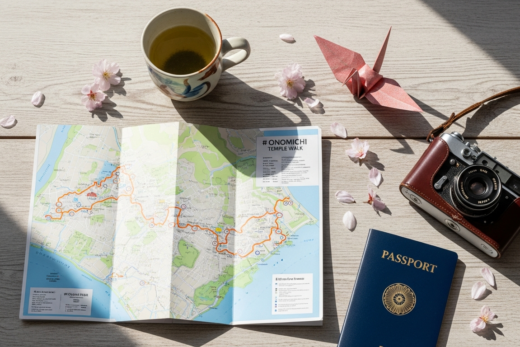
Continuing further north from Innoshima, you’ll cross the Innoshima Bridge back to Mukaishima, and then finally take a short ferry ride back to the mainland at Onomichi. Onomichi itself is a captivating city, serving as the official starting and ending point of the Shimanami Kaido. If you’ve just completed your cycling adventure, you’ll want to explore What To Do In Onomichi Japan beyond just the cycling terminal. The city is famous for its Temple Walk, a winding path that connects numerous historic temples, offering serene views and a glimpse into traditional Japanese architecture. Onomichi is also a treasure trove of narrow alleyways, charming cafes, and hillside views that make for excellent Onomichi Photography Spots.
Whether you choose to tackle the entire Shimanami Kaido in 2026 or focus on a few select islands, integrating Ikuchijima into a broader itinerary allows for a richer and more diverse travel experience. Each island has its own story, its own flavors, and its own unique appeal, making the journey through the Seto Inland Sea an unforgettable adventure for any traveler.
Essential Tips for a Smooth Ride
To ensure your Ikuchijima cycling adventure in 2026 is as enjoyable and hassle-free as possible, keep these essential tips in mind. Preparation is key to a smooth and memorable ride on this beautiful island.
- Bike Rental and Return: If you’re renting a bicycle, ensure you understand the rental and return system. Most Shimanami Kaido cycle terminals offer a “cross-bike” system, allowing you to rent a bike at one terminal and return it at another, offering flexibility for your itinerary. However, check the specific rules and fees for different types of bikes (e.g., electric-assist bikes may have different return policies). Always inspect your bike before setting off, checking tire pressure, brakes, and gears.
- Safety First: While Ikuchijima’s roads are generally safe, always wear a helmet (often provided with rentals) and obey traffic laws. In Japan, cyclists generally ride on the left side of the road. Be mindful of pedestrians, especially in town areas and near attractions. The blue line on the road marks the recommended cycling path, so stick to it where possible.
- What to Pack:
- Water and Snacks: Stay hydrated, especially during warmer months. While there are plenty of cafes and convenience stores, having your own water bottle is crucial.
- Sunscreen and Hat: The Seto Inland Sea sun can be strong, even on cloudy days. Protect yourself from sunburn.
- Comfortable Clothing and Shoes: Opt for breathable, moisture-wicking clothes. Padded cycling shorts can make a significant difference for longer rides.
- Cash (Yen): Many smaller shops, restaurants, and vending machines on the island may only accept cash. It’s wise to have sufficient Japanese Yen on hand.
- Portable Charger: For your phone or GPS device, especially if you’re relying on it for navigation or photography.
- Small Backpack: To carry your essentials comfortably.
- Weather Awareness: Check the weather forecast before you depart. While spring and autumn offer ideal conditions, sudden rain showers can occur. A light rain jacket can be a lifesaver. Strong winds can also be a factor on the bridges, so be prepared for a bit more effort.
- Navigation: The Shimanami Kaido, including Ikuchijima, is very well-marked with blue lines indicating the route and distances to the next points of interest. However, having a map (physical or digital) or a GPS app on your phone can provide extra peace of mind, especially if you plan to explore off the main route.
- Accommodation: If you plan to stay overnight on Ikuchijima, book your accommodation in advance, especially during peak seasons (spring and autumn 2026). Options range from traditional ryokans to guesthouses. Staying on the island allows you to enjoy the peaceful evenings and early mornings, perhaps catching a sunrise or sunset without rushing.
- Emergency Contacts: Keep a note of emergency numbers (e.g., local police, your accommodation, bike rental shop) in case of unforeseen circumstances.
By keeping these practical tips in mind, you’re all set for an unforgettable and worry-free cycling journey across Ikuchijima, immersing yourself fully in its natural beauty, artistic flair, and delicious local treats.
Frequently Asked Questions
Recommended Resources
You might also enjoy How To Write A Great Airbnb Listing from Vacation Rental Planners.
For more on Ikuchijima island cycling, see Florida Vacation Spots Worth Visiting on Vacation Rental Planners.