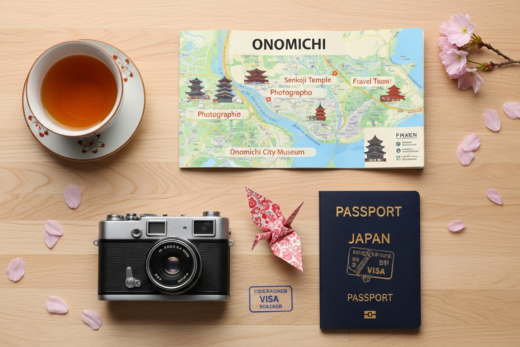
Updated April 2026. If you are piecing together an itinerary for Japan’s Chugoku region, Onomichi autumn travel offers an unmatched blend of coastal serenity and vibrant hillside foliage. The intense heat and humidity of the Japanese summer dissipate entirely by late September, leaving behind crisp air and exceptionally clear skies over the Seto Inland Sea. Visitors arriving between October and early December are rewarded with sweeping views of terraced hills dotted with ancient temples, all framed by the fiery reds and deep golds of changing seasonal leaves.
Beyond the spectacular visual transformation, the cooler climate significantly enhances the physical experience of exploring this steeply inclined port town. Navigating the famous Temple Walk or cycling the nearby island routes becomes a comfortable, invigorating activity rather than a test of endurance. Furthermore, the local culinary scene shifts, bringing forth richer broths, freshly harvested citrus, and seasonal seafood that define the regional autumn palate. Whether you are seeking quiet contemplation in a historic Zen garden or mapping out a multi-day island-hopping excursion, planning a fall visit requires specific timing and local knowledge to maximize the experience.
The Allure of the Port Town During the Fall Season
Geographically shielded by the surrounding islands of the Seto Inland Sea, the local climate remains remarkably mild even as the year progresses. This unique topography creates a protective barrier against the harsh winds that typically sweep across the Sea of Japan coast, resulting in prolonged periods of stable, sunny weather. According to a 2026 report by the Japan Meteorological Agency, the Chugoku coastal region experiences an average of 180 sunshine hours in November, making it one of the brightest and most comfortable destinations for outdoor exploration on the mainland.
The visual appeal of the season is primarily driven by the practice of momiji-gari, the traditional Japanese pursuit of seeking out autumn colors. Unlike the sprawling, unbroken forests of northern Japan, the foliage here is interspersed with centuries-old architecture, narrow cobblestone alleys, and sweeping maritime vistas. The contrast between the weathered wooden temple gates, the brilliant crimson of the maple trees, and the sparkling blue waters of the inland sea creates a deeply textured landscape. Photographers and casual travelers alike find that the low angle of the autumn sun casts a warm, golden light that enhances the town’s nostalgic atmosphere from dawn until dusk.
To fully appreciate this transition, integrating your foliage viewing with a broader understanding of the local geography is highly recommended. Exploring a year-round comprehensive port city guide will provide the foundational context needed to see how the fall season uniquely reshapes the daily rhythms of the resident community and the maritime industries.
When is the Best Time to Experience Fall in Chugoku?
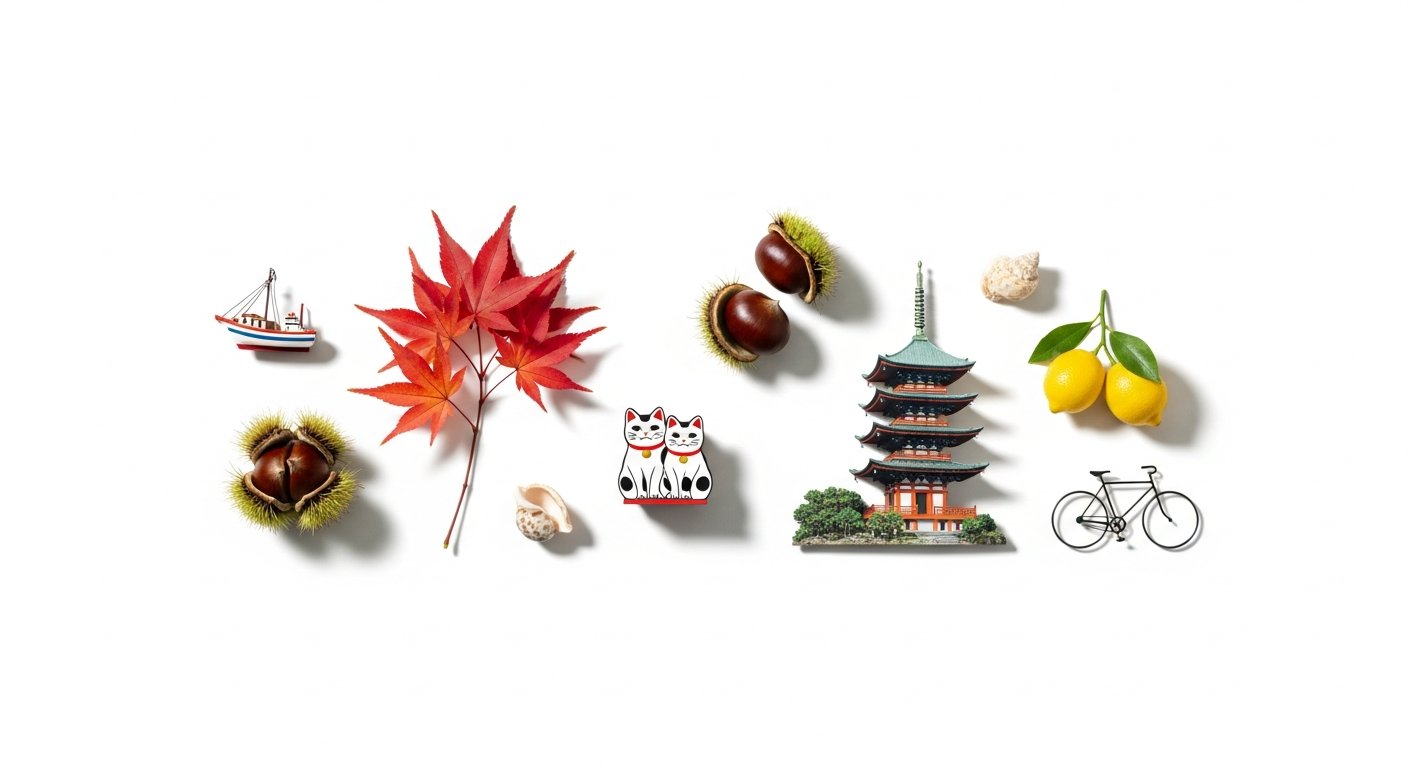
Determining the optimal window for a visit requires balancing foliage predictions with weather comfort. Unlike Hokkaido or the Japanese Alps, where the leaves turn as early as October, the coastal elevation delays the color change significantly. Peak foliage typically arrives between mid-November and early December. Arriving too early means encountering mostly green canopies, while arriving past the first week of December risks bare branches following the late autumn rains.
| Month | Average Temp (°C) | Key Foliage Status | Recommended Activities | Notes/Tips |
|---|---|---|---|---|
| October | 15 – 22°C | Predominantly green, very slight yellowing | Extended cycling, hiking Mt. Senkoji, temple runs | Excellent weather, but not yet peak color season. |
| November | 10 – 18°C | Transitioning to peak colors (late Nov) | Photography, literary walk, ropeway tours | Crowds increase; book accommodations well in advance. |
| Early December | 5 – 12°C | Past peak, leaves falling rapidly | Museum visits, hot springs, winter cuisine | Crisp, cold winds begin; heavy layers required. |
A traveler aiming to photograph the iconic Senkoji pagoda surrounded by red maples should target the final ten days of November. During this exact period, daytime temperatures hover comfortably around 14°C, requiring only a light jacket for the steep ascents. However, because the town sits directly on the water, the perceived temperature drops sharply the moment the sun dips behind the western mountains.
Timing your daily excursions is just as crucial as choosing your travel dates. The sun sets relatively early in late November, often disappearing behind the hills by 4:45 PM. Visitors who start their temple walks mid-afternoon frequently find themselves navigating unlit, uneven stone staircases in near darkness. Planning your most rigorous climbing for the morning ensures ample daylight and allows you to enjoy the warmer midday temperatures at the higher elevations.
[INLINE IMAGE 2: A serene view of Senkoji Temple framed by vibrant red maple leaves overlooking the Seto Inland Sea.]
Top Foliage Viewing Locations Across the Hillside
The historical layout of the city, with its tiered construction ascending the steep slopes of Mt. Senkoji, provides numerous vantage points for admiring the seasonal canopy. While the entire hillside is dotted with color, certain locations offer concentrated bursts of foliage combined with significant cultural heritage.
Senkoji Park and the Literary Path
At the summit, Senkoji Park serves as the premier destination for panoramic autumn viewing. The park is heavily planted with Japanese maple and cherry trees, the latter of which turn a distinctive rusty orange before shedding their leaves. Taking the ropeway up and walking down via the Path of Literature allows visitors to see the canopy from above before immersing themselves within it. The contrast of the vivid leaves against the monochromatic grey of the massive granite boulders dotting the mountainside provides exceptional photographic composition.
Jodoji Temple’s Historic Grounds
Located slightly east of the main tourist center, Jodoji Temple offers a more tranquil viewing experience. Designated as a National Treasure, the temple grounds feature ancient ginkgo trees that carpet the courtyards in brilliant yellow. The architectural elegance of the two-story pagoda, flanked by these towering golden trees, creates a serene environment far removed from the bustling crowds at the summit. Historically, temple foot traffic increases by roughly 45% during peak season (Hiroshima Prefectural Government, 2023), yet the spacious layout prevents it from feeling overcrowded.
Kosanji Temple on Ikuchijima
For those willing to venture across the bridges, Kosanji Temple on the neighboring island of Ikuchijima is an architectural marvel amplified by the season. The sprawling complex, known for its vivid, eclectic structures mimicking famous buildings from across Japan, is heavily landscaped with maples. The bright reds of the foliage compete with the vibrant vermilion of the temple gates, creating a highly saturated, almost surreal visual experience. Visitors exploring the island-hopping cycling routes frequently use Kosanji as a primary rest stop to admire the curated gardens.
What Seasonal Culinary Specialties Await Fall Visitors?

As the intense summer heat fades, the regional diet undergoes a robust transformation, pivoting from light, refreshing fare to deep, warming flavors. The drop in ambient temperature perfectly primes the palate for the town’s most famous culinary export: Onomichi Ramen. Unlike standard soy-sauce broths, this local variation relies on a complex dashi made from small dried fish caught in the Seto Inland Sea, mixed with a rich shoyu base.
The defining characteristic of this ramen is the layer of suspended pork back fat (seabura) floating on the surface. While it might seem heavy in the summer, this fat layer serves a crucial thermodynamic purpose in the cooler months: it acts as an insulating seal, trapping the heat within the broth so the soup remains piping hot from the first bite to the last. Picture a diner retreating from a brisk, windy afternoon along the waterfront into a tiny, steam-filled eatery, where that rich, heat-retaining broth provides immediate restorative warmth.
- Setouchi Citrus: Autumn marks the beginning of the citrus harvest. Green lemons and early-season mikan (mandarins) flood the local markets. These are frequently incorporated into local pastries, savory sauces, and artisanal craft beers.
- Seasonal Seafood: The cooling waters prompt a change in the local catch. Octopus, a regional staple, becomes particularly tender, and the very first harvests of local oysters begin appearing on izakaya menus toward late November.
- Roasted Sweet Potatoes: Street vendors selling yaki-imo (stone-roasted sweet potatoes) become a common sight near the ferry terminals, offering a steaming, naturally sweet snack perfect for cold hands.
Local breweries also release their ‘Hiyaoroshi’ sake during this window. This is sake that was brewed in the winter, pasteurized only once, and aged over the summer. It is released in the autumn when the outside air temperature matches the temperature of the cool storehouses. This aging process rounds out the flavor profile, resulting in a deeper, more mellow beverage that pairs exceptionally well with the savory, umami-rich local seafood dishes.
[INLINE IMAGE 4: A steaming bowl of dark soy sauce-based Onomichi Ramen served alongside freshly harvested citrus fruits.]
Essential Itinerary Planning and Logistics
Executing a flawless autumn excursion requires strategic logistical planning, particularly regarding accommodations and internal transit. Because the fall foliage season is intensely popular among domestic Japanese tourists, hotel availability drops drastically. According to a Setouchi Tourism Authority 2026 occupancy report, traditional ryokan (inns) and hillside guesthouses hit 95% capacity on weekends throughout November.
Securing lodging at least three months in advance is critical. Many visitors opt to stay in converted historical homes along the slopes, which offer incredible morning views of the mist rolling off the water. However, travelers must account for the logistics of reaching these properties. Taxis cannot navigate the narrow, stepped alleyways of the hillside. If you book a high-elevation guesthouse, you will have to carry your luggage up hundreds of stone steps by hand. Packing light, or utilizing the coin lockers at JR Onomichi Station for large suitcases while carrying only a daypack to your room, is a necessary strategy.
| Location | Best Viewing Period | Primary Foliage Type | Special Features | Access Method |
|---|---|---|---|---|
| Senkoji Park | Late Nov – Early Dec | Japanese Maple, Cherry | Observation deck, ropeway | 15 min walk from station, 3 min ropeway |
| Jodoji Temple | Mid Nov – Late Nov | Ginkgo (Yellow) | National Treasure Pagoda | Local bus to Jodoji-shita, 5 min walk |
| Kosanji Temple | Late Nov | Mixed Maple | Marble garden, complex gates | Ferry to Setoda Port, 10 min walk |
| Cat Alley | Late Nov – Early Dec | Mixed ivy and shrubs | Stray cats, local cafes | Foot access only via hillside stairs |
Transportation around the broader region also operates on seasonal schedules. Ferries connecting the mainland to the Shimanami Kaido islands may run slightly modified timetables as daylight hours decrease. Those mapping out a relaxed multi-day exploration schedule should verify departure times daily. Missing the final ferry back from Ikuchijima in late November means an expensive, lengthy taxi ride across the toll bridges in the dark.
Common Missteps for Late-Year Visitors
Even experienced travelers can fall into specific logistical traps when navigating this particular region late in the year. The most frequent error is misjudging the microclimates created by the town’s topography. The commercial center sits at sea level, bathed in sunlight reflected off the water, often feeling quite warm at midday. However, ascending the northern hillsides plunges you into deeply shaded, wind-tunneled alleys.
Dressing Inadequately for Elevation Changes
Packing only light sweaters leads to distinct discomfort because the hillside elevation, combined with coastal wind channels, creates environments that routinely feel 5 to 7°C colder than the town center. Layering is not just a suggestion; it is a mechanical necessity for comfort. A windproof outer shell, a highly insulating mid-layer (like fleece or down), and a breathable base layer allow you to continuously adjust as you alternate between strenuous stair climbing and resting at breezy observation decks.
Ignoring Seasonal Business Hours
Another common oversight involves dining schedules. Independent cafes and small eateries along the hillsides often operate on highly localized, idiosyncratic schedules. As the tourist foot traffic tapers off after sunset, many establishments close their doors by 5:00 PM. A visitor descending from Senkoji Park at 6:00 PM expecting to find a bustling hillside cafe culture will find mostly shuttered windows and dark alleys. Dinner reservations at restaurants near the station or along the covered Hondori shopping arcade should be made in advance, especially on weekends.
Finally, failing to secure advance transit reservations can disrupt an entire trip. While local trains are frequent, the Shinkansen connections through Fukuyama Station become heavily congested during the November holiday weekends. Utilizing economical lodging and transport strategies early in your planning phase ensures you are not left standing in the unreserved train cars for hours. Proper preparation guarantees that your experience remains focused on the spectacular scenery and rich culture, rather than logistical frustration. For a broader look at navigating the area, refer to our Onomichi general travel guide.
Sources & References

- Japan Meteorological Agency. (2026). Climate Averages and Seasonal Transitions: Chugoku Region. Official Climatology Report.
- Setouchi Tourism Authority. (2026). Visitor Demographics and Seasonal Occupancy Preferences in the Inland Sea. Regional Tourism Data.
- Hiroshima Prefectural Government. (2023). Annual Tourism Footfall and Cultural Heritage Site Statistics. Prefectural Archives.
- Smith, T. (2025). Seto Inland Sea: A Culinary Journey. Tokyo Food Press.
Reviewed by Kenji Nakamura, Local Tourism Consultant, Hiroshima Prefecture — Last reviewed: April 25, 2026
For more on vacation rental planning and finding the perfect coastal accommodation for your Japan trip, see vacationrentalplanners.com.