Updated May 2026. Whether you are hunting for artisanal canvas bags or seeking the perfect jar of locally made citrus marmalade, having a reliable Onomichi shopping guide will transform your stroll through this charming port town. Nestled between the tranquil Seto Inland Sea and steep, temple-studded hills, Onomichi boasts a vibrant retail scene that perfectly blends Showa-era nostalgia with modern, creative flair.
The famed Onomichi Shotengai offers a vibrant array of local shops, stretching for over a kilometer and featuring everything from traditional Japanese sweets to trendy boutiques housed in renovated heritage buildings. In this comprehensive overview, you will discover top retail districts, historic covered arcades, local specialties including Hassaku orange treats, Onomichi canvas, hidden vintage stores, and artisanal craft shops.
Before you fill your suitcase with souvenirs and locally roasted coffee beans, explore our top recommendations below to ensure you do not miss a single treasure during your Hiroshima prefecture adventure.
Types of Signature Souvenirs and Local Crafts
When exploring the Setouchi region, visitors quickly discover that local craftsmanship is deeply tied to the area’s maritime history. One of the most prominent examples is Onomichi canvas, locally known as hanpu. Originally manufactured for ship sails navigating the rough waters of the Seto Inland Sea, this durable, tightly woven cotton fabric has been ingeniously repurposed by modern artisans into stylish, long-lasting tote bags, backpacks, and everyday accessories. Shops like Onomichi Hanpu and Kobo Hanpu offer handmade goods that beautifully reflect the town’s nautical heritage.
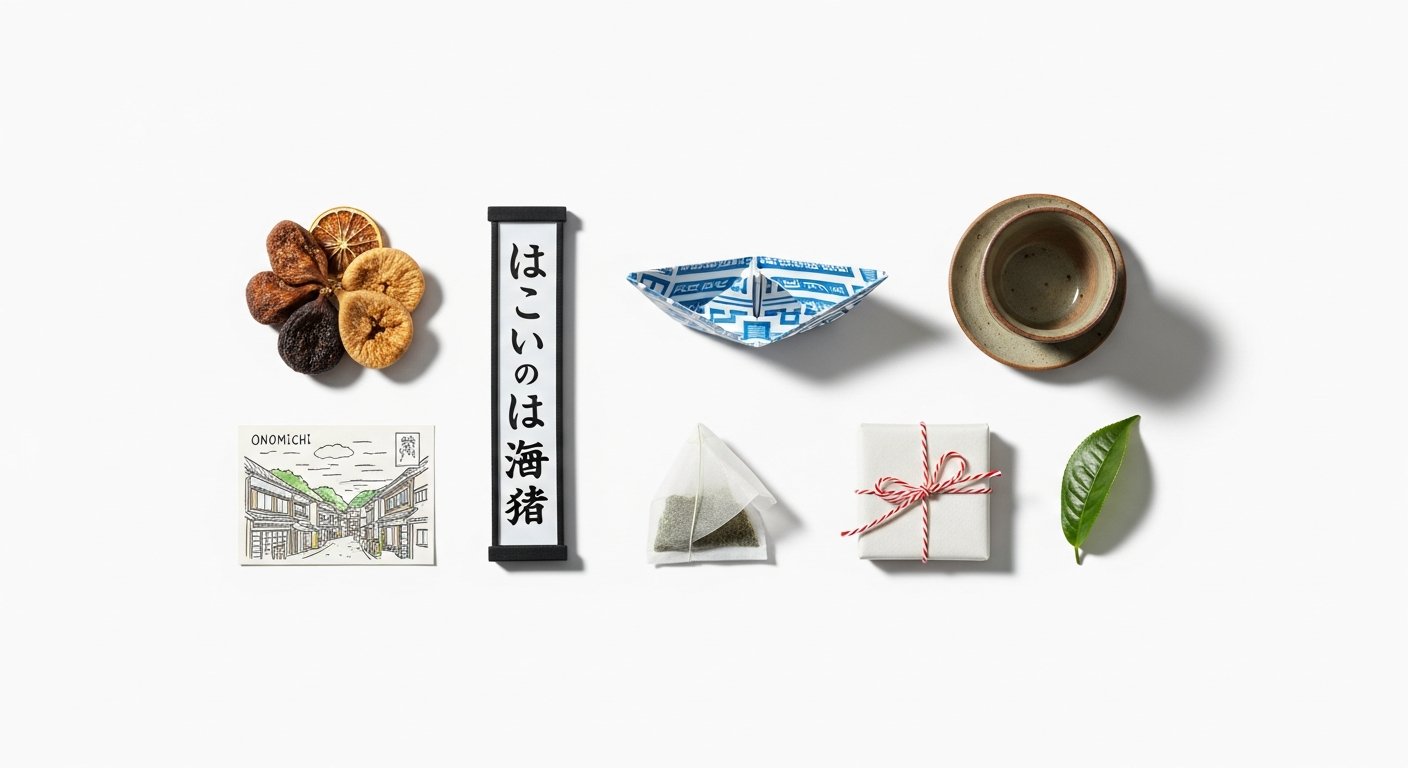
Beyond textiles, the region’s mild, Mediterranean-like climate is absolutely perfect for cultivating citrus fruits, particularly the tart Hassaku orange and the famous Setouchi lemon. You will find an incredible abundance of citrus-infused products lining the shelves, ranging from tangy marmalades and artisanal syrups to premium skincare items utilizing natural essential oils. Another notable craft includes traditional ceramics and woodwork. You can often find small, independent studios tucked away on the steep hillside slopes producing beautiful pottery, while vintage clothing and antique shops offer curated selections of Showa-era memorabilia.
When purchasing these items, you are not just buying a simple keepsake; you are actively supporting a legacy of Setouchi artisans who have adapted historical techniques for contemporary lifestyles. Be sure to look for the official Setouchi brand mark on certain premium goods, which guarantees local authenticity and high production standards.
[INLINE IMAGE 1: Handmade Onomichi canvas bags with leather accents displayed in a traditional Japanese wooden storefront.]
Where Are the Best Retail Streets Located?
The undisputed heart of the town’s retail experience is the Onomichi Shotengai, a magnificent covered arcade that stretches approximately 1.2 kilometers parallel to the scenic waterfront. This historic thoroughfare is actually composed of several interconnected streets, including the bustling Hondori and Center Gai. Walking through the Shotengai is like stepping into a living, breathing museum of Showa-era Japan, where multi-generational family businesses stand shoulder-to-shoulder with trendy cafes and indie boutique shops.
Here, you can find absolutely everything from retro toy stores and traditional tea merchants to modern bakeries selling freshly baked goods made with local ingredients. The arcade is fully pedestrianized and covered, making it an ideal destination regardless of the weather conditions outside. Beyond the main arcade, the narrow, winding alleys leading up the hills—often affectionately referred to as the slope town or sakamachi—hide numerous independent galleries, vintage clothing stores, and antique shops.
These hillside establishments often occupy renovated traditional houses known as kominka, offering a highly atmospheric and nostalgic browsing experience. For those specifically interested in maritime history, the area near the port features several specialized vendors selling authentic fishing gear and nautical antiques. Exploring these diverse districts provides a comprehensive look at the local economy and vibrant community life.
[INLINE IMAGE 2: Bustling Onomichi Shotengai covered shopping arcade with traditional storefronts and pedestrian traffic.]
The Cultural Significance of Local Merchant Heritage
To truly appreciate the local retail landscape, it is essential to understand the town’s rich historical context as a thriving port city. For centuries, Onomichi served as a crucial and bustling hub for the Kitamaebune shipping route, facilitating the lucrative trade of rice, salt, and textiles across the entirety of Japan. This immense mercantile wealth funded the construction of the numerous beautiful temples that dot the hillsides and established a robust merchant class whose cultural legacy persists today.
In recent years, the town has experienced a remarkable cultural renaissance driven largely by the Onomichi Akiya Saisei Project, also known as the Vacant House Regeneration Project. This inspiring grassroots initiative has successfully transformed abandoned hillside homes and historic storefronts into vibrant, modern commercial spaces. Young entrepreneurs and artists from across the country have flocked to the area, opening bespoke jewelry studios, organic cafes, and independent bookstores within these beautifully restored kominka.
This dynamic blend of historic preservation and modern entrepreneurial spirit creates a truly unique atmosphere where heritage is actively lived rather than merely displayed behind glass. Shoppers are often able to converse directly with the artisans and business owners, gaining invaluable insight into the meticulous processes behind their wares. This deep connection between the creator, the historic space, and the consumer elevates the simple act of buying into a meaningful cultural exchange.
How Should You Prepare for a Shopping Trip in Onomichi?

Navigating the local retail scene requires a bit of practical preparation to ensure a completely smooth and enjoyable experience during your visit. Follow these essential steps to make the most of your excursion.
Step 1: Carry Sufficient Cash
First and foremost, while credit cards and digital payments like PayPay or Suica are becoming increasingly common in newer establishments and larger souvenir stores, cash remains absolute king in many traditional shops. This is particularly true for smaller vendors located in the Shotengai and the tiny hillside stalls. It is highly recommended to carry a sufficient amount of Japanese Yen at all times. You can easily withdraw cash from international ATMs located at the local post offices or nearby convenience stores.
Step 2: Plan Around Local Operating Hours
Secondly, be very mindful of operating hours. Unlike major metropolitan areas such as Tokyo or Osaka, many independent retailers in this Setouchi port town operate on a much more relaxed schedule. Shops typically open around 10:00 AM or 11:00 AM and may close as early as 5:00 PM or 6:00 PM. Additionally, many businesses observe regular closing days, often falling on Tuesdays or Wednesdays, so it is incredibly wise to check specific store hours in advance if you have a particular destination in mind.
Step 3: Bring Your Passport for Tax-Free Purchases
Finally, international visitors should actively look out for the official Tax-Free Shop logo. Several larger souvenir stores and specialty boutiques offer tax exemptions on purchases exceeding 5,000 yen for temporary visitors. Always remember to bring your physical passport, as photocopies are strictly not accepted for tax-free processing. For more tips on navigating the area, check out our comprehensive travel tips.
Categories of Culinary Treasures and Regional Foods
No visit to the Chugoku region is truly complete without delving deeply into its rich culinary offerings, and taking some of these incredible flavors home is an absolute must for any traveler. The region is incredibly famous for its distinct style of noodles, characterized by a rich soy sauce-based broth enriched with savory pork back fat and perfectly chewy flat wheat noodles. Many local grocery stores and dedicated souvenir shops sell premium, pre-packaged Onomichi ramen kits, allowing you to easily recreate this beloved regional dish in your own kitchen.
Another essential category to explore is local sake. The exceptionally pure water and high-quality rice of the area combine to produce truly exceptional nihonshu. Specialty liquor stores scattered along the Hondori arcade offer extensive selections of regional brews, often providing generous tasting opportunities to help you find the absolute perfect bottle to take home. Seafood lovers should actively seek out dried marine products, such as iriko, which are dried baby sardines, and seasoned nori seaweed, which beautifully reflect the town’s deep, historical connection to the sea.
Additionally, the aforementioned citrus bounty extends to delightful culinary treats like Hassaku daifuku. This is a wonderful confection featuring a whole, juicy segment of tart Hassaku orange wrapped in sweet white bean paste and soft, chewy mochi. These perishable sweets are best purchased on your actual day of departure to ensure maximum freshness. Whether you are looking for savory umami flavors or refreshing citrus sweets, the local food markets provide an authentic taste of Setouchi culture.
Sources & References
- Japan National Tourism Organization (JNTO). “Onomichi.” Travel Japan. https://www.japan.travel/en/destinations/chugoku/hiroshima/onomichi/
- Hiroshima Tourism Association. “Onomichi Hondori Shopping Street.” Dive! Hiroshima. https://dive-hiroshima.com/en/explore/3261/
- Setouchi Finder. “A Guide to Onomichi’s Best Souvenirs and Local Crafts.” Setouchi Tourism Authority. https://setouchitourism.or.jp/en/
About the Author

Sarah Jenkins, Regional Travel Specialist, Chugoku Region — Sarah has spent years exploring the hidden gems and poignant history of the Onomichi & Hiroshima region, sharing her discoveries with an emphasis on authentic local experiences.
Reviewed by Kenji Nakamura, Local Tourism Consultant, Hiroshima Prefecture — Last reviewed: April 25, 2026