Wake Up to the Seto Inland Sea: A Guide to Mukaishima Island Guesthouses and Sea View Stays
Nestled just a stone’s throw—or a three-minute ferry ride—from the nostalgic slopes of Onomichi lies Mukaishima, the enchanting gateway to the world-famous Shimanami Kaido. While many travelers simply pedal through this island on their way to Imabari, those in the know understand that the true magic of the Setouchi region reveals itself only after the day-trippers have departed. Mukaishima is a place where the rhythmic clanging of shipyards harmonizes with the gentle lap of the tide, and where citrus groves scent the air with a sweet, seasonal perfume. Choosing to stay overnight on the island offers a rare opportunity to experience “island time”—a slower, more intentional pace of life that is increasingly hard to find in Japan’s bustling urban centers.
Whether you are seeking a minimalist bunk in a renovated shipyard warehouse or a luxurious villa overlooking the shimmering blue waters of the Seto Inland Sea, Mukaishima island guesthouses provide an immersive gateway to Hiroshima’s coastal culture. In this comprehensive guide, we will explore the best sea view stays, practical logistics for your 2026 adventure, and the hidden gems that make Mukaishima the perfect base for your Setouchi exploration.
—
1. Why Mukaishima? The Gateway to the Shimanami Kaido
Mukaishima serves as the first link in the island chain connecting Honshu to Shikoku. Historically known for its thriving salt pans and later its robust shipbuilding industry, the island has reinvented itself as a sanctuary for artists, cyclists, and slow-travel enthusiasts. Unlike the mainland side of Onomichi, which is characterized by steep temple walks and narrow alleys, Mukaishima offers a flatter, more pastoral landscape dominated by Mount Takami and sprawling orchards of *hassaku* and *mikan* oranges.
Staying on the island allows you to beat the morning rush of cyclists hitting the Shimanami Kaido. More importantly, it grants you access to the “Blue Hour”—that magical time when the sun sets behind the Geiyo Islands and the sea turns a deep, velvety indigo. Many guesthouses here are family-run or managed by young entrepreneurs who have migrated from Tokyo or Osaka to embrace the rural lifestyle, ensuring that your stay is grounded in authentic local hospitality.
2. Choosing Your Ideal Stay: From Guesthouses to Private Villas
The accommodation landscape on Mukaishima is diverse, catering to both budget-conscious backpackers and travelers looking for a high-end retreat.
Authentic Guesthouses (Minshuku & Hostels)
For those who value community and local tips, Mukaishima’s guesthouses are unbeatable. Many of these are “kominka” (renovated traditional houses) that have been modernized with Wi-Fi and comfortable bedding while retaining their original wooden beams and sliding *shoji* doors. These stays often feature communal kitchens where you can cook with local ingredients purchased from the island’s markets.
Sea View Stays and Boutique Villas
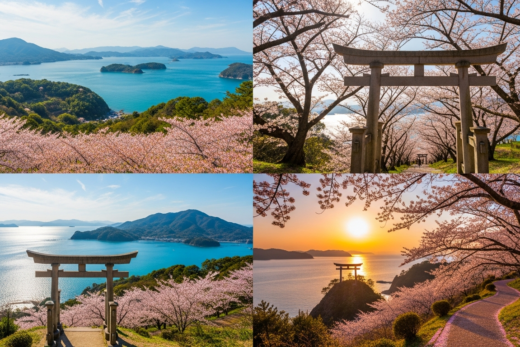
If your goal is to wake up to the sight of the ocean, focus your search on the southern and western coasts of the island. These areas offer unobstructed views of the neighboring Innoshima and the countless tiny islets that dot the Seto Inland Sea. Recently, several high-end “glamping” sites and minimalist concrete villas have opened, offering floor-to-ceiling windows that act as live frames for the maritime landscape.
Shipyard-Adjacent Lofts
The northern coast of Mukaishima, facing Onomichi, offers a different kind of charm. Here, you can find industrial-chic stays that overlook the active shipyards. At night, the cranes and docked vessels are illuminated, creating a cinematic, “Blade Runner-esque” aesthetic that provides a fascinating contrast to the natural beauty of the south.
3. Top Areas for Sea View Stays on Mukaishima
When booking your accommodation, location is everything. Mukaishima is larger than it looks, and the atmosphere changes significantly depending on which side of the island you choose.
4. Local Flavors: Where to Eat and Drink Near Your Guesthouse
A stay on Mukaishima isn’t complete without indulging in the island’s unique culinary offerings. Most guesthouses offer breakfast, but for lunch and dinner, you’ll want to explore.
5. Practical Logistics: Getting to and Around Mukaishima
Navigating Mukaishima is part of the adventure, but it requires a bit of planning, especially if you are carrying luggage.
Getting There
Getting Around
6. Sustainable Travel and Island Etiquette
As Mukaishima grows in popularity, it is vital to be a respectful visitor. The island is a living community, not just a tourist destination.
—
FAQ: Planning Your Mukaishima Island Stay
Q1: Is it better to stay in Onomichi or on Mukaishima Island?
It depends on your vibe. Onomichi is great for temple hopping and nightlife. Mukaishima is better for a quiet, nature-focused experience, better sea views, and a head start on the Shimanami Kaido cycling route.
Q2: How do I handle my luggage if I’m staying in an island guesthouse?
Many travelers use the “Takkyubin” (Sagawa or Yamato) luggage forwarding service to send their main suitcases from their previous hotel (like in Hiroshima or Osaka) directly to their Mukaishima guesthouse. Alternatively, there are coin lockers at Onomichi Station.
Q3: Can I find vegetarian or vegan food on the island?
While traditional seafood is king, several newer cafes on Mukaishima, like Ushio Chocolatl or certain organic-focused guesthouses, are very accommodating to plant-based diets. It is always best to notify your host in advance.
Q4: Do I need to book Mukaishima guesthouses far in advance?
Yes, especially for 2026 travel. The Shimanami Kaido is increasingly popular. Weekends and public holidays (like Golden Week in May) can book out 3–6 months in advance.
Q5: Is there an ATM or convenience store on the island?
Yes, there are a few convenience stores (Lawson and 7-Eleven) located near the main roads on the northern side of the island. However, smaller guesthouses and cafes may only accept cash, so it is wise to withdraw money at Onomichi Station before crossing over.
—
Conclusion: Making the Most of Your Setouchi Escape
Mukaishima Island is more than just a waypoint; it is a destination that rewards the curious traveler with quiet moments of profound beauty. By choosing one of the many Mukaishima island guesthouses or sea view stays, you are positioning yourself at the heart of the Setouchi experience. You’ll witness the morning mist lifting off the water, the golden hour hitting the shipyard cranes, and the genuine warmth of a community that takes pride in its maritime heritage.
Final Trip Planning Tips:
Your journey across the Shimanami Kaido begins here, but the memories of your night on Mukaishima—listening to the waves and the distant hum of the sea—will likely be the highlight of your entire Japanese adventure. See you on the island in 2026!