Where to Stay in Onomichi: Ryokan vs Guesthouse vs Hotel

Where to Stay in Onomichi: Ryokan vs. Guesthouse vs. Hotel

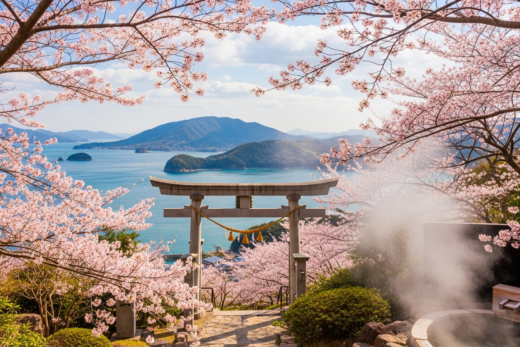
Nestled between the shimmering Seto Inland Sea and a series of steep, emerald hills, Onomichi is perhaps Japan’s most nostalgic port town. Known for its “Temple Walk,” a labyrinth of narrow alleys frequented by local cats, and its status as the starting point for the world-famous Shimanami Kaido cycling route, Onomichi offers a travel experience that feels frozen in time yet vibrantly alive. Unlike the high-octane neon of Tokyo or the manicured perfection of Kyoto, Onomichi possesses a “shabby-chic” maritime charm, where weathered wooden buildings house avant-garde art galleries and retro coffee shops.

Choosing where to stay in Onomichi is more than just a matter of finding a bed; it is about deciding how you want to interact with the town’s unique vertical geography. Whether you want to wake up in a restored hilltop *kominka* (traditional house) overlooking the channel, a sleek industrial hotel designed for cyclists, or a cozy guesthouse tucked away in a cat-filled alley, your choice of accommodation will define your experience. This guide breaks down the best neighborhoods and lodging styles to help you navigate the charms of this Setouchi gem.

1. Understanding Onomichi’s Layout: Hillside vs. Waterfront

Before booking, you must understand the town’s two distinct personalities: the **Hillside** and the **Waterfront**.

**The Hillside** is the heart of “Old Onomichi.” It is a vertical maze of stone stairs, hidden shrines, and breathtaking viewpoints. Staying here offers unparalleled views of the Seto Inland Sea and the islands beyond. However, it comes with a physical cost. There are no roads for cars in much of the hillside area, meaning you must carry your luggage up hundreds of stone steps. If you seek peace, history, and a “living like a local” vibe, the hillside is for you.

**The Waterfront/Station Area** is the hub of modern convenience. Located on the flat land between the hills and the sea, this area is home to the JR Onomichi Station, ferry terminals, and the main shopping arcade (*shotengai*). This is the best place to stay if you are arriving late, have heavy luggage, or are planning to start the Shimanami Kaido early the next morning. Most of the town’s hotels and modern amenities are concentrated here.

2. Traditional Ryokans: Heritage and Elegance
For travelers seeking cultural immersion, Onomichi’s ryokans offer a glimpse into the town’s history as a wealthy merchant port. While Onomichi doesn’t have a massive “resort” ryokan scene, the few heritage properties available are exceptional.

**Nishiyama Honkan** is the gold standard for traditional lodging in the area. This registered tangible cultural property features classic Taisho-era architecture, exquisite wooden joinery, and manicured gardens. Staying here feels like stepping back into a classic Japanese film. You can expect multi-course *kaiseki* dinners featuring freshly caught seafood from the Seto Inland Sea, such as sea bream (*tai*) and octopus.

Why choose a Ryokan?

  • **Cultural Context:** You experience the rituals of Japanese hospitality (*omotenashi*), including tatami floors, yukatas, and communal baths.
  • **The Food:** Onomichi is famous for its seafood. Ryokans provide the best access to high-end, seasonal local ingredients.
  • **A Slow Pace:** Ryokans encourage a slower rhythm of travel, perfect for those looking to decompress after a long flight or a day of cycling.
  • 3. Modern Hotels and Boutique Stays: Design and Convenience

    Onomichi has undergone a creative renaissance recently, leading to the rise of “industrial-chic” boutique hotels that cater to design-conscious travelers and cyclists.

    The most famous of these is **ONOMICHI U2 (Hotel Cycle)**. Housed in a renovated seaside warehouse, this is arguably the coolest hotel in Japan for outdoor enthusiasts. You can literally check in while sitting on your bike. The rooms feature high ceilings, denim accents (tribute to the region’s textile history), and hooks to hang your bicycle on the wall. Even if you aren’t a cyclist, the hotel’s bakery, restaurant, and bar make it a social hub for the town.

    For a more standard but reliable experience, the **Green Hill Hotel Onomichi** is located directly above the ferry terminal and next to the station. While the rooms are more “business-style,” the views of the Onomichi Channel are some of the best in the city.

    Why choose a Hotel?

  • **Logistics:** No stairs to climb with suitcases.
  • **Modern Amenities:** High-speed Wi-Fi, fitness centers, and Western-style beds.
  • **Cyclist Support:** Many hotels in the waterfront area offer specialized bike storage and repair tools.
  • 4. Guesthouses and Renovated “Kominka”: The Budget-Friendly Charm
    If you want to experience the “real” Onomichi on a budget, the guesthouse scene is where the town’s creative spirit shines. Many young entrepreneurs have taken abandoned hillside houses and converted them into warm, welcoming hostels and guesthouses.

    **Miharashi-tei** is perhaps the most iconic. It is a century-old villa located high on the hill near Senkoji Temple. It offers dormitory and private tatami rooms with a view that is worth ten times the price of admission. Another local favorite is **Anago-no-nedoko** (The Eel’s Bed), a “long and narrow” guesthouse located inside the shopping arcade. It’s whimsical, slightly eccentric, and connected to a lovely cafe.

    Why choose a Guesthouse?

  • **Social Interaction:** You’ll meet fellow travelers and local hosts who can give you “secret” tips on the best ramen shops or sunset spots.
  • **Authenticity:** You get to live in a renovated traditional house, experiencing the creaky floorboards and sliding paper doors of old Japan.
  • **Affordability:** This is the most cost-effective way to stay in a prime location.
  • 5. Staying for the Shimanami Kaido: Practical Logistics

    Many travelers use Onomichi as a “base camp” for the Shimanami Kaido—the 70km cycling route that connects Honshu to Shikoku via a series of bridges and islands. If this is your plan, your accommodation choice should prioritize logistics.

  • **Luggage Forwarding:** If you are cycling one-way to Imabari, look for hotels that participate in the “Sagawa Hands-Free Cycling” service. They can send your large suitcases to your destination hotel in Imabari for a small fee, allowing you to cycle with just a daypack.
  • **Rental Proximity:** Stay near the “Onomichi Port” area. This is where the main public bike rental terminal is located. Being close allows you to get in line early (by 7:30 or 8:00 AM) to secure the best bikes before they are rented out.
  • **Pre-Ride Carb Loading:** Stay near the *shotengai* (shopping arcade) so you can easily access **Onomichi Ramen** shops the night before. This local specialty, characterized by a soy-sauce base with pork fat back and flat noodles, is the perfect fuel for a long ride.
  • 6. Cultural Context: The Town of Literature and Film

    To truly appreciate your stay, it helps to know that Onomichi has long been a muse for Japanese artists. Staying on the hillside places you in the footsteps of famous authors like **Fumiko Hayashi**. The town’s unique landscape also served as the backdrop for Yasujiro Ozu’s cinematic masterpiece, *Tokyo Story*.

    As you walk from your accommodation to the various temples, look for the “Path of Literature,” where stones are engraved with quotes from writers who lived in or visited the town. Staying in a traditional ryokan or a hillside guesthouse allows you to experience the same misty mornings and tolling temple bells that inspired these creators decades ago.

    FAQ: Frequently Asked Questions

    Q1: Is it better to stay in Onomichi or Hiroshima City?

    While Hiroshima City is great for history and nightlife, Onomichi offers a much more relaxed, atmospheric “small-town” vibe. If you enjoy nature, cycling, and photography, stay at least one or two nights in Onomichi. It is only about 75-90 minutes from Hiroshima by local train or 40 minutes by Shinkansen (via Mihara).

    Q2: How do I handle my luggage if I stay on the hillside?

    This is a major consideration. If your accommodation is on the hill, we highly recommend using the **Takkyubin** (luggage delivery service) to send your large bags from your previous city (like Kyoto or Osaka) directly to your Onomichi hotel. Alternatively, use the large coin lockers at JR Onomichi Station and take only a small overnight bag up the stairs.

    Q3: Is Onomichi a good destination for families?

    Yes, but with caveats. Children usually love the “Cat Alley” and the ropeway up to Senkoji Park. However, the steep stairs and lack of elevators on the hillside can be difficult with strollers. If traveling with young children, a waterfront hotel like ONOMICHI U2 or Green Hill is much more practical.

    Q4: When is the best time of year to visit Onomichi?

    Spring (late March to early April) is stunning as Senkoji Park erupts in cherry blossoms. Autumn (October to November) is the best time for cycling the Shimanami Kaido, as the weather is cool and dry. Summers can be very humid, making the hillside climbs quite strenuous.

    Q5: Can I see Onomichi in a day trip?

    You can see the main highlights (Senkoji Temple and the shopping arcade) in a day, but you will miss the town’s best feature: the sunset over the Seto Inland Sea and the quiet, magical atmosphere of the hillside at night. We recommend staying at least one night to fully soak in the rhythm of the port.

    Conclusion: Trip Planning Tips

    Onomichi is a rare find in modern Japan—a place that feels authentic without being a “museum.” When planning your stay, remember that your choice between a ryokan, a modern hotel, or a guesthouse isn’t just about your budget; it’s about how much “friction” you want in your trip.

  • **For the Romantic/History Buff:** Book a traditional Ryokan on the hillside. The effort of the climb is rewarded with timeless views and world-class hospitality.
  • **For the Active Traveler:** Stick to the waterfront. The convenience of being near the bike rentals and the ferry terminals will make your Shimanami Kaido adventure much smoother.
  • **For the Solo/Social Traveler:** Look for the renovated *kominka* guesthouses. They are the soul of Onomichi’s modern creative community.
  • **Final Pro-Tip:** Regardless of where you stay, make sure to take the Senkoji Ropeway up to the observation deck at sunset. Watching the lights of the shipyards flicker on across the channel while the temple bells ring out across the hills is a Setouchi moment you will never forget. Pack light, wear comfortable walking shoes, and prepare to fall in love with the steepest, most charming town in Japan.