Ultimate Japan Travel Planning Guide: Everything You Need to Know
By Jane Doe, Travel Expert at Onomichi Guide
Laying the Foundation: When to Visit Japan and Why Your Timing Matters
Choosing the right time to visit Japan is paramount, as each season offers a distinct charm and can significantly influence your experience, budget, and itinerary. Understanding the seasonal variations, major holidays, and local events is a crucial first step in your Japan travel planning guide.
Spring (March to May): Cherry Blossoms and Mild Weather
- Pros: Mild temperatures, iconic cherry blossoms (sakura), vibrant festivals. It’s an incredibly beautiful time to explore cities and natural parks.
- Cons: Peak tourist season, especially during sakura bloom (late March to early April), leading to higher prices for flights and accommodation, and larger crowds at popular sites. Golden Week (late April to early May) is a series of national holidays where domestic travel surges, making transport and lodging bookings particularly challenging.
- Actionable Tip: If planning a spring trip, book everything—flights, hotels, Japan Rail Pass—at least 6-9 months in advance. Consider visiting regions slightly outside the main cherry blossom forecasts for fewer crowds, such as Tohoku or Kyushu, or focusing on late April/early May for iris gardens and wisteria.
Summer (June to August): Festivals, Mountains, and Beaches
- Pros: Lush greenery, vibrant summer festivals (matsuri) like Gion Matsuri in Kyoto and Nebuta Matsuri in Aomori, ideal for hiking and beach activities. Hokkaido offers a cooler escape.
- Cons: Hot and humid, especially in July and August. Typhoon season (late summer to early autumn) can bring heavy rains and disrupt travel plans.
- Actionable Tip: Pack light, breathable clothing, stay hydrated, and plan indoor activities for the hottest parts of the day. Consider itineraries that include cooler mountainous regions or coastal areas.
Autumn (September to November): Fall Foliage and Pleasant Weather
- Pros: Stunning autumn leaves (koyo), comfortable temperatures, fewer crowds than spring (though still popular), and excellent hiking conditions.
- Cons: Still within typhoon season in September. Peak foliage periods can draw significant crowds to specific viewing spots.
- Actionable Tip: Autumn foliage progresses from north to south. Consult online foliage forecasts to pinpoint the best viewing times for your desired regions. Early booking for popular areas like Kyoto is still advisable.
Winter (December to February): Snow Sports, Illuminations, and Fewer Crowds
- Pros: Beautiful snowscapes (especially in Hokkaido, Tohoku, and the Japanese Alps), world-class skiing and snowboarding, winter illuminations, fewer tourists outside of ski resorts and New Year’s, and the chance to experience traditional onsen in the snow.
- Cons: Cold weather, some attractions may have reduced hours or be closed. New Year’s (Shogatsu) is a major holiday, with many businesses closing for several days.
- Actionable Tip: Embrace the cold with thermal clothing. If you’re not skiing, take advantage of the calmer atmosphere to explore cities and enjoy winter culinary delights. Be aware of New Year’s closures when planning early January travel.
Mastering Your Japan Travel Budget: Costs & Smart Saving Strategies
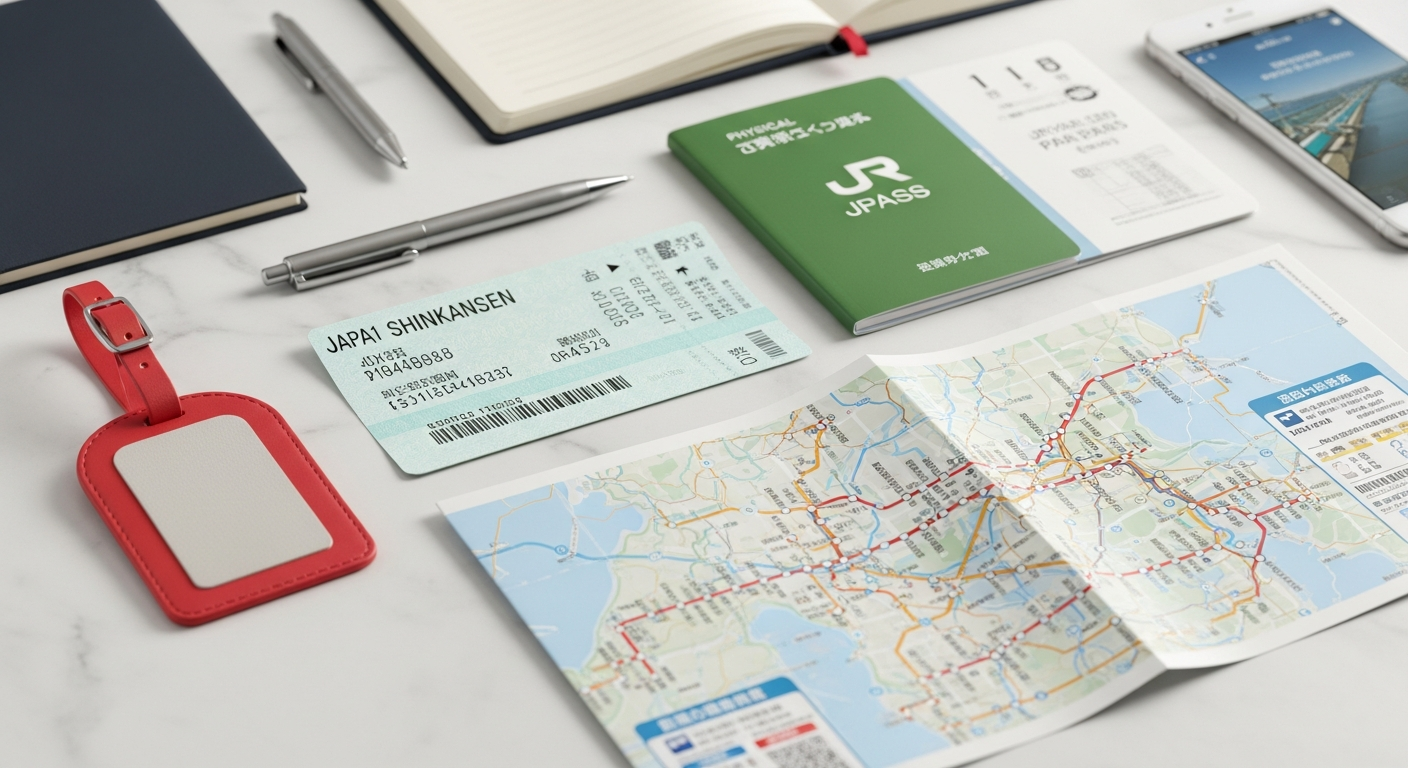
Budgeting is a critical component of any comprehensive Japan travel planning guide. Japan can be perceived as expensive, but with careful planning, it’s possible to manage costs effectively. Here’s a breakdown of typical expenses and how to save.
Estimated Daily Costs (excluding flights):
- Budget Traveler: ¥5,000 – ¥8,000 (~$35-$55 USD) per day. This involves staying in hostels/guesthouses, eating convenience store meals or cheap local eateries, and primarily using public transport.
- Mid-Range Traveler: ¥10,000 – ¥20,000 (~$70-$140 USD) per day. Includes comfortable business hotels, a mix of local restaurants and some nicer meals, occasional taxis, and entry fees to attractions.
- Luxury Traveler: ¥30,000+ (~$200+ USD) per day. Expect high-end hotels, ryokans with kaiseki dinners, gourmet dining, private transfers, and extensive shopping.
Key Expense Categories & Saving Tips:
- Flights:
- Cost: Varies wildly by origin, season, and how far in advance you book. Expect anywhere from $800 to $2,000+ USD for a round trip from North America or Europe.
- Saving Tip: Book 6-9 months out. Use flight comparison sites (Skyscanner, Google Flights) and be flexible with dates and airports. Consider flying into less popular airports like Osaka (KIX) for access to western Japan, including Onomichi, and then departing from Tokyo (NRT/HND) for a diverse itinerary.
- Accommodation:
- Cost: Hostels from ¥3,000, business hotels from ¥7,000, mid-range hotels ¥12,000-¥25,000, luxury hotels/ryokans ¥30,000+.
- Saving Tip: Book well in advance, especially during peak seasons. Consider capsule hotels for a unique, budget-friendly experience. Guesthouses or Airbnb can offer more space and amenities for groups. Staying slightly outside city centers can also reduce costs, often with good public transport links.
- Transportation:
- Cost: High-speed trains (Shinkansen) are excellent but can add up. A 7-day Japan Rail Pass costs around ¥50,000.
- Saving Tip: Evaluate if a Japan Rail Pass is cost-effective for your itinerary. For shorter trips or specific regions, individual tickets or regional passes might be better. Purchase an IC card (Suica/Pasmo) for seamless local train and bus travel. Consider highway buses for longer distances if time isn’t a major constraint; they are significantly cheaper than Shinkansen.
- Food & Drink:
- Cost: Varies greatly. Convenience store meals from ¥500, casual restaurant lunch from ¥800-¥1,500, dinner from ¥1,500-¥3,000+. Fine dining can be ¥10,000+.
- Saving Tip: Embrace convenience stores (konbini) for delicious, affordable meals and snacks. Look for lunch specials (teishoku). Stand-up noodle bars (tachigui soba) and izakayas offer great value. Drink tap water, which is safe to drink throughout Japan, and carry a reusable bottle.
- Activities & Sightseeing:
- Cost: Temple/museum entry typically ¥300-¥1,000. Theme parks like Tokyo Disney Resort are around ¥8,000.
- Saving Tip: Many temples and parks are free to enter. Prioritize a few key paid attractions. Look for combo tickets if visiting multiple sites in one area.
- Shopping & Souvenirs:
- Cost: Entirely up to you!
- Saving Tip: Set a budget. Explore 100-yen shops (Daiso, Seria) for unique and affordable souvenirs. Look for tax-free shopping for tourists (passport required).
Overall Budgeting Tip: Track your expenses daily using an app or notebook. This awareness will help you stay on track and adjust spending as needed.
Essential Pre-Departure Checklist: Visas, Insurance & Staying Connected
Before you even pack your bags, there are several crucial logistical steps in your Japan travel planning guide that require attention. Getting these right will ensure a stress-free start to your journey.
Visa Requirements
- Check Your Nationality: Japan has visa exemption agreements with many countries (e.g., USA, Canada, UK, Australia, most EU countries). This typically allows stays of up to 90 days for tourism purposes without a visa.
- Passport Validity: Ensure your passport is valid for the entire duration of your stay in Japan. Some airlines may require at least six months of validity beyond your intended departure date.
- Actionable Tip: Confirm the latest visa requirements well in advance by checking the official website of the Embassy of Japan in your country or consulting the Ministry of Foreign Affairs of Japan.
Travel Insurance
- Absolute Necessity: Travel insurance is not optional; it’s essential. Japan has an excellent healthcare system, but medical costs for foreign visitors can be very high.
- What to Cover: Look for policies that cover medical emergencies, emergency evacuation, trip cancellation/interruption, lost luggage, and personal liability.
- Actionable Tip: Purchase comprehensive travel insurance as soon as you book your flights and accommodation. Compare policies from several reputable providers to find one that best suits your needs and budget.
Staying Connected: Wi-Fi, SIM Cards, and Portable Hotspots
- Why it Matters: Google Maps, translation apps, looking up train schedules, and staying in touch with loved ones are all much easier with reliable internet access.
- Options:
- Pocket Wi-Fi Device Rental: Excellent for groups or heavy users. You rent a small device that provides a Wi-Fi signal. Pick up at the airport or have it delivered to your hotel.
- Prepaid Tourist SIM Card: Good for individual travelers with unlocked phones. Available at airports, electronics stores, or online for pre-order.
- eSIM: A convenient digital alternative for compatible phones. Purchase online and activate instantly.
- Free Wi-Fi: Available at many hotels, cafes, major train stations, and some public areas, but coverage can be spotty and not always reliable for navigation on the go.
- Actionable Tip: For most travelers, a prepaid SIM or eSIM offers the best balance of convenience and coverage. For families or groups, a pocket Wi-Fi device is often more cost-effective. Research and order your preferred option before you leave.
Navigating Japan Like a Local: Transportation Deep Dive
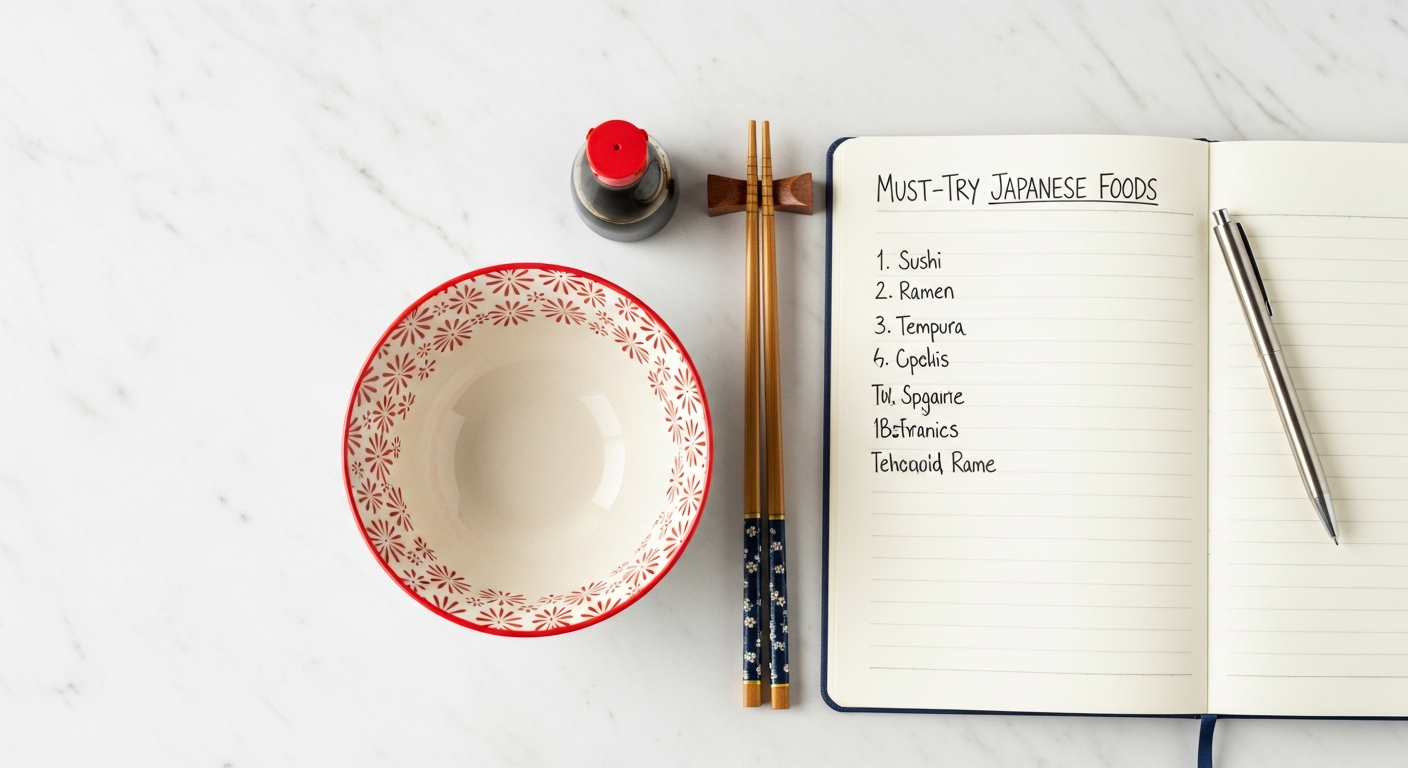
Japan’s transportation system is legendary for its efficiency, punctuality, and cleanliness. Understanding how to use it effectively is a cornerstone of your Japan travel planning guide.
The Japan Rail Pass (JR Pass)
- What it is: A multi-use ticket for unlimited travel on most JR Group trains, including the iconic Shinkansen (bullet trains), some JR buses, and ferry services (e.g., to Miyajima).
- Eligibility: Exclusively for foreign tourists visiting Japan on a “Temporary Visitor” status.
- Cost & Duration: Available for 7, 14, or 21 consecutive days. Prices vary. For example, a 7-day Ordinary Pass is approximately ¥50,000.
- When to Buy: Purchase online before you arrive in Japan. You’ll receive an exchange order, which you then swap for the actual pass at a major JR station upon arrival.
- Actionable Tip: Use a JR Pass calculator online (e.g., japan-guide.com’s calculator) to see if the pass will save you money. A general rule of thumb: if you plan to travel between Tokyo and Kyoto/Osaka/Hiroshima (and further to Onomichi) and back, a 7-day pass is usually worthwhile. For localized travel or shorter distances, individual tickets or regional passes might be better.
IC Cards (Suica, Pasmo, ICOCA, etc.)
- What they are: Rechargeable smart cards for cashless payment on trains, subways, buses, and even some vending machines and convenience stores across Japan.
- Convenience: Eliminates the need to buy individual tickets for each ride, saving time and hassle.
- Where to Buy: Available at ticket machines and JR Pass exchange offices at major train stations.
- Actionable Tip: Purchase an IC card upon arrival, load it with ¥3,000-¥5,000, and top it up as needed. It simplifies urban transit dramatically. While there are regional differences in names (Suica in Tokyo, ICOCA in Kansai), they are largely interchangeable nationwide.
Shinkansen (Bullet Trains)
- Speed & Comfort: The fastest way to travel long distances in Japan, reaching speeds of up to 320 km/h. They are incredibly comfortable and punctual.
- Seat Reservations: Not always necessary, especially if traveling alone or during off-peak hours, but highly recommended for peak seasons, holidays, or groups. You can reserve seats for free with a JR Pass.
- Actionable Tip: For longer journeys, especially on popular routes like Tokyo to Kyoto, reserve your seat a day or two in advance. Look for the “Green Car” (first class) if you want extra space, though the “Ordinary Car” is perfectly comfortable.
Local Trains, Subways, and Buses
- Urban Transit: Japan’s cities are crisscrossed by extensive networks of trains and subways. Buses fill in gaps and are common in smaller towns.
- Navigation Apps: Google Maps and Japan Transit Planner (Jorudan or HyperDia) are indispensable for real-time routing, schedules, and platform numbers.
- Actionable Tip: Familiarize yourself with the concept of different train lines and express/local services. An IC card makes navigating these systems effortless. Don’t be afraid to ask station staff for help; they are usually very helpful.
Domestic Flights
- When to Consider: For long distances where the Shinkansen would take too long or be more expensive (e.g., to Hokkaido, Okinawa, or parts of Kyushu).
- Airlines: JAL and ANA are the main carriers, but low-cost carriers like Peach and Jetstar Japan also operate.
- Actionable Tip: Research special tourist fares offered by major airlines (e.g., JAL Japan Explorer Pass, ANA Experience Japan Fare). These can offer significant savings compared to regular domestic tickets.
Beyond the Guidebook: Crafting Your Perfect Japan Itinerary
While guidebooks offer excellent starting points, crafting an itinerary that aligns with your interests and pace is key. This section of your Japan travel planning guide helps you balance popular attractions with unique, off-the-beaten-path experiences, including gems like Onomichi.
Popular First-Timer Routes (The Golden Route)
- Tokyo: 3-5 days. Explore Shibuya crossing, Harajuku fashion, Shinjuku skyscrapers, Imperial Palace, diverse neighborhoods.
- Hakone / Mount Fuji: 1-2 days. Scenic mountain escape, hot springs, views of Mount Fuji, open-air museum.
- Kyoto: 3-4 days. Ancient temples, geisha districts, bamboo groves, traditional gardens, historical charm.
- Osaka: 2-3 days. Foodie paradise, vibrant nightlife, Osaka Castle, Dotonbori.
- Actionable Tip: If this is your first time, the “Golden Route” (Tokyo–Kyoto–Osaka) is popular for a reason—it offers a fantastic overview. Consider adding a day trip from Kyoto to Nara (deer park, Todai-ji Temple) or from Osaka to Hiroshima/Miyajima (Peace Memorial Park, Floating Torii Gate).
Venturing Off the Beaten Path: Regional Exploration
Japan is far more than just its major cities. For a deeper dive into local culture and stunning natural beauty, consider exploring other regions.
- Hiroshima & Miyajima: A poignant history and iconic torii gate. Easily accessible by Shinkansen.
- Setouchi Region (including Onomichi):
- Why Visit: Onomichi, a charming port town in Hiroshima Prefecture, is the perfect example of Japan’s lesser-known treasures. Known for its Temple Walk, literary connections, retro alleyways, and stunning views of the Seto Inland Sea. It’s also the starting point of the Shimanami Kaido cycling route.
- What to Do: Cycle the Shimanami Kaido, explore the Temple Walk, visit Senkoji Park, enjoy local Onomichi ramen, and soak in the nostalgic atmosphere.
- Actionable Tip: Allocate 2-3 days for Onomichi and the Shimanami Kaido for a truly immersive experience. It’s a fantastic contrast to the urban bustle of Tokyo and Kyoto, offering a glimpse into authentic regional Japan.
- Hokkaido: For nature lovers, winter sports, and fresh seafood.
- Tohoku: Rich in folklore, scenic beauty, and traditional festivals.
- Kyushu: Volcanic landscapes, hot springs, and unique food culture.
- Actionable Tip: Don’t try to cram too much in. Fewer locations with more time in each will lead to a richer experience. Prioritize quality over quantity. Leave room for spontaneity!
Themed Travel
Tailor your trip around specific interests:
- Foodie Tour: Osaka (street food), Fukuoka (ramen), Tokyo (Michelin stars), Sapporo (seafood).
- Nature & Outdoors: Hokkaido (national parks), Nagano (Japanese Alps), Shikoku (pilgrimage routes), Okinawa (beaches).
- Art & Architecture: Naoshima (Art Island), Kanazawa (traditional crafts), Tokyo (modern architecture).
- Actionable Tip: Research specific festivals or seasonal events that align with your interests. For example, if you love gardens, time your visit for specific flower blooms or autumn foliage.
Cultural Immersion: Etiquette, Food, and Unforgettable Experiences
Part of what makes Japan so special is its rich culture and unique social etiquette. A successful Japan travel planning guide must include understanding and respecting these norms.
Basic Etiquette & Social Norms
- Bowing: A common form of greeting and showing respect. A slight nod is sufficient for tourists.
- Shoes Off: Always remove your shoes when entering a Japanese home, traditional accommodation (ryokan), temples, and sometimes restaurants or certain shops. Look for a shoe rack or designated area.
- Chopstick Etiquette: Never stick chopsticks vertically into your rice (resembles an offering at a funeral). Don’t pass food from chopstick to chopstick. Don’t use them to point.
- Noise Levels: Keep your voice down in public places, especially on trains. Avoid talking on your phone on public transport.
- Tipping: Not customary and can even be considered rude. Excellent service is expected.
- Queuing: Always form an orderly queue and wait patiently.
- Public Baths (Onsen/Sento): Bathe thoroughly before entering the communal hot spring. Tattoos are sometimes restricted (though policies are loosening).
- Actionable Tip: Observe locals and follow their lead. A little effort to respect cultural norms goes a long way and will be appreciated. Carry a small bag for your shoes when visiting multiple temples.
Culinary Adventures: Beyond Sushi
Japanese cuisine is world-renowned and incredibly diverse. Don’t limit yourself to just sushi!
- Ramen: Regional varieties abound (e.g., tonkotsu, shio, shoyu, miso). Try the local Onomichi ramen!
- Udon & Soba: Thick wheat noodles (udon) and thin buckwheat noodles (soba), served hot or cold.
- Tempura: Lightly battered and fried seafood and vegetables.
- Okonomiyaki: Savory pancake (Hiroshima and Osaka styles are famous).
- Yakitori: Skewered and grilled chicken (various parts).
- Izakaya: Japanese pubs offering small plates, perfect for sharing and trying many dishes.
- Kaiseki: Traditional multi-course haute cuisine, often found in ryokans.
- Actionable Tip: Be adventurous! Use Google Translate’s camera function to help decipher menus. Look for restaurants with plastic food displays (sampuru) for easy ordering. Don’t be afraid to slurp your noodles—it’s a sign of enjoyment!
Unique Experiences
- Stay in a Ryokan: A traditional Japanese inn, often with an onsen and multi-course kaiseki dinner. An essential cultural experience.
- Visit a Traditional Garden: Serene and meticulously designed spaces for contemplation.
- Attend a Festival (Matsuri): Experience vibrant parades, traditional music, and food stalls.
- Take a Cooking Class: Learn to make sushi, ramen, or other Japanese dishes.
- Tea Ceremony: Participate in a serene and ritualistic tea ceremony.
- Actionable Tip: Incorporate at least one truly immersive experience into your itinerary. Staying at a ryokan in a scenic location can be a highlight of your trip.
Practicalities on the Ground: Money, Language & Staying Safe
Even with meticulous planning, knowing some practical tips for navigating daily life in Japan will enhance your trip. This final section of our Japan travel planning guide covers those essential on-the-ground details.
Money Matters: Cash vs. Card
- Cash is King: Despite being a technologically advanced nation, Japan is still largely a cash-based society, especially outside major cities. Many smaller restaurants, shops, and attractions may only accept cash.
- ATMs: Look for ATMs at 7-Eleven convenience stores, Post Offices, and major international airports. These are the most reliable for withdrawing cash with foreign credit/debit cards.
- Credit Cards: Widely accepted in large hotels, department stores, and major chain restaurants. Visa and Mastercard are the most common.
- Actionable Tip: Always carry a good amount of cash (¥10,000-¥20,000 daily minimum is a safe bet). Notify your bank of your travel plans to avoid card freezes. Keep smaller denominations for vending machines and minor purchases.
Language Barriers & Communication
- English Proficiency: English proficiency varies. In major tourist hubs and international hotels, you’ll find English speakers. In rural areas or smaller establishments, it might be limited.
- Helpful Phrases: Learning a few basic Japanese phrases like “Konnichiwa” (Hello), “Arigato gozaimasu” (Thank you), “Sumimasen” (Excuse me/Sorry), and “Eigo ga hanasemasu ka?” (Do you speak English?) will be immensely helpful and appreciated.
- Translation Apps: Google Translate with its camera function is a lifesaver for menus and signs. DeepL is also an excellent option.
- Actionable Tip: Don’t be shy! Most Japanese people are very kind and willing to help, even with a language barrier. Carry a small notebook and pen for writing down addresses or drawing pictures.
Safety & Emergency Information
- Japan is Extremely Safe: It consistently ranks among the safest countries in the world. Petty crime is rare, and violent crime is almost non-existent for tourists.
- Natural Disasters: Japan is prone to earthquakes and typhoons. Familiarize yourself with basic safety protocols. The Japan National Tourism Organization (JNTO) provides excellent resources.
- Emergency Numbers: Police: 110, Ambulance/Fire: 119.
- Actionable Tip: Download the “Safety Tips for Travelers” app provided by JNTO, which sends push notifications for warnings and provides emergency contacts and helpful phrases. Carry copies of your passport and visa (if applicable) separately from the originals.
With this comprehensive Japan travel planning guide in hand, you are now equipped to meticulously plan your dream trip. Japan is a country that rewards curious and prepared travelers with experiences that resonate long after the journey ends. From the vibrant streets of Tokyo to the tranquil temples of Kyoto and the scenic beauty of Onomichi, your adventure awaits. Embrace the planning process, immerse yourself in the culture, and get ready for an unforgettable journey.
We at Onomichi Guide wish you happy travels and look forward to welcoming you to Japan!
Frequently Asked Questions