


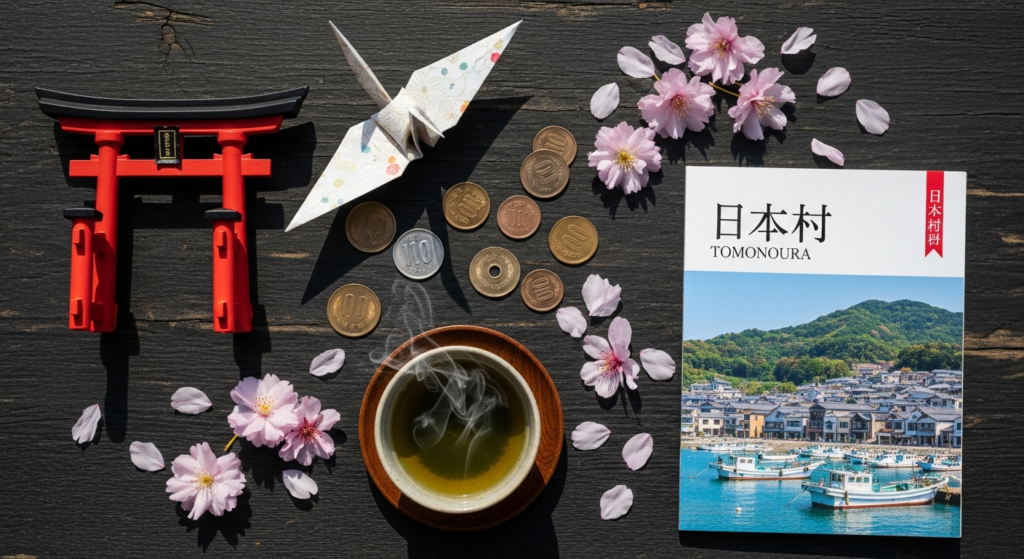
For centuries, Tomonoura has thrived as a vital port, its strategic location making it a crucial stopover for ships navigating the treacherous currents of the Seto Inland Sea. This rich history is etched into every corner of the village, from the beautifully preserved traditional houses (machinami) to the bustling harbor that still teems with local fishing boats. What makes Tomonoura particularly special for international visitors is its unique blend of accessibility and untouched authenticity. While it has gained recognition through films and anime, it largely retains its tranquil, local charm, offering a refreshing contrast to Japan’s bustling metropolises. Prepare to be enchanted as we delve into the heart of this timeless treasure.
Discovering Tomonoura: A Timeless Fishing Village Guide
Tomonoura, often described as one of Japan’s most picturesque fishing villages, is more than just a collection of beautiful sights; it’s an immersive experience. Its unique geography, with islands scattered across the bay and mountains gently embracing the town, creates a stunning backdrop that has inspired artists, poets, and filmmakers for generations. The village’s layout encourages leisurely exploration on foot, allowing you to stumble upon hidden shrines, quaint cafes, and artisan workshops that reveal the true character of the place. This section of our Tomonoura fishing village guide is dedicated to helping you grasp the essence of this magical locale.
The history of Tomonoura dates back over 1,000 years, flourishing particularly during the Edo period (1603-1868) as a key transit point for feudal lords (daimyō) and merchant ships. The village’s port, known for its deep waters and natural harbor, provided refuge during storms and a strategic location for trade. This prosperity is evident in the grand merchant houses and temples that still stand today, testament to a bygone era of wealth and cultural exchange. It was also a designated “waiting port” where ships would pause to await favorable tides, fostering a unique culture of hospitality and interaction that continues to define Tomonoura.
Beyond its historical significance, Tomonoura captivates with its timeless beauty. The iconic stone lighthouse, Jōyatō (常夜灯), standing proudly at the harbor entrance, has become a symbol of the village, guiding ships safely to port for over 150 years. As you wander through the labyrinthine alleys, you’ll encounter traditional wooden buildings with intricate latticework, ancient stone steps leading to hilltop temples, and breathtaking panoramic views of the Seto Inland Sea. The gentle rhythm of the fishing boats, the salty air, and the friendly smiles of the locals all contribute to an atmosphere of profound tranquility and charm that is increasingly rare in the modern world.
What to See and Do: Top Attractions in Tomonoura
The Iconic Jōyatō Lighthouse
No visit to Tomonoura is complete without seeing the Jōyatō Lighthouse (常夜灯). This magnificent stone structure, built in 1859, is arguably Tomonoura’s most recognizable landmark. Standing tall at the harbor’s edge, it once served as a crucial beacon for ships navigating the Seto Inland Sea. Today, it remains a symbol of the village’s maritime heritage and offers a fantastic photo opportunity, especially at dawn or dusk when the light casts a magical glow over the water. The area around the lighthouse is a perfect spot to observe local life, watch fishing boats come and go, and simply soak in the atmosphere of the bustling harbor.
Fukuzenji Temple and Taichoro Pavilion
Perched on a hill overlooking the harbor, Fukuzenji Temple (福禅寺) is renowned for its Taichoro Pavilion (対潮楼). From this elegant wooden pavilion, visitors are treated to what is often described as the “most beautiful view in Japan.” The panoramic vista encompasses Tomonoura Bay, the tranquil Seto Inland Sea, and the picturesque islands of Sensuijima and Bentenjima. The view is so captivating that it has been admired by Korean envoys and celebrated in countless works of art. Inside the pavilion, you can enjoy a cup of matcha tea while contemplating the serene landscape, just as travelers and dignitaries have done for centuries. The temple itself, with its intricate carvings and peaceful gardens, is also worth exploring.
Ota House (Former Residence of the Ota Family)
Step back in time at the Ota House (太田家住宅), a meticulously preserved Edo-period merchant house that offers a rare glimpse into the lives of a prosperous Tomonoura family. This sprawling complex, designated an Important Cultural Property, served as both a residence and a brewing facility for Homeishu, Tomonoura’s famous herbal liqueur. Visitors can explore the living quarters, storage rooms, and even the traditional brewing facilities, complete with old tools and ingredients. The architecture showcases traditional Japanese design, including beautiful gardens, sliding paper screens (fusuma), and intricate wooden details. It’s a fascinating insight into the historical domestic and commercial life of the village.
Sensuijima Island
Just a short ferry ride from Tomonoura’s main harbor lies Sensuijima Island (仙酔島), a designated national park believed to be one of the cleanest islands in the Seto Inland Sea. The island is famous for its “five-colored rocks” and natural beauty, offering hiking trails, pristine beaches, and stunning viewpoints. It’s an ideal escape for nature lovers and those seeking tranquility away from the village’s gentle bustle. There are also unique natural hot springs known as “mud baths” and a “steam cave” for a truly unusual wellness experience. The ferry ride itself provides beautiful views back towards Tomonoura.
Wander the Historic Machinami
The true charm of Tomonoura lies in its winding, narrow streets (machinami). Take your time to simply wander and get lost amidst the traditional wooden houses, ancient temples, and local shops. You’ll discover hidden gems like the small, local shrines tucked away in alleys, charming cafes housed in renovated historical buildings, and craft shops selling unique local goods. The absence of modern convenience stores and large chain shops contributes to the feeling of stepping into a bygone era. Pay attention to the intricate details of the traditional architecture, the sounds of the harbor, and the friendly greetings from local residents – these are the moments that truly define the Tomonoura experience.
Savoring Tomonoura: Culinary Delights and Local Specialties
No guide to Tomonoura would be complete without a deep dive into its incredible food scene. As a thriving fishing village, the seafood here is exceptionally fresh and forms the backbone of its local cuisine. Beyond the bounty of the sea, Tomonoura boasts unique traditional treats that reflect its rich history and culture. Prepare your taste buds for a delightful journey!
Fresh Seafood and Tai no Chazuke
Given its location on the Seto Inland Sea, it’s no surprise that seafood is king in Tomonoura. The village is particularly famous for its sea bream (tai, 鯛), especially during the spring spawning season when the “Tai Ami” (sea bream net fishing) festival takes place. Local restaurants serve up exquisite sea bream in various forms: grilled (shioyaki), sashimi (raw), and simmered (nitsuke). A must-try specialty is Tai no Chazuke (鯛茶漬け), a comforting dish of grilled or raw sea bream served over rice, then steeped in hot green tea or dashi broth. It’s a delicate and flavorful dish that perfectly showcases the freshness of the local catch.
Beyond sea bream, you’ll find a wide array of other fresh catches, including octopus (tako), sardines (iwashi), and various white fish. Many local eateries feature daily specials based on what the fishing boats brought in that morning. Don’t hesitate to try a local fisherman’s set meal (teishoku) for a truly authentic experience.
Homeishu: Tomonoura’s Medicinal Liqueur
Unique to Tomonoura is Homeishu (保命酒), a sweet, amber-colored herbal liqueur with a history stretching back over 350 years. This traditional drink is made by steeping 16 different herbs, including ginseng and cinnamon, in sake. Historically, it was believed to have medicinal properties, promoting longevity and good health, and was often served to feudal lords and distinguished guests. Today, it’s enjoyed as a local specialty, either neat, on the rocks, or mixed into cocktails. You can purchase Homeishu at several shops throughout the village, including the Ota House which historically brewed it. It makes for an excellent and authentic souvenir.
Other Local Treats
While seafood and Homeishu are the stars, Tomonoura offers other delightful culinary experiences:
- Agetako Senbei (揚げたこせんべい): Crispy, savory crackers made with local octopus, a popular snack.
- Sake and Local Brews: As part of the wider Hiroshima region, Tomonoura also offers access to excellent local sake. Look for small izakayas or restaurants that offer a selection of regional sake to pair with your meal.
- Traditional Cafes: Several beautifully restored traditional houses now operate as charming cafes, serving coffee, tea, and local sweets. These offer a perfect opportunity to relax and enjoy the ambiance while sipping a beverage.
Planning Your Visit: Practical Tomonoura Fishing Village Guide
Making the most of your trip to Tomonoura involves a bit of practical planning. This section of our Tomonoura fishing village guide covers everything from transportation to accommodation, ensuring a smooth and enjoyable experience.
Getting to Tomonoura
Tomonoura is conveniently located between two major cities in Hiroshima Prefecture: Fukuyama and Onomichi. Most international travelers will arrive via the Shinkansen (bullet train) at Fukuyama Station.
-
From Fukuyama Station:
- Take a local bus from Bus Stop #5 directly outside the south exit of Fukuyama Station. The “Tomotetsu Bus” (鞆鉄バス) to “Tomonoura” (鞆の浦) departs frequently.
- The bus ride takes approximately 30-40 minutes and costs around 550 yen. The bus terminates near the Tomonoura port area, making it very convenient for exploration.
-
From Onomichi (via Fukuyama):
- If you are based in Onomichi, take a local train (JR Sanyo Line) to Fukuyama Station (approx. 15-20 minutes).
- From Fukuyama Station, follow the instructions above to take the bus to Tomonoura.
- Driving: Tomonoura is accessible by car, but parking can be limited, especially on weekends and holidays. Several paid parking lots are available near the harbor area. Driving allows for more flexibility to explore the surrounding region.
Best Time to Visit
Tomonoura is beautiful year-round, but each season offers a different charm:
- Spring (March to May): Pleasant temperatures, cherry blossoms (though not as prominent as some other areas), and most famously, the Tai Ami (sea bream net fishing) festival, which typically takes place in May. This is a fantastic time to see traditional fishing in action.
- Summer (June to August): Warm and humid, but the Seto Inland Sea sparkles. Enjoy boat tours to Sensuijima and other islands. Be prepared for potential rain and crowds during peak holiday periods.
- Autumn (September to November): Mild temperatures, clear skies, and beautiful autumnal colors in the surrounding hills. A great time for walking and exploring without the summer heat.
- Winter (December to February): Cooler temperatures but often sunny days. The village is quieter, offering a serene atmosphere. Perfect for enjoying local seafood and the warmth of a traditional inn.
Accommodation in Tomonoura
While Tomonoura is often visited as a day trip, staying overnight allows you to experience its tranquil evenings and early mornings without the day-tripper crowds. Accommodation options include:
- Traditional Ryokan: Experience classic Japanese hospitality with rooms featuring tatami mats and futon beds, often including elaborate multi-course dinners (kaiseki) and breakfasts. Many offer rooms with ocean views.
- Minshuku: Family-run guesthouses offering a more casual and intimate experience, often with home-cooked meals.
- Boutique Hotels & Guesthouses: A growing number of stylish guesthouses are opening in renovated traditional buildings, offering modern comforts within a historic setting.
Booking in advance is highly recommended, especially during peak seasons or weekends.
Exploring the Village
- On Foot: Tomonoura is best explored on foot. Wear comfortable shoes as you’ll be walking on uneven stone paths and climbing some steps to temples.
- Boat Tours: Consider a short boat tour of the harbor or a ferry trip to Sensuijima Island for different perspectives of the village and the Seto Inland Sea.
- Bicycle Rental: While less common for the immediate village, bicycle rentals might be available in Fukuyama for exploring the wider area, though the hilly terrain within Tomonoura itself might be challenging.
Traveler Tip: Embrace the slow pace of Tomonoura. Don’t rush from one sight to another. Instead, take time to sit by the harbor, enjoy a coffee at a local cafe, or simply watch the fishermen go about their daily routines. The magic of Tomonoura lies in its atmosphere.
Beyond Tomonoura: Exploring the Nearby Onomichi and Fukuyama Area
While Tomonoura is a captivating destination in itself, its proximity to other fascinating areas in Hiroshima Prefecture makes it an ideal base or a perfect stop on a larger regional itinerary. As the Onomichi Guide, we highly recommend extending your exploration to fully appreciate the diverse beauty of the Seto Inland Sea region.
Onomichi: Temple Town and Cycling Paradise
Just a short train ride away from Fukuyama (and thus easily accessible from Tomonoura), Onomichi is another must-visit town on the Seto Inland Sea. Famous for its ‘Temple Walk’ (Tera Meguri), where you can explore numerous ancient temples clinging to the hillside, Onomichi offers stunning views of its harbor and the islands beyond. It’s also the starting point for the world-renowned Shimanami Kaido cycling route, connecting Honshu to Shikoku across a series of beautiful bridges and islands. Spend a day wandering its nostalgic backstreets, riding the Ropeway up to Senkoji Park, and enjoying its vibrant cafe culture. Onomichi perfectly complements the tranquil charm of Tomonoura.
Fukuyama: Castle City and Rose Gardens
As your gateway to Tomonoura, Fukuyama City itself has much to offer. Its most prominent landmark is Fukuyama Castle (福山城), one of Japan’s few remaining original castles, remarkably rebuilt after WWII and standing proudly next to Fukuyama Station. Explore its impressive grounds and museum for a dose of feudal history. Fukuyama is also known as the “City of Roses” and boasts beautiful rose gardens, especially vibrant during the May and October blooming seasons. If you have extra time before or after your Tomonoura visit, Fukuyama provides a blend of history and urban charm.
Kasaoka Islands: Island Hopping Adventure
Just to the east of Tomonoura, easily accessible from Fukuyama, are the Kasaoka Islands (笠岡諸島). This cluster of islands offers a more remote and authentic island-hopping experience. Explore quaint fishing villages, hike scenic trails, and enjoy the pristine natural beauty of islands like Shiraishi-jima. These islands offer a deeper dive into the Seto Inland Sea lifestyle and are perfect for those seeking off-the-beaten-path adventures.
By combining Tomonoura with visits to Onomichi, Fukuyama, or even the Kasaoka Islands, you can craft a truly rich and varied itinerary that showcases the best of the Hiroshima region and the unique culture of the Seto Inland Sea. Each location offers a distinct flavor, but all share the warm hospitality and breathtaking scenery that define this special part of Japan.