The Complete Guide to Shimanami Kaido Islands: What to See & Do
What is the Shimanami Kaido: A Cycling Paradise?
The Shimanami Kaido cycling route, officially known as the Nishiseto Expressway, is much more than just a road. It’s a meticulously designed route that has gained international acclaim, primarily as a cycling paradise. Spanning 70 kilometers (approximately 43 miles), it links Onomichi in Hiroshima Prefecture on the Honshu mainland to Imabari in Ehime Prefecture on Shikoku, traversing six distinct islands: Mukaishima, Innoshima, Ikuchijima, Omishima, Hakatajima, and Oshima. What truly sets the Shimanami Kaido apart is its dedicated cycling path, distinct from the main expressway for much of its length, allowing cyclists to traverse magnificent suspension bridges and coastal roads with breathtaking panoramic views of the Seto Inland Sea.
This remarkable infrastructure project, completed in 1999, isn’t just about functionality; it’s about experience. The route is clearly marked with a distinctive blue line painted on the pavement, guiding cyclists and walkers with ease. This thoughtful design minimizes navigation worries, freeing travelers to soak in the stunning landscapes of scattered islands, tranquil waters, and vibrant green hills. The bridges themselves are engineering marvels, each with unique characteristics and offering different perspectives of the seascape. From the multi-level Inno-shima Bridge to the graceful Tatara Bridge, one of the world’s longest cable-stayed bridges, the structures are as much a part of the attraction as the islands they connect.
Beyond the physical route, the appeal of the Shimanami Kaido lies in the authentic experiences it offers. Each island boasts its own character, history, and local specialties, creating a rich tapestry for exploration. You’ll encounter ancient shrines, historic castles, art museums, and charming fishing villages where time seems to slow down. The local communities are welcoming, and the pace of life invites you to relax and engage. This blend of exhilarating outdoor activity, cultural immersion, and stunning natural beauty firmly establishes the Shimanami Kaido as a must-visit destination, offering an unforgettable journey through the heart of the Seto Inland Sea. For those seeking an immersive Japan travel experience in the Hiroshima region, the Shimanami Kaido Islands guide is indispensable.
How to Plan Your Epic Shimanami Kaido Journey?

A successful Shimanami Kaido adventure begins with careful planning. While the route is designed to be accessible, a few key decisions will significantly enhance your experience.
When is the Best Time to Cycle the Shimanami Kaido?
The Shimanami Kaido is beautiful year-round, but certain seasons offer ideal conditions.
- Spring (March-May): Generally considered the best time. Mild temperatures (15-25°C), blooming cherry blossoms (late March to early April), and clear skies make for pleasant cycling.
- Autumn (October-November): Another excellent choice. Cooler temperatures, vibrant autumn foliage (especially on the islands’ hillsides), and crisp air create a comfortable environment.
- Summer (June-September): Be prepared for heat and humidity (25-35°C+). While enjoyable for some, early morning rides are recommended to avoid the midday sun. Typhoons are also a possibility during late summer.
- Winter (December-February): Cold (0-10°C) but often sunny with clear visibility. Fewer crowds mean a peaceful experience, though some smaller shops or services might have reduced hours.
What are the Best Starting Points for the Shimanami Kaido?
The Shimanami Kaido can be cycled in either direction.
- Onomichi (Hiroshima Prefecture): The traditional starting point. Many cyclists prefer starting here as it has a slightly more downhill gradient towards Imabari, though the difference is minimal. Onomichi is a charming port town with excellent access to train lines (JR Sanyo Main Line).
- Imabari (Ehime Prefecture): An equally valid starting point. It offers a slightly different perspective of the bridges. Imabari is also well-connected by train (JR Yosan Line).
Consider your overall travel plans in Japan when choosing your start and end points. Both cities offer excellent bicycle rental and return facilities.
How to Handle Bicycle Rentals and Logistics for the Shimanami Kaido?
One of the Shimanami Kaido’s greatest conveniences is its comprehensive bicycle rental system.
- Shimanami Kaido Cycling Terminal (Rent-a-Cycle): Offers standard bicycles, electric assist bikes, and some cross bikes. You can rent from any of the numerous terminals along the route and return to any other terminal, including those in Onomichi or Imabari. This flexibility is perfect for multi-day trips. Standard rates are around ¥1,100 per day for an adult bicycle, plus a ¥1,000 deposit. Electric assist bikes are slightly more expensive and highly recommended for beginners or those wanting a less strenuous ride, especially uphill sections on bridges.
- Specialty Rental Shops: For more serious cyclists, shops like Giant Store Onomichi or Giant Store Imabari offer high-performance road bikes, mountain bikes, and hybrids. These typically require advance booking and often have a one-way drop-off fee if not returned to the original store.
- Luggage Forwarding: Don’t want to cycle with heavy bags? Luggage forwarding services (e.g., Yamato Transport) are available from hotels in Onomichi/Imabari to your accommodation further along the route or your final destination. Some cycling terminals also offer a limited same-day service for smaller bags between terminals. Inquire at your starting point for details.
Where to Find Accommodation Along the Shimanami Kaido Route?
While a determined cyclist can complete the Shimanami Kaido in a single long day (8-10 hours), most travelers prefer a more relaxed 2-day, 1-night itinerary. Consider staying on one of the central islands like Ikuchijima or Omishima. Options range from traditional ryokans and minshukus (family-run inns) to modern hotels and even glamping sites. Booking in advance, especially during peak season, is highly recommended.
How to Understand the Shimanami Kaido Route: The Blue Line and Detours?
The blue line painted on the road is your primary guide, but don’t be afraid to veer off! Look for signs indicating local attractions, viewpoints, and restaurants. Some sections of the blue line might take you slightly off the direct path to offer a better view or safer cycling. Consult detailed maps (available at rental terminals and tourist information centers) to plan any intentional detours.
What are the Treasures of the Shimanami Kaido Islands, Island by Island?
Each of the six main islands along the Shimanami Kaido offers its own unique charm, attractions, and flavors. This Shimanami Kaido Islands Guide section will help you decide what to see and do on each stop.
What to See and Do on Mukaishima (向島): The Gateway Island?
Connected to Onomichi by a short ferry ride (or the Onomichi Ohashi Bridge for cyclists), Mukaishima is the first island you’ll encounter. It’s largely residential and agricultural, known for its citrus orchards and shipbuilding history.
- Mukaihigashi Cycling Terminal: A good starting point for bicycle rentals if you skipped the Onomichi terminal.
- Tachibana-maru Shipyard Museum: Explore the island’s shipbuilding heritage.
- Citrus Farms: Depending on the season, you might see or even participate in citrus picking (check local tour operators). Try local citrus products like jams and juices.
- Café & Bakery Tachibana: A popular stop for a quick coffee and pastry before continuing your journey.
What to See and Do on Innoshima (因島): Home of Pirates and Hassaku Daifuku?
Innoshima is steeped in the history of the Murakami Kaizoku (pirates/privateers) who once controlled the Seto Inland Sea.
- Innoshima Suigun Castle: A reconstructed castle that serves as a museum dedicated to the Murakami Kaizoku. It offers fantastic views from its hilltop perch.
- Innoshima Bridge: One of the iconic multi-level bridges, offering dedicated cycling paths that ascend gradually.
- Hassaku Daifuku: This island is famous for its “Hassaku Daifuku,” a mochi confection filled with white bean paste and a whole hassaku orange segment. Don’t miss trying this refreshing local delicacy at shops like Hatoya.
- Innoshima Park: Offers panoramic views of the Seto Inland Sea and the Innoshima Bridge, especially beautiful at sunset.
- Shimanami Beach: A pleasant spot for a break, with sandy shores and clear waters.
What to See and Do on Ikuchijima (生口島): Art, Temples, and Gelato?
Ikuchijima is often considered the cultural heart of the Shimanami Kaido, famous for its unique blend of art and traditional Japanese charm.
- Kosanji Temple (耕三寺): A truly unique temple complex built by a wealthy industrialist as a tribute to his mother. It features full-scale replicas of famous Japanese temples (including sections of Nikko’s Toshogu Shrine) and a stunning marble garden called “Hill of Hope” designed by sculptor Itto Kuetani. Allow at least 1-2 hours to explore its extensive grounds.
- Hirayama Ikuo Museum of Art: Dedicated to Ikuchijima-born painter Hirayama Ikuo, known for his beautiful landscape paintings inspired by Buddhist themes and the Silk Road.
- Dolce (ドルチェ): A highly popular gelato shop near Setoda Port, offering delicious scoops made with local fruits like citrus and salt. It’s a mandatory stop for many cyclists.
- Sunset Beach: A long, sandy beach perfect for relaxing and enjoying the Seto Inland Sea views.
- Shiomachi商店街 (Shopping Street): A charming, retro-feel shopping street in Setoda with local eateries and souvenir shops.
What to See and Do on Omishima (大三島): Sacred Shrine and Citrus Delights?
Omishima is home to one of Japan’s oldest and most revered Shinto shrines, making it a spiritual highlight of the route.
- Oyamazumi Shrine (大山祇神社): This ancient shrine is dedicated to the gods of mountains, seas, and warriors. It houses an impressive collection of samurai armor and weapons (some designated as National Treasures) donated by prominent historical figures. The shrine grounds are tranquil and feature a magnificent camphor tree said to be over 2,600 years old.
- Omishima Museum of Art: Features modern Japanese paintings.
- Marine Oasis Omishima: A Michi-no-Eki (roadside station) offering local produce, souvenirs, and a restaurant with sea views. It’s a great place to rest and refuel.
- Tatara Shimanami Park (道の駅 多々羅しまなみ公園): Located near the Tatara Bridge, this park offers stunning views of the bridge, a comprehensive souvenir shop, a restaurant, and even a monument for cyclists.
- Tatara Bridge (多々羅大橋): Connecting Ikuchijima and Omishima, it’s one of the world’s longest cable-stayed bridges and an engineering marvel.
What to See and Do on Hakatajima (伯方島): Salt, Beaches, and Dolphins?
Hakatajima is a smaller island known for its salt production and beautiful coastline.
- Hakatajima Salt Factory (伯方の塩大三島工場): While the main factory is on Omishima, Hakatajima is synonymous with “Hakata no Shio” (Hakata Salt). You can find many products incorporating this famous salt, including salt ice cream.
- Hakata Beach (伯方ビーチ): A picturesque beach with calm waters, ideal for swimming or a leisurely break. There are facilities like showers and changing rooms.
- Dolphin Farm Shimanami (ドルフィンファームしまなみ): Offers interactive experiences with dolphins, including swimming and feeding programs. A unique detour for animal lovers.
- Okashidokoro Tenpo (おかしどころ 天宝): Famous for its Hakatajima Salt Pancakes and other local sweets.
What to See and Do on Oshima (大島): Panoramic Views and Seafood Feasts?
The last major island before Imabari, Oshima offers some of the most dramatic views and a vibrant seafood scene.
- Kirosan Observatory Park (亀老山展望公園): This is a must-visit. Designed by architect Kengo Kuma, the observatory offers absolutely spectacular 360-degree panoramic views of the Seto Inland Sea, the Kurushima Kaikyo Bridge, and the surrounding islands. It’s a challenging but rewarding climb (especially on an electric assist bike), and the sunset views are legendary.
- Yoshiumi Iki-iki Kan (よしうみいきいき館): Located at the base of the Kurushima Kaikyo Bridge, this bustling market and restaurant complex is famous for its fresh seafood BBQ. You can pick your own seafood and grill it right at your table. Don’t miss trying the local specialty, “tai-meshi” (sea bream rice).
- Kurushima Kaikyo Bridge (来島海峡大橋): The world’s first triple-suspension bridge, a truly awe-inspiring structure connecting Oshima to Imabari. Cycling across it is a highlight of the entire Shimanami Kaido journey.
- Oshima Stone Museum: Showcases the island’s stone quarrying history.
What Unique Experiences Await Beyond Cycling the Shimanami Kaido?
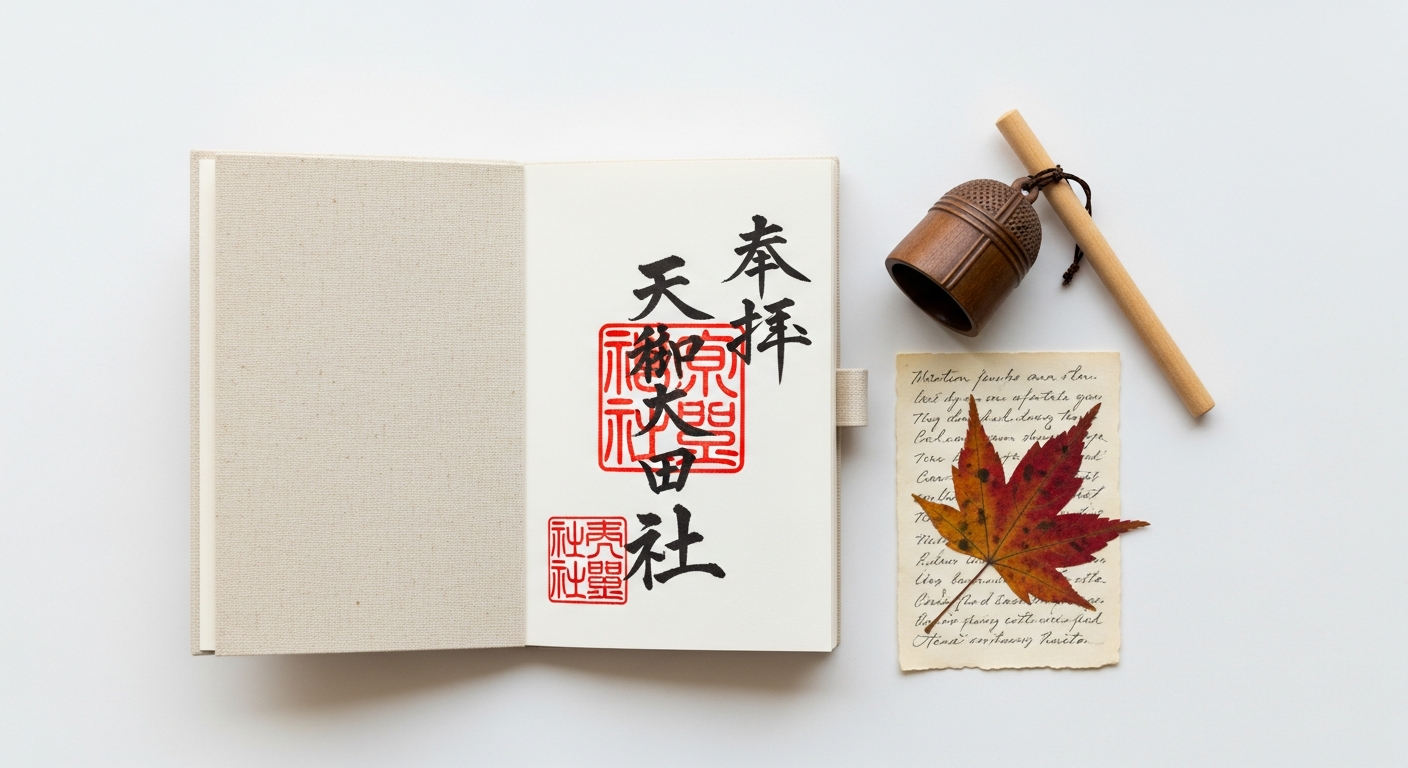
While cycling is undeniably the star attraction, the Shimanami Kaido Islands offer a wealth of experiences that extend beyond the saddle. Incorporating these into your itinerary can provide a deeper understanding and appreciation of the region.
Should You Take Seto Inland Sea Cruises and Boat Tours?
To truly grasp the unique geography of the Seto Inland Sea, consider taking a boat tour. Options range from short sightseeing cruises around specific bridges (like the Kurushima Kaikyo Bridge from Imabari) to more extensive island-hopping excursions. You can experience the powerful tidal currents of the Kurushima Straits aboard a sightseeing boat from Yoshiumi Iki-iki Kan, an exhilarating encounter. These cruises offer a different perspective of the impressive bridges and the countless smaller islands that dot the seascape, providing fantastic photo opportunities and a chance to rest tired legs while still absorbing the beauty of the region.
Are There Opportunities for Hiking and Nature Exploration on the Shimanami Kaido Islands?
Many of the islands boast beautiful walking trails and natural parks.
- Kirosan Observatory Park (Oshima): While accessible by bike, exploring the park on foot allows you to appreciate its architectural design and find quieter spots for reflection.
- Innoshima Park (Innoshima): Offers pleasant walking paths with scenic viewpoints.
- Omishima: Explore the forests surrounding Oyamazumi Shrine for a serene nature walk.
Birdwatching is also popular in certain areas, particularly during migration seasons, as the Seto Inland Sea provides important habitats.
Where to Find Onsen (Hot Springs) and Relaxation on the Shimanami Kaido?
After a day of cycling, nothing beats a relaxing soak in an onsen. While not as numerous as in other parts of Japan, there are a few options.
- Funaoka Onsen (Onomichi): A retro-style public bathhouse that offers a truly local experience.
- Yamafuji Health Spa (Imabari): A modern facility with various baths and relaxation areas.
- Some accommodations along the route, particularly ryokans, may have their own private or public baths for guests.
Seek out these opportunities to rejuvenate your muscles and unwind.
What Culinary Journeys Await on the Shimanami Kaido: A Taste of the Seto Inland Sea?
The Shimanami Kaido is a paradise for foodies, especially those who appreciate fresh seafood and citrus.
- Seafood: Indulge in sashimi, grilled fish, and local specialties like “tai-meshi” (sea bream rice). Yoshiumi Iki-iki Kan on Oshima is legendary for its seafood BBQ. Look for small, local eateries in fishing villages for authentic, freshly caught dishes.
- Citrus Fruits: The region is famous for its diverse range of citrus, including mikan (mandarin oranges), hassaku, lemon, and sudachi. Try fresh juices, jellies, ice cream (Dolce on Ikuchijima is a must!), and local sweets incorporating these vibrant flavors. Many roadside stands sell fresh fruit in season.
- Local Specialties: Beyond seafood and citrus, keep an eye out for unique island dishes. On Innoshima, the “Hassaku Daifuku” is an iconic treat. Look for local soy sauces, craft beers, and sake that use regional ingredients.
Embrace the culinary exploration as an integral part of your Shimanami Kaido Islands Guide experience.
What are the Logistics & Practical Tips for Your Shimanami Kaido Adventure?
To ensure a smooth and enjoyable journey along the Shimanami Kaido, attention to a few practical details will go a long way.
What to Pack: Essentials for Shimanami Kaido Cyclists?
- Comfortable Cycling Attire: Padded shorts are highly recommended, even for casual cyclists. Moisture-wicking shirts, lightweight jacket, and comfortable cycling shoes.
- Sun Protection: The Seto Inland Sea offers plenty of sunshine. Bring sunscreen (high SPF), sunglasses, and a hat or cycling cap.
- Water Bottle(s): Essential for hydration. Refill stations are available at Michi-no-Eki and convenience stores.
- Small Backpack: For snacks, camera, extra layer, and any souvenirs.
- Basic First-Aid Kit: Band-aids, antiseptic wipes, pain relievers.
- Portable Charger: For your phone and camera.
- Cash: While many places accept cards, some smaller shops or roadside stands may be cash-only.
- Map & Phone: While the blue line guides you, a paper map (available at rental stations) and a fully charged phone with Google Maps (download offline maps) are good backups.
What are the Bike Maintenance and Safety Tips for the Shimanami Kaido?
- Pre-Ride Check: Before starting, quickly check tire pressure, brakes, and gear shifting on your rental bike. Report any issues to the rental staff.
- Helmet: Helmets are often included with rentals and are highly recommended for safety.
- Lights: If cycling in the early morning or evening, ensure your bike has working front and rear lights.
- Follow Traffic Rules: In Japan, you cycle on the left side of the road. Obey traffic signals and signs.
- Be Aware of Others: The Shimanami Kaido is popular. Be mindful of other cyclists, pedestrians, and vehicles, especially on shared paths or narrow roads.
How to Navigate and Wayfind on the Shimanami Kaido?
The blue line is generally reliable, but pay attention to signage, especially at intersections or when approaching bridges. The cycling path for bridges often takes a separate, ascending route away from the main expressway. Don’t hesitate to ask for directions at Michi-no-Eki or tourist information centers.
Where are the Rest Stops and Refreshments on the Shimanami Kaido?
You’ll find numerous opportunities to rest and refuel:
- Michi-no-Eki (Roadside Stations): These are excellent, well-equipped stops offering restrooms, restaurants, souvenir shops, and local produce.
- Convenience Stores (Konbini): Located on most islands (e.g., 7-Eleven, FamilyMart, Lawson), these are reliable for drinks, snacks, and quick meals.
- Local Cafes & Restaurants: Dotting the route, especially in town centers.
- Bicycle Terminals: Most rental terminals also have restrooms and vending machines.
How to Deal with Weather on the Shimanami Kaido?
Check the weather forecast before and during your trip. Japanese weather can change quickly.
- Rain: Lightweight rain gear is advisable if rain is a possibility. Exercise caution on wet roads.
- Wind: Headwinds on bridges can be challenging. Plan for extra time on windy days.
- Heat: Stay hydrated, take frequent breaks in the shade, and consider starting early on hot days.
How to Budget Your Shimanami Kaido Trip?
- Bike Rental: ¥1,100 – ¥5,000+ (depending on bike type and duration).
- Accommodation: ¥5,000 – ¥15,000+ per night.
- Food & Drinks: ¥3,000 – ¥6,000+ per day.
- Ferry/Bridge Tolls: Very minimal for cyclists (around ¥50-¥100 per bridge, paid at collection boxes). Ferry to Mukaishima is around ¥100.
- Attraction Fees: ¥500 – ¥1,500 per attraction (e.g., Kosanji Temple).
These are rough estimates, and costs can vary widely based on your choices. Planning ahead can help you manage your budget effectively for your Shimanami Kaido Islands exploration.
Conclusion: What Awaits on Your Shimanami Kaido Journey?
The Shimanami Kaido is more than just a cycling route; it’s an immersive journey through Japan’s breathtaking Seto Inland Sea, connecting you with serene landscapes, vibrant culture, and unforgettable tastes. From the historic charm of Onomichi to the engineering marvels of its bridges, and the unique character of each of its six islands, every turn of the pedal brings a new discovery. Whether you’re seeking an active adventure, a peaceful escape, or a culinary exploration, this Shimanami Kaido Islands Guide provides the blueprint for an extraordinary experience. We hope this comprehensive guide has empowered you with the knowledge and inspiration to plan your own unforgettable trip. The gentle sea breezes, the panoramic views, and the warm hospitality of the islanders are waiting. Start planning your unforgettable adventure through the Shimanami Kaido Islands with Onomichi Guide today!
Frequently Asked Questions
Related Topics for Your Japan Adventure
- Japan Travel Guides: Explore more destinations across Japan.
- Cycling in Japan: Discover other scenic bike routes and tips for cyclists.
- Seto Inland Sea Exploration: Dive deeper into the beauty and culture of this unique region.
- Onomichi City Guide: Plan your visit to the charming starting point of the Shimanami Kaido.
- Imabari City Guide: Learn about the vibrant city at the Shikoku end of the route.