Updated March 2026. Prepare for an unforgettable adventure through Japan’s breathtaking Setouchi region, where the shimmering inland sea meets picturesque islands and charming towns. Our ultimate Shimanami Kaido cycling travel guide for 2026 focuses on the world-renowned route, an extraordinary 70-kilometer path connecting Onomichi in Hiroshima Prefecture to Imabari in Ehime Prefecture. This iconic route, celebrated for its stunning bridges, scenic coastal views, and gentle island hopping, offers an unparalleled way to experience rural Japan. Whether you’re a seasoned cyclist or a beginner looking for a unique travel experience, Onomichi serves as the perfect gateway and base for exploring this cycling paradise.
What Makes the Shimanami Kaido Japan’s Most Beautiful Cycling Route?
Imagine cycling across six magnificent bridges, each connecting a vibrant island in Japan’s Seto Inland Sea, with panoramic views of tranquil waters and lush green landscapes unfolding before you. This is the magic of the Shimanami Kaido, officially known as the Nishiseto Expressway. This 70-kilometer route, specifically designed for cyclists and pedestrians, has earned international acclaim as one of the world’s premier cycling destinations. Starting from the historic port town of Onomichi in Hiroshima Prefecture and culminating in Imabari in Ehime Prefecture, the route offers more than just a ride; it’s an immersive cultural journey through the heart of the Setouchi region.
What makes the path truly special is its accessibility and beauty. The route is clearly marked with a distinctive blue line painted directly on the road, guiding cyclists effortlessly from start to finish. This makes navigation incredibly straightforward, even for first-time visitors to Japan. You’ll traverse six main islands: Mukaishima, Innoshima, Ikuchijima, Omishima, Hakatajima, and Oshima, each offering its own unique charm, local delicacies, and points of interest. From citrus groves on Ikuchijima to the historic naval fortifications on Innoshima, there’s always something new to discover off the main path.
The bridges themselves are engineering marvels and significant attractions. The Kurushima Kaikyo Bridge near Imabari, with its impressive 4,015-meter length and multiple suspension spans, is particularly breathtaking. Cyclists ascend to these bridges via dedicated, gently sloped ramps, making the climbs manageable for most fitness levels. The toll for cyclists is remarkably low, typically around 70 JPY to 200 JPY per bridge, or you can purchase a cycling pass for around 500 JPY for the entire route, allowing for seamless passage.
Onomichi serves as an ideal starting point not only for its convenient location but also for its vibrant atmosphere and excellent cycling infrastructure. The town is home to numerous bike rental shops, including the official rental terminals, which offer a wide range of bicycles from basic cross bikes to high-performance road bikes and e-bikes. Rental fees vary, but a standard cross bike typically costs around 1,500 JPY to 2,000 JPY per day, with a 1,000 JPY deposit that is refundable if you return the bike to the same terminal. One-way rentals are also possible, allowing you to return the bike at any of the 14 terminals along the route, usually for an additional fee of about 1,000 JPY. For a deep dive into every aspect of this incredible journey, from detailed route maps to island-specific attractions, be sure to consult our comprehensive Shimanami Kaido Cycling Guide.
Beyond the physical ride, the journey offers a chance to connect with local culture. Stop at michi-no-eki (roadside stations) for fresh produce and regional snacks, visit local temples and shrines, or simply enjoy a coffee at a seaside cafe. The slower pace of cycling allows for genuine interactions and discoveries that faster modes of transport simply can’t offer. It’s an adventure that promises stunning vistas, exhilarating rides, and a profound sense of accomplishment.
Planning Your Onomichi Cycling Trip: Seasons, Durations, and Gear
Careful planning is the cornerstone of any successful trip, and a Setouchi cycling adventure is no exception. Understanding the best times to visit, how long to allocate, and what to pack will significantly enhance your experience. Onomichi is not just a starting point but a destination in itself, making it a fantastic base for pre- and post-ride exploration.
The prime seasons for cycling are spring (March to May) and autumn (October to November). During spring, the weather is pleasantly mild, and you might even catch the tail end of cherry blossoms transforming the landscape. Autumn offers crisp air, comfortable temperatures, and stunning fall foliage, particularly around the mountainous areas of the islands. Summer (June to September) can be hot and humid, with the added possibility of typhoons, while winter (December to February) can be chilly, though cycling is still possible on clear days. We highly recommend aiming for spring or autumn to enjoy the most comfortable riding conditions and picturesque scenery.
As for duration, the route can be completed in a single strenuous day by experienced cyclists, but we strongly advise a more leisurely pace to truly savor the experience. A two-day itinerary, with an overnight stay on one of the islands like Ikuchijima or Omishima, is popular. This allows for ample time to explore local attractions, enjoy fresh seafood, and relax without feeling rushed. For families or those who prefer an even more relaxed pace, a three-day trip allows for deeper exploration of Onomichi and the islands, breaking the cycling into shorter, more manageable segments. Before you embark, be sure to check out our essential Onomichi Travel Tips for First-Timers to ensure a smooth arrival and departure.
Packing wisely is crucial. When looking at Shimanami Kaido specific cycling gear reviews, experts consistently recommend padded cycling shorts, moisture-wicking base layers, and a lightweight, packable windbreaker to handle coastal breezes. UV-protection sleeves and cycling gloves are also highly rated for this specific climate. Don’t forget sun protection – sunscreen, sunglasses, and a hat are essential, even on cloudy days. A small backpack for water, snacks, a camera, and a basic first-aid kit is also advisable. Many accommodations in Onomichi, such as Hotel Cycle at Onomichi U2, cater specifically to cyclists, offering bike storage and repair facilities. However, if you plan to stay on the islands, confirm these amenities in advance. For a comprehensive list of what to bring, refer to our detailed Japan Cycling Trip Packing List.
Booking accommodation in advance, especially during peak seasons, is highly recommended. Onomichi offers a range of options from budget-friendly guesthouses to boutique hotels. Consider staying near Onomichi Station or the Onomichi U2 complex for easy access to bike rentals and the start of the route. If you plan an overnight stay on an island, research options like minshuku or ryokan for an authentic Japanese experience. Many offer delicious local meals, often featuring fresh seafood from the Seto Inland Sea.
[INLINE IMAGE 2: Cyclists on the Shimanami Kaido bridge with Seto Inland Sea views]
How Do Beginners Navigate Cycling in Japan?
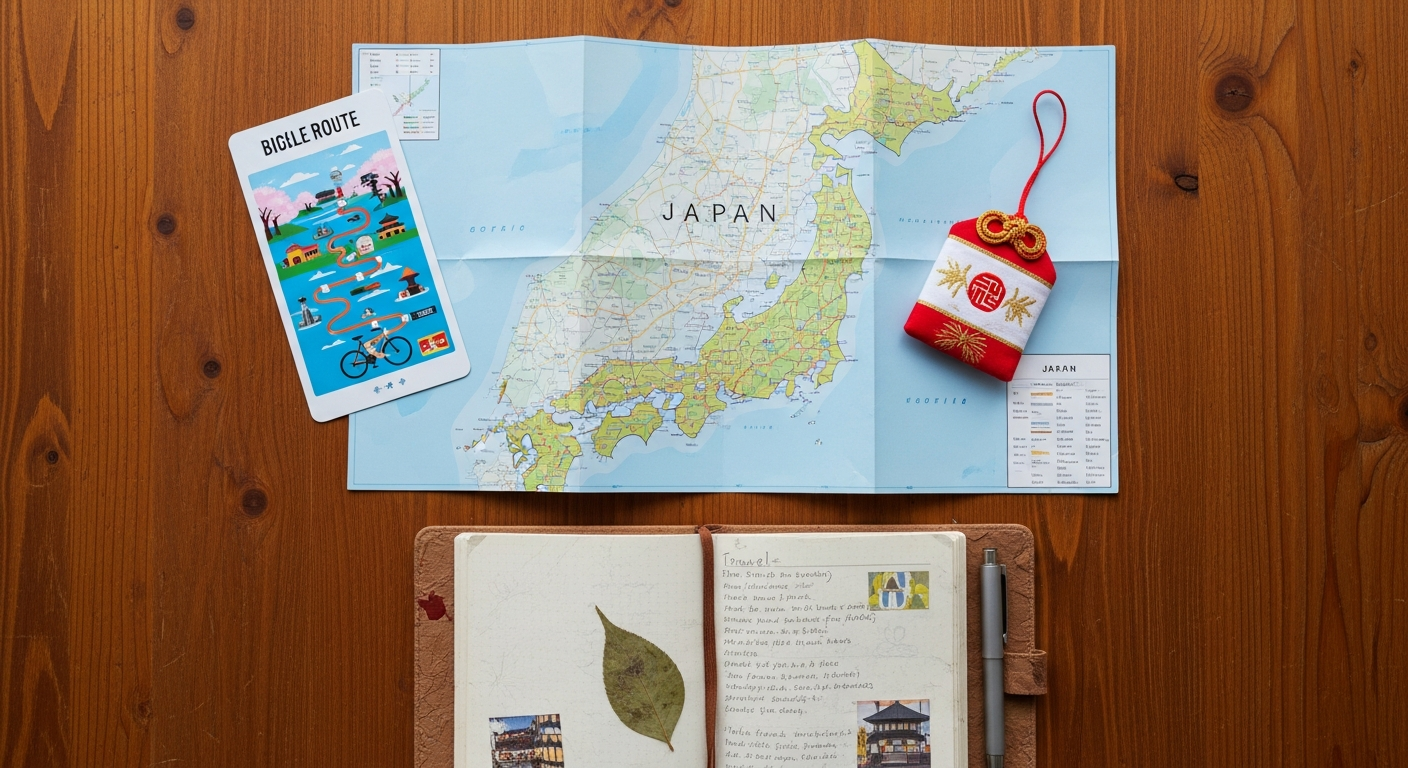
Embarking on a cycling trip in a foreign country, especially one with unique cultural norms and road rules like Japan, can seem daunting for beginners. However, the route is remarkably beginner-friendly, provided you come prepared with a basic understanding of what to expect. Japan prioritizes safety and courtesy, and adhering to these principles will ensure a smooth and enjoyable ride for everyone.
First and foremost, understanding Japanese road rules is essential. Cyclists are generally expected to ride on the left side of the road, similar to driving. While dedicated cycle paths are common, you will encounter shared roads in towns and on some bridge approaches. Always be mindful of pedestrians and other vehicles. Helmets are not legally mandatory for adults but are strongly recommended for your safety; most rental shops include them. It’s also a good idea to have front and rear lights, especially if you anticipate riding in the early morning or late evening. For a comprehensive breakdown of road etiquette, safety guidelines, and more, our Cycling in Japan Beginners Guide is an invaluable resource.
Bike rental is incredibly convenient. The official rental system offers a wide array of bicycles, from comfortable city bikes suitable for short distances to more robust cross bikes and electric-assist bikes. For beginners, an e-bike is an excellent choice, as it provides a welcome boost on inclines, making the entire 70km route more accessible and enjoyable without excessive exertion. One critical aspect to plan for is Shimanami Kaido e-bike charging stations. E-bike batteries typically last 30 to 40 kilometers depending on the assist level. Fortunately, designated charging spots are available at various cafes, Michi-no-Eki (roadside stations), and official rental terminals along the route. Always carry your charger and plan a lunch stop where you can plug in. Rental prices typically range from 1,500 JPY to 3,000 JPY per day, with e-bikes being slightly more expensive. Remember to reserve your bike in advance, especially during peak season.
Navigation is surprisingly simple, thanks to the iconic blue line. This painted line on the pavement guides you directly along the recommended route. At intersections, arrows indicate the correct turns, and distance markers help you track your progress. While the blue line is incredibly helpful, having a backup navigation method, such as Google Maps or a dedicated cycling app like Ride with GPS, downloaded onto your smartphone can be beneficial for exploring detours or finding specific points of interest. Many of these apps also work offline, which is useful in areas with spotty reception.
Finally, a few practical tips for beginners: stay hydrated by carrying plenty of water, especially during warmer months. There are numerous convenience stores and vending machines along the route, but having your own supply is best. Pack some energy-boosting snacks like power bars or local citrus fruits. Don’t be afraid to take breaks; there are plenty of scenic rest stops, cafes, and viewpoints where you can pause, re-energize, and soak in the views. Learning a few basic Japanese phrases can also enhance your interactions with locals and prove helpful in a pinch.
Transport Options and JR Pass Strategies for Reaching Onomichi
Onomichi, the charming starting point of the route, is conveniently accessible from major cities across Japan, primarily via the excellent Japan Rail (JR) network. Understanding your transport options, especially in relation to the Japan Rail Pass, is crucial for efficient and budget-friendly travel to this beautiful region. Whether you’re coming from Tokyo, Kyoto, Osaka, or Hiroshima, reaching Onomichi is a straightforward journey.
From Tokyo, the fastest way to reach Onomichi is by taking the Tokaido-Sanyo Shinkansen to Shin-Onomichi Station. This typically involves taking a Nozomi or Hikari train to Fukuyama Station (approx. 3 hours 40 minutes from Tokyo) and then transferring to a local JR Sanyo Line train for a short 15-minute ride to Onomichi Station. Alternatively, you can take the Shinkansen all the way to Shin-Onomichi Station, but direct trains are less frequent, and Shin-Onomichi is a little further from the town center, requiring a short bus or taxi ride to Onomichi Station. If you are using a Japan Rail Pass, remember that the Nozomi Shinkansen is not covered, so you would need to use Hikari or Sakura trains, which may involve additional transfers or slightly longer journey times.
For those traveling from Kyoto or Osaka, the journey is much shorter. Take the Sanyo Shinkansen directly to Fukuyama Station (approx. 1 hour from Shin-Osaka, 1 hour 15 minutes from Kyoto) and then transfer to the JR Sanyo Line for Onomichi Station (15 minutes). Again, if you’re utilizing the Japan Rail Pass, prioritize Hikari or Sakura trains. The total travel time from Osaka to Onomichi is typically around 1 hour 45 minutes to 2 hours, making it a very manageable day trip or the start of a multi-day adventure.
If you’re already exploring Hiroshima, Onomichi is an easy and quick hop away. From Hiroshima Station, take the JR Sanyo Line directly to Onomichi Station. This local train journey takes approximately 1 hour 20 minutes and is fully covered by the Japan Rail Pass. There’s also an option to take the Shinkansen from Hiroshima to Fukuyama (approx. 20 minutes) and then transfer to the local line to Onomichi (15 minutes), which can save a little time. For a detailed breakdown of how to maximize your JR Pass for travel within the Hiroshima and Onomichi region, including specific train schedules and cost-saving tips, refer to our essential Japan Rail Pass Hiroshima Guide.
Once you arrive at Onomichi Station, you’ll find yourself right in the heart of the town, with easy access to bike rental shops, accommodations, and the start of the route. The Onomichi U2 complex, a popular cyclist-friendly facility, is just a 5-minute walk from the station. Local buses and taxis are also available for short distances within Onomichi, though the town itself is very walkable. Planning your transport carefully ensures you arrive refreshed and ready to begin your incredible cycling journey across the Seto Inland Sea.
[INLINE IMAGE 4: JR Sanyo Line train arriving at Onomichi Station]
The Economics of Budget Travel on the Shimanami Kaido
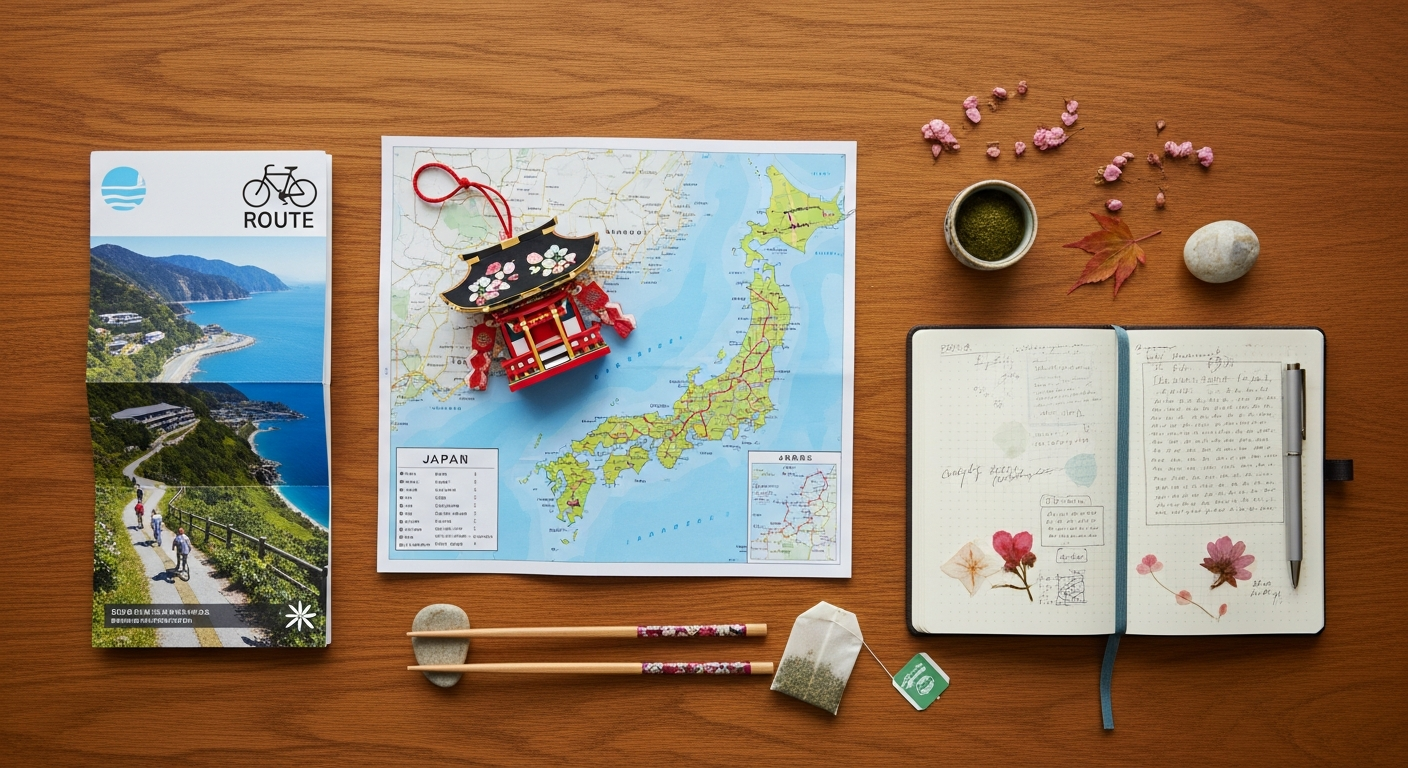
Experiencing the magic of the Setouchi region doesn’t have to be an extravagant affair. With a bit of strategic planning, it’s entirely possible to enjoy this world-class cycling route and explore Onomichi on a budget, making it accessible to a wider range of travelers. Japan is often perceived as an expensive destination, but smart choices in accommodation, food, and transport can lead to significant savings without compromising the quality of your adventure.
Accommodation is often the biggest expense, but Onomichi and the islands along the route offer excellent budget-friendly options. Look for guesthouses, hostels, or minshuku – family-run Japanese inns that often include dinner and breakfast for a reasonable price. In Onomichi, options like Guesthouse Anago or Onomichi Guest House Miharashi-tei offer dormitory beds for around 3,000 JPY to 4,500 JPY per night. On the islands, local minshuku might cost around 6,000 JPY to 9,000 JPY per person, including two meals, which is great value. Booking well in advance, especially during peak season, will give you more choices and potentially better rates. For more detailed insights into affordable stays and local tips, our Onomichi Budget Travel Guide provides a wealth of information to help you save.
When it comes to food, Japan excels at providing delicious and affordable options. Convenience stores like 7-Eleven, FamilyMart, and Lawson are your best friends for budget meals. You can find fresh onigiri, sandwiches, bento boxes, and instant noodles for just a few hundred JPY. Supermarkets also offer great deals on groceries if you have access to a kitchen at your accommodation. For sit-down meals, seek out local eateries that serve ramen, udon, or gyudon for around 700 JPY to 1,200 JPY. Don’t shy away from small, unassuming restaurants; they often offer the most authentic and value-for-money experiences. Many islands also have michi-no-eki, roadside stations that sell local produce and inexpensive snacks.
Bike rental is a primary cost for the cycling trip. While bringing your own bike can save on rental fees, the cost and hassle of international bike transport often outweigh the benefits for shorter trips. The official rental system is already quite budget-friendly. A standard cross bike typically costs 1,500 JPY to 2,000 JPY per day, plus a 1,000 JPY refundable deposit. If you plan to return the bike at a different terminal, a one-way fee of 1,000 JPY applies. Consider renting for multiple days to potentially get a slightly better rate, or choose a basic cross bike over an e-bike if you’re confident in your fitness. Bridge tolls for cyclists are minimal, around 70 JPY to 200 JPY per bridge, or you can purchase a 500 JPY cycling pass for the entire route.
Finally, many of the best experiences along the route are free: the stunning views, the fresh sea air, and the sheer joy of cycling. Enjoy free attractions like public parks, scenic viewpoints, and simply wandering through charming island villages. By making informed choices about accommodation, food, and bike rentals, you can enjoy an incredible and memorable adventure without overspending, proving that world-class travel in Japan is indeed achievable on a budget.
How to Tailor the Route for Solo Riders and Families
The route is remarkably versatile, accommodating a wide spectrum of travelers, from adventurous solo explorers seeking solitude to families looking for a unique bonding experience. While the core path remains the same, tailoring your approach to suit your travel style ensures a more enjoyable and fulfilling journey. Onomichi, with its welcoming atmosphere and excellent facilities, serves as an ideal base for both solo adventurers and families.
Solo Cycling on the Shimanami Kaido
Solo travel offers unparalleled freedom and a profound sense of accomplishment. You can set your own pace, linger at viewpoints that capture your interest, or spontaneously explore a charming side street. The route’s clear blue line and well-maintained infrastructure make it very safe and easy to navigate alone, even for those new to solo travel. One of the biggest advantages is the flexibility to adjust your itinerary on the fly – extend your stay on an island that captivates you, or push further if you’re feeling energetic. For a deeper dive into making the most of your independent journey, consult our comprehensive Onomichi Solo Travel Guide, which offers tips on safety, meeting fellow travelers, and enjoying the local scene.
While solo, you’ll find plenty of opportunities for interaction. The route attracts cyclists from all over the world, making it easy to strike up conversations at rest stops, cafes, or guesthouses. Many accommodations in Onomichi and on the islands, particularly hostels and minshuku, foster a communal atmosphere perfect for solo travelers. Safety is generally excellent in Japan, but it’s always wise to inform someone of your route and estimated arrival times. Carry a portable charger for your phone, as it will be your main tool for navigation, communication, and photography. Embrace the solitude, but also be open to the unexpected connections you’ll make along the way.
Family Cycling on the Shimanami Kaido
Cycling with family, especially with children, can be an incredibly rewarding experience, creating lasting memories. The key is to adapt the route and expectations to suit the children’s ages and cycling abilities. The path is largely flat with gentle inclines, making much of it manageable for younger riders, but careful planning is essential for a stress-free trip. Our dedicated Onomichi Family Travel Guide offers specific recommendations for attractions and activities that cater to children.
Our comprehensive Shimanami Kaido for families cycling guide emphasizes starting with shorter segments rather than attempting the full 70km route. For instance, cycling from Onomichi to Ikuchijima and back, or just exploring one or two islands, might be more appropriate. Bike rental shops offer a range of options for families, including child seats for toddlers, trailer bikes, and smaller-sized bicycles for older kids. Electric-assist bikes are a game-changer for parents, allowing them to keep up with energetic kids or carry extra gear without exhaustion. Rental prices for child seats or trailer bikes are usually an additional 500 JPY to 1,000 JPY per day.
Incorporate plenty of breaks and fun stops. Many islands have playgrounds, beaches, and ice cream shops. The Setoda Sunset Beach on Ikuchijima is a fantastic spot for kids to play and cool off. Pack plenty of snacks, water, and sun protection. Booking family-friendly accommodation in advance is crucial; look for hotels or minshuku with larger rooms or tatami mat areas where kids can spread out safely. Onomichi itself offers several attractions for families, such as the Onomichi City Museum of Art with its playful cat sculptures, and the Senkoji Park Ropeway, providing stunning views without a strenuous climb. By focusing on enjoyment over distance, a family cycling trip can be a truly magical adventure.
Photography Hotspots and Scenic Highlights Along the Route
The route is a photographer’s dream, a canvas of ever-changing seascapes, dramatic bridges, and charming island life. Every turn offers a new vista, from the sparkling waters of the Seto Inland Sea to the intricate engineering of the bridges and the quaint, sun-drenched villages. For those with a camera in hand, or even just a smartphone, the opportunities for stunning shots are endless. Onomichi itself, with its hilly landscape, historic temples, and narrow alleys, provides a captivating start to your photographic journey. Our comprehensive Onomichi Photography Guide offers in-depth advice on capturing the town’s unique charm, from its iconic temple walk to its bustling port.
Let’s start with the bridges, the undeniable stars of the journey. Each of the six main bridges has its own character and photographic appeal. The Kurushima Kaikyo Bridge, spanning over 4 kilometers and consisting of three consecutive suspension bridges, is particularly majestic. For the most dramatic shots, try to capture it at sunrise or sunset when the light paints the sky in vibrant hues, or from the Kurushima Kaikyo Service Area observation deck for a panoramic view. The Tatara Bridge, known for its harp-like design and being one of the world’s longest cable-stayed bridges, offers fantastic leading lines and symmetry. A popular spot is the ‘Singing Dragon’ acoustic point directly beneath the bridge, where clapping creates a unique echo, perfect for a quirky video or sound recording.
Beyond the bridges, the islands themselves are replete with scenic highlights. On Mukaishima, the view back towards Onomichi, especially from the ferry, is classic. Innoshima offers the historic Innoshima Suigun Castle, a reconstructed pirate fortress that provides a unique cultural backdrop for photos. Ikuchijima is famous for its citrus groves and the stunning Kosanji Temple, an elaborate and colorful temple complex that is a visual feast. The nearby Setoda Sunset Beach offers idyllic seaside scenes, especially during golden hour. On Omishima, the Oyamazumi Shrine houses ancient samurai armor and weaponry, providing a glimpse into Japan’s martial history. The surrounding forests also make for beautiful, serene shots.
Don’t forget the charming town of Onomichi itself. The Onomichi Temple Walk, winding through 25 temples, offers endless opportunities for cultural photography, from ancient pagodas to intricate garden details. The Manekineko-no-Hosomichi, or Cat Alley, is a delightful spot filled with beckoning cat statues and real feline residents, perfect for whimsical shots. Senkoji Park, accessible by ropeway or a scenic climb, provides breathtaking panoramic views of Onomichi, the Seto Inland Sea, and the first bridge of the route. This viewpoint is particularly spectacular at dusk when the town lights begin to twinkle. For specific vantage points and seasonal lighting tips, always keep your camera ready and respect local privacy when photographing residential areas.
Sources & References
- Japan National Tourism Organization (JNTO). “Shimanami Kaido Cycling Route Official Statistics and Visitor Data.”
- Hiroshima Prefectural Government. “Setouchi Region Tourism and Safety Guidelines for Cyclists.”
- Setouchi Shimanami Kaido Activation Executive Committee. “Official Route Map and E-Bike Charging Station Directory.”
Reviewed by Yumi Tanaka, Senior Cycling Guide — Last reviewed: March 2026