The Ultimate Shimanami Kaido Cycling Guide 2026: From Onomichi to Imabari and Beyond
The Shimanami Kaido, officially known as the Nishiseto Expressway, is approximately 70 kilometers of dedicated cycling paths and scenic bridges that have earned it a reputation as one of the world’s best cycling routes. But it’s more than just a path; it’s an experience tailor-made for cyclists of all levels, from families with young children to seasoned road warriors. This comprehensive guide will equip you with all the practical information, insider tips, and local insights you need to plan and execute your perfect Shimanami Kaido cycling adventure in 2026. Get ready to pedal through a dream!
Planning Your Shimanami Kaido Adventure
Embarking on the Shimanami Kaido requires a bit of foresight to ensure a smooth and enjoyable experience. Here’s how to lay the groundwork for your unforgettable journey.
When to Go: The Best Time to Cycle
Choosing the right season can significantly impact your experience.
* Spring (March to May): This is arguably the most popular time. The weather is comfortably mild, perfect for cycling, and you’ll be treated to the spectacular sight of cherry blossoms (sakura) around late March to early April. The islands come alive with fresh greenery.
* Autumn (September to November): Another fantastic choice. Temperatures are pleasant, humidity drops, and the skies are often clear, offering crisp views. The autumn foliage, though not as widespread as in mountainous regions, adds a touch of beauty.
* Summer (June to August): While cycling is possible, be prepared for heat and humidity, especially in July and August. Typhoons can also be a risk during this period. If you choose summer, start your rides early in the morning to beat the midday sun, stay hydrated, and plan for frequent breaks.
* Winter (December to February): The quietest season. It can be chilly, and some smaller businesses might have reduced hours. However, if you enjoy solitude and don’t mind bundling up, you’ll have the route almost to yourself.
How Many Days Should You Allocate?
The length of your trip depends on your fitness level and how much you want to explore beyond the saddle.
* 1-Day Trip (7-10 hours cycling): This is for experienced cyclists or those using e-bikes who want to complete the full 70km route in one go. It’s exhilarating but leaves little time for island exploration. Many opt for a one-way trip from Onomichi to Imabari.
* 2-Day Trip (Recommended): This is the sweet spot for most visitors. It allows for a comfortable pace, ample time for photo stops, exploring towns, and enjoying local food. A common itinerary is to cycle about 40-50km on day one, overnight on an island like Ikuchijima, Omishima, or Oshima, and complete the remaining distance on day two.
* 3+ Day Trip: Perfect for those who want to truly immerse themselves in island life. You can dedicate full days to exploring specific islands, visiting museums, relaxing at onsen, and savoring local cuisine at a leisurely pace.
Which Direction: Onomichi to Imabari or Vice Versa?
While you can cycle in either direction, most people choose Onomichi (north) to Imabari (south). The main reason is that the blue line painted on the road, which guides cyclists, is primarily designed for this direction, making navigation slightly easier. Additionally, the bridges from Onomichi tend to have a gentle uphill approach, making the journey feel more like a gradual descent towards Imabari. However, cycling from Imabari to Onomichi is perfectly fine, and you might encounter fewer cyclists.
Accommodation Along the Route
Booking accommodation in advance, especially during peak seasons, is highly recommended.
* Onomichi: Offers a range from budget guesthouses to unique cycle-friendly hotels like Hotel Cycle at Onomichi U2 (1-11 Nishigosho-cho, Onomichi, Hiroshima), which allows you to bring your bike into your room. Other options include Green Hill Hotel Onomichi (1-10-14 Higashigosho-cho, Onomichi) or various charming guesthouses.
* Islands: Expect traditional Japanese accommodations (minshuku, ryokan) or smaller guesthouses.
* Ikuchijima: Guesthouse & Cafe Kokuya (641-3 Setodacho Setoda, Onomichi, Hiroshima) offers a cozy stay.
* Omishima: Michi-no-Eki Omishima Tatara Shimanami Park (2333-1 Setodacho Setoda, Imabari, Ehime) has a few nearby options, and there are several traditional minshuku.
* Oshima: Places near Kirosan Observatory or Yoshiumi Rose Park.
* Imabari: Features larger hotels like Dormy Inn Imabari (2-2-5 Bekkucho, Imabari, Ehime) and Imabari Kokusai Hotel (2-3-4 Asahimachi, Imabari, Ehime).
Budgeting for Your Trip
Costs can vary widely depending on your choices, but here’s a general idea:
* Bike Rental: ¥2,000-¥6,000 per day (standard hybrid to e-bike). One-way drop-off fee: ¥1,000-¥1,500.
* Bridge Tolls: ¥500 for the full 70km route. Individual bridge tolls range from ¥50 to ¥200.
* Accommodation: ¥4,000 (guesthouse dorm) to ¥15,000+ (hotel room) per night.
* Food & Drink: ¥3,000-¥5,000 per day (mix of konbini, local eateries, and a nice meal).
* Transportation to/from Onomichi/Imabari: Varies greatly depending on your starting point in Japan.
* Luggage Forwarding: ¥1,500-¥2,500 per piece.
* Total Estimate: For a comfortable 2-day trip, expect to spend ¥20,000-¥35,000 per person, excluding transport to/from the region. Always carry some cash, as many island shops are cash-only.
Bike Rentals and Gear Essentials
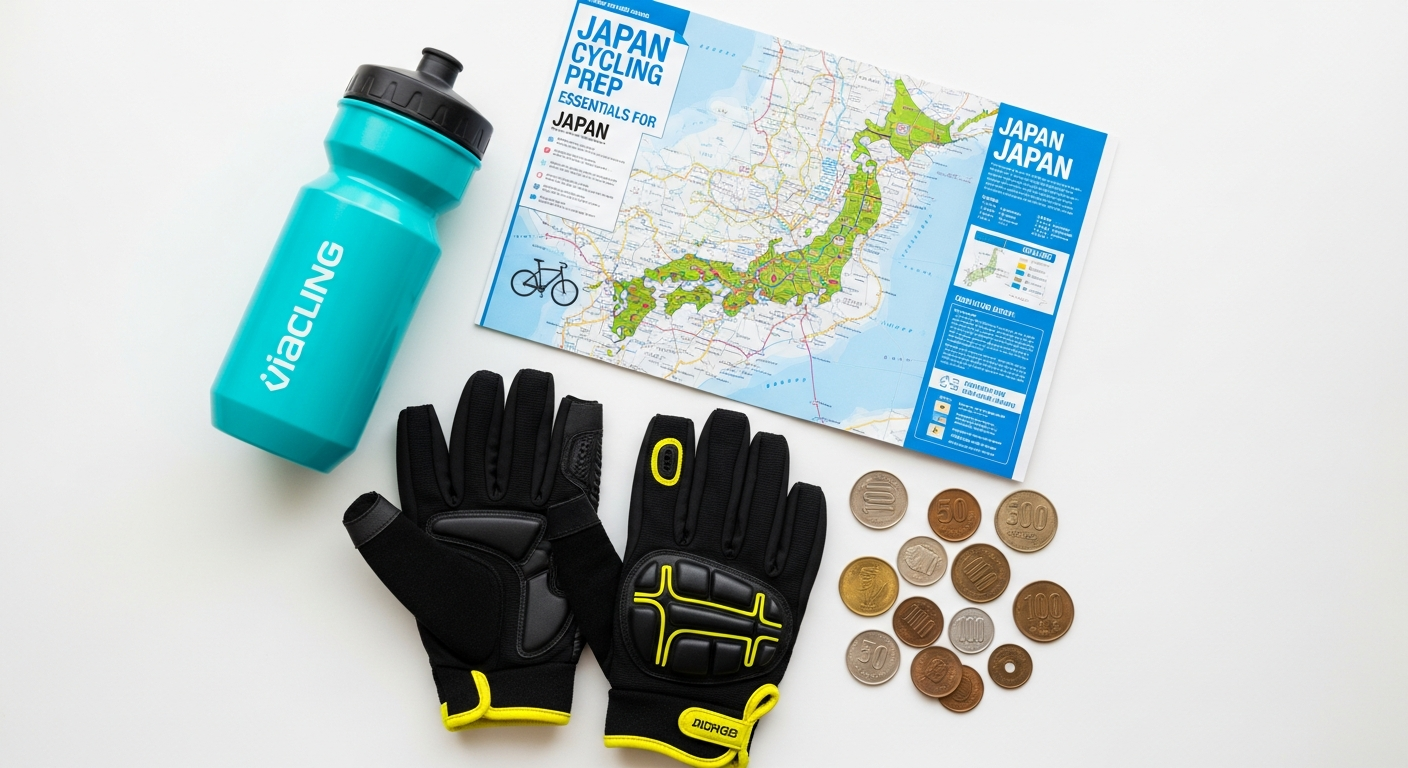
Having the right bike and gear is crucial for a comfortable and safe journey.
Where to Rent Your Bike
You have two main options for bike rentals: the official Shimanami Kaido Cycle Terminals or private shops.
* Official Shimanami Kaido Cycle Terminals: These are government-run and offer a convenient, affordable, and flexible rental system. You can rent a bike at one terminal and return it at any other official terminal along the route (for an additional one-way drop-off fee).
* Onomichi: Onomichi Port Cycle Terminal (1-10-14 Higashigosho-cho, Onomichi, Hiroshima) – right near Onomichi Station.
* Imabari: Sunrise Itoyama (2-8-1 Sunaba-cho, Imabari, Ehime) – the main terminal on the Imabari side.
* Island Terminals: Smaller terminals are located on Mukaishima, Innoshima, Ikuchijima (Setoda), Omishima, Hakatajima, and Oshima.
* Private Rental Shops: These often offer higher-quality bikes (road bikes, premium hybrids) and sometimes better fitting services. They may not have the same multi-terminal drop-off flexibility as the official system, but some offer luggage transfer services.
* Giant Store Onomichi (at Hotel Cycle): (1-11 Nishigosho-cho, Onomichi, Hiroshima) – Excellent selection of Giant bikes, including e-bikes, road bikes, and hybrids. Highly recommended for quality and service.
* Various smaller local shops on the islands.
Types of Bikes Available
* Cross Bikes (Hybrids): The most common and recommended choice for most riders. They offer a comfortable upright riding position, sturdy tires, and enough gears for the route’s gentle inclines.
* E-bikes (Electric Assist Bikes): A game-changer, especially for beginners, families, or those wanting to take it easy. They make hills effortless and are highly recommended if you’re not a regular cyclist or want to cover more ground with less fatigue. Availability can be limited, so book in advance.
* Road Bikes: Lighter and faster, suitable for experienced cyclists looking for speed.
* Tandem Bikes, Kids’ Bikes, and Child Seats: Available at some terminals, especially the larger ones, making it a great option for families.
Rental System Details
* Rental Fee: Typically ¥1,000-¥1,500 per day for a standard bike, ¥2,000-¥3,000 for a cross bike, and ¥3,000-¥6,000 for an e-bike.
* One-Way Drop-off Fee: ¥1,000-¥1,500 if you don’t return the bike to the original terminal.
* Deposit: A refundable deposit (e.g., ¥1,000) might be required, especially for official rentals.
* Included Gear: Helmets are usually included and mandatory. Basic locks and a small repair kit (tire levers, patch kit) might also be provided.
* Hours: Most rental terminals operate from 8:00 or 9:00 AM to 5:00 or 6:00 PM. Check specific terminal hours.
What to Bring: Essential Gear
Pack light, but smart!
* Hydration: At least two water bottles.
* Snacks: Energy bars, nuts, or local treats (like citrus jellies!).
* Sun Protection: Sunscreen, sunglasses, and a hat or cycling cap. The sun can be intense, especially over the water.
* Cycling Gloves: Optional but highly recommended for comfort and preventing blisters.
* Comfortable Clothing: Quick-drying, breathable fabrics. Padded cycling shorts are a lifesaver, especially for longer rides!
* Small Backpack or Pannier: To carry your essentials.
* Phone/GPS: For navigation (Google Maps works well, or download a Shimanami Kaido specific app) and emergencies.
* Portable Charger: Essential for keeping your phone charged.
* Cash: Many smaller shops, vending machines, and bridge tolls are cash-only. Small denominations are useful.
* Small Towel: For sweat or a quick refresh.
* Camera: You’ll want to capture the stunning views!
* Basic First-Aid Kit: Band-aids, antiseptic wipes, pain relievers.
Navigating the Route: Onomichi to Imabari Island by Island
The beauty of the Shimanami Kaido lies in its clear signage. Just follow the blue line painted on the road! It leads you across six islands, each with its unique charm and attractions.
Onomichi (Start Point)
* Access: Onomichi is easily accessible by train. Take the Shinkansen to Shin-Onomichi Station, then a short local bus or taxi ride to Onomichi Station. Alternatively, local JR trains connect directly to Onomichi Station.
* Start Your Ride: Most cyclists begin at Onomichi U2 (Hotel Cycle & Giant Store Onomichi) or the Onomichi Port Cycle Terminal near Onomichi Station.
* First Leg (Ferry): The first “bridge” isn’t a bridge at all! You’ll take a short, charming ferry ride (approx. ¥110, 5 minutes) from Onomichi Port to Mukaishima (向島). Follow the blue line to the ferry terminal.
Mukaishima (向島) – The Gateway Island
* Characteristics: This island is relatively flat and serves as a gentle warm-up.
* Highlights:
* Tachibana Shokudo (立花食堂): A retro diner with delicious local food, perfect for an early snack or lunch. (1177-1 Tachibana-cho, Onomichi, Hiroshima).
* Bridge to Innoshima: Innoshima Bridge (Innoshima Ohashi).
Innoshima (因島) – The Pirate Island
* Characteristics: Expect some gentle hills, but nothing too strenuous. Known for its historical connections to the Murakami Suigun (pirates/naval clan).
* Highlights:
* Innoshima Suigun Castle (因島水軍城): A reconstructed castle offering insights into the island’s pirate history and great views. (3223-5 Innoshima Ohama-cho, Onomichi, Hiroshima).
* Hassakuya (はっさく屋): Famous for its “Hassaku Daifuku” – a mochi treat filled with sweet bean paste and whole hassaku citrus fruit. A must-try! (247-3 Innoshima Ohama-cho, Onomichi, Hiroshima).
* Bridge to Ikuchijima: Ikuchi Bridge (Ikuchi Ohashi).
Ikuchijima (生口島) – The Lemon Island
* Characteristics: Mostly flat along the cycling route, famous for its abundant citrus groves, especially lemons.
* Highlights:
* Kosanji Temple (耕三寺) and the Future’s Hill (未来心の丘): A fascinating and colorful temple complex built by a wealthy businessman to honor his mother. The “Future’s Hill” is a stunning, all-white marble garden that feels like stepping into a different world. (553-2 Setodacho Setoda, Onomichi, Hiroshima). Open: 9:00-17:00. Entrance fee: ¥1,400.
* Hirayama Ikuo Museum of Art (平山郁夫美術館): Dedicated to the renowned Japanese painter Hirayama Ikuo, who was born on Ikuchijima. (200-2 Setodacho Setoda, Onomichi, Hiroshima). Open: 9:00-17:00. Entrance fee: ¥900.
* Lemon Gelato: Indulge in refreshing lemon-flavored gelato at various shops.
* Bridge to Omishima: Tatara Bridge (Tatara Ohashi) – often considered the most beautiful bridge on the route, known for its harp-like design.
Omishima (大三島) – The Island of Gods
* Characteristics: The cycling route largely skirts the coast, avoiding the island’s more mountainous interior.
* Highlights:
* Oyamazumi Shrine (大山祇神社): One of Japan’s oldest and most revered shrines, dedicated to the gods of mountains, seas, and warriors. It houses an impressive collection of samurai armor and weapons (National Treasures). The ancient camphor trees on its grounds are magnificent. (3327 Omishima-cho Miyaura, Imabari, Ehime). Open: 9:00-17:00 (Treasure Hall). Entrance fee: ¥1,000 for Treasure Hall.
* Michi-no-Eki Omishima Tatara Shimanami Park (道の駅多々羅しまなみ公園): A great spot for a break, offering local produce, souvenirs, a restaurant, and stunning views of the Tatara Bridge. (2333-1 Setodacho Setoda, Imabari, Ehime).
* Sanchon (さんちょん): A local seafood bowl specialty, often available at local eateries.
* Bridge to Hakatajima: Omishima Bridge (Omishima Ohashi).
Hakatajima (伯方島) – The Salt Island
* Characteristics: Relatively small and easy to navigate. Famous for its salt production.
* Highlights:
* Hakata Beach (伯方ビーチ): A beautiful sandy beach perfect for a quick rest or swim in warmer months.
* Hakata Salt Factory (伯方の塩工場): Learn about the famous Hakata salt, and don’t forget to try the local Hakata Salt Ramen or Salt Ice Cream! (1293-2 Hakata-cho, Imabari, Ehime).
* Dolphy Park (ドルフィンファームしまなみ): Offers opportunities for dolphin encounters. (1673-6 Hakata-cho, Imabari, Ehime).
* Bridge to Oshima: Hakata-Oshima Bridge (Hakata-Oshima Ohashi).
Oshima (大島) – The Grand View Island
* Characteristics: The most rugged of the islands. The main cycling route is manageable, but venturing off can lead to challenging climbs.
* Highlights:
* Kirosan Observatory Park (来島海峡展望館): A definite must-visit! This observatory offers unparalleled panoramic views of the colossal Kurushima Kaikyo Bridge, the Seto Inland Sea, and the surrounding islands. The winding road up is a climb, but the view is absolutely worth it (consider an e-bike or pushing if you’re tired!). (15-28 Yoshiumicho Myo, Imabari, Ehime).
* Yoshiumi Rose Park (よしうみバラ公園): Beautiful rose gardens. (1652-3 Yoshiumicho Myo, Imabari, Ehime).
* Bridge to Shikoku: Kurushima Kaikyo Bridge (来島海峡大橋) – The final and longest bridge complex, stretching over 4 kilometers with three consecutive suspension bridges. It’s an awe-inspiring finale.
Imabari (今治) – The Towel City (End Point)
* Goal: Your journey officially concludes at Sunrise Itoyama (サンライズ糸山) (2-8-1 Sunaba-cho, Imabari, Ehime), the main cycle terminal, where you can return your bike. From here, you can take a bus or taxi to Imabari Station.
* Highlights:
* Imabari Castle (今治城): One of Japan’s three “Mizujiro” (castles built on the sea), featuring a seawater moat. (3-1-3 Imabari, Ehime).
* Towel Museum (タオル美術館): Learn about Imabari’s famous towel industry, known for its exceptional quality. (2930 Asakurakami, Imabari, Ehime).
* Imabari Yakitori: Try the local style of yakitori (grilled chicken), often prepared on a teppan (iron griddle) rather than skewers.
Fueling Your Ride: Food & Drink Along the Way
Japanese cuisine is a highlight of any trip, and the Shimanami Kaido is no exception. You’ll find delicious local specialties to keep you energized.
Local Specialties to Savor
* Onomichi Ramen (尾道ラーメン): Before you even start, try this local ramen with soy sauce broth, pork back fat, and thin noodles.
* Citrus Fruits: The islands are a citrus paradise. Look for fresh mikan (mandarin oranges), hassaku, and particularly lemons on Ikuchijima. Many local farmers sell directly from roadside stands, often on an honor system.
* Hassaku Daifuku (はっさく大福): A mochi dumpling with sweet white bean paste and a whole hassaku orange segment, a specialty of Innoshima.
* Hakata Salt (伯方の塩): From Hakatajima, try anything made with this famous salt – ramen, ice cream, or even just a pinch on fresh fruit.
* Fresh Seafood: Being surrounded by the Seto Inland Sea, fresh fish, oysters, and other seafood are abundant everywhere. Look for local set menus (teishoku) at small restaurants.
* Imabari Yakitori (今治焼き鳥): A unique style of yakitori where the chicken is grilled on a teppan (flat iron plate) instead of skewers.
Where to Eat and Drink
* Michi-no-Eki (Roadside Stations): These are your best friends! Found on most islands (e.g., Tatara Shimanami Park on Omishima, Setoda Sunset Beach on Ikuchijima), they offer restaurants, cafes, local produce, souvenirs, clean restrooms, and often beautiful views.
* Small Cafes & Restaurants: Explore the small towns and fishing villages for charming local eateries. Don’t be shy to point and gesture if there’s a language barrier; locals are usually very welcoming.
* Konbini (Convenience Stores): 7-Eleven, Lawson, and FamilyMart are found on the larger islands (Mukaishima, Innoshima, Ikuchijima, Oshima) and offer a wide range of snacks, drinks, pre-made meals (onigiri, sandwiches), and ATMs. They are excellent for quick refills