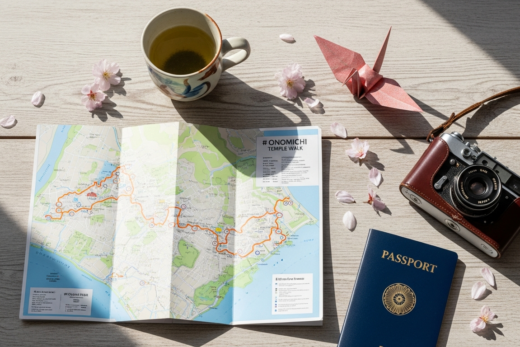
The Shimanami Kaido is frequently cited as one of the most stunning cycling routes in the world, and for good reason. Spanning roughly 70 kilometers across the Seto Inland Sea, this spectacular expressway for bicycles and pedestrians connects Japan’s main island of Honshu (from Onomichi) to the island of Shikoku (at Imabari). As you pedal across six distinct islands—Mukaishima, Innoshima, Ikuchijima, Omishima, Hakatajima, and Oshima—you are treated to breathtaking panoramic views of azure waters, emerald-green hills, and massive suspension bridges that feel like architectural marvels.
For many travelers, the logistics of renting a bike are the most intimidating part of the journey. Whether you are an enthusiast looking for a high-performance carbon road bike or a casual traveler seeking a comfortable electric-assist bicycle to enjoy the citrus-scented breeze, Onomichi serves as the perfect gateway. In this guide, we will break down the essential Shimanami Kaido bike rental shop locations, current pricing for 2026, and practical tips to ensure your island-hopping adventure is seamless. From the trendy warehouses of Onomichi U2 to the remote rental terminals on the islands, here is everything you need to know to conquer Japan’s premier cycling route.
1. Understanding the Two Main Rental Systems
Before you choose a shop, it is vital to understand that there are two primary ways to rent a bike on the Shimanami Kaido: the **Shimanami Public Rental Bike System** and **Private/Premium Shops**.
The **Public Rental System** is operated by a local association and is the most flexible option. It features over 10 terminals scattered across the entire 70km route. The biggest advantage here is the “drop-off” (one-way) system. You can pick up a bike in Onomichi and drop it off at a terminal on one of the islands or even at the end of the route in Imabari. This is ideal for those who aren’t sure if they want to cycle the full distance and might want to hop on a ferry or bus halfway through.
**Private Shops**, such as the Giant Store or Better Bicycles, offer higher-quality equipment, including specialized road bikes and high-end E-bikes. However, these typically require you to return the bike to the original shop or a specific partner location. They are perfect for enthusiasts who prioritize speed, weight, and comfort and plan to do a round-trip or have a specific plan for returning the bike.
2. Public Rental Shop Locations and Pricing
The public system is the backbone of Shimanami tourism. The bikes are generally “cross bikes” (hybrids), “mamachari” (city bikes with baskets), or basic electric-assist bikes.
Primary Locations:
2026 Pricing (Estimates):
3. Premium Rentals: Giant Store and Specialized Shops
If you are looking for a more “pro” experience, Onomichi offers some of the best private rental shops in Japan.
Giant Store Onomichi (Inside Onomichi U2):
Located in a chic, converted seaside warehouse, the Giant Store is the go-to for serious cyclists. They offer high-performance road bikes, gravel bikes, and high-end E-road bikes (E-bikes designed for long-distance speed).
Better Bicycles Onomichi:
Located near the waterfront, this boutique shop offers stylish, well-maintained bikes that are a step up from the public rentals. They focus on “local” vibes and aesthetic bikes that look great in photos against the Setouchi backdrop.
4. How to Reserve and When to Walk-in
In 2026, the Shimanami Kaido remains a bucket-list item, meaning demand is high, especially during the “Golden Week” (late April/early May), silver week (September), and autumn weekends.
5. Logistics: Luggage and the “Blue Line”
One of the best parts about renting a bike in Onomichi is how well-supported the infrastructure is. You don’t have to carry your heavy suitcase across the islands.
Luggage Forwarding:
The “Sagawa Express Hands-Free Cycling” service is a lifesaver. If you are staying at a hotel in Onomichi or Imabari, you can drop your luggage off in the morning (usually before 10:00 AM), and they will deliver it to your destination hotel by 6:00 PM the same day. The cost is approximately 2,500 – 3,000 JPY per piece. This allows you to cycle with just a small backpack.
The Blue Line:
Navigation is incredibly simple. There is a literal blue line painted on the side of the road starting from Onomichi and ending in Imabari. If you follow the blue line, you are on the main 70km route. It also marks the distance remaining to both ends, making it impossible to get lost.
6. Cultural Context and Island Highlights
While the bike rental is the “how,” the islands are the “why.” Each island has a unique flavor.
FAQ: Shimanami Kaido Cycling
Q: Do I need to be a professional cyclist to do the whole route?
A: Absolutely not. The “Blue Line” route is designed for casual riders. While 70km sounds daunting, it is mostly flat except for the ramps leading up to the bridges. If you take a full day (8-10 hours) and rent a cross bike or E-bike, most people with average fitness can complete it.
Q: Can I rent a bike in Onomichi and return it in Imabari?
A: Yes, if you use the **Public Rental System** or the **Giant Store’s specific one-way service**. Most other private shops require you to return the bike to Onomichi.
Q: Are there places to eat along the way?
A: Yes, the route is dotted with “Cycle Oasis” stations. These are cafes, gas stations, or private homes that offer water, restrooms, and bike pumps. Setoda (Ikuchijima) and Omishima have the most concentrated areas for restaurants.
Q: What happens if it rains?
A: Most public rental shops do not offer refunds for rain once the rental has started. However, you can return the bike to the nearest terminal and take a bus or ferry to your destination. Check the weather forecast 48 hours in advance; if it looks like heavy rain, consider rescheduling.
Q: Is there a helmet law in Japan?
A: As of 2026, Japan has implemented a national effort to encourage helmet use for all cyclists. All rental shops in the Shimanami Kaido area include a helmet in the rental price, and it is highly recommended (and often required by the shops) that you wear it.
Conclusion: Planning Your Perfect Ride
Cycling the Shimanami Kaido is more than just an exercise in endurance; it is a slow-travel experience that allows you to see a side of Japan often missed by those on the Shinkansen. To make your 2026 trip a success, remember these three rules: **book your bike early, use the luggage forwarding service, and don’t rush.**
The magic of the Seto Inland Sea isn’t just in reaching the end of the 70km path; it’s in the detour to a hidden citrus grove, the taste of sea-salt ice cream on a hot afternoon, and the sheer scale of the bridges overhead. Whether you choose a simple public cross-bike or a high-end E-bike from Onomichi U2, the path ahead is clearly marked in blue, leading you toward one of the most memorable days you will ever spend in Japan. Pack your sunscreen, grab a map at the Onomichi Port terminal, and get ready to pedal through paradise.