Shimanami Kaido 3-Day Cycling Itinerary: A Relaxed Pace Adventure
By OnomichiGuide Team, local cycling enthusiasts and guides.
Embarking on the Shimanami Kaido, a breathtaking 70-kilometer cycling route connecting Onomichi in Hiroshima Prefecture with Imabari in Ehime Prefecture, is an experience unlike any other. While many cyclists tackle this iconic path in a single strenuous day, or a slightly less rushed two-day trip, we believe the true magic unfolds when you choose a more leisurely approach. This comprehensive Shimanami Kaido 3-day itinerary is meticulously crafted for those who wish to savor every moment, explore hidden gems, indulge in local cuisine, and truly immerse themselves in the unique island culture without feeling rushed. If you’re seeking a relaxed pace adventure that prioritizes discovery and enjoyment over speed, this guide is your definitive resource for planning an unforgettable journey across Japan’s Seto Inland Sea. Prepare to cycle at your own rhythm, allowing the stunning panoramic views and charming island communities to captivate your senses.
Why Embrace a 3-Day Relaxed Pace for Your Shimanami Kaido Adventure?
The Shimanami Kaido, renowned for its spectacular scenery and cycle-friendly infrastructure, attracts cyclists of all levels. However, the 70-kilometer route, though relatively flat, features several significant bridge climbs and can be physically demanding if attempted too quickly. Opting for a 3-day cycling itinerary transforms a physical challenge into a cultural odyssey, offering numerous benefits:
- Deeper Immersion in Island Culture: With more time, you can venture beyond the main cycling path into charming island towns, discovering local shrines, traditional crafts, and unique community events that faster itineraries often miss. Imagine spending an afternoon exploring the historic merchant streets of Setoda, or simply watching the fishing boats come in at a small harbor.
- Enhanced Exploration of Attractions: Each island along the Shimanami Kaido boasts its own distinct character and attractions. A 3-day plan allows for visits to museums like the Hirayama Ikuo Museum of Art on Ikuchijima, leisurely strolls through citrus groves, or even a dip in a local onsen (hot spring) – experiences that would be sacrificed on a tighter schedule.
- Culinary Delights: The Seto Inland Sea is a gastronomic paradise, famous for its fresh seafood, citrus fruits (especially mandarins and lemons), and local delicacies. A relaxed pace means you can enjoy unhurried lunches at quaint island eateries, sample local sweets from family-run shops, and savor dinner at your chosen accommodation without feeling the pressure to rush.
- Reduced Physical Strain: Covering the 70km distance over three days significantly reduces the daily cycling mileage, making the journey accessible and enjoyable for cyclists of varying fitness levels, including families or those new to multi-day touring. You’ll have ample time for rest, recovery, and stretching, ensuring you remain energized and comfortable throughout your trip.
- Flexibility and Spontaneity: A 3-day Shimanami Kaido 3-day itinerary offers invaluable flexibility. If a particular view captures your imagination, you can pause for longer. If you discover a charming cafe or a local market, you have the time to stop and explore. This spontaneity leads to some of the most memorable travel moments.
- Photography Opportunities: The Shimanami Kaido is a photographer’s dream, with its iconic bridges, azure waters, lush islands, and picturesque coastal towns. A relaxed pace ensures you have plenty of opportunities to stop, compose your shots, and capture the stunning beauty without feeling rushed to reach your next destination.
Ultimately, choosing a 3-day journey allows you to experience the Shimanami Kaido not just as a cycling route, but as a rich tapestry of Japanese island life, connecting with the landscape and its people on a deeper, more meaningful level. It transforms a bike ride into a true adventure.
Planning Your Perfect Shimanami Kaido 3-Day Itinerary: Essential Pre-Trip Details
A successful Shimanami Kaido adventure begins with thorough preparation. Paying attention to these key details will ensure your 3-day itinerary unfolds smoothly and enjoyably.
Bicycle Rental: Choosing Your Ride
The Shimanami Kaido is well-equipped with numerous rental stations operated by Shimanami Rental Bicycle. You have two main options:
- Standard Rental: These are reliable, often hybrid bikes, suitable for most riders. They are available at 13 cycle terminals along the route, allowing for one-way rentals with drop-off at any other terminal. The cost is typically around ¥2,000-¥3,000 for multiple days, plus a ¥1,000 deposit.
- Private Rental Shops: For higher quality road bikes, e-bikes, or specific sizes/models, consider private shops like Giant Store Onomichi or Cycle Spot Onomichi. These often offer better equipment, professional fitting, and sometimes even luggage transfer services. Booking well in advance, especially during peak season (spring and autumn), is highly recommended for private rentals. E-bikes are an excellent choice for a relaxed pace, especially for tackling the bridge ascents with ease.
Actionable Tip: If starting from Onomichi, pick up your bike from the Onomichi U2 complex (Giant Store) or the Sunrise Itoyama Cycle Terminal (standard rental) if you’re taking a ferry to Mukaishima first. If renting a standard bike, ensure it’s in good condition and comfortable before setting off.
Accommodation: Where to Rest Your Head
Booking your accommodations in advance is crucial, particularly if you’re traveling during popular seasons. For a 3-day itinerary, we recommend two overnight stops:
-
Night 1: Ikuchijima or Omishima: These islands offer a good midpoint for your first day.
- Ikuchijima: Known for its citrus and art, it has several guesthouses and ryokans (traditional inns). Look for options around Setoda Port.
- Omishima: Home to the Oyamazumi Shrine, Omishima also features comfortable inns and guesthouses.
- Night 2: Imabari: As your final destination, staying in Imabari allows for easy exploration of the city and convenient access to onward travel. Imabari offers a wider range of hotels, from business hotels to more upscale options.
Actionable Tip: Research options like ‘minshuku’ (family-run Japanese B&Bs) or ‘ryokan’ for a more authentic experience. Many accommodations cater specifically to cyclists, offering bike storage and sometimes even simple repair kits. Confirm these amenities when booking.
Luggage Transfer Service: Travel Light
Cycling with heavy luggage can quickly turn an enjoyable trip into a chore. Fortunately, the Shimanami Kaido has an excellent luggage transfer service.
- Sagawa Express (Shimanami Cycle Express): This service allows you to send your main luggage directly from Onomichi (or other designated points) to your hotel in Imabari or Matsuyama, or even between islands. You typically drop off your luggage in the morning, and it arrives at your destination later the same day.
Actionable Tip: Pack a small daypack with essentials like water, snacks, sunscreen, a light jacket, and a camera for your daily ride. Send everything else ahead. Check the latest prices and drop-off/pick-up locations for the luggage service on the official Shimanami Kaido website or at your rental shop.
What to Pack: Essentials for the Ride
Even with luggage transfer, some items are indispensable for your daily ride:
- Comfortable Cycling Attire: Padded shorts are highly recommended. Layers are key, as weather can change.
- Sun Protection: Sunscreen, sunglasses, and a hat or cycling cap are crucial, especially on the exposed bridges.
- Water Bottle: Stay hydrated! Water refill stations are available, but carrying your own is essential.
- Snacks: Energy bars, nuts, or local treats for quick energy boosts between meals.
- Camera/Smartphone: For capturing memories and navigation.
- Portable Charger: For your devices.
- Cash: While many places accept cards, smaller island shops and cafes might be cash-only.
- Basic First-Aid: Plasters, antiseptic wipes, pain relievers.
- Small Repair Kit: A spare tube, tire levers, and a pump (often available with rental bikes).
By meticulously planning these details, your Shimanami Kaido 3-day itinerary will be set up for maximum enjoyment and minimal stress.
Day 1: Onomichi to Ikuchijima – Island Charms and Citrus Delights (approx. 40-50km)
Your journey begins in Onomichi, a charming port town nestled among hills, famous for its temples and literary history. The first day of your Shimanami Kaido 3-day itinerary focuses on easing into the ride, exploring the unique character of the initial islands, and savoring the local flavors.
Morning: Onomichi Departure and Mukaishima
Start your day by picking up your bicycle. If you’ve rented from a private shop like Giant Store Onomichi, it’s conveniently located at Onomichi U2, right by the waterfront. For standard rentals, you’ll need to take a short ferry (3-5 minutes, approx. ¥110 per person, ¥10 per bike) from Onomichi Port to Mukaishima Island. This ferry ride itself is a charming start to the adventure.
Once on Mukaishima, follow the blue line. Mukaishima is relatively flat and offers a gentle warm-up. Cycle along the coastal road, taking in views of Onomichi behind you.
- Recommended Stop: Tachibana Shokudo (Tachibana restaurant) on Mukaishima. A popular local spot for a quick snack or a light lunch, known for its friendly atmosphere.
Afternoon: Innoshima and the Innoshima Bridge
From Mukaishima, you’ll cross your first major bridge, the Innoshima Bridge, a stunning suspension bridge connecting Mukaishima to Innoshima. This bridge has a dedicated cycling path located below the main road, offering unique views.
Innoshima is the birthplace of the Murakami pirates, a powerful naval clan that controlled the Seto Inland Sea during the Sengoku period.
- Recommended Stop: Innoshima Suigun Castle: Perched on a hill, this castle replica offers insights into the history of the Murakami pirates and panoramic views of the surrounding islands and sea. It’s a slight detour and involves a climb, but the views are rewarding.
- Culinary Highlight: Hassaku Daifuku: On Innoshima, be sure to try the local specialty, Hassaku Daifuku. This delicious treat features a whole hassaku orange (a type of citrus) encased in sweet white bean paste and mochi. Several shops sell them, a perfect energy boost.
Late Afternoon: Ikuchijima and the Ikuchi Bridge
After Innoshima, you’ll cross the elegant Ikuchi Bridge, another beautiful cable-stayed bridge, leading you to Ikuchijima Island, your stop for the night. Ikuchijima is often called “Lemon Island” due to its abundant citrus groves and is known for its open-air art installations.
Check into your accommodation in Setoda, the main town on Ikuchijima. After settling in, take some time to explore.
- Recommended Exploration: Shiomachi Shopping Street in Setoda: A charming, historic street with traditional shops, cafes, and a relaxed atmosphere. It’s perfect for an evening stroll.
- Cultural Visit: Kosanji Temple and the Hill of Hope: This flamboyant temple complex is a truly unique sight. Built by a wealthy businessman in honor of his mother, it features elaborate reproductions of famous Japanese temples and the stunning white marble “Hill of Hope” garden. Allow at least 1-2 hours for a thorough visit. It’s a short cycle or walk from Setoda Port.
- Artistic Flair: Hirayama Ikuo Museum of Art: Dedicated to the renowned Japanese painter Hirayama Ikuo, who was born on Ikuchijima. His works often feature scenes from the Silk Road and his hometown.
Evening: Ikuchijima Culinary Delights
Ikuchijima offers excellent dining options, often featuring fresh seafood and local produce.
- Dinner Recommendation: Seek out a local eatery serving “Ikuchi Lemon Ramen” for a unique citrus-infused noodle experience, or enjoy fresh sashimi and tempura at a traditional restaurant. Many guesthouses on Ikuchijima also offer delicious home-cooked meals if booked in advance.
Rest well after your first day. You’ve covered approximately 40-50 kilometers, enjoyed stunning views, and immersed yourself in the charm of the Seto Inland Sea islands.
Day 2: Ikuchijima to Imabari – Spanning the Seas to Shikoku (approx. 70-80km)
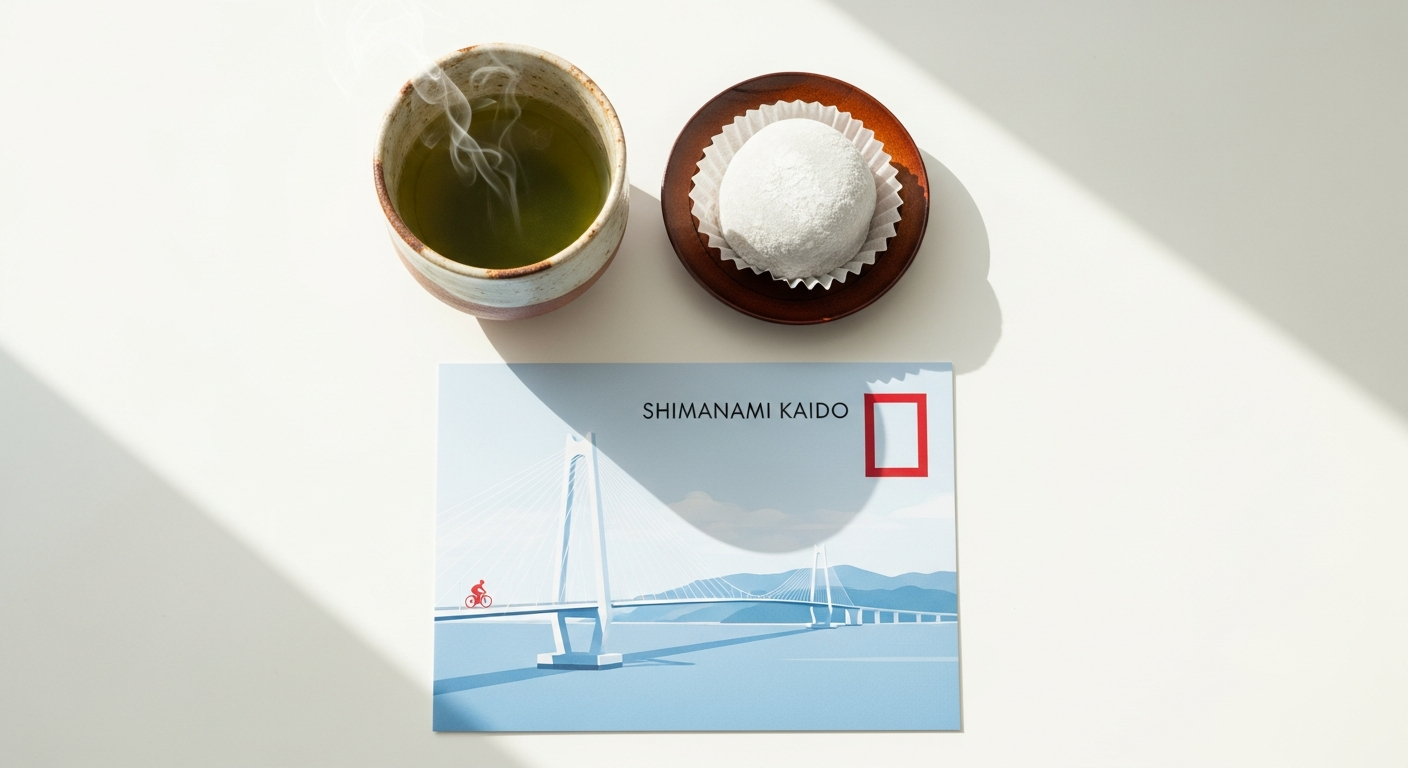
Day two is the longest stretch of your Shimanami Kaido 3-day itinerary, covering the heart of the route and connecting you to Shikoku Island. While it’s a longer distance, the relaxed pace of a 3-day trip means you’ll still have ample time for scenic stops and exploration.
Morning: Omishima and the Tatara Bridge
Start your day with a hearty breakfast on Ikuchijima, perhaps with some local citrus juice. Your first crossing of the day will be the spectacular Tatara Bridge, one of the longest cable-stayed bridges in the world and a true architectural marvel. As you cycle across, pause at the designated viewpoint to appreciate its grandeur and the panoramic views of the Seto Inland Sea. You can also try the “鳴き龍” (Naki-ryu, or “Singing Dragon”) phenomenon under the main pylons – clapping your hands creates a unique echo.
The Tatara Bridge connects Ikuchijima to Omishima, the largest island along the Shimanami Kaido.
- Recommended Stop: Oyamazumi Shrine: This revered shrine is dedicated to the gods of mountains, seas, and warriors, making it a popular pilgrimage site for samurai throughout history. It houses an incredible collection of ancient weapons and armor, some designated as National Treasures. The shrine grounds are tranquil and beautiful, especially the ancient camphor trees. Allow 1-2 hours for a visit.
- Culture & History: Omishima Museum of Art: For art enthusiasts, this museum features Japanese contemporary art and is located near Oyamazumi Shrine.
Late Morning/Lunch: Hakatajima and the Hakata-Oshima Bridge
From Omishima, you’ll cross the Omishima Bridge (a shorter arch bridge) to Hakatajima. Hakatajima is known for its salt production and laid-back atmosphere.
- Recommended Stop: Dolcetto (Gelateria): Before crossing to Hakatajima, or shortly after, stop at Dolcetto on Omishima near the Tatara Bridge. This popular spot serves delicious gelato made with local ingredients, a perfect treat for cyclists.
- Lunch Recommendation: On Hakatajima, look for local restaurants offering fresh seafood, perhaps some “Tai Meshi” (sea bream rice), a regional specialty.
Afternoon: Oshima and the Kurushima Kaikyo Bridge
The journey from Hakatajima takes you across the Hakata-Oshima Bridge to Oshima Island. Oshima is the last major island before reaching Shikoku, and it offers some of the most dramatic coastal scenery.
- Scenic Stop: Kirosan Observatory Park: This is a must-visit. From Oshima, a significant climb (about 3.5km, but well worth it, especially with an e-bike) leads to the Kirosan Observatory Park. The modern, minimalist observatory offers arguably the most iconic panoramic views of the Kurushima Kaikyo Bridge and the intricate island landscape. It’s an ideal spot for photography and simply taking in the breathtaking vista.
Late Afternoon: The Kurushima Kaikyo Bridge to Imabari
From Oshima, you’ll embark on the grand finale of your bridge crossings: the Kurushima Kaikyo Bridge. This is the longest series of suspension bridges in the world, stretching over 4 kilometers across multiple small islands and tidal currents. Cycling across it feels like flying over the sea. The cycling path is separate from vehicle traffic, offering unobstructed views.
As you descend from the bridge, you’ll arrive in Imabari city, your final destination and overnight stop. Return your rental bike if you’ve opted for a standard one-way rental. If you’ve rented from a private shop for 3 days, you’ll keep it for further exploration the next day, or arrange for its return.
Evening: Imabari Relaxation and Exploration
Check into your hotel in Imabari. After returning your bike (if applicable) and freshening up, take some time to explore Imabari.
- Relaxation: Imabari Onsen: Many hotels in Imabari have onsen facilities, or you can visit a public bathhouse. Soaking in a hot spring is the perfect way to soothe tired muscles after two days of cycling.
- Culinary Highlight: Imabari Yakitori: Imabari is famous throughout Japan for its unique style of yakitori (grilled skewered chicken), often cooked on a hot plate rather than directly over charcoal, and served with a rich sauce. Seek out a local yakitori restaurant for an authentic Imabari dining experience.
Today you’ve covered approximately 70-80 kilometers, crossed some of the world’s most impressive bridges, and arrived in Shikoku. Your Shimanami Kaido 3-day itinerary has brought you to its culmination point!
Day 3: Post-Ride Exploration: Imabari and Beyond
Having completed the main cycling route, Day 3 of your Shimanami Kaido 3-day itinerary is dedicated to relaxation, exploring Imabari, or venturing further into Shikoku. This flexible day ensures you can depart at your leisure or continue your Japanese adventure.
Morning: Imabari Exploration
After a leisurely breakfast in Imabari, take the morning to explore the city’s highlights.
- Imabari Castle: A unique castle known for its seawater moat, filled directly from the Seto Inland Sea. You can explore the castle grounds and the reconstructed keep, which houses a museum with local artifacts and great views from the top floor. It’s a pleasant walk from most central Imabari hotels.
- Shopping for Souvenirs: Imabari is renowned for its high-quality towels. Look for shops selling “Imabari Towels,” which are famous for their absorbency and softness. They make excellent souvenirs.
- Taishoji Temple: If you’re interested in the Shikoku Pilgrimage, Taishoji is Temple No. 55 of the 88 temples and is easily accessible in Imabari.
Option A: Extended Relaxation or Local Experiences
If you’re still keen for some gentle cycling or more island exploration, consider these options:
- Cycle to Shimanami Kaido Cycling Terminal (Sunrise Itoyama): If you didn’t return your bike yesterday, or want one last ride, a short cycle back to the main cycling terminal at Sunrise Itoyama offers great views of the Kurushima Kaikyo Bridge. You can enjoy coffee and some last moments appreciating the engineering marvel.
- Boat Tour under the Kurushima Kaikyo Bridge: From Imabari, you can take a sightseeing boat tour that goes directly under the Kurushima Kaikyo Bridge, offering a different perspective of its scale and design, and often spotting the impressive whirlpools (Seto Inland Sea tidal currents). This is a fantastic way to experience the bridge from the water.
Option B: Day Trip to Matsuyama
For those wishing to delve deeper into Shikoku, a popular and highly recommended extension is a day trip to Matsuyama, the capital city of Ehime Prefecture. Matsuyama is easily reachable from Imabari by train (approx. 40-60 minutes).
- Matsuyama Castle: One of Japan’s twelve original castles, Matsuyama Castle is exceptionally well-preserved and offers fantastic panoramic views of the city and the Seto Inland Sea. You can reach the castle by ropeway or chairlift.
- Dogo Onsen Honkan: This iconic public bathhouse is one of Japan’s oldest and most famous onsen. Its historic wooden architecture is said to have inspired the bathhouse in Studio Ghibli’s “Spirited Away.” A visit here is a quintessential Japanese experience – perfect for a final relaxing soak.
- Botchan Train: Experience a nostalgic ride on the “Botchan Train,” a charming diesel locomotive that runs between Dogo Onsen and Matsuyama City Station, named after Natsume Soseki’s novel “Botchan,” set in Matsuyama.
Departure from Imabari
Your Shimanami Kaido 3-day itinerary concludes with your departure. From Imabari, you have several onward travel options:
- Train: Regular JR trains connect Imabari to major cities like Matsuyama, Okayama, and Takamatsu, offering connections to the wider JR network.
- Bus: Express buses run from Imabari to Hiroshima, Osaka, and other major destinations.
- Ferry: Ferries connect Imabari to various islands and some parts of Honshu.
Reflect on your incredible journey across the Seto Inland Sea. The 3-day relaxed pace has allowed you to create lasting memories, truly appreciate the beauty of the islands, and experience the warm hospitality of the region.
Maximizing Your Shimanami Kaido 3-Day Cycling Experience: Practical Tips & Tricks
To ensure your Shimanami Kaido 3-day itinerary is as smooth and enjoyable as possible, keep these practical tips in mind. From navigation to food, these insights from experienced riders will enhance your adventure.
Navigation: Staying on the Blue Line
The Shimanami Kaido is famously well-marked.
- The Blue Line: The entire route is painted with a distinct blue line on the road, indicating the path for cyclists. Follow it religiously! It will guide you over bridges, through towns, and past scenic points.
- Directional Markers: At intersections and turns, look for additional blue arrows and mileage markers (counting up from Onomichi or down from Imabari, depending on your starting point) to confirm your direction.
- Google Maps/GPS: While the blue line is excellent, having a backup map on your smartphone (Google Maps, Maps.me, or a dedicated cycling app) can be helpful, especially if you decide to detour off the main path to explore. Download offline maps in advance in case of patchy signal.
- Shimanami Kaido Cycling Map: Pick up a physical map at any rental station or tourist information center. These often highlight attractions, restaurants, and accommodation options.
Food and Drink: Fueling Your Ride
Staying energized is crucial, and the Shimanami Kaido offers delightful culinary opportunities.
- Hydration: Always carry at least one full water bottle. Vending machines are abundant, and many convenience stores (konbini) and cycle terminals offer water refills.
-
Local Delights: Don’t just stick to convenience store snacks. Indulge in the local specialties:
- Citrus Fruits: Mandarins, lemons, hassaku oranges are grown everywhere. Look for roadside stands.
- Seafood: Fresh sashimi, grilled fish, tai meshi (sea bream rice).
- Sweets: Hassaku Daifuku, local ice cream/gelato.
- Lunch Breaks: Plan your lunch stops. While there are restaurants in towns, some stretches between islands might have fewer options. Consider packing a bento (lunch box) from a convenience store if you prefer picnicking at a scenic spot.
Safety and Etiquette: Sharing the Path
Ensuring a safe and respectful journey benefits everyone.
- Helmet Use: Helmets are mandatory for rental bikes and highly recommended for your safety.
- Traffic Laws: In Japan, cyclists generally ride on the left side of the road. Be aware of pedestrians and motor vehicles.
- Bridge Slopes: The ascents to the bridges can be steep. Don’t be afraid to use lower gears or even dismount and walk your bike if you need to. The views from the top are your reward!
- Courtesy: Greet other cyclists and locals with a friendly “konnichiwa.” Be mindful of noise, especially when passing through residential areas.
- Puncture Repair: While most rental bikes are well-maintained, punctures can happen. Know how to change a tire or carry a basic repair kit. Many cycle terminals offer repair services during opening hours.
Weather Preparedness: Japanese Seasons
The Shimanami Kaido is beautiful in many seasons, but prepare accordingly.
- Spring (March-May): Pleasant temperatures, cherry blossoms. Can be busy.
- Autumn (September-November): Ideal temperatures, clear skies, beautiful foliage. Also busy.
- Summer (June-August): Hot and humid, risk of typhoons. Start early in the day to beat the heat.
- Winter (December-February): Cold, but often clear skies. Some services might have reduced hours.
- Rain Gear: Always carry a lightweight, waterproof jacket, even if the forecast looks clear. Weather can be unpredictable.
Budgeting and Payment
While Japan is generally card-friendly, some smaller businesses on the islands might be cash-only.
- Cash is King (Sometimes): Carry a reasonable amount of Japanese Yen for small purchases, snacks, and ferry fares.
- IC Cards: If you have an IC card (like Suica or Pasmo), it can be used for train travel, convenience stores, and many vending machines.
By keeping these practical tips in mind, your Shimanami Kaido 3-day itinerary will not only be a journey of physical activity but also a seamless and deeply enriching cultural exploration.
Conclusion: Your Unforgettable Shimanami Kaido Journey Awaits
You’ve now meticulously planned an unforgettable Shimanami Kaido 3-day itinerary, designed for those who seek to truly savor the journey rather than rush through it. This relaxed pace allows for a deeper connection with the stunning natural beauty of the Seto Inland Sea, the intricate engineering marvels of its bridges, and the warm, welcoming culture of the island communities. From the historic streets of Onomichi to the vibrant city of Imabari, every pedal stroke will bring new discoveries, delicious local flavors, and breathtaking vistas.
By choosing a three-day adventure, you’ve unlocked the freedom to explore ancient shrines, wander through art villages, indulge in fresh seafood, and simply soak in the tranquil atmosphere, all while ensuring your ride is enjoyable and manageable. This guide has provided you with all the essential tools – from bike rental tips and accommodation advice to a detailed daily breakdown and practical insights – to make your Shimanami Kaido cycling dream a reality. So, pack your bags, tune up your bike (or reserve one!), and prepare to embark on an incredible journey where every moment is a memory waiting to be made. The gentle sea breezes, the panoramic views, and the unique charm of Japan’s island pearls are calling. Start planning your Shimanami Kaido adventure today!
Here are some frequently asked questions regarding a Shimanami Kaido 3-day cycling itinerary:
Frequently Asked Questions