The Ultimate Setouchi Triennale Art Festival Planning Guide: Exploring Japan’s Inland Sea
Understanding the Vision: More Than Just a Gallery
The Setouchi Triennale is part of a larger project aimed at the revitalization of the Setouchi region. As Japan’s population shifted toward urban centers like Tokyo and Osaka, the islands of the Inland Sea faced an existential crisis. The festival, founded on the principle of “Art and Nature,” seeks to restore the pride of local residents and preserve the unique maritime heritage of the area.
Unlike traditional museums, the Triennale uses the entire landscape as its canvas. You might find a massive yellow pumpkin perched on a pier, a subterranean museum that uses only natural light, or a traditional wooden home transformed into a kaleidoscope of glass. The festival is divided into three distinct sessions—Spring, Summer, and Autumn—each lasting several weeks. While some major museums like the Chichu Art Museum on Naoshima are open year-round, many of the Triennale-specific installations are only accessible during these official festival windows. Choosing which season to visit depends on your tolerance for heat; the Summer session offers a vibrant, sun-drenched coastal experience, while the Spring and Autumn sessions provide milder temperatures perfect for hiking and outdoor exploration.
Gateway Cities: Using Onomichi and Hiroshima as Your Base
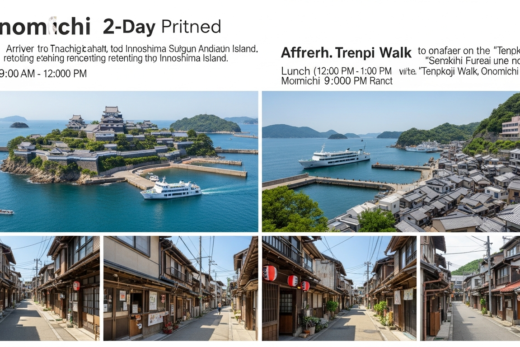
While the art is scattered across the islands, your logistics will likely begin in the coastal cities of the mainland. Onomichi is particularly significant for travelers exploring the Western Setouchi area. This nostalgic port town is famous for its steep temple walks, resident “cat alleys,” and its role as the starting point for the Shimanami Kaido—a world-class cycling route that hops across six islands via a series of majestic bridges.
Staying in Onomichi allows you to blend the Triennale experience with authentic local culture. After a day of island-hopping, you can return to the mainland to enjoy a bowl of Onomichi Ramen, characterized by its savory soy-sauce broth and sea-bream accents. To the west lies Hiroshima, a city that offers a poignant cultural counterweight to the whimsy of the art islands. Many travelers choose to spend a few days in Hiroshima to visit the Peace Memorial Park and the iconic “floating” torii gate of Miyajima before taking a high-speed ferry or shinkansen toward the central Triennale islands like Teshima and Naoshima.
Navigating the Islands: Naoshima, Teshima, and Beyond
The festival is spread across twelve islands, each with its own distinct personality and artistic focus. Planning your itinerary requires prioritizing based on your interests, as it is nearly impossible to see everything in a single trip.
Practical Planning: Tickets, Passports, and Ferries
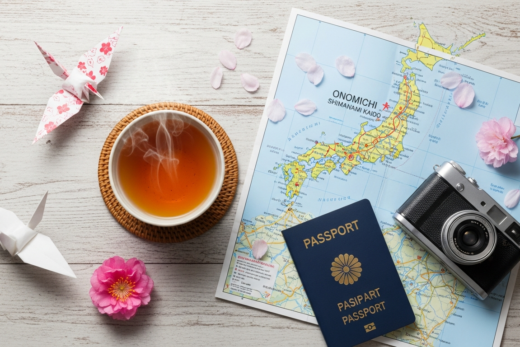
To make the most of the Setouchi Triennale, you should purchase the **Triennale Passport**. This pass grants you one-time entry to most of the festival’s installations and offers discounts on ferry passes. There are different passports for single seasons or a multi-season pass if you plan to return.
**Booking in Advance:** This is the most critical tip for modern visitors. High-profile museums, particularly the Chichu Art Museum and the Teshima Art Museum, require timed-entry reservations made online weeks in advance. During peak festival dates, these slots disappear within minutes of being released.
**The Ferry Network:** Moving between islands is done via a complex but efficient network of ferries and high-speed boats. Takamatsu (in Kagawa Prefecture) and Uno (in Okayama Prefecture) are the primary ferry hubs. However, from Onomichi, you can access the western islands more easily. Always keep a physical copy of the ferry schedule (available at information centers), as digital schedules can sometimes be confusing due to seasonal changes.
Cultural Etiquette and Local Recommendations
The Triennale islands are not just tourist attractions; they are living communities with a high percentage of elderly residents. Respecting the local way of life is paramount.
1. **Photography:** Many indoor installations strictly prohibit photography to maintain the immersive experience. Look for the “No Camera” signs and respect the artist’s vision.
2. **Trash:** Japan is famous for its lack of public trash cans. The islands are no exception. Be prepared to carry your trash back to your hotel or the ferry terminals.
3. **Footwear:** You will be taking your shoes off frequently to enter traditional houses-turned-galleries. Wear comfortable shoes that are easy to slip on and off, and make sure your socks are in good condition!
4. **Local Dining:** Don’t miss the chance to eat at “Art Island Kitchens.” Many islands have community-run cafes that serve seasonal bentos using locally caught fish and citrus grown on the island slopes. In the Onomichi area, look for *hassaku* orange sweets, a local specialty.
Beyond the Art: Exploring the Hiroshima/Setouchi Region
While the art festival is the main draw, the surrounding region offers some of Japan’s most rewarding travel experiences. If you are starting or ending your trip in Hiroshima, take the time to explore the city’s vibrant culinary scene—specifically Hiroshima-style Okonomiyaki, a savory pancake layered with noodles and cabbage.
For those who enjoy the outdoors, the Shimanami Kaido cycling route provides a unique perspective of the Inland Sea. You can rent a bicycle in Onomichi and ride as far as you like, crossing over monumental bridges that offer bird’s-eye views of the swirling tidal currents and the scattered emerald islands. Even if you aren’t an avid cyclist, taking a bus or private car across the bridges to visit the Hirayama Ikuo Museum of Art on Ikuchijima Island is a worthwhile detour. The blend of contemporary art from the Triennale and the classical Japanese aesthetics found in Onomichi’s temples creates a perfectly balanced itinerary.