


A Panoramic Ascent: Reaching the Summit of Senkoji Park
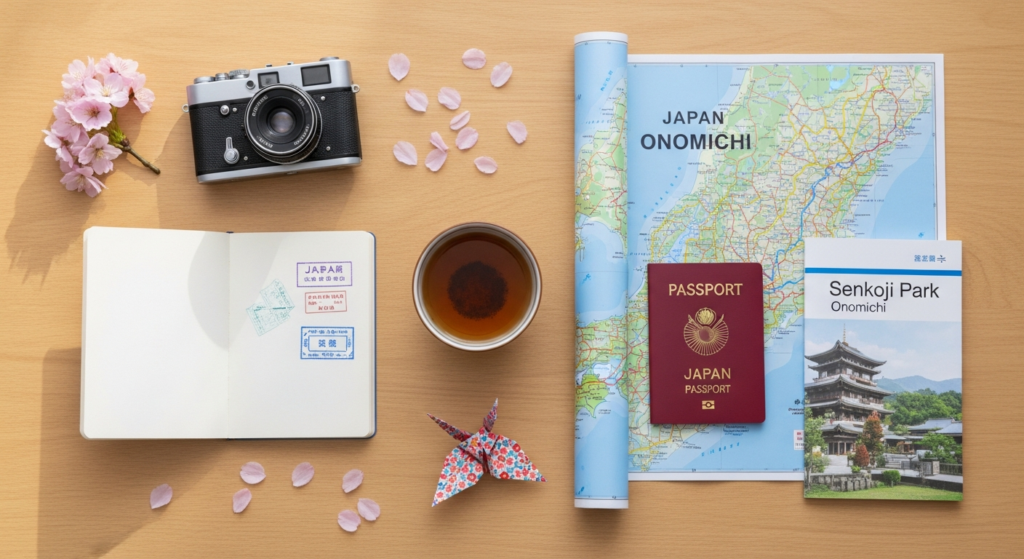
The journey to Senkoji Park is an integral part of the experience, offering several distinct paths, each rewarding in its own right. The most popular and arguably the most spectacular way to reach the park’s summit is via the Onomichi Ropeway. Operating reliably since 1957, this aerial tramway provides a swift, approximately three-minute ascent from the base of Mount Senkoji, near the main shopping arcade, directly to the park’s observatory. As the gondola gently glides upwards, passengers are treated to an ever-expanding vista that begins with the quaint rooftops of Onomichi City, then opens up to reveal the sparkling expanse of the Seto Inland Sea, dotted with countless islands. It’s a truly mesmerizing experience, especially during cherry blossom season in spring 2026, when the mountainside is awash in delicate pinks, or during the vibrant autumn foliage. The ropeway operates frequently, making it a convenient and memorable start to your Senkoji Park adventure.
For those who prefer a more intimate connection with the landscape and a touch of historical exploration, the various walking trails offer an alternative, equally rewarding route. The most famous of these is the Path of Literature (Bungaku no Komichi), which winds its way up the mountain, passing by numerous rocks inscribed with poems and writings from famous Japanese literary figures who were inspired by Onomichi’s beauty. This path, though steep in parts, is incredibly atmospheric, guiding you through dense foliage and past smaller shrines and temples, allowing for moments of quiet reflection. It’s a journey that stimulates both the body and the mind, providing a deeper appreciation for the city’s rich artistic heritage.
Another popular walking route involves starting near the base of the ropeway and simply following the signs towards Senkoji Temple. This path is often less steep than the literary path in certain sections and still offers charming views and glimpses of local life. Whichever route you choose, comfortable footwear is highly recommended, as the paths can be uneven and involve stairs. Descending the mountain by foot, perhaps after enjoying the sunset from the observatory, offers a different perspective and allows for leisurely exploration of the charming backstreets and alleys leading back to the city center, revealing hidden cafes and artisan shops along the way.
The Heart of Senkoji Park: Senkoji Temple and Its Enduring Legacy

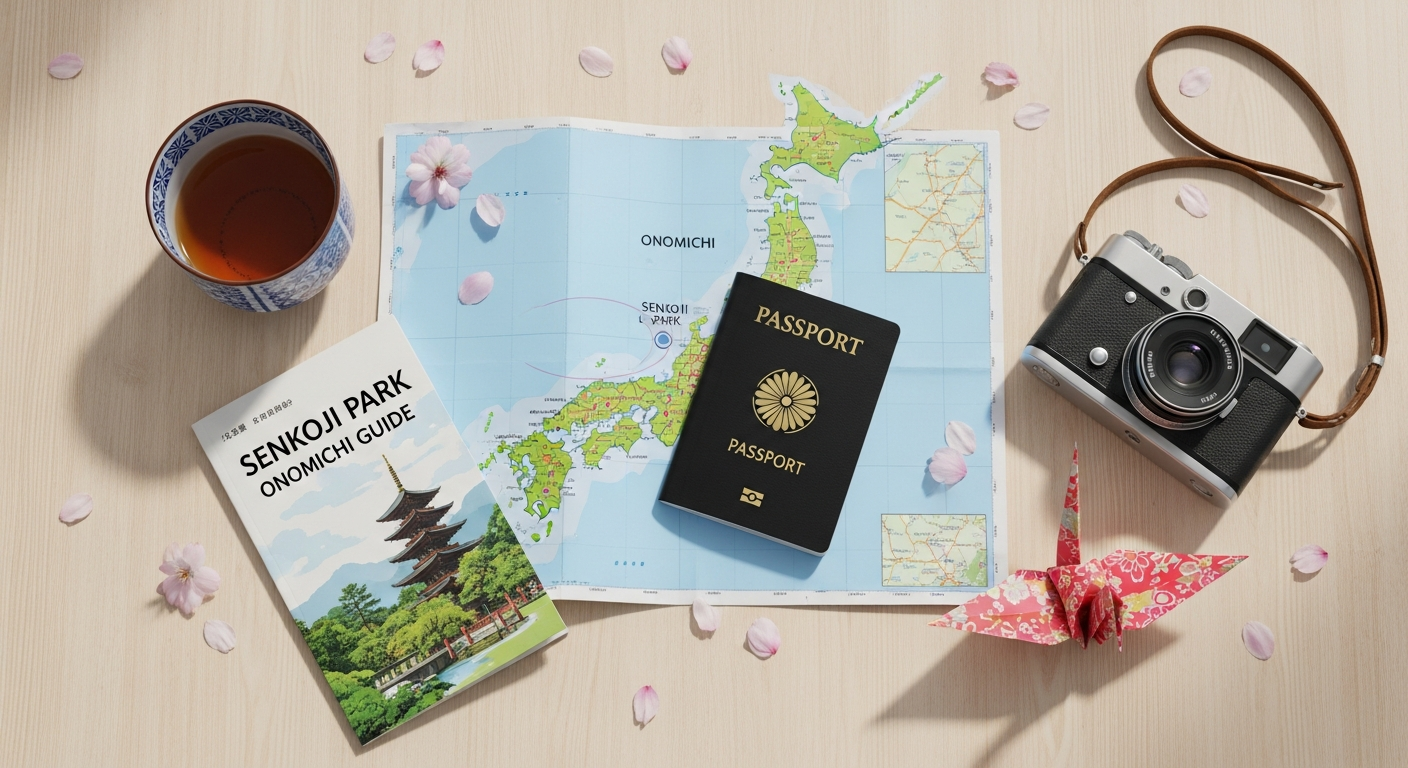
At the spiritual core of Senkoji Park, nestled amongst ancient trees and granite boulders, lies Senkoji Temple itself – a venerable Buddhist temple whose history stretches back over 1,200 years. Founded in 806 by Kobo Daishi (Kukai), one of Japan’s most important religious figures and the founder of the Shingon sect of Buddhism, Senkoji Temple is not only a site of profound spiritual significance but also a testament to Onomichi’s long and rich cultural past. The temple’s striking vermillion main hall, or Hondo, stands out against the lush green backdrop, a vibrant beacon that has guided sailors and travelers for centuries.
Upon approaching the temple grounds, visitors are greeted by the serene atmosphere and the gentle chime of bells. The architecture, while modest in scale compared to some larger temples, exudes a timeless elegance. Inside the main hall, intricate carvings and sacred artifacts speak to centuries of devotion. Many visitors come to offer prayers for good fortune, health, or safe travels, engaging in ancient rituals that connect them to generations past. The temple precinct itself is a delightful place to wander, with numerous smaller shrines, stone lanterns, and moss-covered statues contributing to its tranquil ambiance.
One of Senkoji Temple’s most iconic features is the Tamanoiwa (Gemstone Rock). Legend has it that a shining gem was once placed atop this massive boulder, illuminating the Seto Inland Sea for miles around. While the actual gem is no longer present, the rock itself offers a fantastic vantage point, providing a unique perspective of Onomichi and the surrounding islands, often framed by the ancient temple structures. It’s a popular spot for photographers and those seeking a moment of quiet contemplation away from the main observatory crowds.
The temple also plays a vital role in local festivals and traditions throughout the year. During special occasions, the grounds come alive with vibrant decorations and community gatherings, offering a glimpse into Onomichi’s living cultural heritage. Whether you are deeply spiritual or simply an admirer of historical architecture and peaceful settings, Senkoji Temple offers a profound experience, inviting you to connect with the deep roots of this captivating city. It serves as a powerful reminder of Onomichi’s enduring spiritual identity and its place within the broader narrative of Japanese history.
Beyond the Temple: Exploring the Park’s Diverse Attractions
Adjacent to the observatory, and intertwining with the path leading to Senkoji Temple, is the aforementioned Path of Literature (Bungaku no Komichi). This enchanting trail is an open-air museum dedicated to Onomichi’s rich literary heritage. Along its winding course, 25 large granite boulders are inscribed with excerpts from poems and prose by 16 famous writers and poets who lived in or were inspired by Onomichi. Authors like Fumiko Hayashi, Naoya Shiga, and Shusei Tokuda found solace and inspiration in the city’s unique atmosphere, and their words now echo through the park, offering visitors a meditative journey through Japanese literature amidst stunning natural beauty. It’s a truly unique aspect of Onomichi Art Galleries and Culture, blending natural scenery with intellectual pursuit.
For art enthusiasts, the Onomichi City Museum of Art is a gem tucked within the park. Designed by the renowned architect Tadao Ando, the museum itself is a work of art, blending seamlessly with its natural surroundings. It houses a collection primarily focused on Japanese modern and contemporary art, often featuring local artists or themes related to Onomichi and the Seto Inland Sea. Its temporary exhibitions are consistently engaging, offering fresh perspectives and insights into Japanese artistic expression. The museum’s cafe also provides a wonderful spot for a break with a view.
No visit to Senkoji Park would be complete without a stroll through Cat Alley (Neko no Hosomichi). This charming, narrow lane winds down the hillside from the temple, famously home to numerous friendly stray cats, many of whom are well-cared for by local residents and shopkeepers. The alley is adorned with hundreds of “Fukuishi Neko” (lucky cat stones), hand-painted stones resembling cats, created by local artist Shunji Sonoyama. These whimsical creations, along with cat-themed shops, cafes, and galleries, create an utterly unique and delightful atmosphere. It’s an irresistible magnet for cat lovers and anyone seeking a dose of quirky Japanese charm, embodying the playful spirit that also contributes to Onomichi Art Galleries and Culture. The interaction with the cats and the discovery of hidden artistic details make this alley a truly memorable part of the park experience.
Art, Literature, and Feline Charms: Senkoji Park’s Cultural Tapestry
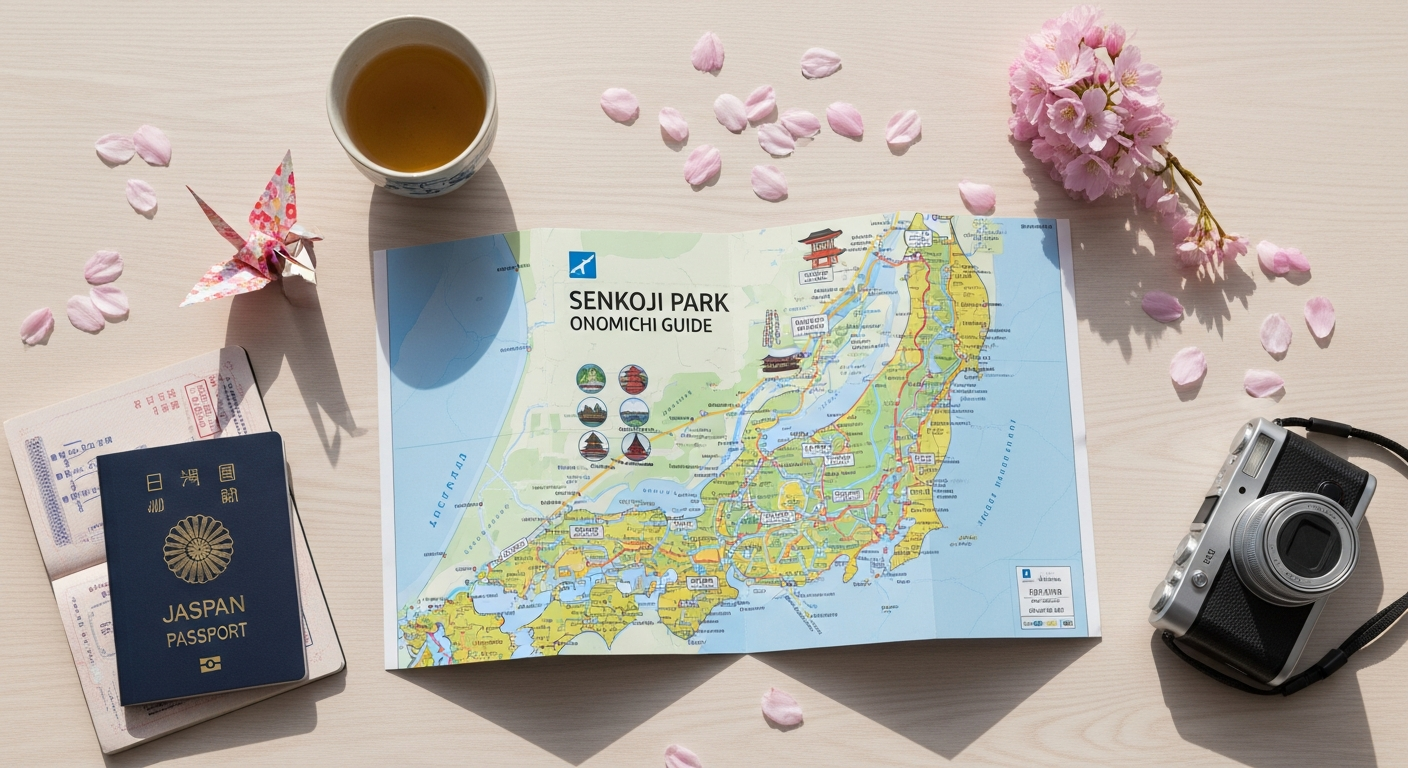
Senkoji Park is not merely a collection of viewpoints and historical sites; it is a living canvas where art, literature, and even the local feline population converge to create a truly unique cultural experience. This fusion is a cornerstone of what makes Onomichi so endearing and distinguishes it as a significant hub for Onomichi Art Galleries and Culture.
The Path of Literature (Bungaku no Komichi), as previously mentioned, serves as an outdoor literary museum. It’s a testament to Onomichi’s profound connection with Japanese literary figures. As you meander along the path, reading the inscribed verses on massive granite boulders, you’re not just admiring calligraphy; you’re engaging with the very soul of the landscape that inspired these words. Imagine authors like Naoya Shiga, known for his semi-autobiographical novels, walking these very paths, gazing at the same sea, and finding the quiet solitude needed for creation. Or Fumiko Hayashi, whose works often depicted the lives of women in early 20th-century Japan, drawing strength from the timeless beauty of the Seto Inland Sea. This path offers a contemplative journey, allowing visitors to connect with the artistic spirit of Japan on a deeply personal level, making it a pivotal piece of Onomichi’s cultural mosaic.
Further enhancing the park’s artistic credentials is the Onomichi City Museum of Art, a minimalist masterpiece by Tadao Ando. Its concrete and glass structure harmonizes with the surrounding nature, creating an exhibition space that is both visually stunning and intellectually stimulating. The museum regularly features exhibitions that highlight the artistic talent of the region, often showcasing works that reflect the unique light, landscape, and history of Onomichi and the Seto Inland Sea. From traditional Japanese paintings to contemporary installations, the museum offers a diverse range of artistic expressions, proving that Onomichi’s cultural vibrancy extends beyond its ancient temples and literary heritage. It’s a vital institution for anyone interested in exploring the contemporary face of Onomichi Art Galleries and Culture.
Then there is Cat Alley (Neko no Hosomichi), a whimsical, almost surreal experience that adds an unparalleled layer of charm and local character to Senkoji Park. This narrow, winding path, descending from Senkoji Temple, is famous for its resident felines – many of whom are quite accustomed to human interaction. But beyond the living, breathing cats, the alley is adorned with hundreds of “Fukuishi Neko” or “lucky cat stones.” These smooth, hand-painted rocks, each depicting a unique cat face, were created by local artist Shunji Sonoyama. These charming “lucky cat stones” are believed to bring good fortune, and visitors often enjoy searching for their favorite feline faces amongst the foliage and stone walls. The alley is also home to several small, independent shops and cafes that further embrace the cat theme, selling cat-themed souvenirs, artwork, and refreshments. This delightful blend of natural beauty, local artistry, and the endearing presence of its feline inhabitants makes Cat Alley an unforgettable and distinctly Onomichi experience, showcasing how even the simplest elements contribute to the city’s rich and quirky cultural tapestry. The alley truly encapsulates the spirit of Onomichi – a place where history, art, and everyday charm coalesce beautifully.
Seasonal Splendor and Optimal Times to Visit Senkoji Park
Senkoji Park, with its elevated position and lush greenery, transforms dramatically with each passing season, offering a unique visual spectacle throughout the year. Understanding these seasonal shifts can help you plan your visit to align with your preferred aesthetic and experience.
Spring (March to May) is arguably the most celebrated season to visit, primarily due to the spectacular display of cherry blossoms. Mount Senkoji is designated as one of Japan’s Top 100 Cherry Blossom Viewing Spots, and for good reason. From late March to early April 2026, the entire mountainside, particularly around the ropeway station and the park’s upper reaches, erupts in a riot of delicate pink and white petals. The sight of the city and the Seto Inland Sea framed by these ephemeral blossoms is simply breathtaking. During this period, the park becomes a popular spot for hanami (cherry blossom viewing picnics), and the atmosphere is wonderfully festive. The Onomichi Ropeway offers a particularly stunning aerial view of the blooming slopes. Beyond the cherry blossoms, spring brings mild temperatures, making it ideal for walking and exploring the various trails without the intensity of summer heat or winter chill.
Summer (June to August) in Onomichi can be hot and humid, but Senkoji Park still holds its appeal. The lush green foliage is at its most vibrant, offering cool, shaded respite along the walking paths. Early mornings and late afternoons are the best times to visit to avoid the peak heat. Summer evenings, however, are magical. The park offers incredible views of the city lights twinkling below, and the gentle sea breeze can be quite refreshing. Occasional summer festivals or firework displays over the harbor can be viewed from the park, adding an extra layer of enchantment to a warm evening visit.
Autumn (September to November) brings another wave of spectacular natural beauty as the leaves on the deciduous trees transform into brilliant shades of crimson, gold, and orange. Late October to mid-November 2026 is typically when the autumn foliage (koyo) is at its peak. The Path of Literature, in particular, becomes a kaleidoscope of colors, offering stunning photo opportunities and a serene environment for contemplation. The cooler, crisp air of autumn makes it an excellent season for hiking and enjoying the panoramic views without the hazy conditions sometimes present in summer. It’s a less crowded alternative to spring but equally visually rewarding.
Winter (December to February) might seem less appealing to some, but it offers a unique, serene beauty. While snowfall in Onomichi is rare and usually light, the crisp, clear winter air often provides the most unobstructed and sharpest views of the Seto Inland Sea and its islands. The stark beauty of the bare trees, combined with the often brilliant blue skies, creates a dramatic landscape. It’s also the quietest time to visit, allowing for a more peaceful and introspective experience. The illuminations in the city below during the holiday season can also be quite charming from the park’s vantage point.
Regardless of the season, visiting early in the morning or late in the afternoon/evening is generally recommended. Mornings offer soft light perfect for photography and fewer crowds, while evenings provide unforgettable sunsets and the mesmerizing spectacle of the city lights illuminating the night. Weekdays are typically less crowded than weekends and public holidays. Planning your visit to align with either the cherry blossoms or the autumn leaves will undoubtedly enhance your experience of this magnificent park.
Making the Most of Your Visit: Practical Tips and Nearby Delights
To ensure your trip to Senkoji Park is as smooth and enjoyable as possible, a few practical considerations and suggestions for extending your exploration of Onomichi are in order.
Footwear is Key: Whether you choose the ropeway or the walking trails, you’ll be doing a fair amount of walking within the park itself. The paths, especially the literary path and Cat Alley, involve stairs and uneven surfaces. Comfortable walking shoes are an absolute must.
Timing Your Visit: As mentioned, early mornings offer tranquility and excellent light for photography, while late afternoons provide stunning sunsets. Allow at least 2-3 hours to fully explore the park, including the temple, observatory, literary path, and Cat Alley. If you plan to visit the Onomichi City Museum of Art, factor in an additional hour or two.
Food and Drink: There are a few small cafes and souvenir shops within the park, particularly near the ropeway station and in Cat Alley, offering light refreshments and snacks. For more substantial dining, you’ll find an abundance of options in the city center at the base of the mountain. Consider picking up some local Onomichi ramen or a fresh seafood dish after your descent.
Accessibility: While the ropeway offers easy access to the top, some parts of the park, particularly the walking trails and Cat Alley, involve stairs and steep inclines, which may be challenging for visitors with mobility issues. The main observatory area is generally more accessible.
Combining with Other Onomichi Attractions: Senkoji Park is often the highlight, but Onomichi offers so much more. After descending from the park, immerse yourself in the charming Onomichi Shopping Street (Shotengai), a long, covered arcade brimming with local shops, traditional eateries, and cafes. It’s a fantastic place to find souvenirs, sample local delicacies, and experience the everyday life of Onomichi.
Explore the Temple Walk (Teramichi), a collection of ancient temples nestled into the hillside below Senkoji Park. This path offers a quieter, more spiritual journey through the city’s history, showcasing diverse architectural styles and serene garden spaces. Many of these temples are just a short walk from the base of the mountain, making it a perfect complement to your Senkoji Park visit. This is a critical part of what to do in Onomichi Japan.
For cycling enthusiasts, Onomichi is the starting point of the renowned Shimanami Kaido, a 70-kilometer cycling route connecting Honshu to Shikoku across a series of bridges and islands. Even if you don’t plan to cycle the entire route, renting a bicycle for a short ride along the waterfront or to the first island, Mukaishima, can be a delightful way to experience the area.
Don’t forget to visit the Onomichi Motion Picture Museum (Onomichi Eiga Kinenkan), which celebrates the city’s long history as a popular filming location for Japanese cinema. These attractions, combined with the vibrant Onomichi Art Galleries and Culture scene, ensure that your trip to Onomichi will be rich in diverse experiences, making Senkoji Park just one, albeit magnificent, piece of a larger, captivating puzzle.
Extending Your Onomichi Adventure: From Senkoji to Setoda and Beyond
While Senkoji Park offers a profound and memorable experience, Onomichi’s charm extends far beyond its iconic hilltop. For travelers seeking to delve deeper into the region’s unique blend of history, art, and natural beauty, there are numerous opportunities to expand your adventure, truly understanding what to do in Onomichi Japan and its surrounding areas.
One of the most enriching extensions of your Onomichi journey involves exploring the islands of the Seto Inland Sea, particularly those connected by the Shimanami Kaido. While the entire 70-kilometer cycling route is a multi-day adventure for many, even a partial exploration can be incredibly rewarding. Consider taking a ferry or renting a bicycle for a day trip to Ikuchijima Island. This island is home to Setoda, a charming town known for its citrus groves and, most notably, the magnificent Kosanji Temple.
The Setoda Kosanji Temple Guide is an essential read for anyone planning this excursion, as Kosanji Temple is unlike any other temple in Japan. Founded by a wealthy industrialist, Kozo Kanemoto, in 1936, as a tribute to his mother, Kosanji is a vibrant and eclectic complex that meticulously recreates famous architectural styles from various Buddhist temples across Japan. You’ll find replicas of parts of Byodo-in Temple, Horyuji Temple, and even Nikko’s Toshogu Shrine, all within one sprawling compound. This architectural pastiche makes Kosanji Temple a fascinating study in devotion, wealth, and artistic expression.
Beyond the temple’s main buildings, Kosanji also houses the Museum of Motherly Love, which displays a collection of art and artifacts, and the extraordinary Marble Hill (Miraishin no Oka). This contemporary sculpture garden, crafted entirely from white Carrara marble by artist Itto Kuetani, offers a stunning contrast to the traditional temple architecture. Its ethereal, almost otherworldly landscape provides incredible photo opportunities and a unique artistic experience. A visit to Setoda Kosanji Temple is a full-day adventure itself, combining spiritual exploration with art, history, and the tranquil beauty of island life. It provides a fascinating counterpoint to the more traditional experience of Senkoji Temple, showcasing the diverse cultural landscape of the region.
Back in Onomichi, don’t forget the numerous smaller temples that dot the hillside, forming the aforementioned Temple Walk. Each temple, from the ancient Jodoji Temple with its national treasures to the charming Saikokuji Temple with its large straw sandals, offers a glimpse into different facets of Japanese Buddhism and local history. These are often less crowded than Senkoji but equally rich in atmosphere and historical significance.
Onomichi also serves as a fantastic base for exploring other nearby attractions in Hiroshima Prefecture. A short train ride can take you to the bustling city of Hiroshima itself, with its poignant Peace Memorial Park and Museum, and the vibrant Shukkei-en Garden. From Hiroshima, the iconic island of Miyajima, home to the “floating” torii gate of Itsukushima Shrine, is easily accessible.
By extending your stay and venturing beyond Senkoji Park, you unlock a deeper understanding of the Setouchi region’s allure. From the artistic expressions in Onomichi Art Galleries and Culture to the spiritual journey through ancient temples and the modern marvels of the Shimanami Kaido, the breadth of experiences available ensures that your Onomichi adventure will be truly comprehensive and unforgettable, solidifying its place as a prime destination for what to do in Onomichi Japan.
Frequently Asked Questions About Senkoji Park
How long does it typically take to explore Senkoji Park thoroughly?
A comprehensive visit to Senkoji Park, including a ride on the Onomichi Ropeway, exploration of Senkoji Temple, a stroll along the Path of Literature, a walk through Cat Alley, and time to enjoy the observatory views, generally requires about 2 to 3 hours. If you plan to visit the Onomichi City Museum of Art, allocate an additional 1 to 2 hours for the museum itself. Those who prefer a leisurely pace or wish to take many photographs might extend their visit to half a day.
Is Senkoji Park suitable for visitors with mobility issues?
While the Onomichi Ropeway provides easy access to the park’s summit, many areas within Senkoji Park involve stairs, steep inclines, and uneven paths, especially along the Path of Literature and in Cat Alley. The main observatory area near the ropeway’s upper station is generally more accessible, offering stunning views. However, exploring the temple grounds and literary path might be challenging for those with significant mobility issues. It’s advisable to assess your comfort level with walking and stairs before planning extensive exploration beyond the main viewpoint.
What are the best dining options near Senkoji Park?
Within Senkoji Park itself, you’ll find a few small cafes and souvenir shops, particularly near the ropeway station and in Cat Alley, offering light snacks, drinks, and ice cream. For more substantial dining, it’s best to descend to the city center at the base of the mountain. Onomichi is famous for its local ramen, and there are numerous ramen shops, traditional Japanese restaurants, and charming cafes scattered throughout the main shopping arcade (Shotengai) and the waterfront area. Many offer fresh seafood dishes, reflecting Onomichi’s coastal location.
Can I visit Senkoji Park at night?
Yes, Senkoji Park is accessible at night, and it offers a truly magical experience. While the Onomichi Ropeway typically stops operating in the late afternoon/early evening (please check the latest operating hours for 2026), you can still walk up or down the illuminated paths. The panoramic night view of Onomichi City, with its twinkling lights stretching out to the Seto Inland Sea, is absolutely breathtaking and highly recommended for photographers and romantic strolls. The Senkoji Temple buildings are also often beautifully lit, adding to the serene atmosphere.
What’s the best way to get to Senkoji Park from Onomichi Station?
From Onomichi Station, the most convenient and scenic way to reach Senkoji Park is to walk approximately 10-15 minutes along the waterfront to the base of the Onomichi Ropeway. The ropeway station is clearly signposted and is located near the eastern end of the main shopping street. Alternatively, for those who prefer to walk the entire way, you can follow signs for Senkoji Temple or the Path of Literature from the city center, which will lead you up the mountain. Taxis are also available from the station to the base of the ropeway.
Are there other notable temples in Onomichi besides Senkoji?
Absolutely! Onomichi is often referred to as a “town of temples.” Beyond Senkoji, the city boasts a famous “Temple Walk” (Teramichi) that winds through over 25 ancient temples nestled into the hillside. Notable temples include Jodoji Temple, a National Treasure known for its beautiful pagoda and tranquil gardens; Saikokuji Temple, famous for its giant straw sandals hanging at the gate and a stunning three-story pagoda; and Tenneiji Temple, with its unique “three-storied pagoda of iron” and beautiful cherry blossoms. For an extended temple experience, consider a day trip to Setoda Kosanji Temple on Ikuchijima Island, a truly unique and elaborate complex often referred to as a “museum temple.”
Recommended Resources
Learn more about this topic in Vacation Rental Pricing Strategy Guide at Vacation Rental Planners.
Related reading: How To List Your Home On Airbnb Tips (Vacation Rental Planners).