Onomichi Unveiled: Your Essential 2026 Travel Guide for First-Time Visitors (Food, Stay & Culture)
Getting There & Navigating Onomichi Like a Local
Onomichi’s charm begins the moment you arrive. While it feels wonderfully off the beaten path, it’s surprisingly accessible.
Accessing Onomichi: Your Gateway Options
- Via Shinkansen (Bullet Train): The most common approach for international travelers.
- From Hiroshima Airport (HIJ): If you’re flying into Hiroshima, there’s a direct limousine bus service to Onomichi Station. The journey takes approximately 1 hour, with tickets costing around ¥1,200-¥1,500. It’s a comfortable and straightforward option.
- From Hiroshima City: Take a local JR Sanyo Line train from Hiroshima Station to Onomichi Station (approximately 1.5 hours, ¥1,500-¥2,000).
Getting Around Onomichi: Embrace the Slopes!
Onomichi is a city best explored on foot, but be prepared for hills! The city is famous for its “slope town” (坂の町, saka no machi) geography.
- Walking: This is the primary and most rewarding way to experience Onomichi. Wear comfortable, sturdy shoes. Many of the most charming temples, cafes, and cat alleys are only accessible via staircases and narrow lanes.
- Onomichi Ropeway: A lifesaver for tackling the steepest part of Senkoji Park. It offers breathtaking panoramic views of the city, the Seto Inland Sea, and its islands.
- Local Buses: Several bus routes run along the waterfront and to areas further afield, like Shin-Onomichi Station. They’re useful for longer distances or if you need a break from walking. Fares are typically ¥150-¥250 per ride.
- Rental Bicycles: While the Shimanami Kaido is famous for cycling, you can also rent bicycles for shorter periods to explore the waterfront, the local islands (like Mukaishima via a short ferry ride), or parts of the city. Onomichi U2 offers high-quality rentals.
Practical Tip: Luggage Forwarding (Takuhaibin): Japan’s luggage forwarding services (e.g., Yamato Transport, Sagawa Express) are incredibly efficient. If you’re heading to Onomichi from another city and then continuing your journey, consider sending your main luggage ahead to your next hotel. This allows you to explore Onomichi unburdened by heavy bags, which is especially helpful in a slope town. There are also coin lockers available at Onomichi Station for day use.
Where to Stay: Onomichi’s Unique Accommodations
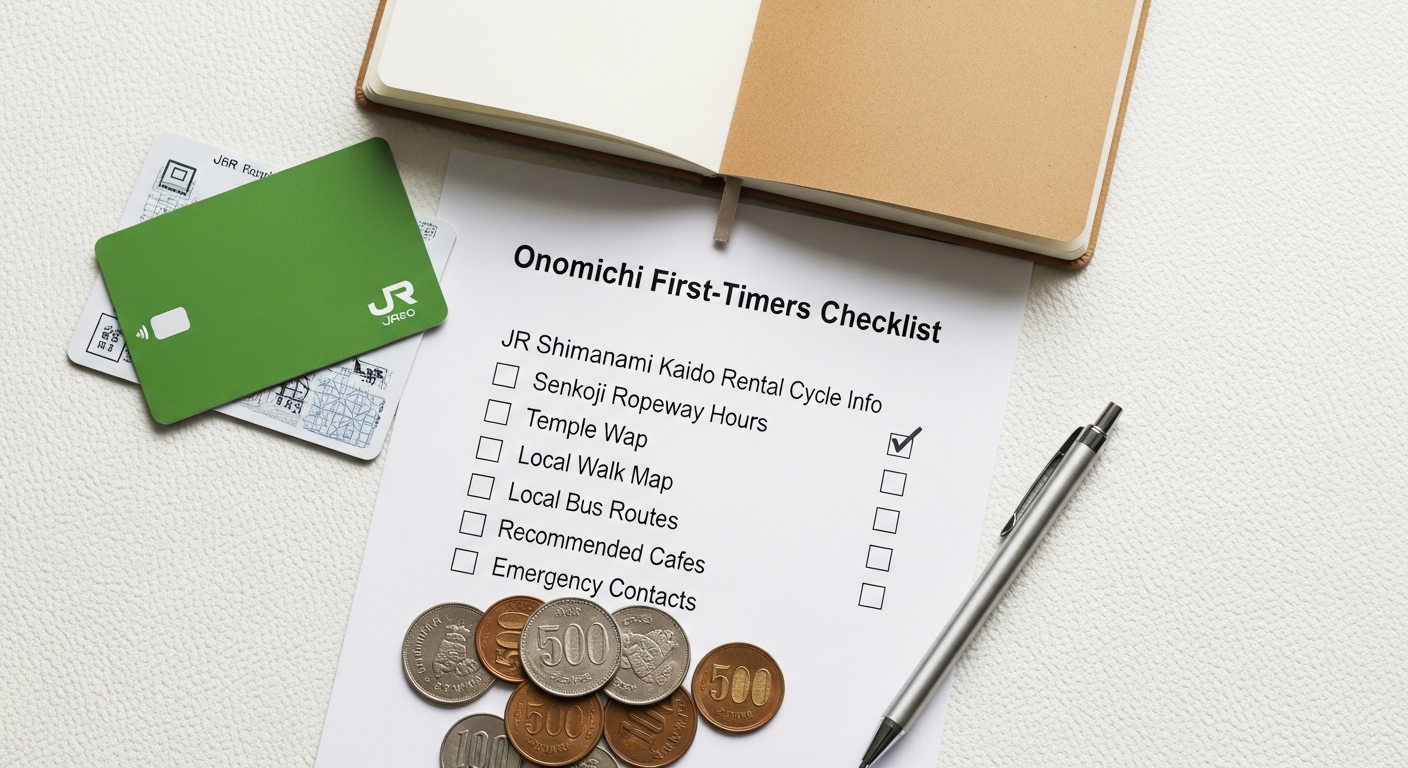
Onomichi offers a diverse range of accommodations, from modern cycling hotels to charming guesthouses housed in renovated traditional Japanese homes (machiya). Booking in advance, especially for popular seasons like spring (cherry blossoms) and autumn (pleasant weather for cycling), is highly recommended.
Luxury & Unique Experiences
- Onomichi U2: More than just a hotel, Onomichi U2 is a landmark. Located directly on the waterfront, it’s a stylish complex featuring a boutique hotel (Hotel Cycle), a restaurant (The Restaurant), a bakery (Butti Bakery), a cafe/bar, and a Giant bicycle shop. It’s perfect for cyclists but equally appealing to anyone who appreciates modern design and a vibrant atmosphere. Rooms are sleek and comfortable, with amenities tailored for cyclists (e.g., bike hooks in rooms).
- Log (Azumi Setoda): While technically on Ikuchijima Island (a short ferry ride or part of the Shimanami Kaido), Log offers an exquisite, architecturally stunning experience. A renovated traditional home, it provides breathtaking views and a serene escape. Ideal for those wanting a more secluded, high-end experience within easy reach of Onomichi.
Mid-Range & Boutique Guesthouses
Onomichi excels in offering charming guesthouses, often renovated from traditional machiya, providing an authentic local experience.
- Miharashi-tei (Guest House & Cafe): Perched high on the hill along the Temple Walk, Miharashi-tei offers spectacular views of the Seto Inland Sea. It’s a beautifully restored traditional house with a cozy cafe on the ground floor. The rooms are simple but tasteful, and the shared facilities are well-maintained. It provides a true “slope town” experience.
- Anago no Nedoko (あなごのねどこ): This unique guesthouse and cafe is tucked away in a narrow alley (the “Cat Alley” itself!). It’s a renovated traditional house, offering a blend of old-world charm and modern comfort. The cafe serves delicious local food and drinks.
- Guest House YUAN (縁): Another beautifully renovated machiya, offering comfortable private rooms and dormitories. It’s centrally located near Onomichi Station and the Shotengai, making it convenient for exploring.
- Onomichi Kokusai Hotel (尾道国際ホテル): A more traditional hotel option, offering comfortable rooms and amenities, often with good views. It’s located a short walk from Onomichi Station and provides a reliable, full-service hotel experience.
Budget-Friendly Options
Several smaller guesthouses and hostels offer dormitory beds and simple private rooms, perfect for budget travelers. Check booking sites like Booking.com or Agoda for the latest options.
Local Tip: If staying on the slopes, be mindful of your luggage. Some guesthouses may offer assistance, but a backpack is often more practical than a wheeled suitcase for navigating the stairs and narrow paths.
Feasting in Onomichi: A Culinary Journey
Onomichi’s food scene is a delightful blend of local specialties, fresh Seto Inland Sea seafood, and a burgeoning cafe culture. Prepare your taste buds!
The King of Onomichi: Onomichi Ramen
You absolutely cannot visit Onomichi without trying its namesake ramen. Distinct from other regional varieties, Onomichi Ramen (尾道ラーメン) is characterized by a soy-sauce-based broth, often enriched with small flakes of pork back fat (背脂, seabura), giving it a rich, savory depth without being overly heavy. The noodles are typically thin and straight, and toppings usually include chashu (braised pork), menma (bamboo shoots), and spring onions.
- Onomichi Ramen Ichibankan (おのみちラーメン壱番館): A popular and accessible choice right near Onomichi Station. They serve a classic Onomichi Ramen that’s a great introduction to the style. Expect a queue, especially at peak lunch hours.
- Tsutafuji (つたふじ): One of the oldest and most revered ramen shops in Onomichi, known for its traditional, slightly lighter yet deeply flavorful broth. It’s a small, no-frills establishment with a loyal local following.
- Note on Shuka-en (朱華園): Historically, Shuka-en was the most famous Onomichi Ramen shop, a true institution. Sadly, it closed permanently in 2020. While it’s a loss, many other excellent shops carry on the tradition, including the ones mentioned above, ensuring you can still savor this local delicacy.
Seto Inland Sea Seafood Delights
Being on the Seto Inland Sea, Onomichi boasts incredibly fresh seafood. Keep an eye out for:
- Anago (Sea Eel): A local specialty, often served grilled over rice (anago-don) or as tempura. It’s lighter and less oily than freshwater unagi.
- Oysters (Kaki): Particularly in winter, Hiroshima Prefecture is famous for its plump, delicious oysters.
- Local Fish: Look for seasonal catches in izakayas (Japanese pubs) or restaurants specializing in seafood. Sashimi platters are a must-try.
- Where to Find: Explore the small izakayas and restaurants along the Shotengai (shopping street) or near the waterfront. Look for places with a “定食” (teishoku – set meal) sign for good value lunch options.
Charming Cafes & Local Sweets
Onomichi’s cafe scene is thriving, with many establishments lovingly renovated from old machiya houses, offering unique atmospheres and delicious treats.
- Yamaneko Mill (やまねこカフェ): A popular cafe near the waterfront, known for its cozy ambiance, delicious coffee, and light meals. It’s a great spot to relax after exploring.
- Hachiwareya (はちわれや): Tucked away in Cat Alley, this charming cafe is famous for its cute cat-themed goods and cozy atmosphere. Perfect for a quick break while exploring the temple path.
- Cafe Caho (カホー): Another beautifully renovated machiya cafe offering a tranquil space with delicious homemade cakes and drinks.
- Local Sweets: Don’t leave without trying Hassaku Daifuku (はっさく大福), a mochi confection filled with a whole segment of hassaku orange (a local citrus) and white bean paste. It’s refreshingly tart and sweet. Also, look for local lemon cakes and other citrus-infused treats. Many shops in the Shotengai sell these.
Local Tip: Many smaller ramen shops and cafes are cash-only, so always carry some Japanese Yen with you. Look for “モーニングセット” (morning set) in cafes for good breakfast deals.
Immersing in Onomichi’s Culture & Sights
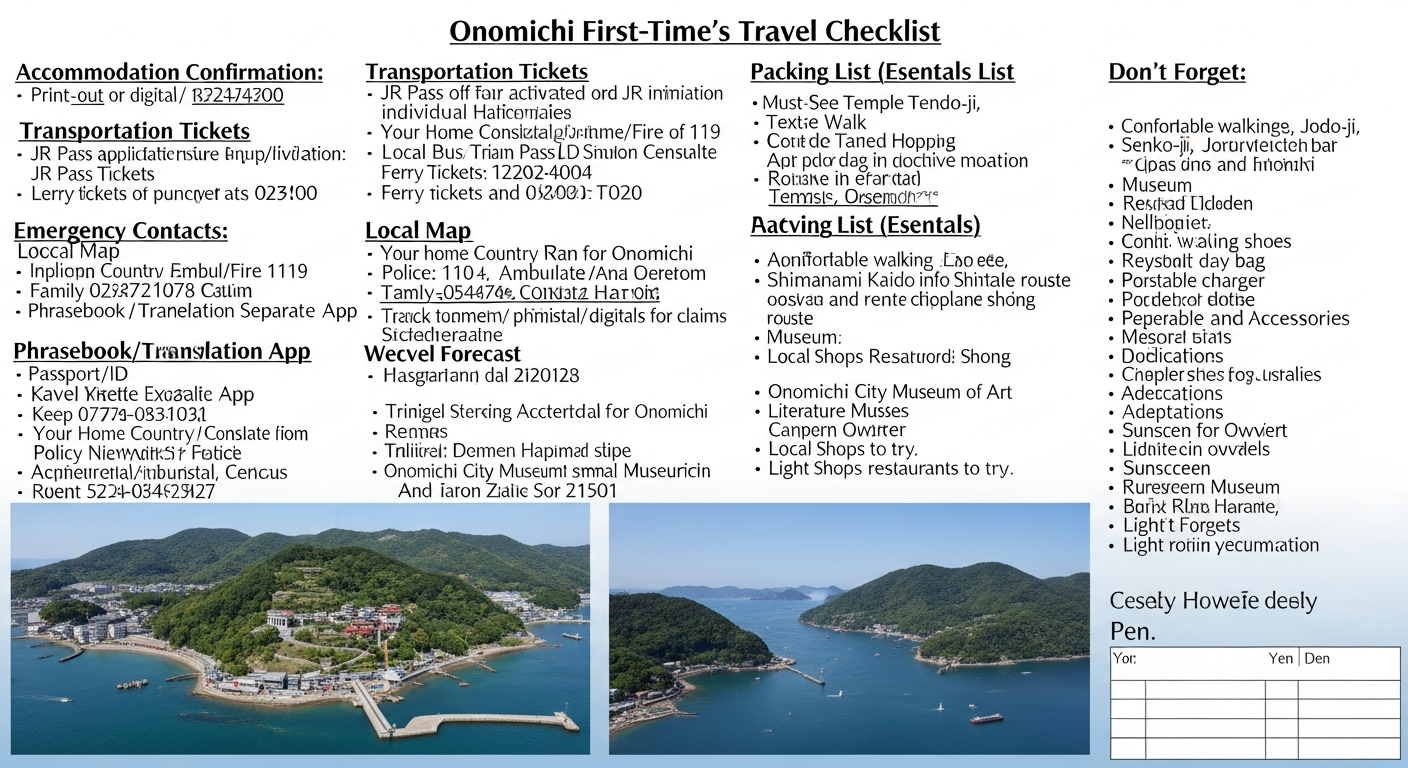
Onomichi’s culture is deeply intertwined with its geography – a city built on slopes, overlooking the sea, and dotted with temples.
The Onomichi Temple Walk & Senkoji Park
This is the quintessential Onomichi experience. The Temple Walk (寺巡り, tera-meguri) connects 25 temples, many along the hillside, offering stunning views and a glimpse into ancient Japan.
- Senkoji Temple (千光寺) & Park: Start your journey here. Take the Onomichi Ropeway up to Senkoji Park. The park offers panoramic views, especially beautiful during cherry blossom season (late March/early April) and autumn foliage (late November). Senkoji Temple itself, founded in 806, is famous for its red main hall and the “Tama no Iwa” (Jewel Rock) legend.
- Cat Alley (猫の細道, Neko no Hosomichi): As you descend from Senkoji Park, you’ll naturally encounter this charming, narrow lane filled with cat-themed art, statues (including the famous “Fukuishi Neko” or lucky stone cats), and real cats lounging about. It’s home to the Manekineko Museum (招き猫美術館), dedicated to the beckoning cat figurines.
- Other Key Temples on the Path:
Local Tip: Allow at least 2-3 hours for the Temple Walk, more if you linger in cafes or museums. Pick up a map at Onomichi Station or the ropeway entrance.
Onomichi U2 & the Waterfront
Beyond the slopes, the waterfront area offers a different vibe. Onomichi U2, as mentioned in the accommodation section, is a hub for cycling culture, food, and design. Enjoy a coffee at The Cycle or a pastry from Butti Bakery. Stroll along the promenade, watch the ferries depart for the islands, and soak in the sea breeze.
- Green Hill Hotel Onomichi: Even if you’re not staying here, their rooftop bar offers fantastic sunset views over the port and islands – a perfect spot for an evening drink.
Literature & Art
Onomichi has long been an inspiration for writers and artists, drawn to its unique landscape and atmosphere.
- Onomichi City Museum of Art (尾道市立美術館): Located within Senkoji Park, this museum designed by Tadao Ando features a collection of local and international art, often with cat-themed exhibitions.
- Literature Path (文学のこみち, Bungaku no Komichi): Also in Senkoji Park, this path features stones inscribed with poems and writings by famous Japanese literary figures who were inspired by Onomichi.
Shopping & Souvenirs
The Shotengai (商店街), a covered shopping street running parallel to the waterfront, is a vibrant place to explore. You’ll find local craft shops, food stalls, and unique souvenirs. Look for items featuring the local citrus (hassaku, lemon), cat-themed goods, and handmade pottery. Don’t miss sampling some local snacks or picking up some Onomichi Ramen instant noodles to take home!
Beyond the Brochure: Insider Tips for a Deeper Dive
To truly experience Onomichi, venture beyond the well-trodden paths.
- Embrace the Labyrinthine Alleys: Don’t be afraid to take a detour down a narrow staircase or an unmarked alleyway. These are where you’ll find hidden shrines, charming old houses, and unexpected views that feel like your own personal discovery. Many small cafes and ateliers are tucked away in these spots.
- Experience a Local Morning: Wake up early and head to the port. Watch the ferries shuttle locals to and from the nearby islands, observe the fishermen, and grab a coffee from a local cafe as the city slowly awakens. It’s a peaceful and authentic start to your day.
- Sunset Views: While Senkoji Park offers fantastic views, consider finding a quieter spot along the higher parts of the Temple Walk as the sun begins to set. The way the golden light bathes the tile roofs and glints off the sea is truly magical. Another great spot is the rooftop bar at Green Hill Hotel.
- Ferry to Mukaishima: Take a quick (5-minute, ¥110) ferry ride from Onomichi Port to Mukaishima Island (向島). It’s a taste of island life, and you can cycle around parts of the island or simply enjoy the different perspective of Onomichi from across the water.
- Learn a Few Basic Phrases: While many people in tourist-heavy areas speak some English, knowing a few Japanese phrases like “Konnichiwa” (Hello), “Arigato gozaimasu” (Thank you), “Sumimasen” (Excuse me/Sorry), and “Onegaishimasu” (Please) will be greatly appreciated by locals and enhance your interactions.
- Respectful Exploration: Onomichi is a living, breathing city, not just a tourist attraction. Be mindful of noise levels, especially in residential areas on the slopes. Always ask for permission before taking photos of people, and respect private property.