Your Ultimate 2026 Guide to an Unforgettable Onomichi to Hiroshima Day Trip
Getting from Onomichi to Hiroshima: Your Transport Options
The journey from Onomichi to Hiroshima city is straightforward, efficient, and offers a couple of excellent options depending on your budget and preference for speed. Forget complicated transfers; Japan’s public transport system makes this day trip a breeze.
JR Sanyo Main Line: The Fastest & Most Convenient
For most travelers, the JR Sanyo Main Line is your best friend. It’s quick, comfortable, and offers frequent departures. Onomichi Station (尾道駅) is your starting point, and Hiroshima Station (広島駅) is your destination.
- Local & Rapid Trains: These are your primary options. A direct local or rapid train will take you directly to Hiroshima Station.
- Travel Time: Approximately 1 hour 30 minutes to 2 hours, depending on the specific train and number of stops.
- Cost: Around ¥1,520 (one-way).
- Frequency: Trains typically run every 15-30 minutes during peak hours, less frequently in the late evening.
- JR Pass: If you have a Japan Rail Pass (including the Sanyo San’in Area Pass or Setouchi Area Pass), this journey is fully covered. Simply show your pass at the gate.
- Insider Tip: For the quickest non-Shinkansen option, look for trains labelled “Rapid” (快速) or “Hiroshima-bound” (広島行き) that don’t require transfers. Some services may require a quick transfer at a major station like Mihara (三原駅) or Saijo (西条駅), but these are usually well-timed. Always check the departure boards or a navigation app like Google Maps or Japan Transit Planner (Jorudan/Navitime) for the most current schedules.
- Shinkansen (Bullet Train) via Shin-Onomichi: While Onomichi Station itself doesn’t have Shinkansen access, Shin-Onomichi Station (新尾道駅) is a Shinkansen stop. However, reaching Shin-Onomichi from central Onomichi requires a local bus or taxi (about 10-15 minutes, ¥200-¥1000). From Shin-Onomichi, the Shinkansen to Hiroshima is very fast (approx. 30 minutes).
- Travel Time (total): Approx. 45 minutes to 1 hour (including transfer to Shin-Onomichi).
- Cost: Significantly more expensive, around ¥3,000-¥4,000 one-way, depending on seat class and specific Shinkansen service.
- Recommendation: For a day trip, the time saved by taking the Shinkansen from Shin-Onomichi often doesn’t justify the extra cost and hassle of the initial transfer from central Onomichi. Stick to the JR Sanyo Main Line from Onomichi Station for simplicity and value.
Highway Bus: A Budget-Friendly Alternative
For those on a tighter budget, the highway bus offers a comfortable and direct route to Hiroshima.
- Bus Companies: Multiple companies operate this route, including Hiroshima Bus and Onomichi Bus.
- Departure Point (Onomichi): Look for bus stops near Onomichi Station or the Onomichi Port area.
- Arrival Point (Hiroshima): Most buses arrive at Hiroshima Bus Center (広島バスセンター), which is conveniently located downtown, close to Hiroshima Peace Memorial Park.
- Travel Time: Approximately 1 hour 45 minutes to 2 hours 15 minutes, depending on traffic.
- Cost: Around ¥1,000-¥1,500 (one-way).
- Frequency: Less frequent than trains, usually hourly or every couple of hours.
- Insider Tip: While cheaper, buses can be affected by traffic, especially during holidays or rush hour. If you prioritize punctuality and speed, the train is generally more reliable. However, the bus offers a scenic ride and drops you off right in the city center.
Driving: Less Recommended for a Day Trip
While possible, driving from Onomichi to Hiroshima is generally not recommended for a day trip due to potential traffic, tolls, and parking challenges in Hiroshima city. Parking can be expensive (¥200-¥300 per hour) and hard to find near major attractions. Stick to public transport for a stress-free experience.
Morning in Hiroshima: A Journey Through History and Peace
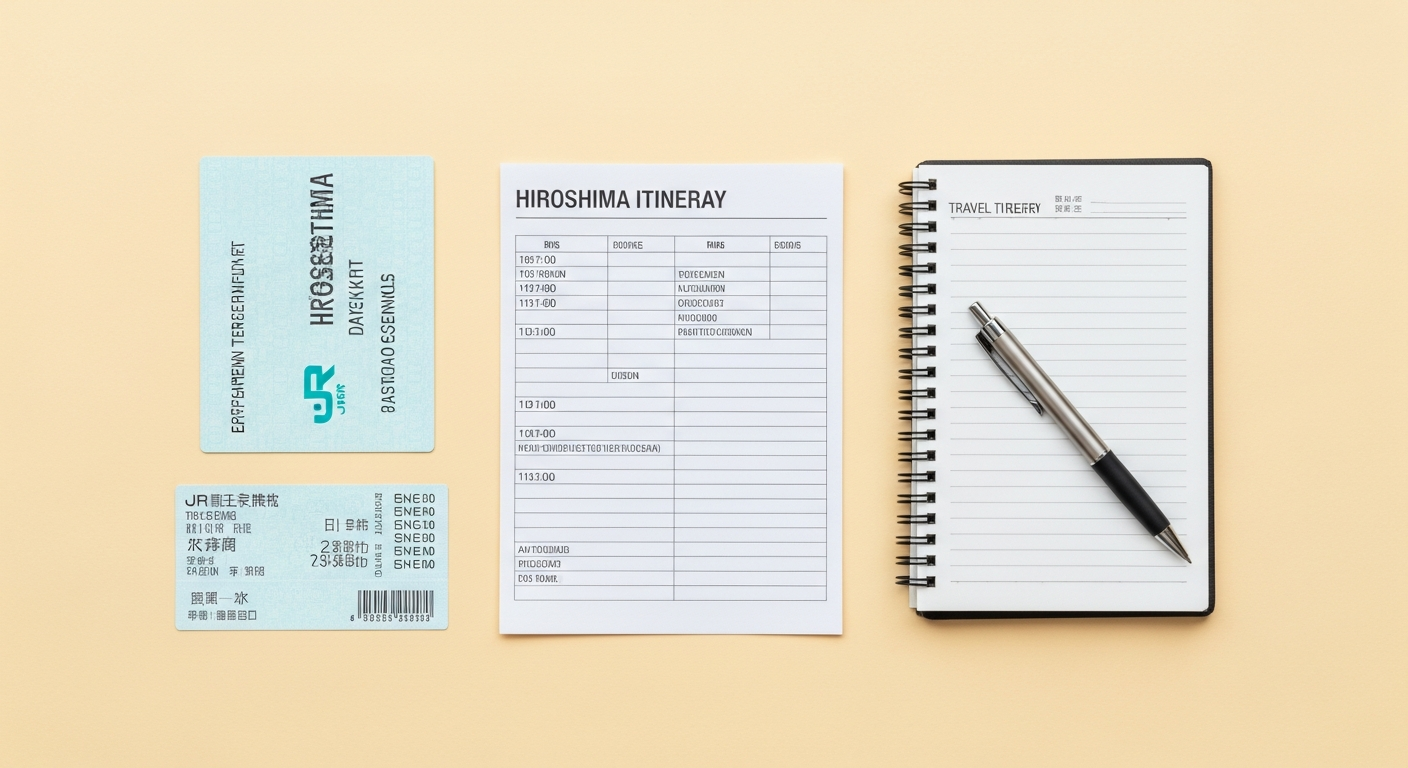
Your morning in Hiroshima will be a profound experience, focusing on the city’s poignant history and its powerful message of peace. From Hiroshima Station, the city’s excellent streetcar (tram) system is your best friend for getting around efficiently.
Getting Around Hiroshima: The Streetcar System
Hiroshima’s streetcars (Hiroden) are iconic and easy to use. They cover all major tourist attractions.
- Fare: A flat fare of ¥190-¥200 (current as of 2026) for most rides within the city center. Pay when you exit.
- IC Cards: You can use major IC cards like Icoca, Suica, Pasmo, etc. Simply tap when you enter and exit.
- One-Day Pass: If you plan on making multiple trips, consider the “One-Day Streetcar Pass” (¥700) or the “One-Day Streetcar & Ferry Pass” (¥900, includes Miyajima ferry if you plan to extend your trip – though not recommended for a single day trip from Onomichi). You can buy these at Hiroshima Station Information Center or on the streetcar itself.
- Route to Peace Park: From Hiroshima Station, take streetcar Route 2 or 6 (bound for Miyajima-guchi or Eba) and get off at the “Genbaku Dome-mae” (原爆ドーム前) stop. This ride takes about 15-20 minutes.
The Atomic Bomb Dome (Genbaku Dome)
Your first stop should be the Atomic Bomb Dome. This UNESCO World Heritage Site is the skeletal remains of the former Hiroshima Prefectural Industrial Promotion Hall, which stood almost directly below the hypocenter of the atomic bomb blast on August 6, 1945. It’s a stark, powerful reminder of the devastation.
- Location: Otemachi 1-10, Naka Ward, Hiroshima. Easily visible from the streetcar stop.
- Significance: It’s preserved exactly as it was after the bombing, serving as a symbol of hope for world peace and the abolition of nuclear weapons.
- Viewing Tips: Take your time to walk around it. Read the informational plaques in English that explain its history. The atmosphere here is one of solemn reflection.
Hiroshima Peace Memorial Park
Just across the Motoyasu River from the Atomic Bomb Dome lies the sprawling Hiroshima Peace Memorial Park (平和記念公園). This beautiful, sprawling park is dedicated to the victims of the atomic bombing and serves as a powerful testament to peace.
- Key Monuments:
- Cenotaph for the A-Bomb Victims: An arched monument housing the names of all known victims, with an inscription that reads: “Let all the souls here rest in peace; for we shall not repeat the evil.”
- Children’s Peace Monument: Inspired by Sadako Sasaki, a young girl who died from leukemia after the bombing, and her dream of folding a thousand paper cranes for peace. Visitors from around the world leave colorful paper cranes here.
- Flame of Peace: This flame has burned continuously since 1964 and will continue until all nuclear weapons are abolished from the world.
- Peace Bell: Visitors are encouraged to ring the bell for world peace.
- Insider Tip: Allow plenty of time to walk through the park. Each monument carries deep meaning. The tranquility of the park itself is a stark contrast to the history it commemorates.
Hiroshima Peace Memorial Museum
The Hiroshima Peace Memorial Museum (広島平和記念資料館) is an essential, albeit emotionally challenging, part of your visit. It provides a comprehensive and unflinching account of the bombing, its immediate aftermath, and its long-term effects.
- Location: Within the Peace Memorial Park.
- Opening Hours (2026): Generally 8:30 AM to 6:00 PM (March-July, September-November), 8:30 AM to 7:00 PM (August), and 8:30 AM to 5:00 PM (December-February). Last admission is 30 minutes before closing. Check their official website for the most current hours.
- Admission Fee: ¥200 for adults.
- Experience: The museum is thoughtfully designed, presenting artifacts, survivor testimonies, and detailed explanations. It’s an incredibly powerful and moving experience.
- Local Tip: Allocate at least 2-3 hours for a thorough and respectful visit to the museum and the surrounding park. Go early in the morning, right after opening, to experience it with fewer crowds and in a more contemplative atmosphere. Be prepared for the emotional impact; it is a profound and necessary learning experience.
Afternoon Delights: Culinary & Cultural Exploration
After a morning of solemn reflection, the afternoon offers a chance to explore Hiroshima’s vibrant present, indulge in its famous cuisine, and immerse yourself in its reconstructed cultural heritage.
Lunch: The Ultimate Hiroshima-style Okonomiyaki Experience
No trip to Hiroshima is complete without trying its signature dish: Hiroshima-style okonomiyaki. Unlike the Osaka version, Hiroshima okonomiyaki features distinct layers – typically batter, cabbage, pork, and noodles (soba or udon), all topped with egg and a special sauce. It’s a culinary masterpiece!
- Recommended Spots:
- Okonomimura (お好み村): This multi-story building (5-4 Shintenchi, Naka Ward) is a bustling hub with over 20 okonomiyaki stalls, each with its own unique twist. It’s touristy but offers a fun, lively atmosphere. Prices typically range from ¥800-¥1,500.
- Nagataya (長田屋): A highly popular, often-recommended spot near the Peace Memorial Park (1-7-19 Otemachi, Naka Ward). Expect a queue, but the quality is superb.
- Lopez (ロペズ): Famous for its owner, a Guatemalan immigrant who mastered the art of Hiroshima okonomiyaki (1-5-17 Higashisenda-machi, Naka Ward). A true local gem.
- Insider Tip: Don’t be shy! Sit at the counter and watch the chefs expertly prepare your meal on the teppan (hot plate). It’s part of the experience. Many places will have an English menu or friendly staff who can help. My personal favorite is to find a smaller, less-known shop tucked away on a side street – they often offer incredibly authentic flavors.
Hiroshima Castle
After lunch, take a leisurely stroll to Hiroshima Castle (広島城). While the original castle was destroyed in 1945, the current reconstruction (completed in 1958) is a faithful replica and stands as a symbol of the city’s resilience.
- Location: 21-1 Moto-machi, Naka Ward, Hiroshima. About a 15-minute walk from the Peace Park or a short streetcar ride to “Jōhoku-dōri” (城北通り) or “Kamiya-cho Nishi” (紙屋町西) stops.
- Opening Hours (2026): 9:00 AM to 5:00 PM (March-November), 9:00 AM to 4:30 PM (December-February). Last admission 30 minutes before closing.
- Admission Fee: ¥370 for adults.
- What to See: Explore the castle grounds, climb the five-story keep for panoramic views of the city, and visit the museum inside, which details the castle’s history, samurai culture, and the reconstruction efforts.
Shukkei-en Garden
Just a short walk from Hiroshima Castle is Shukkei-en Garden (縮景園), a stunning traditional Japanese garden that offers a tranquil escape from the bustling city. It’s a designated National Place of Scenic Beauty.
- Location: 2-11 Kaminobori-cho, Naka Ward, Hiroshima.
- Opening Hours (2026): 9:00 AM to 5:00 PM (October-March), 9:00 AM to 6:00 PM (April-September). Last admission 30 minutes before closing.
- Admission Fee: ¥260 for adults.
- Experience: “Shukkei-en” literally means “shrunken scenery garden,” and it lives up to its name, featuring miniature landscapes of mountains, valleys, and forests around a central pond. Take your time to stroll along the winding paths, admire the teahouses, and enjoy the serenity.
- Local Tip: If you’re pressed for time and have to choose between the Castle and the Garden, opt for Shukkei-en if you prefer a peaceful, aesthetic experience, or the Castle if you’re keen on history and city views. They are close enough that you can visit both if you manage your time well.
Evening in Hiroshima: Dining and Departure
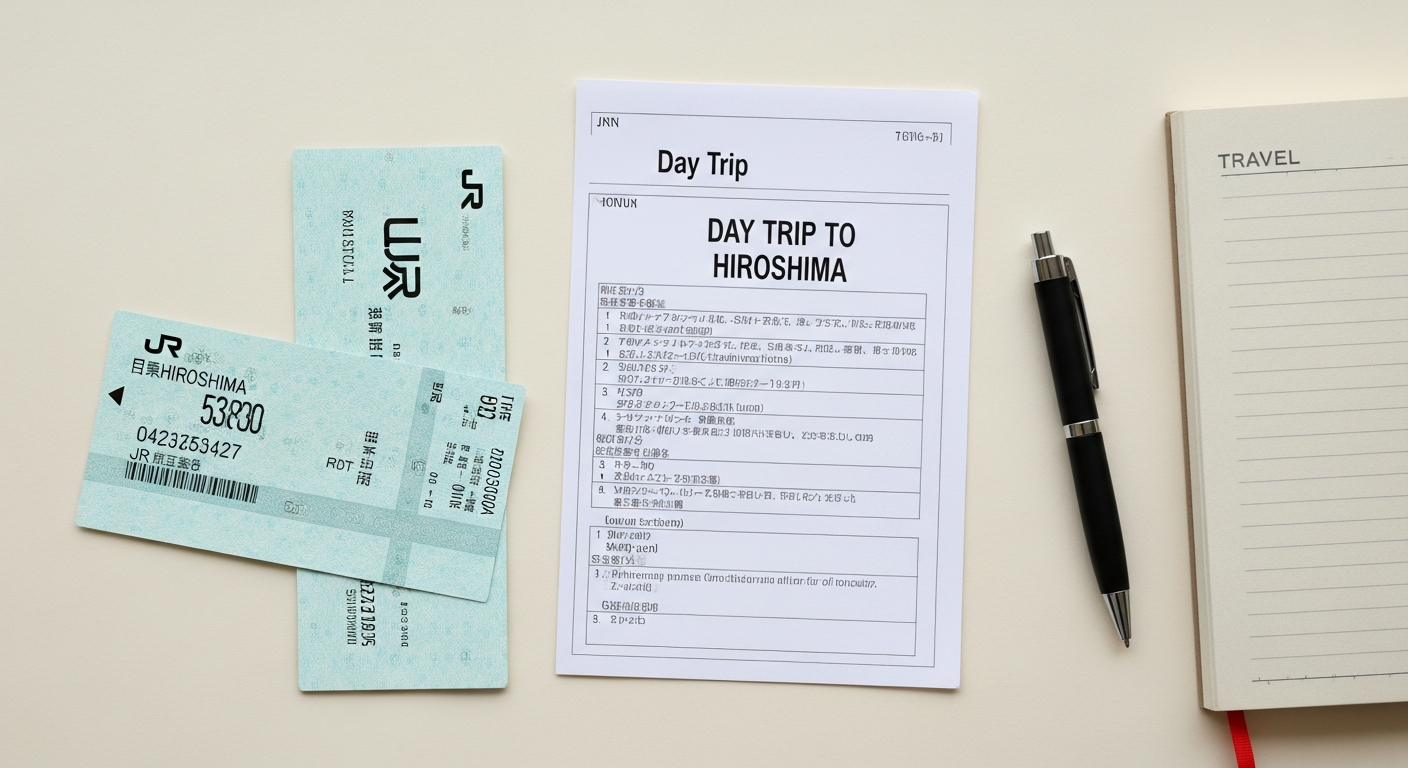
As your day in Hiroshima draws to a close, you might opt for a final meal or some last-minute souvenir shopping before heading back to Onomichi.
Optional Dinner & Souvenir Shopping
- Dinner: If you have time and energy for one more meal, consider exploring the vibrant Hondori Shopping Street (本通商店街) or the surrounding areas for various dining options beyond okonomiyaki. Hiroshima is also known for its fresh seafood and Hiroshima Tsukemen (つけ麺) – a spicy dipping ramen.
- Souvenirs: Hondori Street is perfect for picking up souvenirs like the famous Momiji Manju (maple leaf-shaped cakes with various fillings), local crafts, or Hiroshima-themed goods.
Returning to Onomichi
Make your way back to Hiroshima Station. Again, the streetcar is the easiest option (Route 2 or 6 from stops like “Kamiya-cho-Higashi” (紙屋町東) or “Tate-machi” (立町) to Hiroshima Station).
- Train: Board a JR Sanyo Main Line train bound for Onomichi or Fukuyama. Remember to check the last train schedule, especially if you plan to stay out late. These are usually around 9:00 PM to 10:00 PM, but always confirm.
- Bus: If you took the highway bus, head back to Hiroshima Bus Center. Again, check the last bus departure times.
- Practical Tip: Always have your return ticket or IC card ready. A navigation app on your phone will be invaluable for confirming train times and platforms.
Insider Tips for a Seamless Day Trip
To ensure your Onomichi to Hiroshima day trip in 2026 is as smooth and enjoyable as possible, here are some practical tips from a local perspective:
- Start Early: This is key for a day trip. Catch an early morning train (e.g., 7:00 AM or 8:00 AM) from Onomichi to maximize your time in Hiroshima.
- Wear Comfortable Shoes: You’ll be doing a lot of walking, especially around the Peace Park and museum.
- Cash is King (Sometimes): While major stores and train stations accept credit cards and IC cards, many smaller restaurants, especially okonomiyaki shops, and some local shops might be cash-only. Have some yen on hand.
- Stay Connected: A pocket Wi-Fi device or a local SIM card is invaluable for navigation (Google Maps, Japan Transit Planner), checking opening hours, and looking up information on the go.
- Respectful Attire: When visiting the Peace Memorial Park and Museum, dress respectfully. While there’s no strict dress code, modest clothing is appropriate for such a solemn site.
- Prioritize Your Interests: A single day won’t allow you to see absolutely everything. Decide what’s most important to you (history, food, gardens) and plan your itinerary around those priorities. Don’t try to cram too much in, or you’ll feel rushed.
- Hydration & Snacks: Especially if visiting during warmer months, carry water. Vending machines are ubiquitous, but having your own bottle is always a good idea.
- Check Official Websites: While this guide provides current 2026 estimates, always double-check the official websites of attractions (museums, gardens, castles) for the most up-to-date opening hours, admission fees, and any temporary closures before your visit.