


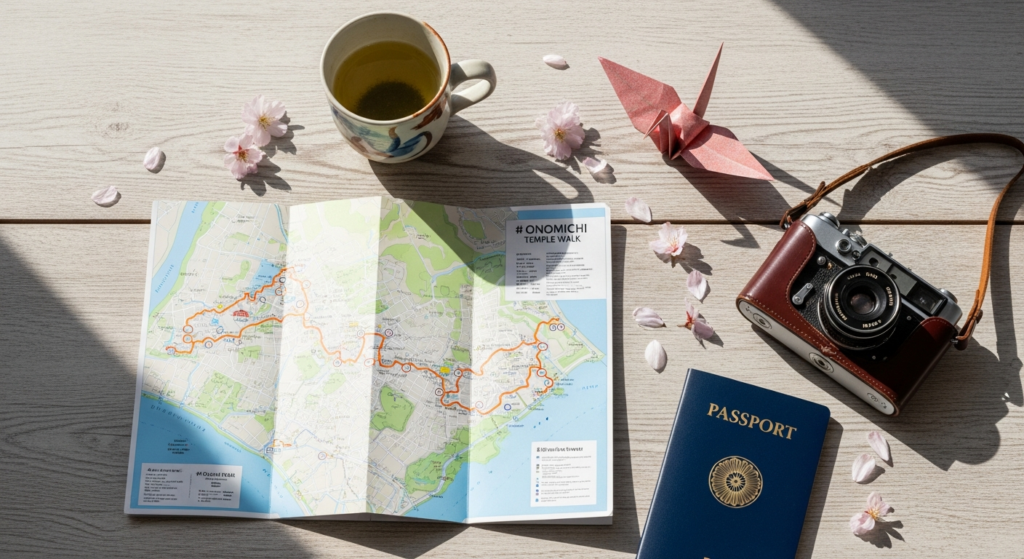
The Allure of Onomichi’s Temple Walk: A Journey Through History and Serenity
The Onomichi Temple Walk, often referred to as the “Path of Literature and History,” is more than just a route connecting various temples; it’s an immersive cultural experience that encapsulates the very essence of this unique port town. Stretching approximately 2.5 kilometers from Onomichi Station eastward, this iconic path winds its way up and down the steep slopes, offering panoramic views of the shimmering Seto Inland Sea and the islands of the Shimanami Kaido. With an impressive concentration of 25 temples, each with its own distinct history and architectural charm, the walk invites visitors to step back in time and connect with centuries of spiritual devotion.
For those wondering What To Do In Onomichi Japan, the temple walk consistently ranks at the top. It’s an activity that caters to a diverse range of interests: history buffs will appreciate the ancient origins of these sacred sites, some dating back over a thousand years; culture enthusiasts will delight in the intricate Buddhist architecture and serene garden landscapes; and photographers will find endless inspiration in the dramatic interplay of temples, sea, and sky. The walk provides a unique perspective on traditional Japanese urban planning, where homes and temples are intricately woven into the natural topography, creating a harmonious and utterly charming environment.
As you ascend the stone steps and navigate the narrow alleys, you’ll feel a palpable sense of peace and tranquility. The air is often filled with the gentle chime of temple bells, the rustling of leaves, and the distant cries of seagulls. This walk isn’t just about reaching a destination; it’s about the journey itself, allowing for moments of quiet reflection and discovery around every bend. It’s a chance to slow down, breathe deeply, and appreciate the simple beauty of a place where spiritual heritage is deeply intertwined with daily life. Whether you dedicate a few hours or an entire day, the Onomichi Temple Walk promises a rich and rewarding experience that will linger in your memories long after you’ve descended back to the bustling waterfront.
Preparing for Your Onomichi Temple Pilgrimage: Essential Tips and What to Expect
Embarking on the Onomichi Temple Walk requires a bit of preparation to ensure a comfortable and enjoyable experience. While the main route is well-marked, the terrain can be challenging, involving numerous steps and sometimes steep inclines. Understanding what to expect will help you make the most of your spiritual and scenic adventure.
Footwear and Attire
- Sturdy Walking Shoes: This is paramount. You’ll be doing a lot of walking, climbing steps, and navigating uneven paths. Comfortable, supportive walking shoes or sneakers are absolutely essential.
- Layered Clothing: Onomichi’s weather can vary, especially with the elevation changes. Layers allow you to adapt to temperature fluctuations throughout the day.
- Rain Gear: Especially during the rainy season (June-July) or in spring/autumn, a compact umbrella or lightweight rain jacket can be a lifesaver.
Timing Your Visit
The best seasons for the Onomichi Temple Walk are generally spring (March-May) and autumn (October-November). In spring, cherry blossoms adorn the hillsides, adding a vibrant splash of pink to the temple grounds. Autumn brings stunning foliage, with fiery reds and golds creating a picturesque backdrop. Summer can be hot and humid, while winter, though less crowded, can be quite chilly.
Allow ample time for the walk. While the core route is about 2.5 km, factoring in detours, temple visits, photo opportunities, and rest stops, you should allocate at least 3-5 hours. If you wish to visit every temple or linger longer at specific sites, a full day might be more appropriate. Starting in the morning is advisable to avoid the midday sun and potential crowds.
Navigation and Resources
- Maps: Pick up a detailed map of the Temple Walk from Onomichi Station’s tourist information center. These maps often highlight key temples, viewpoints, and even local eateries.
- Signage: The route is generally well-signed with clear directions in Japanese and often English, but a map provides a helpful overview.
- Hydration and Snacks: Carry water, especially on warmer days. While there are vending machines and small cafes along the route, they can be sparse in certain sections. A few energy bars or snacks can also be useful.
- Photography: Don’t forget your camera! The views are spectacular, and each temple offers unique photographic opportunities. Be mindful of temple etiquette when taking photos, especially inside halls.
By preparing adequately, you ensure that your focus remains on the enriching experience of the walk itself, allowing you to fully absorb the history, culture, and tranquility that defines Onomichi’s spiritual heart. Whether you are seeking a moment of spiritual contemplation or simply wishing to explore one of Japan’s most charming towns, the Onomichi Temple Walk promises an unforgettable adventure for 2026 and beyond.
Navigating the Path: Key Temples and Spiritual Highlights
Senko-ji Temple (千光寺)
Perched dramatically on the slopes of Mount Senkoji, this is arguably the most famous and iconic temple in Onomichi. Accessible via a scenic ropeway or a challenging uphill walk, Senko-ji offers unparalleled panoramic views of the Seto Inland Sea, the Onomichi Channel, and the countless islands beyond. Founded in 806 by Kobo Daishi (Kukai), it’s a vibrant red temple known for its distinctive main hall (Daikodo) and the “Tama no Iwa” (Jewel Rock) – a large boulder said to glow brightly at night. The surrounding Senkoji Park is also a famous cherry blossom viewing spot in spring and houses the Onomichi City Museum of Art. The views from here are a highlight of any visit and epitomize the scenic beauty of the entire walk.
Tennei-ji Temple (天寧寺)
Just a short walk from Senko-ji, Tennei-ji is notable for its beautiful three-storied pagoda (Sanjunoto), which stands out gracefully against the backdrop of the sea. This pagoda, along with the main hall, is an Important Cultural Property. The temple grounds are home to some impressive ancient trees and offer a tranquil atmosphere. Keep an eye out for the “Cat Alley” (Neko no Hosomichi) nearby, a charming path adorned with cat-themed art and actual feline residents, adding a whimsical touch to your spiritual journey.
Saikoku-ji Temple (西國寺)
Further along the path, Saikoku-ji is a grand temple with a rich history, dating back to 731. It’s famous for its enormous straw sandals (waraji) hanging at the entrance of its Nio-mon gate, symbolizing the strength and endurance of the guardian deities. The temple complex is quite extensive, featuring a beautiful pond, an impressive main hall, and a five-storied pagoda (Gojunoto) that is another Important Cultural Property. The tranquil gardens here provide a perfect spot for quiet contemplation.
Jodo-ji Temple (浄土寺)
Located near the eastern end of the walk, Jodo-ji is an architectural marvel and a National Treasure. Its main hall (Hondo) and pagoda (Tahoto) are outstanding examples of traditional Japanese Buddhist architecture from the Kamakura period (1185-1333). The temple is known for its exquisite carvings and serene atmosphere, often less crowded than Senko-ji. It also houses a beautiful garden, providing a peaceful retreat from the outside world. Its proximity to the sea offers a different perspective, with the sounds of waves sometimes audible.
Komyoji Temple (光明寺)
Often referred to as the “Red Gate Temple” due to its striking red main gate (Akamon), Komyoji Temple offers a more intimate and serene experience. While smaller than some of its grander neighbors, it exudes a quiet charm and is known for its beautiful stone garden and peaceful ambiance. It’s a great place to pause and reflect, away from the more bustling sections of the trail.
As you traverse between these sacred sites, remember to observe temple etiquette: remove your shoes before entering main halls, refrain from loud conversations, and respect the solemnity of the grounds. Each temple offers a unique insight into Japan’s spiritual heritage, making the Onomichi Temple Walk a truly enriching and unforgettable experience.
Beyond the Temples: Embracing Onomichi’s Cultural Tapestry
While the temple walk is undeniably the centerpiece of any visit, Onomichi offers a rich tapestry of cultural experiences that extend far beyond its sacred grounds. This town is a hub for art, literature, and culinary delights, making it a truly multifaceted destination. For those exploring What To Do In Onomichi Japan, venturing off the temple path reveals a vibrant local scene that perfectly complements the spiritual journey.
Onomichi Art Galleries and Culture
Onomichi has long been an inspiration for artists and writers, drawn by its dramatic landscapes and nostalgic atmosphere. This legacy is evident in its numerous art galleries and cultural institutions:
- Onomichi City Museum of Art: Located within Senkoji Park, this museum features a rotating collection of Japanese and international art, often with a focus on local artists or themes inspired by the Seto Inland Sea. Its modern architecture beautifully contrasts with the ancient temple surroundings.
- Literature Path (Bungaku no Komichi): Running alongside the temple walk, this path is dotted with stone monuments inscribed with poems and writings from famous Japanese authors who were inspired by Onomichi, including Naoya Shiga and Fumiko Hayashi. It’s a wonderful way to connect with the town’s literary heritage.
- Cat Alley (Neko no Hosomichi): A whimsical detour near Tennei-ji Temple, this narrow alley is adorned with countless “fukuishi-neko” (lucky cat stones) painted by local artist Shunji Sonoyama. It’s also home to many real cats, making it a delightful spot for animal lovers and a unique cultural photo opportunity. Numerous small shops and cafes along the alley offer cat-themed merchandise.
- Independent Boutiques and Galleries: Throughout the downtown area and nestled in the back alleys, you’ll discover charming independent shops selling local crafts, handmade goods, and contemporary art. These small galleries often showcase the work of emerging artists, adding to Onomichi’s creative pulse.
Culinary Delights and Local Flavors
No visit to Onomichi is complete without indulging in its local cuisine. The town is famous for its distinct ramen:
- Onomichi Ramen: Characterized by a soy sauce-based broth, flat noodles, and a topping of pork lard (seabura), this hearty and flavorful ramen is a local specialty. Numerous ramen shops throughout the town vie for the title of best Onomichi Ramen, so be sure to try a few!
- Seafood: As a port town, fresh seafood is abundant. Enjoy sashimi, grilled fish, and other local marine delicacies at waterfront restaurants.
- Local Sweets and Cafes: Onomichi boasts a thriving cafe culture, from traditional kissaten (coffee houses) to modern, stylish cafes, many offering stunning sea views. Sample local citrus-flavored sweets or freshly brewed coffee while soaking in the atmosphere.
Exploring these facets of Onomichi allows for a deeper appreciation of its unique character, blending ancient spirituality with a vibrant, contemporary cultural scene. Whether you’re admiring local art, tracing the footsteps of literary giants, or savoring a bowl of delicious ramen, Onomichi promises a rich and memorable experience for every traveler in 2026.
Extending Your Exploration: Day Trips and Further Discoveries
While Onomichi itself offers a wealth of experiences, its strategic location at the eastern gateway of the Shimanami Kaido makes it an ideal base for exploring the wider Seto Inland Sea region. For those with a little extra time, several rewarding day trips can significantly enhance your Japanese adventure, venturing into unique island cultures and spectacular natural beauty.
The Shimanami Kaido: A Cyclist’s Paradise
The Shimanami Kaido is a 70-kilometer-long road and bridge network connecting Onomichi on Honshu island to Imabari on Shikoku island. Famous worldwide as a cycling route, it offers dedicated cycling paths with breathtaking views of the Seto Inland Sea. Even if you’re not an avid cyclist, renting a bicycle for a portion of the route – perhaps just to one or two of the nearest islands – is a highly recommended experience. You can rent bicycles at various points, including near Onomichi Station, and return them at different stations along the path. This allows you to experience the exhilarating freedom of cycling over the sea, stopping at charming island villages and scenic viewpoints.
Setoda, Ikuchijima Island: Art, Temples, and Citrus
A particularly worthwhile day trip along the Shimanami Kaido is to Setoda town on Ikuchijima Island. This island is easily accessible by ferry from Onomichi or by bicycle/car via the bridges. Setoda is famed for its citrus orchards, especially lemons, and a unique blend of art and spiritual sites.
The absolute highlight here is Kosanji Temple (耕三寺), often referred to as the “Mother’s Temple.” This extraordinary private temple was built by a wealthy industrialist, Kosanji Kozo, over 30 years in dedication to his mother. It’s a flamboyant and eclectic architectural marvel, featuring replicas of some of Japan’s most famous temples and shrines, including the five-storied pagoda of Horyu-ji and the Yomeimon Gate of Nikko Toshogu. The temple grounds also include the stunning “Cave of a Thousand Buddhas” and the futuristic “Hill of Hope,” a white marble garden designed by sculptor Itto Kuetani. For a detailed exploration, our Setoda Kosanji Temple Guide provides an in-depth look at this incredible site.
Beyond Kosanji, Setoda also boasts the Hirayama Ikuo Museum of Art, dedicated to the renowned Japanese painter who was born on the island. The museum showcases his stunning landscape paintings, many of which depict the Seto Inland Sea. Exploring Setoda offers a fascinating contrast to the traditional temples of Onomichi, showcasing a more contemporary and art-focused side of the region.
Mukaishima Island: A Local Escape
Just across the Onomichi Channel, Mukaishima is the closest island to Onomichi and easily accessible by a short ferry ride (less than 5 minutes). It offers a glimpse into local island life, with quieter roads, charming cafes, and beautiful coastal views. It’s a great option for a shorter cycling trip or a leisurely stroll, offering a peaceful escape from the main town.
By venturing beyond the immediate confines of Onomichi, you unlock a broader spectrum of experiences that highlight the diverse beauty and culture of the Seto Inland Sea. These day trips, especially to Setoda, provide a perfect complement to your Onomichi Temple Walk, ensuring a truly comprehensive and memorable Japanese journey for 2026.
Making the Most of Your Visit: Practicalities and Planning for 2026
To ensure your Onomichi adventure is as smooth and enjoyable as possible, a few practical considerations and forward-thinking plans for 2026 will be beneficial. From accommodation to transportation and general etiquette, being prepared will allow you to fully immerse yourself in the charm of this historic town.
Accommodation in Onomichi
Onomichi offers a range of accommodation options to suit various budgets and preferences:
- Ryokan (Traditional Japanese Inns): For an authentic experience, consider staying at a ryokan. Many offer hot spring baths (onsen) and traditional multi-course dinners (kaiseki).
- Hotels: Both business hotels and boutique hotels are available, particularly near Onomichi Station and along the waterfront. Some offer rooms with stunning sea views.
- Guesthouses and Hostels: Budget-friendly options are plentiful, often housed in charming renovated traditional buildings, offering a great way to meet fellow travelers.
- Unique Stays: Onomichi has seen a rise in unique accommodations, including renovated warehouses and old homes, which provide a distinctive stay experience. Book well in advance, especially for peak seasons in 2026.
Consider staying near the station for convenience, or higher up the hill for unparalleled views (though this means more walking to and from your accommodation).
Transportation to and within Onomichi
- Getting There: Onomichi is easily accessible by train. The Sanyo Shinkansen (bullet train) stops at Shin-Onomichi Station, which is a short local train or bus ride from Onomichi Station. Alternatively, local trains on the Sanyo Main Line connect directly to Onomichi Station.
- Local Transport: Onomichi is best explored on foot. The Temple Walk and most major attractions are within walking distance of Onomichi Station. Local buses serve areas further afield, including the ropeway station for Senko-ji Park. Taxis are also readily available.
- Ropeway: The Senkoji Ropeway offers a quick and scenic ascent to Senkoji Park and Senko-ji Temple, saving your legs for the downward exploration.
Best Time to Visit in 2026
Reiterating from earlier, spring (March-May) and autumn (October-November) are generally the most pleasant times. Spring brings cherry blossoms and mild temperatures, while autumn offers vibrant foliage and comfortable walking weather. Summer (June-August) can be hot and humid, but also lively with local festivals. Winter (December-February) is quieter, with crisp air and potentially fewer crowds, but can be chilly.
General Etiquette and Tips
- Respect Temple Etiquette: As mentioned, be mindful when visiting temples. Remove shoes where indicated, speak softly, and avoid disturbing worshippers.
- Carry Cash: While larger establishments accept cards, many smaller shops, cafes, and some temple donation boxes may be cash-only.
- Learn Basic Japanese Phrases: “Arigato” (thank you), “Sumimasen” (excuse me/sorry), and “Konnichiwa” (hello) will be greatly appreciated.
- Stay Hydrated: Especially during warmer months, carry a water bottle. Vending machines are common.
- Leave No Trace: Help preserve Onomichi’s beauty by disposing of trash properly.
By planning your journey with these practical tips in mind, your visit to Onomichi in 2026 promises to be a seamless and deeply enriching experience. From the spiritual tranquility of the temple walk to the vibrant cultural scene and the breathtaking island excursions, Onomichi truly offers a slice of authentic Japan that will captivate and inspire.
Frequently Asked Questions
How long does the Onomichi Temple Walk take?▾
Is the Onomichi Temple Walk difficult? Do I need to be fit?▾
What are the must-see temples on the Onomichi Temple Walk?▾
Can I combine the Onomichi Temple Walk with other activities?▾
When is the best time of year to do the Onomichi Temple Walk in 2026?▾
Are there places to eat and drink along the temple walk?▾
Recommended Resources
Learn more about this topic in Honeymoon Destination Ideas 2026 at Vacation Rental Planners.
Related reading: Best Vacation Rental Sites 2026 (Vacation Rental Planners).