


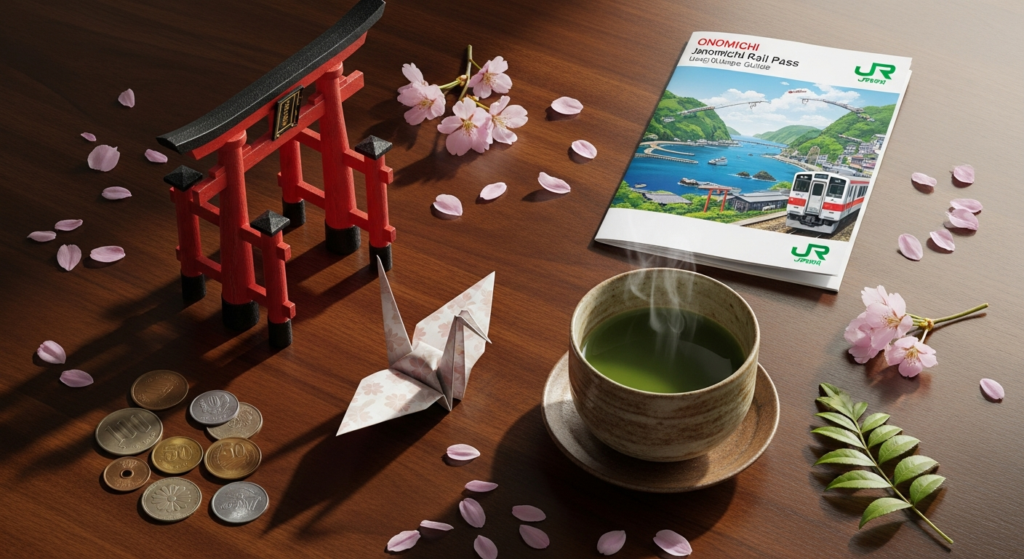
The Ultimate Onomichi Spring Travel Guide: Cherry Blossoms, Coastal Cycling, and Nostalgic Charm
Nestled along the shimmering Seto Inland Sea in Hiroshima Prefecture, Onomichi is a city that feels as though it has been frozen in a more poetic era. Known as the “Hillside City,” Onomichi is a labyrinth of narrow, winding alleys, ancient stone stairways, and historic temples that cling to the steep slopes overlooking the Onomichi Channel. While beautiful year-round, spring transforms this nostalgic port town into a pastel-hued dream. As the cherry blossoms (sakura) erupt in soft pink clouds against the deep blue of the sea, the air carries the scent of salt and blooming citrus.
Whether you are a cyclist preparing to conquer the world-famous Shimanami Kaido, a film buff seeking the locations of classic Japanese cinema, or a traveler looking to escape the frantic pace of Tokyo, Onomichi offers a soulful reprieve. Spring provides the perfect temperature for exploring—neither too cold for the hillside walks nor too humid for the coastal rides. From the “Cat Alley” to the panoramic vistas of Senkoji Park, this guide will help you navigate the best of Onomichi during its most enchanting season.
1. Springtime Splendor: Cherry Blossom Viewing at Senkoji Park
In Japan, the arrival of spring is synonymous with *hanami* (flower viewing), and Onomichi hosts one of the most spectacular displays in the country. **Senkoji Park**, perched at the summit of the city’s central hill, is officially recognized as one of Japan’s “Top 100 Cherry Blossom Spots.”
Between late March and early April, approximately 1,500 cherry trees—including the fluffy *Somei Yoshino* and weeping *Shidare-zakura* varieties—blanket the mountainside. The most iconic way to reach the summit is via the **Senkoji Ropeway**. As the glass cabin ascends, you are treated to a breathtaking aerial view: a canopy of pink blossoms framed by the blue water and the silhouettes of the islands of the Seto Inland Sea.
Once at the top, visit the **Senkoji Observatory (PEAK)**. Redesigned in recent years, this modern, sleek walkway offers a 360-degree panorama that is particularly stunning at sunset. For a more traditional experience, walk down from the summit through the temple grounds. The vermillion-lacquered main hall of Senkoji Temple, seemingly perched on a cliffside, creates a striking contrast against the soft pink petals. Don’t miss the night illuminations, where the trees are lit up, casting a magical, ethereal glow over the city below.
2. Cycling the Shimanami Kaido: A Spring Adventure
Onomichi is the gateway to the **Shimanami Kaido**, a 70-kilometer cycling route that connects Honshu (Japan’s main island) to Shikoku across six beautiful islands. Spring is arguably the best time to embark on this journey. The sea breezes are refreshing rather than biting, and the islands are lush with new greenery and spring citrus.
For a casual traveler, you don’t need to cycle the entire 70km to Shikoku. Many visitors enjoy a half-day trip to **Mukaishima** or **Innoshima**.
3. The Temple Walk and the Path of Cats
Onomichi’s geography is defined by its slopes, which are crisscrossed by the **Temple Walk (Koji-dera Meguri)**. This 2.5-kilometer route connects 25 different temples, each with its own architectural style and historical significance.
One of the most impressive is **Saigoku-ji Temple**, famous for the giant straw sandals (*o-waraji*) hanging on its gate—a symbol of the pilgrims who visit to pray for healthy legs. In spring, the temple’s long stone staircase is lined with cherry trees, making the climb feel like a walk through a floral tunnel.
For those who prefer a more whimsical journey, seek out **Neko no Hosomichi (Cat Alley)**. Onomichi is famous for its large population of friendly stray cats, and this narrow, moss-covered backstreet is their kingdom. The alley is decorated with “Fuku-ishi-neko” (lucky stone cats) painted by local artist Shunji Sonoyama. You’ll find hidden cafes, tiny art galleries, and actual felines lounging in the spring sun. It is a photographer’s paradise and embodies the “slow travel” philosophy that Onomichi encourages.
4. Seasonal Flavors: From Onomichi Ramen to Spring Seafood
No trip to Onomichi is complete without indulging in the local culinary scene, which takes full advantage of the region’s coastal bounty.
5. Exploring the Retro Shopping Arcades and Waterfront
Onomichi’s charm isn’t just on the hills; it’s also in the **Hondori Shopping Arcade**. This covered street stretches for over a kilometer and is a mix of “Showa-retro” shops and trendy new businesses.
In spring, the arcade becomes a hub for locals preparing for festivals. You can find traditional tea houses that have been in operation for decades sitting right next to modern specialty coffee roasters like **ONOMICHI SHARE**.
6. Planning Your Logistics: Getting to Onomichi
Reaching Onomichi is relatively straightforward, but there are some nuances to keep in mind regarding the train stations.
—
FAQ: Frequently Asked Questions
Q: When is the best time to see cherry blossoms in Onomichi in 2026?
A: While the exact timing depends on the weather, the “full bloom” (*mankai*) in Onomichi typically occurs between March 31st and April 7th. To be safe, planning your visit for the first week of April usually guarantees a beautiful display.
Q: Is Onomichi suitable for travelers with mobility issues?
A: The hillside areas and the Temple Walk involve many steep stone stairs and narrow paths that are not wheelchair accessible. However, the waterfront area, the Hondori Shopping Arcade, and Onomichi U2 are flat and very accessible. The Senkoji Ropeway is also an excellent way for those with limited mobility to enjoy the views without the climb.
Q: Can I do the Shimanami Kaido as a day trip from Onomichi?
A: Yes! Most casual cyclists ride to the first or second island (Mukaishima or Innoshima) and return to Onomichi by ferry or bike. If you wish to cycle the full 70km to Imabari, it is highly recommended to start early in the morning or plan for an overnight stay on one of the islands like Ikuchijima.
Q: Do I need to book ramen shops in advance?
A: Most traditional Onomichi ramen shops do not take reservations and operate on a first-come, first-served basis. During the peak spring season, popular shops like *Ichibanya* or *Tayu-tayu* may have lines of 30-60 minutes during lunch hours. Try eating at “off-peak” times (like 11:00 AM or 2:30 PM) to avoid the longest waits.
Q: Where should I stay in Onomichi?
A: For a modern, trendy experience, **Hotel Cycle** inside Onomichi U2 is fantastic. If you prefer a traditional experience, look for *ryokans* or renovated *kominka* (traditional guest houses) on the hillside, such as **Mihasaya**. Staying on the hill provides incredible sunrise views over the islands but does require carrying your luggage up the stairs (many guesthouses offer luggage porter services).
—
Conclusion: Making the Most of Your Onomichi Spring Trip
Onomichi is a city that rewards those who take their time. In the spring of 2026, as you plan your journey through the Setouchi region, ensure you dedicate at least two full days to this hillside gem. The combination of the salt-tinged air, the pink cherry blossoms, and the rhythmic sound of ferry engines creates an atmosphere unlike anywhere else in Japan.
Final Planning Tips:
Whether you are capturing the perfect photo of a temple framed by blossoms or pedaling across a bridge suspended high above the Seto Inland Sea, Onomichi in spring is an experience that lingers in the heart long after the petals have fallen. Pack your camera, rent a bicycle, and prepare to fall in love with Japan’s most sentimental city.