


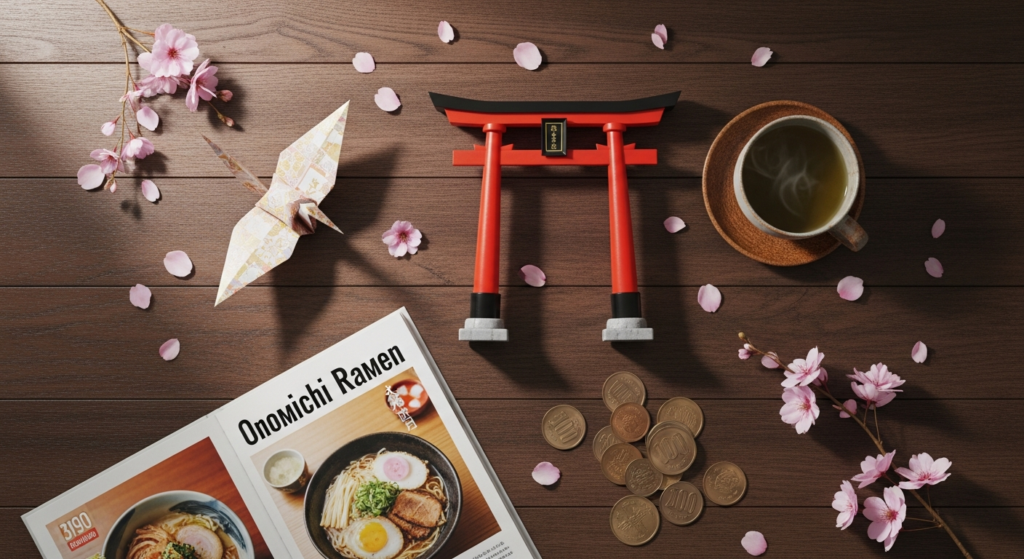
Onomichi, a picturesque port city nestled along the Seto Inland Sea in Hiroshima Prefecture, is famed for its ancient temples, winding lanes, and breathtaking views. But for many discerning travelers, it’s also a pilgrimage site for ramen enthusiasts. Onomichi ramen stands proudly among Japan’s diverse regional ramen varieties, celebrated for its distinctive characteristics that set it apart. Forget everything you thought you knew about ramen; Onomichi is about to surprise and delight you with its subtle complexities and comforting depth.
What Makes Onomichi Ramen Truly Unique? The Anatomy of a Masterpiece
To truly appreciate Onomichi ramen, we must first dissect its fundamental components. Unlike the rich, cloudy tonkotsu (pork bone) broth of Kyushu or the miso-based bowls of Hokkaido, Onomichi ramen presents a refined, yet profoundly satisfying, experience. It’s a harmonious symphony of flavors and textures, meticulously crafted to represent the soul of this coastal city.
The Broth: A Symphony of Soy Sauce and Seafood
The heart and soul of Onomichi ramen lie in its broth, known as shōyu-dare (soy sauce base). This isn’t just any soy sauce broth; it’s a carefully balanced concoction, typically made with a blend of chicken bones, various vegetables, and, crucially, fresh seafood sourced from the Seto Inland Sea. Common seafood additions include small fish like anchovies (niboshi) or sardines, giving the broth a delicate yet profound umami depth that is distinctly oceanic without being overtly “fishy.” The resulting liquid is clear, light golden-brown, and remarkably savory, offering a clean finish that belies its complexity.
But there’s a secret ingredient that gives Onomichi ramen its signature punch: pork backfat (senaka-abura). These tiny, shimmering cubes of rendered pork fat float atop the broth, melting ever so slightly as you eat, imparting a rich, luscious mouthfeel and a subtle sweetness without making the broth heavy or greasy. It’s this contrast – the clean, seafood-infused soy broth elevated by the delicate richness of the pork backfat – that defines the Onomichi ramen experience.
The Noodles: Flat, Chewy, and Perfectly Paired
The Toppings: Classic Comforts
While the broth and noodles are the stars, the toppings provide essential supporting roles, adding texture and reinforcing the overall flavor profile. A typical bowl of Onomichi ramen will feature:
- Chashu (Char Siu Pork): Thinly sliced, tender braised pork belly that melts in your mouth, adding a savory, meaty element.
- Menma (Bamboo Shoots): Fermented bamboo shoots, providing a slight crunch and an earthy, tangy counterpoint.
- Negi (Green Onions): Finely chopped green onions (scallions) offer a fresh, pungent aroma and a vibrant splash of color.
- Kamaboko (Fish Cake): Sometimes, you might find a slice of pink-swirled fish cake, a nod to Onomichi’s coastal heritage.
Together, these elements create a bowl of ramen that is at once comforting, invigorating, and deeply satisfying – a true taste of Onomichi.
A Journey Through Time: The Origins of Onomichi Ramen
The story of Onomichi ramen is intertwined with the city’s post-war history. While the exact origins are debated, it’s widely believed that the foundations of modern Onomichi ramen were laid in the 1940s and 50s. Onomichi, being a bustling port town, was a hub for various goods and people, including many Korean residents who had settled in the area. One of the early pioneers often credited with popularizing the style is a shop called Chūka Soba Kirikoshi (中華そば 菊池), founded by a Korean resident, Kikuchi Takeo. His style of ramen, featuring a soy-sauce based broth with a hint of seafood and the distinctive pork backfat, resonated deeply with the local palate.
As Onomichi prospered, so did its ramen culture. More shops opened, each putting its own subtle spin on the core ingredients, but always adhering to the fundamental principles that define the style. The local love for ramen grew, cementing its place as Onomichi’s signature dish. Today, it’s not just a meal; it’s a culinary heritage, a source of local pride, and a delicious reason for travelers to visit.
The Onomichi Ramen Trail: Must-Visit Shops for an Authentic Experience
With countless ramen shops dotting the city, finding “the best” can feel daunting. However, several establishments have earned legendary status, offering quintessential Onomichi ramen experiences. Here are a few must-visit spots that should be on every ramen lover’s itinerary:
1. Ramen Marubun (尾道ラーメン 丸文)
Often considered the quintessential Onomichi ramen experience, Marubun consistently garners high praise. Their broth is famously rich yet clear, with a generous sprinkle of pork backfat that gives it a wonderfully smooth texture. The shop often has a line, a testament to its popularity, but the wait is always worth it. Marubun’s dedication to tradition is evident in every meticulously crafted bowl.
2. Shūkaen (朱華園) – Currently Closed
(Editor’s Note: As of early 2024, Shūkaen, a legendary and historically significant Onomichi ramen shop, has unfortunately closed its doors permanently. It was for decades a cornerstone of the Onomichi ramen scene, renowned for its extremely rich and distinct broth. While it can no longer be visited, its legacy remains a vital part of Onomichi ramen history.)
3. Onomichi Ramen Ichibankan (尾道ラーメン 一番館)
Located conveniently near Onomichi Station, Ichibankan is a popular choice for visitors arriving by train. They serve a very solid, classic Onomichi ramen, characterized by a well-balanced soy sauce broth and the signature backfat. It’s a great option for those seeking an authentic taste right off the bat, or for a quick, satisfying meal before continuing their journey through Onomichi.
4. Miyachi Ramen (宮地ラーメン)
A beloved local haunt, Miyachi Ramen offers a slightly more rustic and homely take on Onomichi ramen. The shop has a charming, old-school atmosphere, and its ramen is known for a broth that leans a little heavier on the chicken and vegetable notes, still perfectly complemented by the pork backfat. It’s a fantastic spot to experience Onomichi ramen in a truly local setting, away from some of the more tourist-heavy spots.
5. Honten Ramen Shop (本点ラーメン)
Another strong contender, Honten Ramen Shop offers a consistently high-quality bowl. Their broth is known for its fragrant depth and excellent balance of seafood umami and soy sauce savoriness, again with the essential backfat pearls. It’s a comfortable, welcoming spot that delivers a genuinely satisfying Onomichi ramen experience every time.
When choosing a shop, don’t be afraid to try a few! Each establishment, while adhering to the core tenets of Onomichi ramen, has its own subtle nuances and secret techniques that make for a unique experience. This is part of the joy of exploring the Onomichi ramen landscape.
Beyond the Bowl: Mastering the Ramen Experience in Onomichi
Eating ramen in Japan is more than just a meal; it’s a cultural experience. To fully appreciate your Onomichi ramen adventure, here are some practical tips and cultural insights.
Navigating the Ordering Process
Most ramen shops in Japan, including many in Onomichi, use a ticket vending machine (shokkenki, 食券機) system. It might seem intimidating at first, but it’s straightforward:
- Insert Cash: Look for the slot to insert Japanese yen. Most machines accept ¥1000 bills and coins.
- Select Your Ramen: The largest, most prominent button is usually the standard ramen (ramen or chūka soba). You might see options for extra toppings like chashu-men (extra pork), ajitama (flavored egg), or ōmori (large portion).
- Collect Your Ticket(s): Once you’ve made your selection, a ticket will print, and any change will be dispensed.
- Hand Over Your Ticket: Find a seat and hand your ticket to the staff. They’ll likely ask if you have any special requests (e.g., noodle firmness, less oil), but if you don’t speak Japanese, simply passing the ticket is sufficient.
In smaller, older shops, you might order directly from a staff member, often paying immediately or after your meal. Look for a menu (sometimes with pictures!) or simply point to another customer’s bowl if you like what you see.
Ramen Etiquette: Slurp Away!
Don’t be shy – slurping your noodles is not only acceptable but often encouraged in Japan! It shows appreciation for the chef and is believed to enhance the flavor by aerating the noodles and broth. Beyond that:
- Eat Promptly: Ramen is best enjoyed hot. Don’t let it sit too long.
- Use Chopsticks and Spoon: Use chopsticks for noodles and toppings, and the ceramic spoon (renge, 蓮華) for the broth.
- Finish the Broth (if you can): While not mandatory, finishing the broth is often seen as a sign of ultimate satisfaction.
- Don’t Share (Usually): Ordering one bowl per person is standard, even if you’re not particularly hungry.
- Say “Gochisōsama deshita”: A polite “Thank you for the meal” (ごちそうさまでした) as you leave is always appreciated.
Side Dishes and Other Delights
While Onomichi ramen is a hearty meal on its own, many shops offer delicious accompaniments:
- Gyoza (餃子): Pan-fried dumplings, a perfect crispy, savory complement.
- Rice (ご飯): A small bowl of rice is excellent for soaking up any remaining broth.
- Beer (ビール): A cold Japanese beer (like Asahi or Sapporo) pairs wonderfully with ramen, especially after a long day of sightseeing in Onomichi.
Practical Tips for Your Onomichi Ramen Adventure
To ensure your Onomichi ramen experience is as smooth and delicious as possible, keep these tips in mind:
- Cash is King: While some larger shops might accept credit cards, many traditional ramen shops, especially the smaller ones, are cash-only. Always carry enough yen.
- Peak Hours: Lunch (12:00 PM – 1:30 PM) and dinner (6:00 PM – 8:00 PM) times can be very busy, leading to queues. If you prefer a quieter experience, try to visit slightly before or after these peak times.
- Dietary Restrictions: Onomichi ramen, with its pork backfat and seafood-infused broth, is generally not suitable for vegetarians or vegans. Gluten-free options are also extremely rare. If you have specific dietary needs, research shops thoroughly beforehand or consider other local delicacies.
- Learn Basic Phrases: Even a few Japanese phrases can go a long way. “Sumimasen” (Excuse me/Sorry) to get attention, “Arigato gozaimasu” (Thank you very much), and “Oishii!” (Delicious!) will make a positive impression.
- Explore the Surroundings: Onomichi’s ramen shops are often nestled within charming areas. Plan to explore the temple walk, the retro shopping streets, or the waterfront promenade before or after your meal to truly savor the atmosphere.
Conclusion: Your Onomichi Ramen Awaits!
As you can see, Onomichi ramen is far more than just a bowl of noodles; it’s a culinary journey, a taste of history, and a reflection of Onomichi’s unique coastal charm. From its meticulously crafted soy-sauce and seafood broth to its perfectly chewy noodles and signature pork backfat, every element contributes to an unforgettable dining experience.
We at Onomichi Guide wholeheartedly encourage you to dive headfirst into this delicious tradition. Wander the historic streets, soak in the scenic beauty, and then reward yourself with a steaming, savory bowl of Onomichi ramen. Whether you’re a seasoned ramen aficionado or a curious first-timer, this comprehensive Onomichi ramen guide has equipped you with everything you need to embark on a truly satisfying gastronomic adventure. Itadakimasu! (Let’s eat!)