


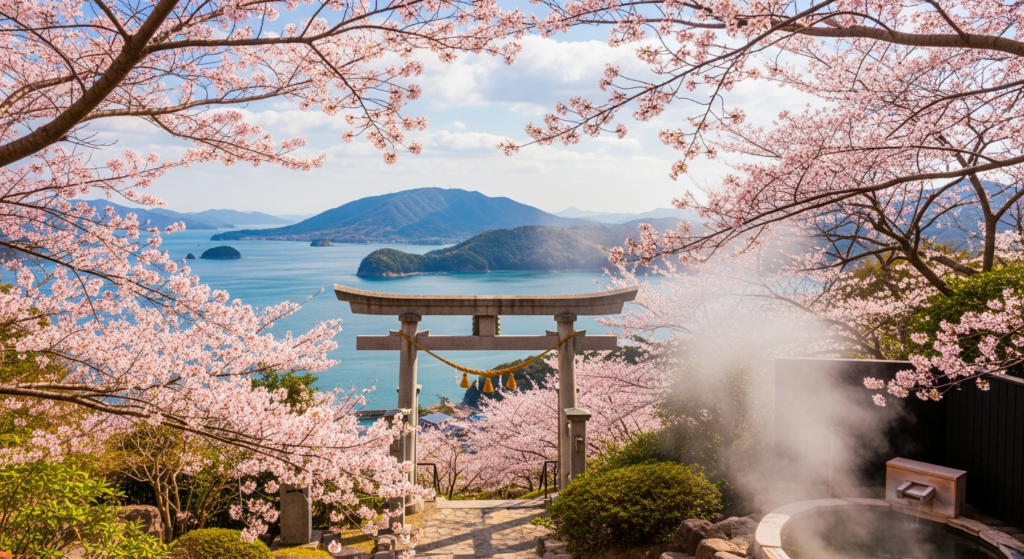
The Ultimate Onomichi Port View Hotel and Accommodation Guide: Where to Stay in Japan’s Nostalgic Seaside Town
Onomichi is a city that feels as though it has been frozen in a more poetic era of Japanese history. Tucked away in Hiroshima Prefecture along the sparkling Seto Inland Sea, this port town is defined by its steep, winding slopes, hidden temples, and a labyrinth of narrow alleys where cats outnumber people. For travelers planning a journey through the Setouchi region in 2026, Onomichi serves as more than just a stopover; it is a destination that demands a slow pace and a keen eye for detail. Whether you are a cyclist preparing to tackle the world-famous Shimanami Kaido or a soul-searcher looking for the cinematic views that inspired directors like Yasujiro Ozu, choosing the right accommodation is paramount.
The magic of Onomichi lies in its geography. The town is squeezed between the mountains and the sea, creating a vertical landscape where almost every window offers a glimpse of the blue channel and the cranes of the shipyards across the water. From renovated chic warehouses to traditional ryokans perched on the hillside, the “port view” is the ultimate luxury here. This comprehensive guide explores the best Onomichi port view hotels and accommodations, providing the practical insights you need to navigate this enchanting coastal gem.
1. Why Stay in Onomichi? The Gateway to the Shimanami Kaido and Beyond
Onomichi occupies a unique cultural space in Japan. Unlike the neon-soaked streets of Tokyo or the manicured perfection of Kyoto, Onomichi is earthy, nostalgic, and deeply authentic. Its most famous draw is the Shimanami Kaido, a 60-kilometer cycling route that connects Honshu to Shikoku via a series of magnificent bridges and small islands. Staying in a port view hotel allows you to witness the early morning bustle of cyclists preparing for their journey and the rhythmic arrival of ferries that serve as the lifeblood of the Setouchi islands.
Beyond cycling, Onomichi is a town of literature and film. It has long been a retreat for writers and directors drawn to its “Showa-era” (mid-20th century) atmosphere. When you stay here, you aren’t just booking a room; you are immersing yourself in a living museum. The port area has recently undergone a sophisticated transformation, with old maritime warehouses being converted into boutique hotels, bakeries, and art spaces. This blend of gritty industrial history and modern aesthetic makes Onomichi one of the most trendy yet traditional spots in Western Japan.
2. Top Port View Hotels: Luxury, Boutique, and Traditional Stays
When searching for the perfect Onomichi port view hotel, you generally have two choices: staying level with the water at the port or climbing the hills for a panoramic vantage point.
The Modern Icon: ONOMICHI U2 (Hotel Cycle)
For the modern traveler, **ONOMICHI U2** is the gold standard. Located in a converted seaside warehouse, this boutique hotel is specifically designed for cyclists but appeals to anyone with an eye for industrial-chic design. The rooms are sleek, featuring high ceilings and dark wood accents. Because it sits directly on the waterfront, the “port view” here is immediate—you can hear the gentle lap of the water against the pier. It features a high-end restaurant, a bakery (the smell of fresh bread in the morning is legendary), and a Giant bicycle shop.
The Hillside Heritage: Ryokan options
If you prefer a more traditional Japanese experience with a sweeping bird’s-eye view of the port, look toward the slopes. Accommodations like **Senkouji Sanso** offer traditional tatami rooms with large windows overlooking the entire Onomichi Channel. Watching the lights of the shipyards across the water at night from a hillside ryokan is a quintessential Onomichi experience. These stays often include “Kaiseki” (multi-course) meals featuring fresh seafood from the Seto Inland Sea, such as sea bream and octopus.
Boutique Luxury: Bella Vista Marina & Spa
For those willing to stay slightly outside the central port area (about 20 minutes by shuttle), **Bella Vista Marina & Spa** offers the most luxurious views in the region. Every room faces the sea, and the hotel features a famous “Ribbon Chapel” and an infinity deck with a fire pit that looks out over the scattered islands of the Setouchi. It is the pinnacle of the “Setouchi Resort” lifestyle.
3. The “Slope vs. Port” Dilemma: Practical Tips for Choosing Your Location
Deciding where to stay in Onomichi requires a bit of physical strategy. The town is divided by the JR Sanyo Main Line tracks.
The Port Side (Lower Level):
The Slope Side (Upper Level):
**Pro Tip:** If you choose a hillside stay, use the **Takkyubin (Luggage Delivery Service)** to send your large suitcases from your previous city (like Osaka or Hiroshima) directly to your hotel. Carrying a 20kg suitcase up the stone steps of Onomichi is a mistake you only make once!
4. Exploring the Neighborhood: Must-See Spots Near Your Hotel
No matter where you stay, the highlights of Onomichi are easily accessible on foot or by a short ferry ride.
5. Logistics: Getting to Onomichi and Navigating the Region
Reaching Onomichi is relatively straightforward, but there is one nuance that often trips up first-time visitors: the difference between **Onomichi Station** and **Shin-Onomichi Station**.
**Travel Strategy:** If you are coming from Kyoto or Osaka via Shinkansen, take the train to **Fukuyama Station**, then switch to a local JR line for the 20-minute ride to Onomichi Station. This lands you right in the center of the port area, usually within walking distance of most port view hotels.
For getting around the region, the ferries are your best friend. They are inexpensive (often just 100-200 yen) and allow you to cross the channel to Mukaishima in just a few minutes. If you are planning to explore the islands but don’t want to cycle the whole way, look into the “Setouchi Cruising” ferries which can take you further out to Ikuchijima (famous for its lemons and the Kosanji Temple).
6. Cultural Context: The Artistic Soul of the Setouchi
To truly appreciate your stay in Onomichi, it helps to understand its role in the **Setouchi Triennale** and the broader regional art movement. While the main Triennale festivals take place on islands like Naoshima and Teshima, Onomichi serves as a cultural satellite.
The town has a long-standing tradition of “Akiya” (vacant house) renovation projects. Many of the boutique guesthouses and cafes you see today were once crumbling residences brought back to life by artists and young entrepreneurs. This spirit of creative preservation is what gives Onomichi its unique “shabby-chic” aesthetic. When you stay in a renovated port view guesthouse, you are directly supporting a community-led effort to maintain the town’s architectural heritage against the pressures of modern urbanization.
In 2026, visitors will find even more of these integrated spaces. The city has been leaning into “Workation” (work + vacation) trends, so many accommodations now offer high-speed Wi-Fi and dedicated desk spaces that overlook the water—making it a dream destination for digital nomads.
FAQ: Planning Your Onomichi Trip
Q1: What is the best month to visit Onomichi?
A: Spring (late March to early April) is stunning for cherry blossoms, particularly in Senkoji Park. However, October and November are arguably the best months for cycling and enjoying the port views, as the air is crisp, the skies are clear, and the humidity of the Japanese summer has faded.
Q2: Can I rent a bicycle if I’m not a serious cyclist?
A: Absolutely. The Shimanami Kaido rental system is very user-friendly. You can rent “cross bikes” or electric-assist bicycles (E-bikes) at the terminal near Onomichi Station and drop them off at various terminals on the islands if you don’t want to ride the full 60km.
Q3: Is one night enough to stay in Onomichi?
A: While you can see the main sights in a day, we recommend at least two nights. This gives you one full day for the Temple Walk and town exploration, and another full day for cycling or island hopping. Watching the port wake up two mornings in a row is much more relaxing.
Q4: Is Onomichi English-friendly?
A: Yes, very much so. Due to the international popularity of the Shimanami Kaido, most hotels, major restaurants, and bike rental shops have English-speaking staff or English menus.
Q5: How do I handle the stairs if I have mobility issues?
A: If stairs are a concern, strictly book a hotel on the “Port Side” (near the station or the U2 warehouse). You can still enjoy the hillside views by taking the **Senkoji Ropeway**, which whisks you to the top of the mountain without any climbing required.
Conclusion: Final Tips for Your Onomichi Adventure
Onomichi is a rare destination that rewards the curious and the slow-paced. When booking your accommodation, remember that the “port view” isn’t just about the scenery—it’s about the connection to the maritime heartbeat of the Seto Inland Sea.
Trip Planning Checklist for 2026:
1. **Book early:** The best port view hotels like Onomichi U2 and boutique hillside guesthouses often book out months in advance, especially for weekends and holidays.
2. **Pack light or use Takkyubin:** Save your energy for the Temple Walk, not for hauling suitcases.
3. **Check the Ropeway schedule:** The ropeway is the easiest way to catch the sunset from the top, but it usually stops running shortly after dusk.
4. **Explore the islands:** Even if you don’t cycle, take a ferry. The perspective of Onomichi from the water is just as beautiful as the view of the water from the town.
Whether you are sipping coffee at a waterfront cafe or watching the shipyard lights flicker from your ryokan balcony, Onomichi offers a sense of peace that is hard to find elsewhere. It is a town of shadows and light, of sea and stone, and it remains one of the most unforgettable stops on any Japanese itinerary.