The Ultimate Onomichi Local Specialty Foods and Snacks Guide: A Taste of the Seto Inland Sea
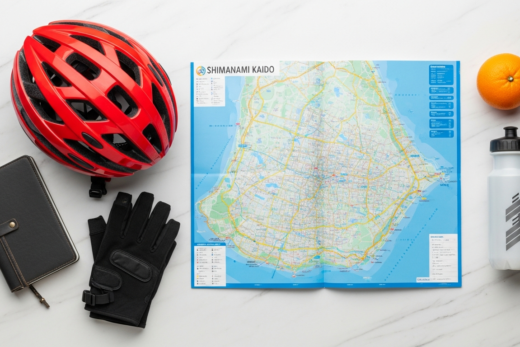
Tucked between the steep, temple-laden hills of Hiroshima Prefecture and the shimmering blue waters of the Seto Inland Sea, Onomichi is a city that feels frozen in a more nostalgic era of Japan. Known for its winding “Cat Alley” slopes, its status as the gateway to the Shimanami Kaido cycling route, and its cinematic history, Onomichi offers a sensory experience unlike any other in the region. But for the discerning traveler, the true heart of Onomichi is found in its kitchens, steam-filled ramen shops, and century-old confectioneries.
The food culture here is a reflection of its geography—a rugged coastal town where the mountain meets the sea. Here, the citrus-scented breeze from the lemon groves of nearby islands mingles with the savory aroma of soy-sauce-based ramen broth. Whether you are refueling after a long bike ride or wandering the retro *shotengai* (shopping arcade), eating in Onomichi is an exploration of “Setouchi” flavors: fresh, seasonal, and deeply rooted in local tradition. This guide will take you through the must-eat local specialties and snacks that define this charming port city in 2026 and beyond.
1. The Soul of the Port: Understanding Onomichi Ramen
You cannot visit Onomichi without eating a bowl of its namesake ramen. Unlike the creamy, heavy tonkotsu of Kyushu or the miso-rich bowls of Hokkaido, Onomichi Ramen is a celebration of the sea and the soy sauce tradition of the Chugoku region.
The base of a classic Onomichi Ramen is a clear, dark “double soup.” It blends a rich chicken carcass broth with a delicate dashi made from local dried baby sardines (*iriko*) from the Seto Inland Sea. However, the defining characteristic is the addition of large, melt-in-your-mouth chunks of back fat (*seburan*). This fat adds a luxurious sweetness and richness to the otherwise salty soy base, ensuring the soup stays piping hot even in the coastal winter wind.
Where to eat:
For a legendary experience, look for **Onomichi Ramen Ichibankan**. Their noodles are aged to provide a firm, chewy texture that holds up against the rich broth. Another local favorite is **Miyachi**, a tiny, nostalgic shop located inside the covered arcade. It’s famous not just for its ramen, but for its “Ten-pu-ra Ramen”—a unique fusion where a crispy shrimp fritter sits atop the soy-sauce broth.
**Visitor Tip:** Most popular ramen shops in Onomichi have long queues, especially on weekends. Plan to arrive either 15 minutes before opening or during the “off-peak” hours between 2:30 PM and 4:30 PM.
2. Liquid Gold: The Setouchi Lemon Revolution
Hiroshima Prefecture is the leading producer of lemons in Japan, and the islands surrounding Onomichi—particularly Ikuchijima—are carpeted in citrus groves. This has led to a “lemon boom” in Onomichi that permeates every category of food. These aren’t just any lemons; Setouchi lemons are known for being sweeter and having a less harsh acidity than imported varieties, and many are grown organically so the rinds can be eaten.
In the Onomichi *shotengai*, you will find everything from lemon-infused salt and lemon-pepper seasoning to lemon-flavored squid snacks (*Ika-ten*). One of the most sought-after snacks is the **Lemon Cake**. This is a nostalgic Japanese sweet shaped like a lemon, typically consisting of a light sponge cake coated in a thin layer of lemon-flavored white chocolate.
**Local Recommendation:** Seek out **Shimabi** or the various stalls near the ferry terminal for a “Lemon Squash”—a refreshing, fizzy lemonade made with real fruit pulp. It is the quintessential drink for anyone starting or finishing the Shimanami Kaido cycling trek. For a savory twist, try lemon-infused olive oil, a product of the Mediterranean-like climate of the Inland Sea islands.
3. A Taste of the Sea: Fresh Seafood and Kamaboko
Being a port town, Onomichi’s seafood is spectacularly fresh. While Hiroshima is world-famous for its oysters, Onomichi’s specialty lies in its “small fish” and white-fleshed seafood. **Anago** (conger eel) is a local delicacy here. Often compared to Unagi (freshwater eel), Anago is leaner, softer, and has a more refined sweetness. You’ll find it served as *Anago-meshi*—grilled eel over rice seasoned with the broth made from eel bones.
Another staple of the Onomichi waterfront is **Kamaboko** (steamed fish cake). **Keimon Kamaboko** is a historic shop that has been operating for over a century. Their fish cakes are handmade using traditional methods, resulting in a firm, “snappy” texture that is highly prized.
**What to try:** Look for *Gosu-ten*, a fried fish cake mixed with vegetables or ginger. It’s the perfect portable snack to eat while walking along the Uonahama (Fish Port) boardwalk. If you’re visiting in the cooler months, look for local restaurants serving *Okoze* (stonefish)—it looks intimidating with its spikes, but the white meat is incredibly tender and often served as sashimi or in a hot pot.
4. The Sweet Life: Onomichi’s Retro Desserts and Puddings
Onomichi has a distinct “Showa-era” (mid-20th century) charm, and nothing reflects this better than its dessert scene. The city has become a hotspot for “pudding” lovers, thanks to the social media fame of **Oyatsu to Yamaneko** (Snacks and Wildcat).
Located near the train station, this tiny shop sells “Onomichi Pudding” in iconic glass jars decorated with a red cat. What makes it special is the small fish-shaped container of syrup that comes with it. Instead of caramel, the syrup is made from locally sourced lemons or bitter oranges. The creaminess of the milk pudding combined with the sharp citrus tang is a revelation.
**The Cafe Scene:** Because Onomichi is a city of slopes, there are countless hidden cafes tucked away in old renovated houses (*kominka*). **Common**, located near the bottom of the Senkoji Ropeway, is famous for its thick, fluffy waffles. Meanwhile, **Yamaneko Mill** offers a more modern take on local sweets, including vegan-friendly options and specialty coffee that overlooks the channel.
5. Beyond the Bowl: Craft Beer and Hiroshima Sake
To wash down all that ramen and seafood, Onomichi offers a burgeoning craft beverage scene. While the nearby town of Saijo is the “Sake Capital” of Hiroshima, Onomichi holds its own with unique local offerings.
**Onomichi Brewery** is a must-visit for beer enthusiasts. Housed in a renovated storehouse that is over 100 years old, they brew beers infused with local ingredients. You might find a “Lemon Ale,” a “Bitter Orange IPA,” or even beers brewed with local tea leaves. The interior preserves the original wooden beams and stone floors, providing an atmosphere that is uniquely Onomichi.
For sake lovers, the region produces a “soft water” sake that is exceptionally smooth. Look for local labels like **Pompari** or varieties from nearby **Mihara**. Many of the small *izakayas* along the waterfront serve these in traditional cedar boxes (*masu*), often accompanied by a small plate of *Tsukudani* (seafood simmered in soy and sugar), a perfect salty pairing for the sweet sake.
6. Navigating the Shotengai: A Street Food Safari
The Onomichi Shotengai is a covered shopping street that stretches for over a kilometer. It is the lifeblood of the city’s food scene. Walking from the Onomichi Station end toward the eastern temples, you can embark on a “street food safari.”
**Visitor Tip:** While Japan generally discourages “eating while walking,” in the Onomichi shotengai and along the waterfront, it is quite common. Just be sure to dispose of your trash at the shop where you purchased the food, as public trash cans are rare.
—
FAQ: Planning Your Onomichi Food Journey
Q1: Is Onomichi Ramen vegetarian or vegan friendly?
**A:** Generally, no. Traditional Onomichi Ramen relies heavily on chicken/pork broth and fish dashi, and the “back fat” is a mandatory component for the authentic style. However, in recent years, a few modern cafes like **Tany’s** or shops within **ONOMICHI U2** have begun offering plant-based options. It is always best to check menus in advance.
Q2: What is the best time of year for foodies to visit?
**A:** Winter (December to February) is peak season for Setouchi lemons and oysters. Spring is wonderful for sea bream (*Tai*). If you want the widest variety of citrus, late winter and early spring are unbeatable.
Q3: How much should I budget for food in Onomichi?
**A:** Onomichi is very affordable. A bowl of ramen costs between 700 and 1,100 JPY. Puddings and snacks are usually under 500 JPY. A full seafood dinner with drinks will typically range from 3,000 to 5,000 JPY per person.
Q4: Do I need to make reservations for restaurants?
**A:** For ramen shops, reservations are rarely accepted; you simply wait in line. For high-end *Anago* (eel) restaurants or specialized seafood spots, reservations are recommended on Friday and Saturday nights.
Q5: Can I find these foods near the Shimanami Kaido cycling path?
**A:** Yes! The path starts in Onomichi, and as you cycle across the bridges to Mukaishima and Ikuchijima, you will find “Cycle Oasis” stops that sell the same lemon cakes, citrus juices, and salt-flavored ice cream mentioned in this guide.
—
Conclusion: Tips for Your Onomichi Culinary Adventure
Eating your way through Onomichi is as much about the atmosphere as it is about the flavors. To make the most of your trip in 2026, keep these planning tips in mind:
1. **Wear Comfortable Shoes:** Onomichi is famous for its stairs and slopes. You will likely walk several miles a day exploring the temples and the arcade, which luckily helps work up an appetite for that second bowl of ramen.
2. **Stay Overnight:** Many tourists visit Onomichi as a day trip from Hiroshima or Okayama. However, the city truly comes alive in the evening when the day-trippers leave. Staying overnight allows you to experience the cozy *izakayas* and the beautiful night view of the channel.
3. **Check Closing Times:** Unlike Tokyo or Osaka, many shops in Onomichi close early. Some bakeries and pudding shops close as soon as they sell out, often by 4:00 PM. Plan your “must-eat” list for earlier in the day.
4. **Embrace the “Setouchi Time”:** The pace of life here is slower. Enjoy the view of the ferries crossing the narrow channel while you sip your lemon squash.
Onomichi is a city that rewards the curious. Whether you’re tucking into a steaming bowl of fat-topped ramen or peeling a fresh lemon from a roadside stand, the flavors here tell a story of a community that loves its land and its sea. Pack your appetite—the hills of Onomichi are calling.