


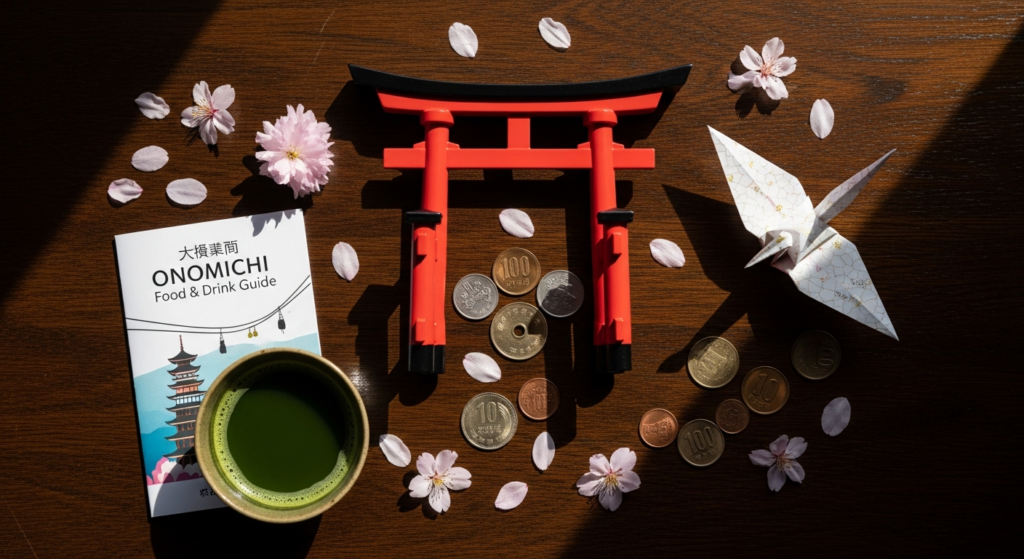
From the iconic slurp of a savory ramen to the delicate freshness of seafood caught just hours before, and from the comforting warmth of local sake to the sweet indulgence of handcrafted desserts, Onomichi’s food scene is as diverse as its landscapes. We’ll delve deep into the specialties that make dining here an unforgettable experience, offering insights, practical tips, and a taste of the authentic local culture that permeates every meal. Get ready to discover why Onomichi is not just a feast for the eyes, but a true paradise for the palate, perfectly complementing your Onomichi City Guide adventures.
Onomichi Ramen: The Unmistakable Heart of the City’s Cuisine
No visit to Onomichi would be complete without experiencing its most famous culinary ambassador: Onomichi Ramen. This regional specialty isn’t just a meal; it’s an institution, deeply woven into the fabric of the city’s identity. Unlike other ramen styles, Onomichi Ramen boasts a distinctive character that sets it apart and makes it an absolute must-try for any food enthusiast.
What defines Onomichi Ramen? At its core, it’s a soy sauce-based (shoyu) broth, often clear and light, but don’t let that fool you into thinking it lacks flavor. This broth is typically made from a blend of chicken bones and seafood stock, most notably featuring small fish from the Seto Inland Sea. The real star, however, and what gives Onomichi Ramen its signature richness and depth, are the glistening flakes of pork back fat, known as senabura (背脂). These delicate, melt-in-your-mouth pieces of fat float atop the broth, adding a luxurious sweetness and umami without making it overly greasy. The noodles are usually flat, straight, and medium-thin, providing a satisfying chew that perfectly complements the broth. Standard toppings include tender slices of roasted pork (chashu), crisp bamboo shoots (menma), and fresh green onions (negi).
The history of Onomichi Ramen traces back to the post-war era, with various local eateries developing their unique take on Chinese-style noodles. Over the decades, the distinct senabura style gained prominence, cementing its place as the city’s signature dish. Today, numerous ramen shops proudly serve their interpretations of Onomichi Ramen, each with loyal followers. While the core elements remain consistent, subtle variations in broth intensity, noodle texture, and chashu preparation offer endless opportunities for discovery. Exploring these different shops is an adventure in itself, allowing you to find your personal favorite among the many esteemed establishments. Don’t be shy about trying a few; it’s the best way to fully appreciate the nuanced world of Onomichi Ramen.
Finding Your Perfect Bowl: Tips for Ramen Hunters
- Follow the Locals: Long queues of Japanese customers are often the best indicator of a truly beloved ramen shop.
- Look for “尾道ラーメン”: This is the Japanese spelling for Onomichi Ramen. Many shops will have it prominently displayed.
- Explore Beyond the Main Street: While there are excellent shops near Onomichi Station, venturing into the backstreets can reveal hidden gems.
- Consider Lunch: Ramen is a popular lunch option, and many shops may close earlier in the evening or run out of broth.
Whether you’re warming up after a brisk walk through the temple path or refueling after cycling the Shimanami Kaido, a bowl of Onomichi Ramen is a culinary embrace you won’t soon forget.
Seafood Delights from the Seto Inland Sea (Setouchi): A Harvest of the Tides
Nestled along the tranquil shores of the Seto Inland Sea (Setouchi), Onomichi benefits immensely from the bountiful marine life thriving in these nutrient-rich waters. The seafood here is renowned for its exceptional freshness, delicate flavor, and incredible variety, making it a cornerstone of the local diet and an absolute highlight for any visiting food lover. From exquisite sashimi to hearty grilled dishes, the sea’s offerings are celebrated in every form.
One of the most prized catches is Setouchi Tai (瀬戸内鯛), or sea bream. Known for its firm, flaky white flesh and subtle sweetness, tai is considered a symbol of good fortune in Japan and is a staple in many celebratory meals. In Onomichi, you can enjoy tai as pristine sashimi, lightly grilled with a touch of salt (shioyaki), or simmered in a savory broth (nitsuke). Its delicate flavor truly shines when prepared simply, allowing the natural quality of the fish to take center stage.
Another local favorite is Anago (穴子), or sea eel. Unlike its freshwater counterpart unagi, anago has a lighter, more delicate taste and a softer texture. It’s frequently enjoyed atop sushi (nigiri), gently simmered and served with a sweet glaze, or expertly fried as tempura. The melt-in-your-mouth tenderness of Onomichi’s anago is a revelation, offering a refined taste of the sea.
The Seto Inland Sea is also famous for its Kaki (牡蠣), or oysters, particularly during the colder months. Hiroshima Prefecture is Japan’s largest producer of oysters, and the proximity of Onomichi means you can enjoy them incredibly fresh. Whether raw with a squeeze of lemon, grilled, fried (kaki-fry), or cooked in a hot pot, these plump, briny oysters are a seasonal treat not to be missed. Similarly, Tako (タコ), or octopus, thrives in these waters. Local octopus is known for its firm yet tender texture and rich flavor, often served as sashimi, in salads, or grilled. The famous “Tako no Iru Koen” (Octopus Park) nearby symbolizes its local importance.
Where to Savor Setouchi Seafood
- Izakaya and Traditional Restaurants: Many local izakaya (Japanese pubs) and traditional restaurants specialize in fresh seafood. Look for daily specials (osusume) that highlight the freshest catches.
- Donburi Shops: Seafood donburi (rice bowls) topped with a variety of fresh sashimi are a popular and satisfying option.
- Morning Markets: If you’re an early riser, checking out local fish markets (though less tourist-oriented than larger cities) can give you a glimpse of the daily haul.
Embrace the opportunity to taste the ocean’s bounty, prepared with skill and reverence for the ingredient itself. Each bite is a testament to Onomichi’s deep connection with the Seto Inland Sea.
Sweet Treats and Cafe Culture: A Walker’s Paradise
Beyond its savory delights, Onomichi boasts a charming sweet scene and a burgeoning cafe culture that perfectly complements its laid-back, artistic atmosphere. With its steep hills and winding pathways, Onomichi is a city best explored on foot, and what better way to punctuate your explorations than with a delightful treat and a refreshing beverage? The city’s unique blend of traditional Japanese sweets (wagashi) and modern, stylish cafes offers something for every sweet tooth.
One of the most beloved local specialties is anything made with Mikan (みかん), the Japanese mandarin orange. Hiroshima Prefecture, and particularly the islands of the Setouchi, are famous for their citrus fruits. During harvest season (autumn to winter), you’ll find an abundance of fresh mikan, but year-round, its refreshing flavor is infused into various sweets. Look for mikan jelly, ice cream, sorbet, and even unique mikan-flavored chocolates or traditional confections. The sweet-tart burst of mikan is incredibly invigorating and truly captures the essence of the Setouchi climate.
Another surprisingly popular treat in Onomichi is pudding. Several local shops and cafes have gained fame for their artisanal puddings, often made with locally sourced eggs and milk. These custards range from classic smooth vanilla to innovative flavors infused with regional ingredients like green tea (matcha), sesame, or even local fruits. Served in charming jars, they make for a perfect portable dessert or a lovely souvenir. The texture is usually incredibly silky, offering a comforting and satisfying sweetness.
Onomichi’s cafe scene has blossomed in recent years, with many establishments repurposing old buildings, including former warehouses and traditional Japanese houses (kominka), into stylish and cozy havens. These cafes often boast stunning views of the Seto Inland Sea, tranquil garden settings, or quirky, artistic interiors. They serve a wide array of excellent coffee, from carefully brewed drip coffee to espresso-based drinks, alongside local teas and other refreshing beverages. Many also offer light meals, sandwiches, and, of course, a tempting selection of cakes and pastries. Spending an afternoon in one of these cafes, sipping a warm drink and watching the boats glide by, is an essential Onomichi experience, especially after ascending the temple path.
Exploring Onomichi’s Sweet & Cafe Spots
- Along the Temple Path: Several cafes and sweet shops dot the scenic temple path, offering rewarding breaks with views.
- Near the Station and Waterfront: Modern cafes and souvenir shops with local sweets are plentiful in these easily accessible areas.
- Look for Local Bakeries: Don’t overlook smaller, independent bakeries for freshly baked goods and unique local pastries.
Allow yourself to wander, stumble upon a charming cafe, and indulge in the sweet side of Onomichi. It’s a delightful way to experience the city’s laid-back charm and artistic spirit.
Local Specialties and Savory Bites Beyond Ramen
While Onomichi Ramen and Setouchi seafood rightly claim much of the culinary spotlight, the city offers a diverse array of other savory delights and local specialties that are equally deserving of attention. Digging deeper into these lesser-known, but equally delicious, offerings provides a richer understanding of Onomichi’s regional flavors and culinary traditions. This is where you’ll discover more of the everyday comfort foods and unique ingredients that locals cherish.
One such regional variation to seek out is Onomichi Okonomiyaki. While Hiroshima is famous for its layered okonomiyaki (a savory pancake with noodles, cabbage, meat, and egg), Onomichi puts its own spin on this beloved dish. The distinguishing feature often involves a slightly different preparation, perhaps a unique sauce blend, or the inclusion of local seafood elements like octopus or oyster, especially when in season. Some styles might incorporate the famous senabura (pork back fat) found in Onomichi Ramen, adding an unexpected richness to the savory pancake. It’s a hearty, satisfying meal perfect for lunch or a casual dinner, offering a comforting taste of local ingenuity.
Given its agricultural surroundings, Onomichi also celebrates its seasonal produce. During spring, you might find dishes featuring fresh bamboo shoots (takenoko), while summer brings a bounty of eggplants, cucumbers, and tomatoes. Autumn is a time for mushrooms and root vegetables, and winter features hearty greens. Many local restaurants and izakaya pride themselves on using these fresh, seasonal ingredients in their daily specials, offering a true taste of the local land. Look for vegetable tempura, simmered dishes (nimono), or vibrant salads that showcase the region’s agricultural richness.
Beyond fresh produce, the Setouchi region is famous for its citrus. While we touched on mikan for sweets, other citrus fruits like Setouchi Lemon are used in savory applications. The bright, zesty flavor of local lemons can be found in salad dressings, marinades for grilled fish, or even in refreshing non-alcoholic beverages. Its distinct aroma and taste are a refreshing counterpoint to richer dishes and a testament to the region’s fertile soil and mild climate.
Discovering Hidden Culinary Gems
- Izakaya Menus: Don’t be afraid to ask for recommendations at local izakaya. They often have seasonal specials that showcase ingredients beyond the mainstays.
- “B-kyū Gurume” (B級グルメ): This term refers to “B-class gourmet” or casual, delicious, and affordable local foods. Onomichi has many such hidden gems, from croquettes to unique fried snacks.
- Roadside Stations (Michi-no-Eki): While sometimes outside the city center, these often sell local produce, processed goods, and have restaurants serving regional specialties.
Venturing beyond the well-known favorites allows you to truly immerse yourself in the everyday flavors of Onomichi, discovering authentic dishes cherished by the local community.
Sake, Shochu, and Local Beverages: Cheers to Onomichi!
No culinary journey through Onomichi would be complete without exploring its vibrant beverage scene, particularly the exquisite world of Japanese sake. Hiroshima Prefecture, where Onomichi is located, is one of Japan’s most celebrated sake-producing regions, known for its soft water and unique brewing techniques that yield smooth, aromatic sake. Beyond sake, local shochu, craft beers, and refreshing non-alcoholic drinks also offer a delightful taste of the region.
Hiroshima Sake (広島日本酒) is renowned for its elegant, slightly sweet, and fruity profile, often referred to as “soft and gentle.” This characteristic is largely attributed to the region’s soft water, which allows for slower fermentation and results in sake that is highly aromatic and easy to drink. While the most famous breweries are concentrated in Saijo (known as “Sake Town”), Onomichi itself has local breweries that produce excellent sake, often available in local restaurants and specialty shops. Trying a local junmai or ginjo sake alongside your seafood meal is an experience that perfectly harmonizes the flavors of the land and sea. Don’t hesitate to ask your server for a recommendation to pair with your chosen dishes.
For those who prefer spirits, Shochu (焼酎) from the region also offers a diverse range of flavors. While not as dominant as sake in Hiroshima, local distilleries produce shochu from various ingredients like sweet potato, barley, or rice. Enjoy it neat, on the rocks (rokku), mixed with water (mizuwari), or with hot water (oyuwari) – each method brings out different nuances of its character. It’s a versatile drink that can complement both lighter and richer dishes.
The craft beer scene is also slowly emerging, with smaller breweries experimenting with local ingredients. While less prevalent than sake, keep an eye out for “local beer” (ji-biru) signs that might indicate a unique craft brew on offer. These often incorporate local flavors or simply celebrate the region’s natural resources.
For non-alcoholic options, the citrus abundance of the Setouchi region truly shines. Mikan Juice (みかんジュース) made from fresh, local mandarin oranges is incredibly refreshing and bursting with natural sweetness and tang. Similarly, lemonades or sodas infused with Setouchi Lemon offer a zesty pick-me-up. Many cafes also offer a wide selection of local teas, from classic green tea (ryokucha) to roasted green tea (hojicha) or barley tea (mugicha), perfect for any time of day.
Tips for Enjoying Local Beverages
- Visit a Local Izakaya: These Japanese pubs offer a wide selection of sake and shochu, often with knowledgeable staff to guide you.
- Look for Sake Shops: Specialty sake shops in Onomichi are great places to sample and purchase local bottles.
- Enjoy with Food: Japanese beverages, especially sake, are designed to complement food. Experiment with pairings.
- Ask for “Jizake” (地酒): This term refers to local sake, indicating you’re interested in regional specialties.
Embrace the opportunity to toast to your Onomichi adventures with a local brew, whether it’s a refined sake, a warming shochu, or a refreshing citrus drink. It’s an integral part of the culinary experience.
Experiencing Onomichi’s Culinary Scene: Practical Tips for Travelers
To fully immerse yourself in the culinary wonders of Onomichi, a little practical knowledge can go a long way. Navigating local eateries, understanding dining customs, and knowing where to find the best spots will enhance your gastronomic adventure. Here are some essential tips to help you savor every moment.
Dining Hours and Reservations: In Japan, lunch hours typically run from 11:30 AM to 2:00 PM, and dinner from 5:30 PM to 9:00 PM (last order often around 8:30 PM). Many smaller restaurants, especially ramen shops and traditional eateries, may close between lunch and dinner. It’s always a good idea to check opening hours in advance. For popular restaurants, especially on weekends or holidays, making a reservation (yoyaku) is highly recommended, though many casual ramen or okonomiyaki spots operate on a first-come, first-served basis.
Payment Methods: While major credit cards are accepted in larger hotels, department stores, and some upscale restaurants, cash (Japanese Yen) is still king, especially in smaller, local establishments, traditional shops, and many ramen or noodle shops. It’s always wise to carry enough cash, particularly for your daily food budget. Convenience stores (konbini) usually have ATMs that accept international cards.
English Menus and Communication: Many tourist-friendly restaurants in Onomichi, particularly along the waterfront or near popular attractions, will have English menus (eigo menyu) or at least picture menus. However, in smaller, more authentic local spots, English might be limited. Don’t let this deter you! A few key Japanese phrases like “Osusume wa nan desu ka?” (What do you recommend?), “Oishii desu!” (It’s delicious!), and “Arigato gozaimasu!” (Thank you very much!) will go a long way. Pointing at menu items or using a translation app can also be very helpful.
Dining Etiquette: Japanese dining etiquette is generally straightforward and respectful. Slurping noodles loudly is perfectly acceptable and even considered a sign of enjoyment. Using chopsticks properly (avoid sticking them upright in rice or passing food from chopstick to chopstick) is appreciated. It’s customary to say “Itadakimasu!” before eating and “Gochisōsama deshita!” after finishing your meal to express gratitude for the food. Tipping is not customary in Japan and can sometimes be seen as confusing or even rude.
Exploring Food Markets and Shopping for Omiyage: For a taste of local life, explore any small food markets or grocery stores you encounter. While Onomichi doesn’t have a massive central market like some larger cities, local shops will offer seasonal produce and regional specialties. When it comes to souvenirs (omiyage), look for pre-packaged Onomichi Ramen kits, citrus-flavored sweets (like mikan jelly or lemon cakes), local sake, and dried seafood products. These make excellent gifts and allow you to bring a piece of Onomichi’s culinary magic home with you.
Hydration: Tap water in Japan is safe to drink and of high quality. Many restaurants will serve complimentary water (omizu) or tea (often green tea or hojicha) with your meal. Staying hydrated is especially important if you’re exploring the hilly terrain or cycling the Shimanami Kaido.
By keeping these practical tips in mind, you’ll be well-prepared to dive headfirst into the rich and rewarding culinary landscape of Onomichi, making your food and drink experiences as smooth and enjoyable as possible.