


The Essential Gateway: Understanding the Onomichi Ferry to Mukaishima
The narrow stretch of water separating Onomichi from Mukaishima Island is more than just a geographical divide; it’s a bustling artery of local life and the literal starting line for countless cycling dreams. Mukaishima, the closest island to Onomichi, holds a crucial position as the first island on the Hiroshima Prefecture side of the Shimanami Kaido. While a modern bridge connects Onomichi to Innoshima further down the route, the spirit of the Shimanami Kaido, particularly for cyclists, truly begins with the short and frequent ferry ride to Mukaishima. This journey across the Onomichi Strait is an iconic experience, offering breathtaking views of Onomichi’s hillside temples cascading towards the sea and the serene expanse of the Seto Inland Sea. It’s a moment to pause, breathe in the salty air, and anticipate the journey ahead, whether that’s a full Shimanami Kaido expedition or a relaxed exploration of Mukaishima itself.
The ferry system operating between Onomichi and Mukaishima is a testament to the region’s long-standing connection with the sea. For generations, these ferries have served as vital links, transporting people, goods, and vehicles between the mainland and the islands. Today, they cater to a diverse clientele: local residents commuting for work or school, intrepid cyclists embarking on the Shimanami Kaido, and tourists eager to discover the region’s hidden gems. The efficiency and frequency of these services make the transition from Onomichi to Mukaishima incredibly smooth, ensuring that your adventure begins without a hitch. By late 2026, the ferries remain a quintessential part of the Onomichi travel narrative, embodying both convenience and a touch of nostalgic charm that sets the tone for your island explorations.
Navigating the Waters: Types of Ferries, Routes, and Terminals for Your Mukaishima Journey

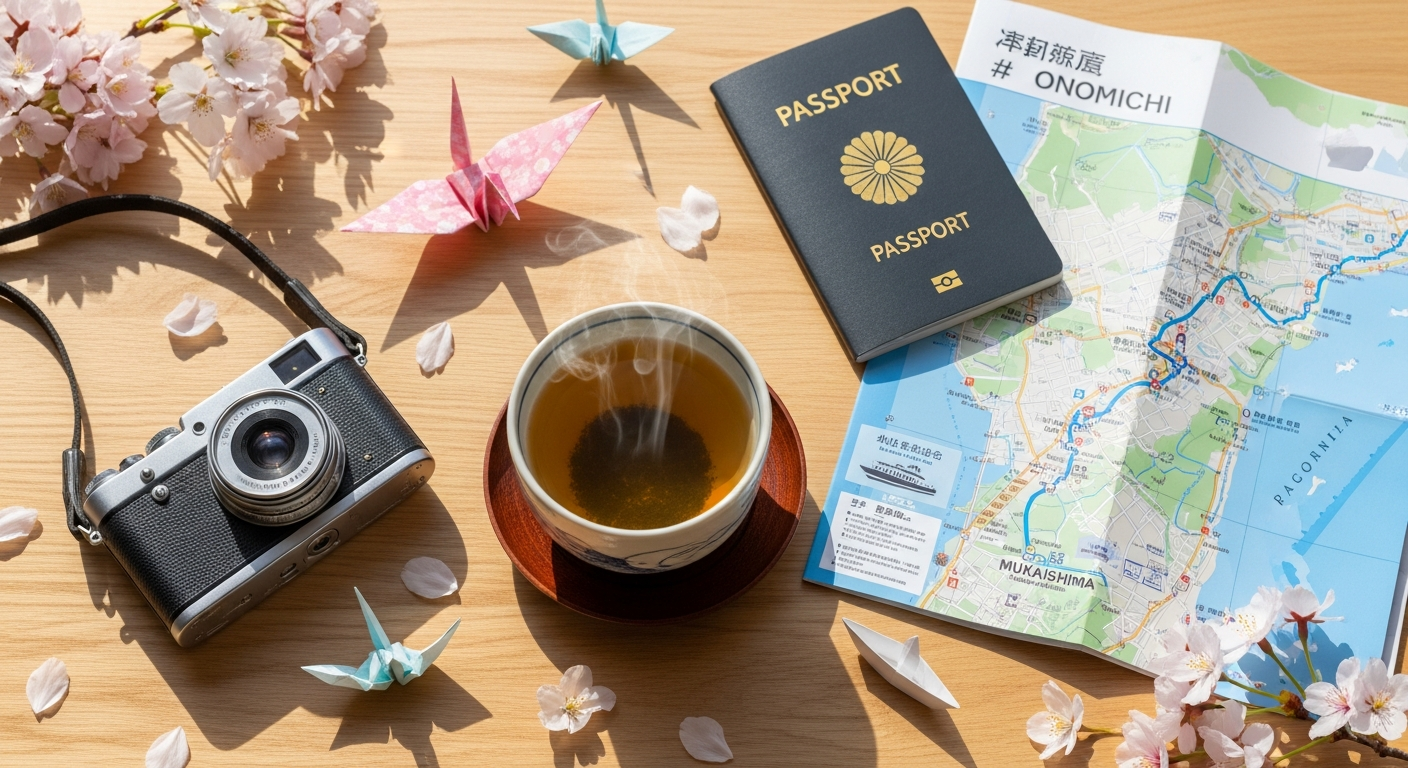
The Onomichi to Mukaishima ferry system is designed to accommodate various types of travelers, from foot passengers and cyclists to those bringing their vehicles. Understanding the different ferry types, their routes, and the respective terminals is crucial for a seamless journey.
Pedestrian and Bicycle Ferries: The Quickest Crossing
For most travelers, especially cyclists and those on foot, the pedestrian and bicycle ferries are the most popular and convenient option. These ferries are specifically designed for quick crossings and high frequency, making them ideal for the short hop to Mukaishima. The primary and most frequently used route departs from the Onomichi Ekimae Ferry Terminal, located directly in front of JR Onomichi Station. This terminal is incredibly accessible, literally steps away from the station exit, making it the preferred choice for those arriving by train or staying in central Onomichi.
- Onomichi Ekimae Ferry Terminal to Mukaishima (Kaneko Ferry): This is the most iconic and frequently used route. The ferry docks at the Mukaishima Ferry Terminal, which is just a few minutes’ walk or ride from the initial Shimanami Kaido cycling path markers. The journey itself is remarkably short, typically lasting only 3-5 minutes. During peak cycling season or busy holiday periods in 2026, ferries depart every 5-10 minutes, ensuring minimal waiting times. The cost is highly affordable, usually a few hundred yen per person, with an additional small fee for bicycles. This service is operated by Kaneko Ferry.
- Onomichi Port Terminal to Mukaishima (Fukuura): While less frequented by Shimanami Kaido cyclists starting directly from Onomichi Station, there are also pedestrian and bicycle ferries that depart from the Onomichi Port Terminal (a slightly longer walk from Onomichi Station, perhaps 10-15 minutes) to other points on Mukaishima, such as Fukuura. These routes might be useful for those staying closer to the port area or looking to explore a different part of Mukaishima upon arrival. However, for the direct Shimanami Kaido start, the Ekimae ferry is unequivocally the most straightforward option.
The experience on these ferries is charmingly local. You’ll find yourself sharing the small deck with fellow cyclists, local students, and elderly residents, all enjoying the brief but scenic crossing. The sheer efficiency and simplicity of these short ferry rides are a highlight in themselves, an authentic taste of daily life along the Seto Inland Sea.
Car Ferries: Bringing Your Vehicle to Mukaishima
While the Shimanami Kaido is famous for cycling, some travelers may opt to bring their cars to Mukaishima, perhaps for extended exploration of the island, connecting to other parts of the Shimanami Kaido by car, or simply for convenience with luggage. Car ferries operate on different routes and schedules compared to the pedestrian/bicycle ferries.
- Onomichi (Doi Port) to Mukaishima (Oura): The primary car ferry route connects Doi Port in Onomichi (located slightly west of the main city center, requiring a short drive or taxi from Onomichi Station) to Oura Port on Mukaishima. These ferries are larger and less frequent than the pedestrian ones, accommodating a range of vehicles from motorcycles to standard cars and even small trucks. The journey takes slightly longer, around 10-15 minutes, due to the larger vessels and docking procedures. It’s advisable to check the specific schedules and pricing for car ferries in advance, especially during 2026, as they can vary more than pedestrian services. Pricing depends on the vehicle’s size and the number of passengers.
- Other Car Ferry Services: Depending on the time of year and specific needs, there might be other less frequent car ferry services to different parts of Mukaishima or to other islands further afield. However, for simply getting a car onto Mukaishima from Onomichi, the Doi-Oura route is the most common.
Using a car ferry allows for greater flexibility in exploring Mukaishima’s more remote areas, beaches, and scenic spots that might be harder to reach by bicycle or on foot, particularly if you have limited time or specific mobility needs.
Ferry Terminals in Onomichi: Where to Catch Your Ride
Knowing exactly where to go in Onomichi to catch your ferry is crucial:
- Onomichi Ekimae Ferry Terminal: This is the most important terminal for cyclists and pedestrians. It’s located directly across the street from the main exit of JR Onomichi Station. Look for a small ticket booth and the ferry dock right on the waterfront. It’s impossible to miss if you’re coming from the station. This terminal exclusively serves the pedestrian/bicycle ferry to Mukaishima (Kaneko Ferry).
- Onomichi Port Terminal: Situated a short walk (approximately 10-15 minutes east) from Onomichi Station, this larger terminal handles a wider range of ferry services, including some longer-distance routes to other islands in the Seto Inland Sea, as well as less frequent pedestrian/bicycle services to Mukaishima (e.g., Fukuura). If your goal is simply Mukaishima, the Ekimae terminal is generally more convenient.
- Doi Port: Located to the west of Onomichi’s central area, Doi Port is where you’ll find the car ferry services to Mukaishima (Oura). It’s not within easy walking distance of Onomichi Station, so if you’re driving, follow GPS directions or local signage.
Always double-check the signs at each terminal to confirm your destination and departure times, especially in 2026, as schedules can be subject to minor adjustments.
A Seamless Crossing: What to Expect Onboard the Onomichi to Mukaishima Ferry
For those taking the pedestrian/bicycle ferry from Onomichi Ekimae, the process is straightforward. You purchase your ticket from a small booth or vending machine at the terminal. These tickets are usually simple paper slips. When the ferry arrives, you simply walk or roll your bicycle aboard. There are designated areas for bicycles, often at the stern or bow of the small vessel, where you can lean your bike safely. The interior usually offers a small cabin with benches, but most passengers prefer to stand on the open deck, enjoying the fresh sea breeze and the unfolding scenery.
As the ferry pulls away from the Onomichi shore, you’re immediately treated to panoramic views of the city. The iconic slopes of Onomichi, adorned with its myriad temples and traditional houses, rise dramatically from the water’s edge, crowned by the observation deck of Senkoji Park. You might spot the Onomichi Ropeway ascending the hillside, offering another popular vantage point. The sight of ships navigating the busy strait, and the distant silhouettes of other islands, adds to the maritime charm. This brief moment on the water provides an excellent photo opportunity and a chance to truly appreciate Onomichi’s unique topography.
The atmosphere onboard is typically relaxed and friendly. You’ll be sharing the space with a mix of local commuters, often students heading to or from school, and fellow travelers. Cyclists, easily identifiable by their gear, often exchange knowing glances, anticipating the start of their Shimanami Kaido adventure. Despite the short duration, there’s a sense of shared journey and camaraderie. The sound of the ferry engine, the gentle rocking of the boat, and the cries of seagulls create a sensory experience that is distinctly Japanese coastal life.
Safety is paramount on these ferries. Vessels are well-maintained, and crew members are always on hand to assist with boarding, disembarking, and any inquiries. Even on the busiest days in 2026, the short distance and calm waters of the Seto Inland Sea make for a very safe and comfortable passage. Before you know it, the ferry will be docking at the Mukaishima terminal. Disembarking is just as quick as boarding; cyclists simply roll off, ready to begin their journey on the island. For pedestrians, the Mukaishima ferry terminal is well-connected to local bus routes and the start of the cycling path, making onward travel effortless.
For those utilizing the car ferry services, the experience is similar but on a larger scale. Vehicles are directed onto the ferry’s lower deck, while passengers can ascend to an observation deck or lounge area. The views are equally captivating, offering a different perspective of the strait. The car ferry journey, while slightly longer, still offers that crucial connection and the unique charm of maritime travel in the Seto Inland Sea.
Mukaishima Island: Your First Step onto the Shimanami Kaido and Beyond
Mukaishima Island, though often perceived merely as a transit point, is much more than just the first stop after the Onomichi ferry to Mukaishima. It serves as the official and highly symbolic starting point for the Shimanami Kaido cycling route from the Hiroshima Prefecture side, a journey that promises breathtaking scenery and unforgettable experiences across six islands and several impressive bridges to Shikoku.
Upon disembarking the ferry at Mukaishima, cyclists are immediately greeted by clear signage for the Shimanami Kaido. If you’ve rented a bicycle in Onomichi, you’re ready to roll. For those who need to rent, there are official Shimanami Kaido bicycle rental terminals conveniently located near the ferry port on Mukaishima, offering a range of bicycles from basic city bikes to road bikes. These terminals also serve as drop-off points, allowing for one-way rentals across the entire route, a fantastic convenience for cyclists in 2026.
The cycling path on Mukaishima is well-marked with blue lines on the road, guiding you effortlessly towards the Innoshima Bridge, the first major suspension bridge connecting Mukaishima to Innoshima Island. This bridge, along with the others on the Shimanami Kaido, features dedicated cycling and pedestrian paths, safely separated from vehicle traffic, ensuring a smooth and enjoyable ride with spectacular views. The ascent to the Innoshima Bridge is gradual, designed to be manageable for cyclists of all levels, providing an early taste of the panoramic vistas that await you on the full Shimanami Kaido journey.
Beyond its crucial role as the Shimanami Kaido gateway, Mukaishima is also an island worth exploring in its own right. Many cyclists, eager to tackle the full route, might pass through quickly. However, taking a moment to appreciate Mukaishima reveals a quieter, more rural side of the Seto Inland Sea. The island is known for its citrus farms, particularly mikan (mandarin oranges), which thrive in the mild climate and abundant sunshine. You’ll see groves clinging to hillsides, and during harvest season, roadside stalls offering fresh, local produce.
As you continue your journey from Mukaishima, you’ll cross the Innoshima Bridge to Innoshima Island, followed by the Ikuchi Bridge to Ikuchijima. Each island on the Shimanami Kaido offers its own unique attractions and charm. For instance, Ikuchijima is home to the stunning Setoda Kosanji Temple Guide, an extraordinary temple complex that is an absolute must-visit. This temple, with its vibrant colors, intricate architecture, and a fascinating cave of a thousand Buddhas, stands as a testament to one man’s devotion and wealth, offering a striking contrast to the natural beauty of the cycling route. Exploring Kosanji Temple provides a wonderful cultural interlude during your Shimanami Kaido adventure, highlighting the rich history and artistic heritage of the Seto Inland Sea region.
Mukaishima, therefore, is not just a starting point; it’s the welcoming threshold to an entire archipelago of discovery, connecting you to a network of islands, each with its own stories, landscapes, and cultural treasures waiting to be uncovered.
Exploring Mukaishima: Beyond the Ferry Terminal
While Mukaishima is often seen as the gateway to the Shimanami Kaido, merely passing through would mean missing out on its understated charm and local delights. For those with a little extra time after the Onomichi ferry to Mukaishima, or for travelers simply seeking a relaxed island experience without the full Shimanami commitment, Mukaishima offers a peaceful retreat with its own unique attractions.
One of the most appealing ways to explore Mukaishima is to cycle around the island itself. Beyond the main Shimanami Kaido route that cuts across the island, there’s a scenic coastal loop that offers stunning views and a taste of local life. This loop, often less crowded than the main Shimanami path, takes you through quiet fishing villages, past citrus orchards, and along picturesque stretches of coastline. It’s an excellent option for a leisurely half-day or full-day ride, allowing you to soak in the island’s tranquil atmosphere at your own pace. You can rent bicycles directly at the Shimanami Kaido rental terminal near the Mukaishima ferry port if you haven’t brought one from Onomichi.
Food lovers will find simple but satisfying culinary experiences on Mukaishima. The island is known for its fresh seafood, and you can often find small, family-run eateries serving local catches. Keep an eye out for restaurants specializing in dishes made with local citrus, particularly during harvest season. One popular stop is Tachibana Shokudo, a retro-style diner often frequented by cyclists, offering hearty and affordable meals. There are also local bakeries and cafes where you can grab a pastry and a coffee, enjoying a moment of quiet reflection before continuing your journey.
For those seeking a panoramic view of Onomichi and the surrounding Seto Inland Sea, a climb up to Ushiroyama Park (Ushiroyama Koen) is highly recommended. While it requires a bit of effort, either by cycling uphill or taking a local bus part of the way, the reward is spectacular. From this elevated vantage point, you can gaze back at the entire Onomichi cityscape, see the ferries crisscrossing the strait, and appreciate the intricate network of islands that make up the Shimanami Kaido. It’s a fantastic spot for photography, especially during sunrise or sunset, offering a different perspective than the views from Onomichi itself.
Mukaishima also boasts several pleasant beaches, perfect for a relaxing break during warmer months. Tachibana Beach (Tachibana Kaigan) is a popular spot, offering a sandy shore and clear waters suitable for swimming. It’s a great place to unwind, have a picnic, or simply enjoy the tranquility of the Seto Inland Sea. Other smaller, more secluded coves can be discovered by those willing to explore off the beaten path.
The island maintains a distinctly rural and unhurried pace, a charming contrast to the more bustling atmosphere of central Onomichi. You’ll encounter friendly locals, traditional houses, and the quiet rhythm of island life. Exploring Mukaishima provides a deeper understanding of the region’s character and offers a peaceful respite from the demands of modern travel. It’s a reminder that sometimes, the journey itself, and the small destinations along the way, are just as rewarding as the grand finale.
Practical Tips for Your Onomichi to Mukaishima Ferry Trip in 2026
To ensure your trip on the Onomichi ferry to Mukaishima is as smooth and enjoyable as possible, here are some practical tips, keeping in mind the travel landscape of 2026.
Operating Hours and Frequency
The pedestrian and bicycle ferries operating between Onomichi Ekimae and Mukaishima are renowned for their high frequency. Typically, during daylight hours, ferries depart every 5-10 minutes, making it incredibly convenient. This means you rarely have to wait long. Services generally run from early morning (around 6:00 AM) until late evening (around 9:00 PM or 10:00 PM), though specific times can vary slightly on weekends or holidays. It’s always a good idea to check the latest schedule posted at the ferry terminal or on the Kaneko Ferry official website if you plan to travel very early or late in 2026. Car ferries, operating from Doi Port to Oura on Mukaishima, run less frequently, usually every 30-60 minutes, and have slightly shorter operating hours, so pre-checking their schedule is highly recommended if you’re traveling with a vehicle.
Ticket Prices and Payment Methods
The cost for the pedestrian/bicycle ferry is very affordable. As of 2026, a one-way fare for an adult pedestrian is typically around 110-150 yen, with a bicycle adding an extra 100-110 yen. Children’s fares are usually half price. Tickets are purchased directly at the ferry terminal via a vending machine or a small ticket booth. While cash (Japanese yen) is universally accepted and often preferred for these smaller transactions, some terminals, particularly the larger ones, may accept IC cards like Suica, Pasmo, or ICOCA. However, it’s always wise to carry small denominations of cash for convenience and to avoid any potential issues with card acceptance.
Bicycle Rental and Transportation
If you plan to cycle the Shimanami Kaido, you have two main options for bicycle rental:
- Rent in Onomichi: You can rent a bicycle from one of the Shimanami Kaido rental terminals in Onomichi (e.g., Onomichi U2 or the official terminal near Onomichi Station) and take it with you on the pedestrian ferry to Mukaishima. This is a very common approach.
- Rent on Mukaishima: Alternatively, you can take the ferry as a foot passenger and rent a bicycle from the official Shimanami Kaido rental terminal located near the Mukaishima ferry port. This might save you the small bicycle fare on the ferry.
Rules for bringing bicycles on the pedestrian ferry are simple: you walk your bike onto the ferry and secure it in the designated area. There are no complex procedures. Car ferries, of course, allow you to transport your bicycle within your vehicle.
Weather Considerations
The Seto Inland Sea is known for its relatively calm waters, but strong winds or heavy rain can occasionally affect ferry services. While complete cancellations of the short Onomichi-Mukaishima route are rare, delays or temporary suspensions can occur during typhoons or severe weather warnings. It’s always prudent to check local weather forecasts before your trip, especially if traveling during Japan’s typhoon season (typically June to October). In case of adverse weather, local train and bus services might be your only alternative for longer distances, though getting to Mukaishima without the ferry is not practical for cyclists.
Accessibility
The pedestrian ferries are generally accessible, with ramps for boarding and disembarking. However, space inside the cabins can be limited, and there might be small steps or thresholds. Travelers with significant mobility issues or those using wheelchairs should be aware that while possible, it may require some assistance from the ferry staff. Car ferries offer more space and are typically more accommodating for those with specific accessibility needs, as passengers can remain within their vehicles or access larger deck areas. It’s advisable to contact the ferry operator directly in advance if you have specific accessibility concerns for your 2026 trip.
By keeping these practical tips in mind, your short but significant journey on the Onomichi ferry to Mukaishima will be a smooth and enjoyable start to your Seto Inland Sea adventure.
Extending Your Onomichi Experience: Culture, Art, and Further Adventures
While the Onomichi ferry to Mukaishima is your essential link to the Shimanami Kaido and the tranquil island life, Onomichi itself is a destination rich in history, culture, and artistic vibrancy, deserving of ample exploration before or after your island adventures. The city serves as an ideal hub, blending the charm of a traditional Japanese port town with modern amenities and a thriving creative scene.
What To Do In Onomichi Japan
Onomichi offers a myriad of attractions that can easily fill a day or two. The most iconic experience is undoubtedly the Onomichi Temple Walk, a winding path that connects 25 ancient temples nestled into the city’s steep hillsides. This spiritual journey not only offers glimpses into centuries of Japanese Buddhist history but also provides breathtaking panoramic views of the Seto Inland Sea and its islands. Highlights include Senkoji Temple, perched dramatically on a cliff, and the quirky Manekineko Museum (Lucky Cat Museum), adding a touch of whimsy to the pilgrimage. For more detailed information on maximizing your time in the city, be sure to consult our comprehensive guide on What To Do In Onomichi Japan.
Beyond the temples, Onomichi’s literary heritage runs deep. Famous authors like Naoya Shiga and Fumiko Hayashi found inspiration in its unique atmosphere, and you can visit their former residences or stroll through literary paths. The city’s narrow, winding alleys, filled with traditional houses, cafes, and small shops, invite leisurely exploration, offering endless opportunities for discovery around every corner.
Onomichi Art Galleries And Culture
Onomichi has cultivated a reputation as an artistic haven, attracting creators and fostering a vibrant cultural scene. The city is home to several intriguing galleries and museums. The Onomichi City Museum of Art, located within Senkoji Park, showcases both local and national artworks, often featuring exhibitions that reflect the region’s spirit. Throughout the city, abandoned traditional houses have been beautifully repurposed into charming cafes, guesthouses, and artisan studios, creating an organic integration of art into daily life. Strolling through these renovated spaces offers a tangible connection to Onomichi’s creative pulse. For a deeper dive into this aspect of the city, our dedicated article on Onomichi Art Galleries And Culture provides an excellent resource.
The city’s cultural events calendar, particularly in 2026, often features local festivals, art exhibitions, and musical performances that celebrate both traditional customs and contemporary expressions. Keep an eye out for these opportunities to immerse yourself further in the local culture.
Onomichi truly acts as a multifaceted hub. It’s a place where you can begin an epic cycling adventure, delve into profound spiritual and artistic traditions, and simply soak in the atmosphere of a beautiful, historic Japanese city. The ease of access to Mukaishima via the ferry means that whether your interest lies in active exploration, cultural immersion, or simply enjoying scenic beauty, Onomichi provides the perfect starting point and a rewarding destination in its own right.
Frequently Asked Questions
How long does the Onomichi ferry to Mukaishima take?▾
Can I take my bicycle on the Onomichi to Mukaishima ferry?▾
What are the operating hours for the Mukaishima ferry?▾
Recommended Resources
For more on Onomichi ferry to, see Road Trip Planning Tips For Beginners on Vacation Rental Planners.
Check out How To Plan A Family Vacation On A Budget on Vacation Rental Planners for a deeper dive.