The Cinematic Slopes of Onomichi: A Guide to Japan’s Most Nostalgic Filming Locations
Nestled along the shimmering waters of the Seto Inland Sea, Onomichi is a city that feels as though it has been suspended in a gentler, more poetic era of Japanese history. Known throughout Japan as the “Town of Slopes” (*Saka no Machi*), this hillside enclave in Hiroshima Prefecture has served as a living set for some of the most influential works in world cinema. For decades, directors have been drawn to its labyrinthine alleys, ancient stone stairways, and the way the golden hour light dances across the ceramic roof tiles of its many temples. To walk through Onomichi is to walk through the frames of a masterpiece, where every corner turned reveals a vista that feels hauntingly familiar to fans of the silver screen.
Whether you are a cinephile retracing the steps of Yasujiro Ozu’s protagonists or a traveler seeking a landscape that balances rugged coastal beauty with profound cultural depth, Onomichi offers an experience unlike any other in Japan. Beyond its cinematic fame, it is a gateway to the Shimanami Kaido cycling route and a sanctuary for “temple hopping” and cat lovers alike. This guide explores the intersection of film history and local charm, providing everything you need to plan a 2026 pilgrimage to this hillside treasure.
—
1. The Cinematic Legacy: From Ozu’s Realism to Obayashi’s Fantasy
Onomichi’s relationship with the camera began in earnest with Yasujiro Ozu’s 1953 masterpiece, *Tokyo Story* (*Tokyo Monogatari*). Widely regarded as one of the greatest films ever made, it tells the poignant story of an elderly couple who travel from Onomichi to Tokyo to visit their busy children. The film’s opening and closing sequences are set in Onomichi, capturing the quiet dignity of the harbor and the spiritual gravity of the temples. Ozu’s “low-angle” shots immortalized the city’s stone walls and the distant silhouettes of the Seto Inland Sea islands, establishing Onomichi as a symbol of traditional Japanese values and domestic nostalgia.
In the 1980s, the city saw a cinematic rebirth through the lens of Nobuhiko Obayashi, a native of Onomichi. His “Onomichi Trilogy”—comprising *I Are You, You Am Me* (1982), *The Girl Who Leapt Through Time* (1983), and *Lonely Heart* (1985)—transformed the town into a place of magical realism and youthful longing. While Ozu treated Onomichi with a somber, documentary-like respect, Obayashi infused it with technicolor dreams and whimsical storytelling. For fans of Japanese cinema, the contrast between Ozu’s stark realism and Obayashi’s vibrant fantasy makes Onomichi a fascinating study in how a single location can embody diverse artistic visions.
—
2. Iconic Filming Locations: A Walking Tour of the Slopes
To truly experience the “Movie Town,” you must be prepared to climb. The city is built into a steep mountainside, meaning the most famous locations are accessible only by foot or the Senko-ji Ropeway.
Jodo-ji Temple and the Ozu Connection
Located on the eastern edge of the main slope district, Jodo-ji Temple is a primary location for *Tokyo Story*. The temple’s vermillion pagoda and the serene graveyard overlooking the narrow Onomichi Channel appear in the film’s most reflective moments. Visiting Jodo-ji provides a sense of the “mono no aware” (the pathos of things) that Ozu so masterfully captured. The view from the temple grounds, looking out toward the crane-dotted shipyards of Mukaishima Island, remains virtually unchanged since 1953.
The Stairs of Saikoku-ji Temple
Known for the giant straw sandals (*o-waraji*) hanging on its gate, Saikoku-ji features prominently in Obayashi’s films. The grueling stone staircase leading up to the temple was a frequent backdrop for scenes of teenage transition and physical comedy. For travelers, these stairs offer a workout but reward the effort with an overlook of the city’s dense, terraced housing—a hallmark of Onomichi’s unique urban planning.
Ten-nin-zaka Slope
Perhaps the most photographed alleyway in the city, Ten-nin-zaka is the quintessential “Onomichi slope.” It is narrow, flanked by weathered wooden fences and stone walls, with a steep incline that leads toward the Senko-ji pagoda. This slope has appeared in countless films, anime (such as *Kamichu!*), and television dramas. It perfectly encapsulates the feeling of being “lost” in a town where the passage of time seems to have slowed to a crawl.
—
3. Cultural Hubs: The Onomichi Movie Museum and Art Scene
For those who want a deeper dive into the technical side of the city’s film history, the **Onomichi Movie Museum** (*Onomichi Eiga Shiryokan*) is a mandatory stop. Housed in a charmingly renovated warehouse near the shopping arcade, the museum displays vintage posters, original scripts, and equipment used during the filming of the Onomichi Trilogy. It is a small, intimate space that celebrates the local pride residents take in their cinematic heritage.
Higher up the hill sits the **Onomichi City Museum of Art**, designed by the world-renowned architect Tadao Ando. While its focus is on fine art rather than cinema, the building itself is a modern masterpiece that complements the city’s historic aesthetic. The museum is also famous for its “security guard vs. cat” saga, where local felines frequently attempt to “sneak” into the museum, a story that has become a modern piece of Onomichi folklore, mirroring the whimsical spirit of Obayashi’s films.
Finally, don’t miss **Neko no Hosomichi** (Cat Alley). While not a formal filming location for a major blockbuster, this whimsical path is lined with “fuku-ishi-neko” (lucky stone cats) and real-life feline residents. It captures the bohemian, artistic spirit that has flourished in Onomichi in recent years, drawing painters and photographers from across the globe.
—
4. Local Recommendations: Dining and Resting in Onomichi
After navigating the steep inclines, you will need to refuel. Onomichi’s culinary scene is as distinct as its topography.
—
5. Practical Visitor Tips for Your 2026 Journey
Planning a trip to Onomichi requires a bit more logistical foresight than a trip to Tokyo or Osaka due to its unique geography.
—
FAQ: Traveling to Onomichi
Q: How do I get to Onomichi from Hiroshima or Osaka?
A: From Hiroshima, take the Shinkansen to Mihara and transfer to the JR Sanyo Line to Onomichi Station (approx. 45-60 mins). From Osaka, take the Shinkansen to Shin-Onomichi Station, then a short bus or taxi ride down to the waterfront and central area.
Q: Is Onomichi a good day trip, or should I stay overnight?
A: While you can see the main temples and “Movie Path” in 4-6 hours, an overnight stay is highly recommended. The town takes on a magical quality at sunset and sunrise, and staying overnight allows you to experience the local bars and the quiet, lantern-lit atmosphere of the slopes after the day-trippers leave.
Q: Where can I see the exact view from the *Tokyo Story* poster?
A: Head toward **Jodo-ji Temple** or the cemetery paths near **Senko-ji**. The classic “Ozu shot” usually involves the three-story pagoda of Senko-ji in the mid-ground with the narrow channel and the shipyards in the background.
Q: Can I cycle the Shimanami Kaido from here?
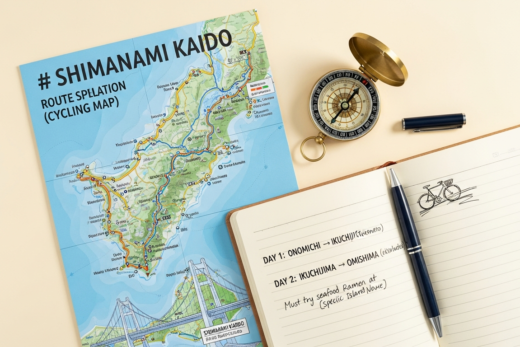
A: Yes! Onomichi is the traditional starting point for the Shimanami Kaido, a 70km cycling route that crosses six islands to Shikoku. You can rent bicycles at the Onomichi Port terminal, just a 3-minute walk from the station.
Q: Is the city accessible for travelers with mobility issues?
A: The waterfront and the shopping arcade are flat and very accessible. However, the “slope” district and many filming locations involve steep, uneven stone stairs. The Senko-ji Ropeway is accessible, allowing those with limited mobility to see the summit view, but many of the intermediate temple paths will be difficult to navigate.
—
Conclusion: Planning Your Onomichi Pilgrimage
Onomichi is more than just a collection of filming locations; it is a living museum of Japanese urban evolution and aesthetic beauty. For a trip in 2026, consider combining your cinematic tour with a cycling excursion on the Shimanami Kaido or a broader exploration of the Setouchi region’s art islands like Naoshima.
To get the most out of your visit, watch Ozu’s *Tokyo Story* and at least one film from Obayashi’s trilogy before you arrive. Seeing the physical locations after experiencing them on screen adds a layer of emotional resonance that a standard sightseeing tour cannot provide. Remember to pack light, walk slowly, and keep your camera ready—in Onomichi, you are not just a tourist; you are a character in a story that has been unfolding for centuries. Whether you are chasing the ghosts of cinema’s past or the literal cats of the present, this town of slopes will leave an indelible mark on your soul.