Unveiling Onomichi’s Creative Soul: An Insider’s Guide to Museums, Galleries, and Artistic Hideaways
Architectural Grandeur Meets Artistic Vision: The Onomichi City Museum of Art
Perched majestically atop Senkoji Park, offering unparalleled panoramic views of the Onomichi Channel and the islands beyond, the Onomichi City Museum of Art (尾道市立美術館) is more than just a place to view art – it’s an artwork in itself. Designed by the internationally acclaimed architect Tadao Ando, this striking concrete structure perfectly blends minimalist aesthetics with its natural surroundings, creating a serene and thought-provoking space. The museum’s original building, designed by Yoshiro Taniguchi, now complements Ando’s contemporary additions, forming a harmonious complex that celebrates both tradition and innovation.
Inside, the museum houses a diverse collection primarily focusing on modern Japanese art, with a particular emphasis on artists connected to Onomichi and the Setouchi region. You’ll find captivating paintings, sculptures, and various other art forms that reflect the beauty and unique character of this area. Beyond its permanent collection, the museum frequently hosts exciting special exhibitions featuring both Japanese and international artists, making each visit a fresh experience. We always recommend checking their current exhibition schedule online before your visit to see what intriguing displays are on offer.
Insider Tip: While the art inside is certainly a draw, don’t miss the museum’s most famous (and unofficial) residents: the resident cats! Often seen lounging on the benches or strolling through the grounds, these feline guardians have become an iconic part of the museum experience, charming visitors and adding a touch of whimsy. Combine your museum visit with a leisurely exploration of Senkoji Park, Senkoji Temple, and the Path of Literature for a truly enriching cultural day out. The views from the observation deck near the museum are simply breathtaking, especially at sunset.
* Address: 15-1 Higashitsuchido-cho, Onomichi, Hiroshima 722-0032
* Opening Hours: 9:00 AM – 5:00 PM (Last entry 4:30 PM). Closed Mondays (or the following day if Monday is a national holiday).
* Admission Fee: Typically ¥300 for adults for the permanent collection. Special exhibition fees vary (often around ¥500-¥1,000). High school students and younger are often free.
* Access: The easiest way is to take the Senkoji Ropeway from the base of the mountain to Senkoji Park Station. The museum is a short walk from there. Alternatively, it’s a pleasant (though uphill) 20-30 minute walk from Onomichi Station.
Where Words Weave Wonders: Onomichi’s Literary Landscapes
Onomichi’s picturesque scenery and melancholic charm have long served as a muse for some of Japan’s most celebrated literary figures. The city breathes literature, and you can practically feel the echoes of their thoughts as you wander its winding lanes. For those who appreciate the power of the written word, Onomichi offers a unique opportunity to step into the worlds created by these masters.
The Onomichi Literature Museum (尾道文学公園), located within the expansive Senkoji Park area, offers a concise yet insightful overview of the city’s rich literary heritage. It highlights the works and lives of various authors who found inspiration in Onomichi, providing context to the region’s artistic significance. While smaller than the art museum, it’s a crucial stop for understanding the city’s intellectual heartbeat.
One of the most significant literary landmarks is the Former Residence of Shiga Naoya (志賀直哉旧居). Shiga Naoya, a towering figure in modern Japanese literature, lived in this charming traditional house for a period, and it was here that he penned parts of his famous novel, “An’ya Koro” (A Dark Night’s Passing). Stepping into this preserved home, with its tranquil garden and period furnishings, feels like traveling back in time. You can almost imagine him at his desk, gazing out at the same views that inspired his prose. It’s a beautifully serene space that offers a tangible connection to literary history.
Another important writer associated with Onomichi is Hayashi Fumiko, known for her semi-autobiographical novel “Horoki” (Diary of a Vagabond). While her primary residence is in Tokyo, Onomichi played a significant role in her early life and is often referenced in her works. There’s a dedicated Hayashi Fumiko Memorial Hall (林芙美子記念館) located further west, offering insights into her life and connection to the city.
Perhaps the most immersive literary experience is walking the Path of Literature (文学のこみち). This winding stone path, starting near the Onomichi City Museum of Art and leading towards Senkoji Temple, is dotted with 25 natural stones, each inscribed with a famous quote or poem by a writer connected to Onomichi. As you ascend, pausing to read the verses and gaze at the panoramic views that inspired them, you gain a profound appreciation for the symbiotic relationship between Onomichi’s landscape and its literary output.
* Onomichi Literature Museum: Located within Senkoji Park. Check Senkoji Ropeway access.
* Former Residence of Shiga Naoya:
* Address: 8-1 Kubo, Onomichi, Hiroshima 722-0045
* Opening Hours: 9:00 AM – 5:00 PM. Closed Mondays (or the following day if Monday is a national holiday).
* Admission Fee: Around ¥100 for adults.
* Access: A pleasant 15-20 minute walk east from Onomichi Station, or a short bus ride.
* Hayashi Fumiko Memorial Hall:
* Address: 14-1 Tsuchido-cho, Onomichi, Hiroshima 722-0033
* Opening Hours & Admission: Check local listings as these can sometimes vary or be by appointment.
* Access: A longer walk west from Onomichi Station, or a local bus.
Beyond the Canvas: Contemporary Art, Crafts, and Creative Hubs
Onomichi isn’t just about established museums and historical literary sites; it’s also a thriving hub for contemporary creativity. The city’s unique blend of old and new, with its abundance of beautifully preserved traditional kominka (old Japanese houses), has attracted artists, designers, and craftspeople seeking inspiration and a place to showcase their work. This gives Onomichi a dynamic, ever-evolving art scene that often reveals itself in unexpected corners.
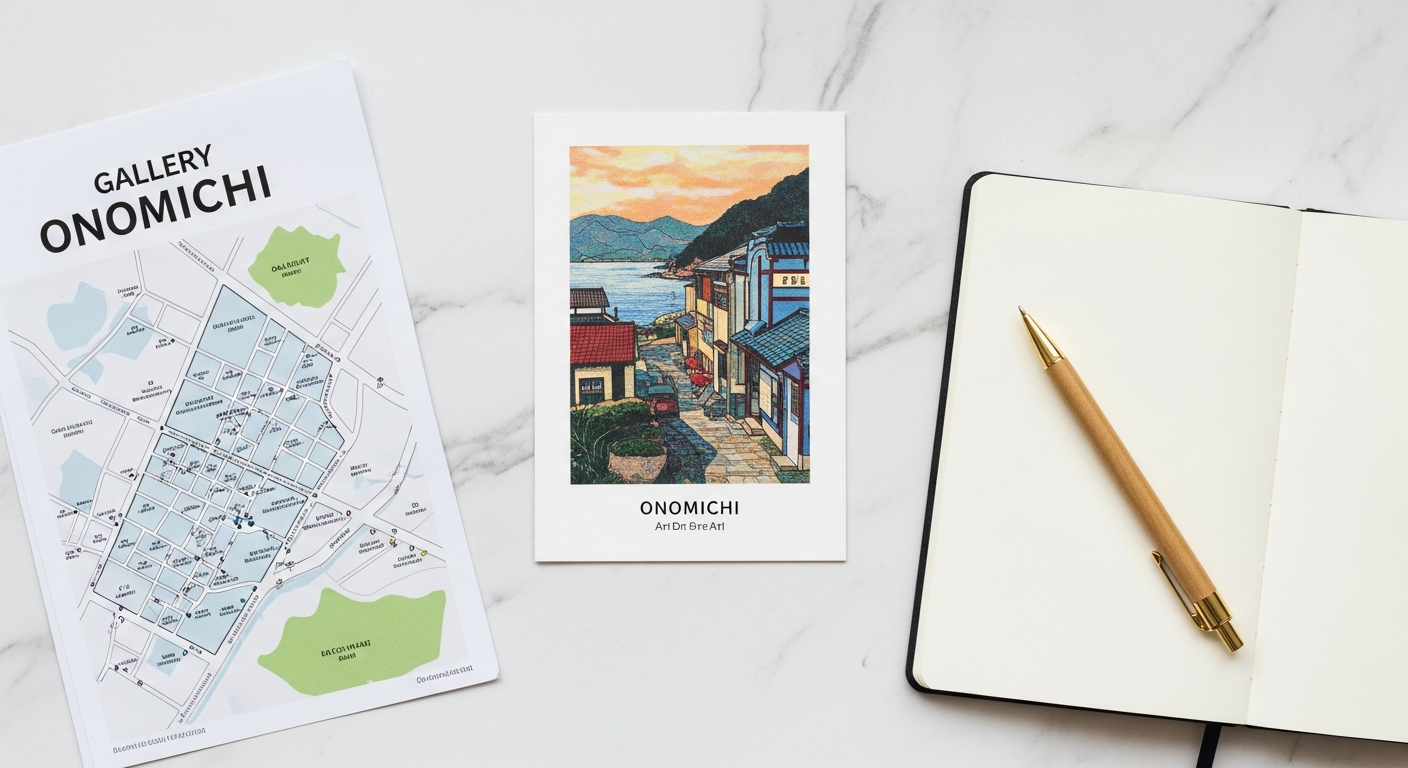
Wandering through the Shotengai (shopping street) and the narrow alleys leading up the slopes, you’ll discover numerous small, independent galleries and craft shops. These often feature local artists working in various mediums, from ceramics and textiles to painting and photography. Keep an eye out for places like Onomichi Gallery (おのみちギャラリー), which frequently hosts exhibitions by regional artists, providing a platform for emerging and established talents alike. These smaller venues offer a more intimate experience, allowing you to connect directly with the local art scene and perhaps even meet the artists themselves.
Many of Onomichi’s charming cafes and guesthouses also double as impromptu exhibition spaces. It’s common to find local artwork adorning the walls, available for purchase, or even a small craft corner selling handmade goods. This integration of art into everyday life is a hallmark of Onomichi’s creative spirit. For example, while not a traditional gallery, the Onomichi U2 complex, a beautifully renovated warehouse, often features art installations or exhibitions in its public spaces, reflecting a modern design sensibility. Its adjacent shops also showcase high-quality local crafts and design items.
For those interested in traditional crafts with a contemporary twist, look for studios specializing in indigo dyeing or pottery. While formal workshops for tourists might be limited, many shops display these beautiful items, allowing you to appreciate the intricate artistry. The general atmosphere of Onomichi encourages exploration; just by taking a leisurely stroll, you’re likely to stumble upon a hidden gem – a small studio tucked away in an alley, a pop-up exhibition in a vacant storefront, or a cafe showcasing a local photographer’s work.
Insider Tip: Don’t be afraid to venture off the main tourist paths. The true heart of Onomichi’s contemporary art scene often lies in the quieter residential areas on the slopes, where artists have lovingly restored kominka into their studios and galleries. Look for subtle signs or open doors; you might just discover your new favorite piece of art or unique souvenir. Chat with shop owners – they are often a wealth of information about other local artists and events.
* Onomichi Gallery (おのみちギャラリー):
* Address: 12-11 Tsuchido-cho, Onomichi, Hiroshima 722-0033 (Check for current location as smaller galleries can sometimes move)
* Opening Hours & Admission: Varies depending on the exhibition; typically free entry during open hours. Check their website or social media for current schedules.
* Access: A short walk from Onomichi Station, near the Shotengai.
* Onomichi U2:
* Address: 5-11 Nishigosho-cho, Onomichi, Hiroshima 722-0037
* Opening Hours: Shops and cafes generally 7:00 AM – 10:00 PM (individual shops vary).
* Access: Directly west of Onomichi Station, easily walkable.
Echoes of History: Traditional Arts, Temples, and Timeless Crafts
While Onomichi embraces contemporary art, its deep historical roots mean that traditional arts and cultural expressions are equally vibrant and accessible. The city’s numerous temples, many dating back centuries, are not just places of worship but living museums showcasing exquisite architectural details, intricate carvings, ancient statues, and beautifully landscaped gardens that reflect centuries of artistic and spiritual dedication.
Jodoji Temple (浄土寺) stands out as a prime example. Designated as a National Treasure, its main hall and pagoda are masterpieces of Muromachi period architecture. Here, you can admire detailed wooden carvings, ornate altars, and a profound sense of history. The temple also houses a renowned dry landscape garden, a form of traditional Japanese art designed for contemplation. The artistry in its construction and the careful arrangement of stones and moss speak volumes about Japan’s aesthetic principles.
Another significant temple, Saikokuji Temple (西國寺), is famous for its colossal waraji (straw sandals) hanging at the Niomon Gate. While the sandals themselves are a folk craft, the temple grounds house numerous cultural properties, including statues and architectural elements that demonstrate traditional craftsmanship and artistic styles from different eras. Exploring these temples offers a tangible connection to Japan’s long-standing artistic traditions.
For a broader understanding of local history and folk crafts, the Onomichi City Museum of History and Folklore (尾道市立郷土館), though perhaps not solely focused on art, often features exhibits on local pottery, weaving, and other traditional crafts that were vital to the region’s daily life and economy. These artifacts provide insight into the ingenuity and artistic sensibilities of past generations.
Beyond institutional settings, traditional artistry can be found in the subtle details of Onomichi itself. Keep an eye out for handcrafted signs, intricate tile work on older buildings, and the careful presentation of food in local restaurants – a culinary art form in itself. The slow pace of life in Onomichi allows for an appreciation of these smaller, often overlooked, artistic expressions that are woven into the fabric of the city.
* Jodoji Temple:
* Address: 2048 Higashikubo-cho, Onomichi, Hiroshima 722-0062
* Opening Hours: Grounds generally open dawn to dusk. Main hall access for viewing may be limited or require a small fee.
* Admission Fee: Free to enter grounds. Small fee for specific areas or special access.
* Access: Approximately a 30-minute walk east from Onomichi Station, or a short bus ride.
* Saikokuji Temple:
* Address: 10-29 Nishikubo-cho, Onomichi, Hiroshima 722-0043
* Opening Hours: Grounds generally open dawn to dusk.
* Admission Fee: Free to enter grounds.
* Access: A 15-20 minute walk west from Onomichi Station, or a short bus ride.
* Onomichi City Museum of History and Folklore:
* Address: 12-1 Higashitsuchido-cho, Onomichi, Hiroshima 722-0032
* Opening Hours & Admission: Check current local listings; typically closed Mondays. Small admission fee.
* Access: Located near the base of Senkoji Park, walkable from Onomichi Station.
Onomichi’s Open-Air Gallery: Street Art, Sculptures, and Cultural Festivals
Onomichi’s artistic expression isn’t confined to the walls of museums and galleries; it spills out onto the streets, transforming the entire city into an open-air gallery. The very landscape of Onomichi, with its steep slopes and narrow alleys, provides a unique canvas for public art and cultural displays that are accessible to everyone.
The most famous example is undoubtedly Cat Alley (猫の細道 – Neko no Hosomichi). Tucked behind Tenneiji Temple, this charming, winding path is adorned with hundreds of “fukuishi neko” – stone cats painted by artist Shunji Sonoyama. These whimsical, benevolent cat sculptures, along with other cat-themed art and actual feline residents, create an enchanting atmosphere that is both playful and deeply artistic. It’s a testament to how art can transform a simple alley into a beloved cultural landmark. You’ll also find small shops and cafes along this path, often featuring cat-themed art and crafts.
Beyond Cat Alley, as you explore the numerous temple paths (known as “teramichi”), you’ll encounter various small shrines, Jizo statues, and other stone carvings that have been placed over centuries. While not contemporary street art, these elements are historical public art, each telling a story or offering a moment for reflection. Modern street art or murals are less common in Onomichi compared to larger cities, but the city’s unique charm lies in its more subtle, integrated artistic touches.
Onomichi also comes alive with cultural festivals that are vibrant expressions of its artistic and community spirit. While not strictly “art exhibitions,” these festivals showcase traditional performing arts, elaborate decorations, and a collective artistic effort. The Onomichi Lantern Festival (尾道灯りまつり), typically held in autumn, sees thousands of beautifully crafted lanterns illuminating the temple paths and streets, creating a magical, ephemeral art installation. Each lantern is a small work of art, and the collective display is truly breathtaking. Similarly, the Onomichi Minato Matsuri (尾道みなと祭り), a spring festival celebrating the city’s port history, features parades, traditional dances, and elaborate floats, all imbued with artistic flair and community participation. These events are not just spectacles; they are living traditions where art, history, and community intertwine.
Insider Tip: When exploring the temple paths and Cat Alley, wear comfortable shoes! The slopes can be steep, but the rewards of discovering hidden artistic gems are well worth the effort. Visit Cat Alley early in the morning or late afternoon for fewer crowds and a more serene experience, and to potentially spot more of the real cats.
* Cat Alley (猫の細道):
* Location: Behind Tenneiji Temple, Higashitsuchido-cho, Onomichi, Hiroshima (Follow signs from the base of the Senkoji Ropeway or Tenneiji Temple).
* Access: Walkable from Onomichi Station (approx. 20 minutes) or from the Senkoji Ropeway base.
* Onomichi Lantern Festival & Minato Matsuri:
* Dates: Check Onomichi tourism official websites for current year’s dates. Lantern Festival is usually late October/early November. Minato Matsuri is usually late April/early May.
* Location: Various locations throughout the city, especially along the temple paths and the waterfront.