Miyajima vs Itsukushima: Same Island, Different Experiences
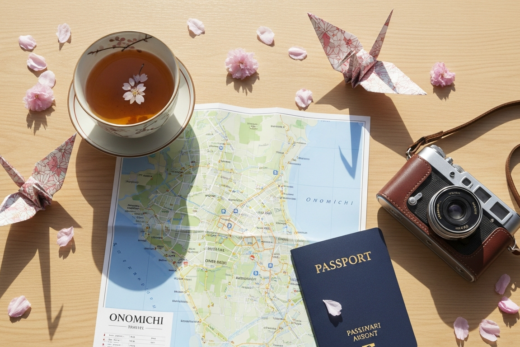
For travelers exploring the Hiroshima prefecture or embarking on a journey through the Setouchi region—perhaps stopping in the nostalgic slopes of Onomichi before heading west—understanding this duality is the key to a meaningful visit. Miyajima is the vibrant, bustling “Shrine Island” filled with friendly deer, savory street food, and souvenir shops. Itsukushima is the ancient, spiritual “Island of Worship,” where primeval forests and mountain ascetics tell a story of Shinto and Buddhist harmony that spans over a millennium. This guide explores how to navigate both sides of the island, ensuring your trip to this UNESCO World Heritage site is as profound as it is picturesque.
1. Decoding the Name: Why the Duality Matters
To understand the island, one must first understand the language. “Itsukushima” is the island’s official name, rooted in the word *itsuku*, which means “to purify” or “to serve the gods.” For centuries, the entire island was considered so sacred that commoners were forbidden to set foot on it. This is precisely why the famous Itsukushima Shrine was built on stilts over the intertidal zone—so that pilgrims could visit the deity without “defiling” the holy soil of the island itself.
“Miyajima,” on the other hand, literally translates to “Shrine Island.” It began as a popular nickname used by locals and travelers during the Edo period and eventually became the standard brand for tourism.
When you visit today, you are engaging with both identities. You arrive at Miyajimaguchi station and take the Miyajima ferry, but you step off the boat into a landscape governed by the rules of Itsukushima. Recognizing this distinction helps you appreciate why certain areas feel like a lively festival (Miyajima) while others, just a few blocks away, feel like a silent, ancient cathedral of trees (Itsukushima).
2. The Miyajima Experience: Oysters, Deer, and the Great Torii
The “Miyajima” side of your trip is defined by the immediate sights, sounds, and tastes that greet you upon arrival. As you walk along the waterfront toward the shrine, you will be met by the island’s most famous residents: the wild Sika deer. While they are accustomed to humans, they are not domesticated pets. They are considered messengers of the gods in the Shinto tradition, and watching them wander past the stone lanterns provides an instant sense of place.
The Great Torii and Timing the Tides
The centerpiece of the Miyajima experience is the Great Torii Gate. To see it “floating,” you must time your visit with high tide. However, the “Itsukushima” side of the experience happens at low tide, when the water recedes and allows you to walk across the seabed to touch the massive pillars of the gate. Check a local tide table before your trip; seeing the gate in both states is the best way to appreciate its engineering and its symbolic role as a gateway between the human and spirit worlds.
Culinary Delights of Omotesando
Parallel to the coast is the Omotesando Shopping Street. This is the heart of the “Miyajima” experience. Here, the air is thick with the scent of grilled seafood. You cannot leave without trying:
3. The Itsukushima Experience: Spiritual Heights and Hidden Temples
Once you move past the crowded photo spots and the shopping arcade, the “Itsukushima” side of the island reveals itself. This experience is quieter, steeper, and deeply spiritual.
Daisho-in Temple
While Itsukushima Shrine gets the most attention, Daisho-in Temple is, for many, the true highlight of the island. Tucked into the base of Mount Misen, this temple complex belongs to the Shingon school of Buddhism. As you walk up the stairs, you can spin the *manman-ryo* (prayer wheels) inscribed with sutras, which is said to provide the same blessing as reading them. The temple grounds are home to hundreds of small Jizo statues, each wearing a unique hand-knitted hat and bib, creating a whimsical yet meditative atmosphere.
The Ascent of Mount Misen
Mount Misen is the highest peak on the island and is considered the “throne of the gods.” To experience Itsukushima, you must head upward. You can take the Miyajima Ropeway for a scenic ascent, but the real magic lies in the hiking trails.
At the summit, you will find the Reikado (Hall of the Spiritual Flame). The fire inside has been burning for over 1,200 years, lit by the monk Kobo Daishi. This same flame was used to light the Flame of Peace in Hiroshima’s Peace Memorial Park.
4. Practical Logistics: Getting There from Hiroshima and Onomichi
Navigating the Setouchi region requires a bit of planning, especially if you are using a base like Onomichi or Hiroshima City.
From Hiroshima City
The most common route is taking the JR Sanyo Line from Hiroshima Station to Miyajimaguchi Station (about 25 minutes). From there, it’s a short walk to the ferry pier. There are two ferry companies: JR and Matsudai. If you have a JR Pass, the JR ferry is included. The JR ferry also tends to sail closer to the Torii gate for better photos.
From Onomichi
If you are coming from the charming temple town of Onomichi, you have two main options. You can take the Shinkansen from Shin-Onomichi to Hiroshima and then transfer to the local line. Alternatively, for a more scenic and budget-friendly route, take the local JR Sanyo Line directly toward Hiroshima. This journey takes about 90 minutes but offers beautiful glimpses of the Seto Inland Sea along the way.
The Visitor Tax
Note that a small visitor tax (typically 100 yen) is now implemented for all visitors entering the island. This is usually included in your ferry ticket price or paid via IC card (like Suica or Pasmo) at the terminal. This fund goes directly toward preserving the island’s delicate ecosystem and historical structures.
5. Local Secrets: Avoiding the Crowds and Finding Peace
The “Miyajima vs. Itsukushima” divide is most apparent in the timing of your visit. To see the island at its best, you must outsmart the day-trip crowds.
The Magic of the “Blue Hour”
Most tourists leave by 5:00 PM when the shops close and the last large ferries depart. If you stay later—or better yet, book a night at a local *ryokan* (traditional inn)—you will witness the island’s transformation. The stone lanterns are lit, the deer settle into the forests, and the shrine glows against the dark water. Walking the waterfront at night is perhaps the purest “Itsukushima” experience available.
Explore the Backstreets
Don’t just stick to the waterfront. The residential streets behind the main shopping area are filled with traditional wooden architecture, small galleries, and quiet coffee shops like *Sarasvati*, which roasts its own beans. These streets offer a glimpse into the daily life of the island’s 1,400 permanent residents who live in the shadow of the sacred mountain.
Seasonal Wisdom
While autumn (late November) is famous for maple leaves and spring (early April) for cherry blossoms, don’t overlook winter. A light dusting of snow on the vermillion shrine is a rare and ethereal sight. If you visit in summer, try to align your trip with the *Kangen-sai* Festival, where traditional boats and music recreate the courtly atmosphere of the Heian period.