The Ultimate Kure Maritime Museum Battleship Yamato Guide: Exploring Japan’s Naval Legacy
Nestled along the shimmering, island-studded waters of the Seto Inland Sea lies Kure, a city whose identity is forged in steel and saltwater. For travelers exploring the Hiroshima Prefecture or winding through the nostalgic slopes of Onomichi, Kure offers a profound encounter with Japan’s industrial prowess and its complex wartime history. At the heart of this coastal city stands the Kure Maritime Museum, more affectionately known as the Yamato Museum. This is not merely a collection of artifacts; it is a monument to the Battleship Yamato—the largest, heaviest, and most powerful battleship ever constructed.
For those planning a trip in 2026, the Yamato Museum serves as a vital cultural touchstone. It bridges the gap between the tragic lessons of the past and the incredible technological innovations that rebuilt modern Japan. Whether you are a history buff, an engineering enthusiast, or a traveler seeking a deeper understanding of the Setouchi region beyond the standard tourist trails, this guide provides everything you need to navigate the halls of the Yamato Museum and the surrounding naval heritage of Kure. From the breathtaking 1/10 scale model of the legendary vessel to the somber exhibits on human torpedoes, a visit here is an evocative journey through the soul of a seafaring nation.
Why Visit the Kure Maritime Museum (Yamato Museum)?
The Kure Maritime Museum is one of the most significant historical sites in Western Japan, drawing visitors from across the globe. The primary draw is, undoubtedly, the 1/10 scale model of the Battleship Yamato. Stretching over 26 meters in length, this meticulously crafted replica was built using original blueprints and underwater surveys of the wreck. Standing beside it, you begin to grasp the sheer audacity of the original ship’s design—a vessel that represented the pinnacle of Japanese Meiji-era industrialization.
Beyond the “Big Yamato,” the museum serves as a comprehensive chronicle of Kure’s evolution. Once the largest naval port in the Orient, Kure was the cradle of Japanese shipbuilding. The museum explores how the technology used to build these massive warships eventually pivoted toward the construction of the world’s largest oil tankers and high-tech merchant vessels, fueling Japan’s post-war economic miracle. It is a story of transformation, moving from the machinery of war to the machinery of global commerce.
For travelers staying in Onomichi or Hiroshima, Kure offers a more industrial, “authentic” side of Japan. While Onomichi provides temple walks and artistic vibes, Kure offers a gritty, fascinating look at the engineering spirit that defines the Setouchi region. It is a place where history feels tangible, framed by the active shipyards that still dominate the city’s skyline today.
Essential Visitor Information: Getting There and Practical Tips
Reaching Kure is a straightforward and scenic endeavor, making it a perfect day trip or a stopover between Hiroshima and Onomichi.
Getting There from Hiroshima:
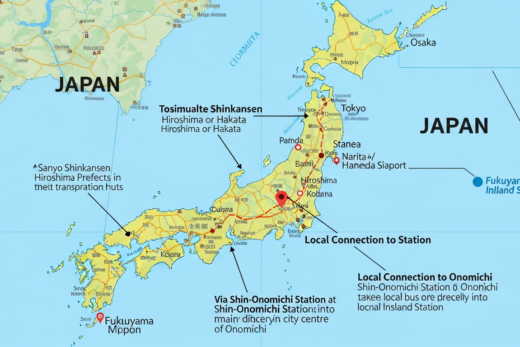
The easiest way to reach the museum is via the JR Kure Line from Hiroshima Station. The “Rapid Akiji Liner” takes approximately 30 to 40 minutes and is covered by the Japan Rail Pass. Once you arrive at Kure Station, follow the elevated pedestrian walkway (deck) which leads directly to the museum and the waterfront—a pleasant 10-minute walk.
Getting There from Onomichi:
If you are coming from Onomichi, take the JR Sanyo Line to Itozaki or Mihara, then transfer to the JR Kure Line. This route is slower but incredibly scenic, hugging the coastline of the Seto Inland Sea. Alternatively, take the Shinkansen from Shin-Onomichi to Hiroshima and double back via the local Kure line for a faster journey.
Opening Hours and Admission:
**Pro-Tip:** To avoid the largest crowds, try to arrive right at opening time on a weekday. The museum is a popular destination for Japanese school trips, which can fill the halls by mid-morning.
Exploring the Exhibits: Beyond the Battleship Yamato
While the 1/10 scale Yamato is the undisputed star, the museum’s three floors are packed with historical treasures that provide a broader cultural context.
The Large Objects Exhibition Room
This hangar-like space houses several authentic pieces of military hardware that are rare to see in such pristine condition. Most notable is the Mitsubishi A6M7 Zero Fighter Model 62. This aircraft was recovered from Lake Biwa and restored, offering a haunting look at the plane that became a symbol of the Pacific War. Nearby, you will find the “Kaiten” Type 1 human-steered torpedo and the “Kairyu” midget submarine. These exhibits are presented with great solemnity, focusing on the human cost of the war and the young men who piloted these vessels.
The History of Kure Section
This area details Kure’s rise from a quiet fishing village to a massive naval district. It highlights the city’s role in the Russo-Japanese War and World War II. The displays include personal effects of sailors, original blueprints, and letters home, which humanize the grand scale of the naval history.
Future of Shipbuilding and Technology
On the third floor, the museum shifts focus toward the future. This interactive section is excellent for families and children. It features hands-on experiments involving hydrodynamics, buoyancy, and propulsion. There is even a ship-handling simulator where you can try your hand at navigating a vessel through the Kure harbor. This section emphasizes that the skills learned during the Yamato era have been passed down to the modern maritime industry.
The Cultural Context: Kure’s Naval Identity
To truly appreciate the Yamato Museum, one must understand the city of Kure itself. For decades, Kure was a “secret city.” Because of the sensitive nature of the naval shipyards, many parts of the city were off-limits to civilians, and the construction of the Yamato was kept in such strict secrecy that even residents didn’t know the full scale of what was being built in their harbor.
Today, Kure is proud of its heritage but maintains a reflective tone. The museum does not glorify the war; rather, it pays tribute to the craftsmanship of the workers and the bravery of the sailors while acknowledging the tragedy of the conflict. This nuanced perspective is common in the Hiroshima region, where “Peace Education” is a core part of the local identity.
Directly across from the Yamato Museum sits the **JMSDF Kure Museum**, also known as the “Iron Whale Museum.” You cannot miss it—a massive, 76-meter retired submarine (the Akishio) is perched on dry land outside. While the Yamato Museum focuses on the Imperial Japanese Navy and the history of shipbuilding, the Iron Whale focuses on the Japan Maritime Self-Defense Force, particularly minesweeping and submarine operations. Visiting both provides a complete picture of Japan’s naval evolution from the 19th century to 2026.
Where to Eat and Stay: Local Kure Specialties
No trip to Kure is complete without sampling the local “Navy” culture through its food. In Kure, the connection between the sea and the kitchen is inseparable.
Kaigun Curry (Navy Curry):
In the old Japanese Navy, Friday was “Curry Day”—a tradition that continues in the JMSDF today to help sailors keep track of the days of the week while at sea. Many restaurants in Kure serve “certified” Navy Curry, using recipes passed down from specific ships. The curry is typically served with a side of milk and a small salad, just as it was on the decks of the destroyers.
Kure Reimen:
If you are visiting during the warmer months, try Kure Reimen. These are cold, flat noodles served in a slightly sweet and spicy soy-based broth. It’s a refreshing local favorite that differs significantly from the standard ramen found in Hiroshima or Onomichi.
Staying in Kure vs. Onomichi:
While many travelers choose to stay in Hiroshima City or the picturesque hills of Onomichi, Kure offers several high-quality business hotels near the station, such as the Comfort Hotel Kure or the Kure Hankyu Hotel. Staying overnight allows you to experience the “Yatai” (food stalls) that spring up along Kuramoto-dori Street in the evenings. These stalls serve everything from ramen to oden and offer a wonderful chance to rub shoulders with locals in a cozy, atmospheric setting.
Combining Kure with Your Hiroshima and Onomichi Itinerary
To maximize your journey through the Setouchi region, Kure should be treated as a pivotal middle point. Here is how to integrate it into a 3-day itinerary:
By following this route, you witness the three pillars of the region: the solemn history of Hiroshima, the industrial strength of Kure, and the artistic, traditional beauty of Onomichi.
FAQ: Frequently Asked Questions About the Yamato Museum
1. How much time should I spend at the Kure Maritime Museum?
Most visitors find that 2 to 3 hours is sufficient to see the main exhibits and the Yamato model. However, if you are a naval history enthusiast or plan to visit the Iron Whale Museum (JMSDF Museum) next door, you should allocate at least 5 hours for the entire waterfront area.
2. Is the museum English-friendly?
Yes. Most of the major exhibits, including the descriptions for the 1/10 scale Yamato and the Zero Fighter, have English translations. The museum also offers an English audio guide which is highly recommended for a deeper dive into the historical context.
3. Is the Battleship Yamato Museum suitable for children?
Absolutely. While the historical sections are somber, the 1/10 scale model is visually stunning for all ages. The third-floor “Future of Shipbuilding” section is specifically designed for kids, with interactive games and experiments that explain the science of ships.
4. Can I see the actual Battleship Yamato wreck?
No, the Yamato lies on the ocean floor at a depth of 345 meters near the island of Tokunoshima. However, the museum displays several items recovered from the wreck site during various expeditions, including buttons from uniforms and small pieces of the ship’s structure.
5. Are there other Yamato-related sites in Kure?
Yes. You can visit the “Alley Karasuko-jima,” a park that offers a close-up view of docked JMSDF submarines. Additionally, the hillside “Rekishi-no-Mieru-Oka” (Hill with a View of History) provides a vantage point over the dry dock where the Yamato was originally built.
Conclusion: Planning Your Trip to Kure
The Kure Maritime Museum stands as a testament to the fact that ships are more than just steel and engines; they are reflections of the era in which they were born. A visit to see the Battleship Yamato is a highlight of any Setouchi itinerary, offering a profound counterpoint to the scenic beauty of Onomichi and the somber peace of Hiroshima.
As you plan your 2026 trip, remember that Kure is a city of layers. Look past the modern industrial facade to find the “Navy Curry” shops, the quiet memorials, and the enduring spirit of the shipbuilders. To make the most of your visit, wear comfortable walking shoes, bring a camera with good low-light capabilities for the museum interior, and consider purchasing a Setouchi Area Pass if you plan on hopping between Kure, Onomichi, and Hiroshima.
Kure may not have the neon lights of Tokyo or the ancient temples of Kyoto, but it possesses a rugged, honest charm. Standing in the shadow of the 1/10 scale Yamato, you will feel the weight of history and the incredible drive of a city that continues to build the giants of the sea. It is a destination that stays with you long after the train pulls away from the station and the cranes of the shipyard fade into the distance.