


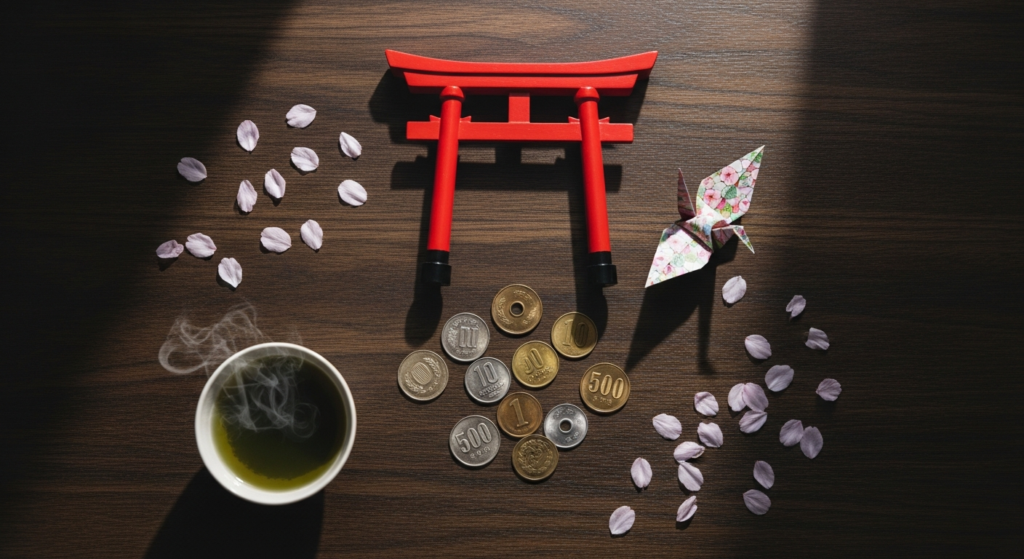
Japan is renowned for its impeccable hospitality (omotenashi おもてなし), a philosophy of wholeheartedly looking after guests without expectation of reward. This spirit is deeply interwoven with everyday life and is reflected in various customs and social norms. By taking a proactive step to learn about these, you not only show appreciation for your hosts but also enhance your own experience, making you a more confident and welcomed visitor. From the subtle art of bowing to the respectful use of chopsticks, let’s embark on a journey to master the essentials of Japanese etiquette.
The Heart of Japanese Etiquette: Respect and Harmony (Wa 和)
At the core of nearly all Japanese social customs lies the concept of Wa (和), which translates to harmony. This isn’t just a philosophical ideal; it’s a practical guide for daily interactions, emphasizing group cohesion, mutual respect, and the avoidance of conflict. When you observe Japanese people interacting, you’ll notice a consistent effort to minimize inconvenience to others, maintain a polite distance, and ensure a smooth, agreeable atmosphere. This underlying principle will help you understand the “why” behind many of the specific etiquette points we’ll discuss.
Omotenashi, the unique brand of Japanese hospitality, is a direct manifestation of Wa. It’s about anticipating needs, providing exceptional service, and making guests feel truly cherished, often going above and beyond expectations without seeking recognition. As a traveler, embracing the spirit of Wa means being mindful of your surroundings, showing consideration for others, and being open to learning and adapting. This reciprocal respect forms the foundation of a positive interaction with Japanese society.
General principles to keep in mind include politeness, humility, and maintaining a calm demeanor. Loud conversations, excessive public displays of affection, or confrontational behavior are generally frowned upon. A slight bow, a soft voice, and a thoughtful approach to interactions will always be appreciated, demonstrating your understanding and appreciation for Japanese culture.
Navigating Public Spaces: A Japan Travel Etiquette Guide for Respectful Conduct
Public Transport: Seamless Travel
- Quietness is Golden: Whether on a local train, subway, or the magnificent shinkansen (bullet train), quiet is paramount. Avoid loud conversations, limit phone calls to absolute emergencies (and speak softly), and silence your phone. Many Japanese people use their commute time to rest or read, and noisy disruptions are considered rude.
- Queueing (Narabu 並ぶ): Patience and orderly queuing are deeply ingrained. Always join the back of the line, whether it’s for a train, a bus, or even a popular restaurant. Pushing or cutting in line is considered highly disrespectful.
- Priority Seats (Yūsen Seki 優先席): These specially marked seats are for the elderly, pregnant women, passengers with disabilities, or those traveling with small children. Unless you fall into one of these categories and the train is truly empty, avoid sitting here. Even if they are empty, be prepared to offer them up immediately if someone eligible boards.
- Eating and Drinking: While acceptable on long-distance trains like the shinkansen (where you might even enjoy an ekiben, a station lunch box), avoid eating or drinking on local trains and subways. It’s generally not done and can be considered messy or inconsiderate.
Walking and Crowds: Moving with the Flow
- Keep Left: Like driving, pedestrian traffic in Japan generally keeps to the left. Observe and follow the flow, especially on escalators and stairs.
- Mind Your Space: Avoid blocking pathways, especially in busy areas. If you need to stop to check a map or take a photo, step to the side.
- No Eating While Walking: This is a common practice in many countries but is generally frowned upon in Japan, especially with strong-smelling foods. If you buy a snack, find a designated eating area or step aside to finish it.
- Noise Levels: Keep your voice down, especially in residential areas or late at night. The Japanese value quiet environments, and being excessively loud can be disruptive.
Cleanliness: A Shared Responsibility
Japan is famously clean, and this is due to a collective effort. You’ll notice very few public trash cans, as people are expected to carry their trash with them until they find a suitable receptacle, often at convenience stores or train stations. Do your part by not littering and properly sorting trash if you encounter separate bins for burnable, non-burnable, and recyclables.
Dining Etiquette: Savoring Japanese Flavors with Grace
Dining in Japan is an experience for all senses, deeply intertwined with custom and respect for food and the chef. This section of our Japan travel etiquette guide covers everything from before the first bite to after the last sip.
Before Eating: Setting the Scene
- “Itadakimasu” (いただきます): Before eating, it is customary to say “Itadakimasu,” which roughly translates to “I humbly receive,” expressing gratitude for the food and all those involved in its preparation.
- Oshibori (Wet Towel): Upon being seated, you’ll often receive an oshibori, a warm or cold wet towel. Use it to clean your hands before eating, then fold it neatly and place it back on its tray. Do not use it to wipe your face or neck, though some men may discreetly dab their face in very hot weather.
- Wait for Others: If dining with a group, wait for everyone to be served before starting to eat, especially if a senior member is present.
During Eating: The Art of the Meal
- Chopstick Etiquette:
- No Sticking Upright: Never stick your chopsticks vertically into your rice. This resembles incense sticks at a funeral and is considered extremely rude.
- No Passing Food: Do not pass food directly from your chopsticks to another person’s chopsticks. This is also a funeral ritual. If sharing, transfer food to a small plate first.
- No Pointing or Gesturing: Do not point with your chopsticks or wave them around while talking.
- No Spearing Food: Avoid using chopsticks like a fork to spear food.
- Resting Chopsticks: When not eating, place your chopsticks on the chopstick rest (hashioki 箸置き) or across your bowl.
- Slurping Noodles: Unlike in many Western cultures, slurping noodles (ramen, udon, soba) loudly is not only acceptable but often encouraged! It’s believed to enhance the flavor and shows appreciation for the meal.
- Lifting Bowls: It’s common and polite to lift small bowls (like rice or soup) closer to your mouth while eating, rather than hunching over your table.
- Drinking from Soup Bowls: Many Japanese soups, especially miso soup, are meant to be drunk directly from the bowl, using chopsticks to eat any solid ingredients.
- Soy Sauce: When eating sushi, dip the fish side into the soy sauce, not the rice. Use it sparingly to avoid overpowering the delicate flavors. Don’t mix wasabi into your soy sauce unless specifically instructed by the chef, as premium sushi often has wasabi already perfectly applied.
- Tipping: Tipping is not customary in Japan and can even be considered confusing or insulting. Excellent service is simply part of the culture.
After Eating: Expressing Thanks
- “Gochisōsama deshita” (ごちそうさまでした): After finishing your meal, say “Gochisōsama deshita” to express gratitude for the meal and the effort put into it. You can say this to the staff or your host.
- Leaving Dishes Tidy: Try to put your dishes back in their original arrangement, if possible, especially on trays.
Temples, Shrines, and Sacred Spaces: Showing Reverence
Japan’s spiritual landscape is dotted with countless temples (Buddhist) and shrines (Shinto), each offering a glimpse into the nation’s profound spiritual heritage. Showing respect in these sacred sites is a crucial part of our Japan travel etiquette guide.
Entering Sacred Grounds: The Gateway to Spirituality
- Bow at the Torii Gate or Temple Gate: When approaching a Shinto shrine, you’ll pass through a torii (鳥居) gate, marking the transition from the mundane to the sacred. It’s customary to stop, bow once, and then proceed. Do the same at the main gate of a Buddhist temple.
- The Temizuya (Purification Fountain): Before approaching the main hall of a shrine or temple, you’ll often find a water pavilion called a temizuya (手水舎). Here, you purify yourself in a specific sequence:
- Take the ladle (hishaku 柄杓) with your right hand and scoop water.
- Pour a little water over your left hand to cleanse it.
- Switch the ladle to your left hand and pour water over your right hand.
- Switch the ladle back to your right hand, cup your left hand, and pour water into it to rinse your mouth. Do not drink directly from the ladle or spit water back into the basin.
- Pour a final stream of water over the ladle handle to clean it for the next person, then return it to its original position.
Within Sacred Spaces: Quiet Contemplation
- Quiet and Reverence: Maintain a quiet and respectful demeanor. Avoid loud conversations or boisterous behavior.
- Photography: While photography is often permitted in the outer grounds, be mindful of signs indicating “No Photography” inside certain halls or near altars. Always be discreet and avoid using flash in dimly lit interiors. Never take photos of monks or priests without explicit permission.
- Remove Hats: It’s respectful to remove your hat when entering the main halls of temples or shrines.
- Footwear: At some temples or shrines, particularly those with tatami mat flooring, you may be asked to remove your shoes. Look for signs or rows of shoes indicating where to do so.
Prayer and Offerings: Connecting with the Divine
- At Shrines (Shinto):
- Approach the offering box and throw in a coin (often a 5-yen coin, as go-en ご縁 sounds like “good fate”).
- Bow twice deeply.
- Clap your hands twice firmly to get the attention of the deity.
- Close your eyes, say your prayer or make a wish.
- Bow once more deeply.
- At Temples (Buddhist):
- Approach the offering box and gently place a coin.
- Bow once deeply.
- Close your eyes and offer your prayers. There is no clapping at Buddhist temples.
- Bow once more.
Accommodation & Onsen Etiquette: Relaxing the Japanese Way
Staying in traditional Japanese accommodations and experiencing an onsen (hot spring) bath are highlights for many travelers. Understanding the associated etiquette will make these experiences even more enjoyable, and this part of our Japan travel etiquette guide is particularly helpful for first-timers.
Ryokan and Traditional Hotels: Home Away from Home
- Removing Shoes at the Genkan (玄関): Upon entering any Japanese home, traditional inn (ryokan 旅館), or even some restaurants, you’ll encounter a lowered entryway called the genkan. Here, you must remove your outdoor shoes and place them neatly pointing towards the door. Slippers are usually provided for indoor use. Look for separate slippers for toilet use, and remember to switch back when you leave the restroom!
- Tatami Room Care: If your room has tatami (畳) straw mats, never walk on them with outdoor shoes or even the indoor slippers. Step directly onto the tatami in socks or bare feet. Be gentle with the mats, as they are delicate.
- Yukata (浴衣) Usage: In ryokan, a cotton robe called a yukata is often provided. You can wear this around the inn, to the communal baths, and sometimes even when strolling outside in the immediate vicinity (e.g., to a nearby restaurant in a hot spring town). Always wear it with the left side over the right side (right over left is for dressing the deceased).
Onsen (Hot Springs): A Ritual of Relaxation
Visiting an onsen is a quintessentially Japanese experience, offering deep relaxation and rejuvenation. However, there are strict rules to ensure hygiene and respect for fellow bathers.
- Nudity is Mandatory: Onsen are enjoyed in the nude. Swimsuits are not allowed in communal baths. There are usually separate baths for men and women. If you are extremely shy, consider finding an onsen with private rental baths (kashikiri-buro 貸切風呂).
- Wash Thoroughly Before Entering: This is the most crucial rule. Before stepping into the main bath, you must sit on a stool at a designated washing station (often equipped with showerheads, soap, and shampoo) and thoroughly wash and rinse your entire body.
- Kakeyu (掛け湯): Even after washing, it’s customary to pour a few ladles of hot water (kakeyu) over yourself before entering the main bath, adjusting your body to the water temperature.
- Keep Your Towel Out of the Water: You’ll usually receive a small hand towel. Use this for scrubbing your body at the washing station. When in the bath, do not let your towel touch the bath water. You can place it on your head, on the side of the bath, or fold it neatly beside you.
- Long Hair: If you have long hair, tie it up so it doesn’t touch the bath water.
- No Soaps or Shampoos in the Main Bath: Do all your washing at the designated stations.
- No Photography: Absolutely no cameras or phones are allowed in the bathing areas, to protect everyone’s privacy.
- Tattoos: Tattoos can be a sensitive issue due to their historical association with yakuza (Japanese mafia). Many onsen traditionally ban tattooed individuals. However, policies are changing, especially in tourist-heavy areas. If you have tattoos, research specific onsen policies beforehand. Some allow small tattoos if covered with a waterproof bandage; others have private baths as an alternative.
- After Bathing: Quickly rinse off any soap residue at the washing station before returning to the changing room. Gently dry yourself with your small towel before re-entering the changing area to avoid dripping water everywhere.
Gifts, Greetings, and Social Interactions: Building Connections
Engaging with locals is a highlight of any trip, and understanding a few social customs can greatly enhance your interactions in Japan.
Bowing (Ojigi お辞儀): The Art of Respect
Bowing is a fundamental part of Japanese communication, conveying greetings, thanks, apologies, and respect. While foreigners are not expected to master its nuances, a simple nod of the head or a slight bow will be genuinely appreciated. Generally:
- Slight Nod: A casual greeting among equals.
- 15-degree Bow (Eshaku 会釈): A common greeting or thanks to someone of similar status, or to customers.
- 30-degree Bow (Keirei 敬礼): More formal, for showing respect to superiors or formal apologies.
- 45-degree Bow (Saikeirei 最敬礼): Deepest bow, for profound apologies or extreme deference.
When bowing, keep your back straight and your hands at your sides (for men) or clasped in front (for women).
Greetings: Simple Politeness
Basic Japanese greetings go a long way:
- Konnichiwa (こんにちは): Hello (general daytime greeting).
- Arigato gozaimasu (ありがとうございます): Thank you very much.
- Sumimasen (すみません): Excuse me/I’m sorry/Thank you (for a small service).
Gift Giving (Omiyage お土産): Thoughtfulness and Tradition
Gift giving, particularly omiyage (souvenirs/gifts from travels), is a deeply ingrained cultural practice. While not expected from tourists, if you’re invited to someone’s home, a small gift from your home country or a local specialty (e.g., a treat from Onomichi) will be very well received. The presentation (often beautifully wrapped) and the thought behind the gift are as important as the gift itself. Gifts are usually exchanged using both hands as a sign of respect and often not opened immediately in front of the giver.
Photography: Always Ask Permission
Before taking photos of people, especially children, always ask for permission (e.g., “Shashin ii desu ka? 写真いいですか?” – “Is a photo okay?”). If they decline, respect their wishes. Be especially discreet if taking photos in sensitive areas or during religious ceremonies.
Pointing: Use an Open Hand
Instead of pointing with a single finger, which can be considered rude, gesture with an open hand or the entire hand. When referring to yourself, point to your nose, not your chest.
Money: Use a Tray
When paying in shops or restaurants, it’s common to place your money on a small tray rather than handing it directly to the cashier. If no tray is present, you may hand it directly. This applies to receiving change as well.
Practical Steps for Mastering Japan Travel Etiquette
Feeling a little overwhelmed by this detailed Japan travel etiquette guide? Don’t worry! Japanese people are incredibly understanding and patient with foreign visitors. The effort you make is what truly counts. Here are some practical steps to help you navigate Japan with confidence and cultural sensitivity:
- Observe and Imitate: The best way to learn is by watching. Pay attention to how locals behave in different situations – how they queue, how they pay, how they interact on public transport. Mimicking their actions, even imperfectly, shows your willingness to respect their customs.
- Learn Basic Phrases: Mastering “Hello,” “Thank you,” “Excuse me,” and “Please” in Japanese will open doors and show immense respect. Even a few words can make a big difference.
- Don’t Be Afraid to Ask: If you’re unsure about a particular custom, politely ask. Locals are often happy to explain or guide you. A simple “Sumimasen, wakarimasen” (すみません、分かりません – “Excuse me, I don’t understand”) can be very helpful.
- Carry a Small Gift: If you anticipate an opportunity to interact closely with locals (e.g., staying at a small guesthouse, participating in a local craft workshop), having a small, non-perishable gift from your home country can be a wonderful gesture of goodwill.
- Be Patient and Flexible: Things might not always work the way you expect. Embrace the differences, be patient, and approach every situation with a flexible mindset. A smile and a respectful attitude go a long way.
- Pack Smart: Consider wearing comfortable, easy-to-remove shoes for places where you’ll frequently take them off. Slip-on shoes are a lifesaver!
Embrace the Journey with Onomichi Guide
Understanding and respecting Japanese etiquette isn’t about rigid adherence to rules; it’s about showing consideration for a culture built on harmony and politeness. By embracing the insights from this Japan travel etiquette guide, you’re not just a tourist; you’re a welcomed guest, ready to immerse yourself more deeply in the beauty and traditions of Japan, from the serene cat-filled alleys of Onomichi to the vibrant markets of Hiroshima.
Your journey through Japan will undoubtedly be filled with incredible discoveries and heartwarming interactions. We at Onomichi Guide are here to ensure every step of that journey is enriching and unforgettable. Now, go forth with confidence, respect, and an open heart, and prepare to fall in love with Japan!