Your Ultimate Shimanami Kaido Packing List: An Onomichi Insider’s Guide to a Perfect Cycling Adventure
The Cycling Essentials: What to Wear & Ride with Confidence
Your comfort on the saddle is paramount for enjoying the Shimanami Kaido. While the route is generally gentle, you’ll be spending significant hours pedaling, so investing in quality cycling gear is a game-changer.
-
Performance Cycling Apparel
- Padded Cycling Shorts/Bib Shorts: This is non-negotiable. A good pair of padded shorts will save you from discomfort, allowing you to focus on the scenery, not your sit bones. Bring at least two pairs if you’re cycling over multiple days, allowing one to air out or be hand-washed.
- Moisture-Wicking Jerseys: Opt for lightweight, breathable fabrics that wick sweat away. Bright colors are great for visibility on the road. Pockets on the back are super handy for snacks, your phone, or a small camera.
- Base Layers (Seasonal): In cooler months (spring and autumn), a thin merino wool or synthetic base layer can add crucial warmth without bulk. For summer, a cooling, moisture-wicking base layer can actually help regulate body temperature.
- Lightweight Rain Jacket/Windbreaker: Japanese weather, especially near the coast, can be unpredictable. A compact, waterproof, and breathable jacket (GORE-TEX or similar) is a lifesaver against sudden showers or chilly winds on the bridges. It packs down small, so there’s no excuse!
- Cycling Gloves: Padded gloves reduce hand fatigue and offer protection in case of a fall. Fingerless for warmer weather, full-finger for cooler.
- Cycling Shoes & Socks: If you’re renting a performance road bike, it likely comes with SPD or SPD-SL pedals, requiring compatible cycling shoes. If you’re opting for a hybrid or e-bike, comfortable athletic shoes are fine. Always pack moisture-wicking socks to prevent blisters.
- Casual Clothes for Evenings: After a day of cycling, you’ll want to change into something comfortable and clean. Pack lightweight, quick-drying fabrics that don’t wrinkle easily – think a pair of shorts/light trousers and a couple of t-shirts. Remember, Japanese culture values neatness, even in casual settings.
-
Bike Accessories (If bringing your own, or for rental bikes)
- Water Bottles (2 recommended): Staying hydrated is crucial. There are plenty of places to refill, but having two bottles ensures you always have enough.
- Small Saddle Bag/Frame Bag: Perfect for holding your phone, wallet, snacks, and a mini repair kit.
- Mini Pump/CO2 Inflator, Spare Tube, Tire Levers, Patch Kit: While help is usually not far away, knowing how to fix a basic flat can save you time and hassle. Many rental bikes come with this, but double-check.
- Bike Lock: Essential if you plan to explore towns, grab lunch, or visit attractions off the bike path.
- Front and Rear Lights: Even if you plan to finish before dark, these are good for tunnels, unexpected delays, or adding visibility.
- Helmet: Absolutely mandatory for your safety. While some rental places offer helmets, bringing your own ensures a comfortable and perfectly fitting one.
-
Local Tip: Bike Rental & Shipping in Onomichi
If you’re not bringing your own bike (which I highly recommend for ease!), Onomichi is your hub for quality rentals:
- Giant Store Onomichi (at Onomichi U2): Offers a fantastic selection of high-quality road bikes, hybrids, and e-bikes. Prices typically range from ¥5,000-¥15,000+ per day depending on the model. Reservations are highly recommended, especially during peak season (spring and autumn). They’re located right by the waterfront, a short walk from Onomichi Station.
- Shimanami Cycle Terminal (Onomichi Port): A more budget-friendly option with a wider range of standard rental bikes, including cross bikes and city bikes. Great for one-way rentals, where you can drop the bike off at other terminals along the route. Expect prices around ¥2,000-¥3,000 per day, plus a deposit.
Bringing Your Own Bike? Japan’s excellent luggage forwarding service, Yamato Transport (Kuroneko Yamato), can ship your bike box directly to your accommodation in Onomichi. Just ensure it’s properly packed. This service is incredibly reliable and usually takes 1-2 days.
Personal Care & Health: Staying Fresh and Ready for the Ride
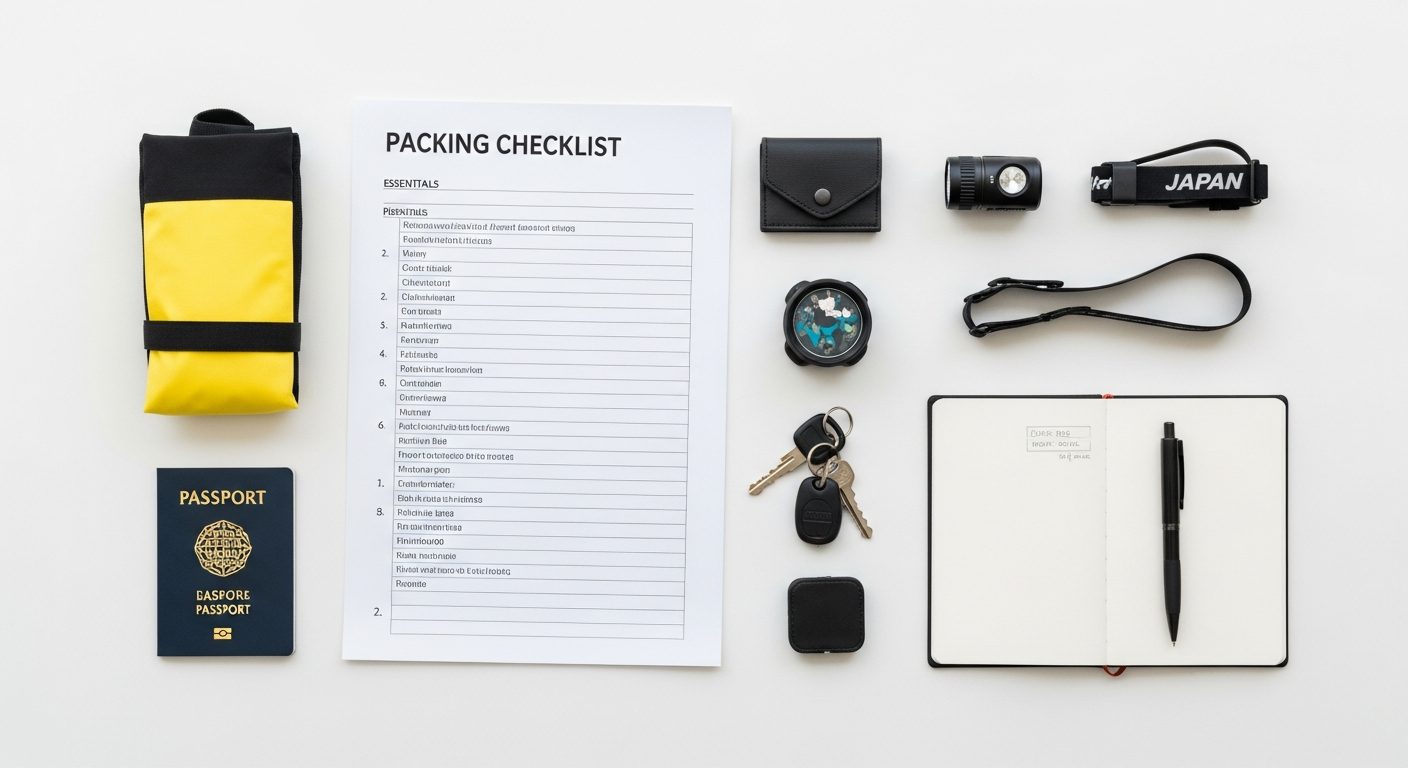
Long days on the bike mean you’ll want to feel fresh and address any minor ailments quickly.
-
Everyday Essentials
- Travel-Sized Toiletries: Shampoo, conditioner, body wash, moisturizer, toothbrush, toothpaste, and deodorant. Most accommodations in Japan provide basic amenities, but if you have specific preferences or sensitive skin, bring your own.
- Sunscreen (High SPF): The sun reflecting off the water and roads can be intense. Apply generously and reapply frequently, even on cloudy days. Don’t forget your lips!
- Lip Balm with SPF: Protect those lips from sun and wind.
- Insect Repellent: Especially crucial in warmer months (June-September) if you plan to stop in more natural, forested areas.
- Small, Quick-Drying Towel: Indispensable for wiping sweat, quick cool-downs, or even for an impromptu dip in a river or for visiting an onsen (hot spring) – remember to use a small modesty towel for public baths!
-
First Aid & Medications
- Personal Medications: Bring an ample supply of any prescription medications, along with a copy of your prescription and a doctor’s note (especially for controlled substances).
- Pain Relievers: Ibuprofen or paracetamol for muscle aches or headaches.
- Blister Plasters (Compeed is a lifesaver!): Even with good shoes, blisters can happen. Be prepared.
- Antiseptic Wipes & Small Bandages: For minor cuts or scrapes.
- Electrolyte Tablets/Powder: Crucial for replenishing salts lost through sweat, especially during hot and humid Japanese summers. You can find sports drinks in konbini, but having your preferred brand is smart.
-
Local Tip: Replenishing Supplies in Onomichi
Don’t fret if you forget something. Onomichi has excellent drugstores like Matsumoto Kiyoshi or Welcia, conveniently located near Onomichi Station and along the Hondori Shopping Street. They stock a wide range of toiletries, over-the-counter medicines, and sun protection. For more specific items, the larger department stores in Hiroshima City (easily accessible by train) will have almost anything you need.
Tech & Navigation: Staying Connected and On Track
In today’s travel landscape, technology is invaluable for navigation, communication, and capturing memories.
-
Stay Connected
- Smartphone: Your primary tool for navigation (Google Maps, Ride with GPS, Strava), translation apps (Google Translate, DeepL), and communication. Download offline maps of the Shimanami Kaido area before you arrive.
- Portable Power Bank: Absolutely essential. Long days of GPS usage will drain your phone battery quickly. Aim for a power bank with at least 10,000mAh capacity.
- Charging Cables & Wall Adapter: Japan uses Type A/B sockets (two flat pins) and operates on 100V. Most modern electronics are dual voltage, but you’ll need a physical adapter for the plug.
- Pocket Wi-Fi Device or Local SIM Card (Highly Recommended): While some accommodations offer Wi-Fi, having reliable data on the go is crucial for navigation, checking weather, and making reservations. You can rent pocket Wi-Fi at major airports or order a local SIM card online for delivery to your Onomichi hotel.
-
Capture the Memories
- Camera (Optional): If your phone isn’t enough, consider a GoPro for action shots on the bike, or a mirrorless/DSLR camera for stunning landscapes.
- Extra Batteries & Memory Cards: Don’t miss a shot because of a dead battery or full card!
-
Local Tip: Digital Tools for the Shimanami Kaido
Download the official Shimanami Kaido Cycling App. It provides maps, points of interest, rental station info, and emergency contacts. Also, Google Translate with its camera feature is incredibly helpful for reading menus and signs. Many cafes and shops along the route, especially in tourist-friendly Onomichi U2, offer free Wi-Fi, but don’t rely solely on it.
Documents & Money: Your Travel Lifeline in Japan
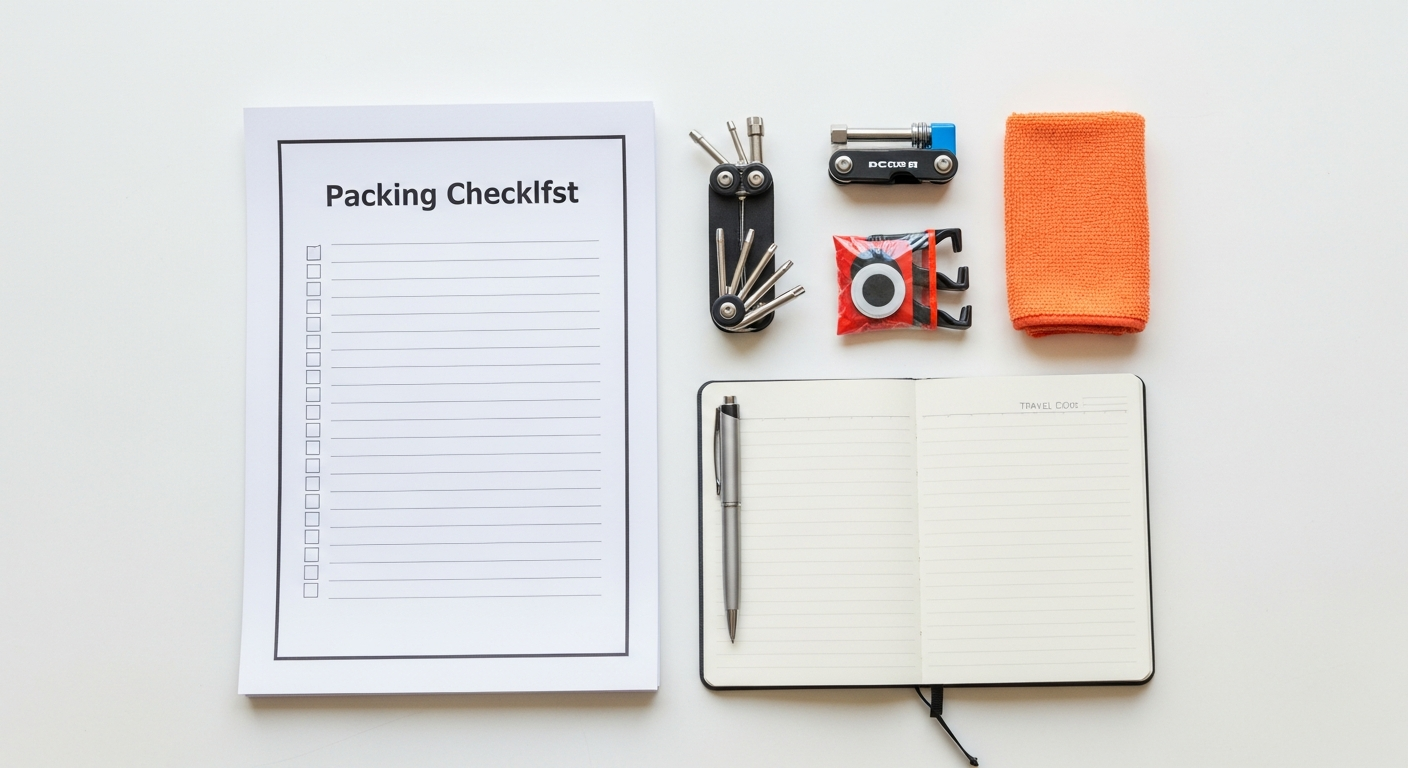
Being organized with your important documents and finances will give you peace of mind.
-
Essential Documents
- Passport & Visa: The original, of course! Also, carry digital copies (on your phone, cloud storage) and a few physical photocopies in a separate bag.
- Travel Insurance Details: Comprehensive travel insurance is a must, covering medical emergencies, cycling accidents, and lost luggage. Keep policy numbers and emergency contact details readily accessible.
- Flight & Accommodation Bookings: Printed and digital copies of all your reservations, especially your first night in Onomichi.
- Driver’s License (if applicable): If you plan to rent a car at any point (though unlikely on the Shimanami Kaido), an International Driving Permit (IDP) is required alongside your home country’s license.
-
Money Matters
- Credit/Debit Cards: Visa and Mastercard are widely accepted in larger establishments. Amex and Discover are less common. Inform your bank of your travel dates to avoid card freezes.
- Japanese Yen (Cash): This is CRUCIAL for the Shimanami Kaido. Many smaller, charming local restaurants, cafes, island guesthouses (minshuku), and even some vending machines operate on a cash-only basis. Aim to arrive in Onomichi with at least ¥20,000-¥30,000 in cash.
-
Local Tip: Cash & ATMs in Onomichi
Onomichi is well-equipped for cash withdrawals. You’ll find 7-Eleven convenience stores and Japan Post Bank ATMs (located in post offices) near Onomichi Station and along the Hondori Shopping Street. These ATMs are generally reliable for international cards. Always carry some smaller denominations (¥1,000 notes and ¥100/¥500 coins) for vending machines and smaller purchases. While IC cards like Suica or Pasmo are fantastic for urban train travel, they are not widely used on the Shimanami Kaido itself.
Comfort & Convenience: Little Luxuries for Big Adventures
Sometimes, it’s the small things that make a big difference in your travel comfort.
-
Everyday Comfort
- Reusable Shopping Bag: Japan is making strides in reducing plastic waste. A compact, reusable bag is perfect for souvenirs, groceries from local markets (like those found on Onomichi Hondori Shopping Street), or snacks from a konbini.
- Snacks: While convenience stores and cafes are plentiful, having your preferred energy bars, gels, or nuts on hand is great for quick fuel stops or if you have specific dietary needs.
- Book/E-reader/Headphones: For relaxing evenings after a day of cycling, or for train journeys to/from Onomichi.
- Eye Mask & Earplugs: Handy for light sleepers, especially if staying in hostels or busy areas.
-
Japanese Specific Items & Cultural Sensitivities
- Coin Pouch: You’ll accumulate a lot of coins in Japan (¥1, ¥5, ¥10, ¥50, ¥100, ¥500), and a dedicated pouch will save you fumbling at the register.
- Small Gift (Omiyage): If you’re staying at a small, family-run minshuku or guesthouse, bringing a small, inexpensive gift from your home country (like a local snack or souvenir) is a thoughtful gesture of appreciation, though not mandatory.
- Portable Chopsticks/Cutlery (Optional): If you prefer to avoid disposable options, a compact reusable set is a good choice.
- Respectful Attire: While cycling gear is fine on the bike, remember to dress respectfully when visiting temples, shrines, or more formal restaurants. Shoulders and knees covered are generally appreciated.
-
Local Tip: Embrace Onomichi’s Offerings
Take advantage of Onomichi’s charm! Before you set off, stroll down the bustling Onomichi Hondori Shopping Street. It’s a treasure trove for unique souvenirs, local crafts, and delicious snacks (don’t leave without trying Onomichi Ramen!). You might even find a quirky item you forgot to pack. For groceries, supermarkets like Fuji Grand Onomichi offer a wider selection than convenience stores.
The Onomichi Edge: Local Purchases & Rental Wisdom
Onomichi isn’t just a starting line; it’s a vibrant city offering services and goods that can enhance your Shimanami Kaido experience.
-
Maximizing Your Onomichi Start
- Last-Minute Gear Check: Before you hit the first bridge, do a final check of your bike and gear. Giant Store Onomichi offers excellent service and can help with any last-minute adjustments or purchases.
- Hydration & Snacks: Stock up at any of the numerous 7-Elevens, Lawson, or FamilyMart convenience stores around Onomichi Station or along the route. Grab some local citrus fruits – Hiroshima is famous for them!
-
Leveraging Luggage Forwarding (Takuhaibin)
This is arguably the most valuable insider tip for Shimanami Kaido cyclists. Japan’s luggage forwarding service, known as Takuhaibin (most commonly via Yamato Transport’s “Kuroneko Yamato”), allows you to send your main luggage ahead to your next destination, letting you cycle with just a small daypack.
- How it Works: Drop off your luggage at a Yamato Transport office, many convenience stores (look for the black cat logo!), or ask your hotel concierge. Fill out a simple form with your destination address and desired delivery date.
- Cost: Typically ranges from ¥1,500 to ¥3,000 per bag, depending on size and distance.
- Delivery Time: Usually 1-2 days. Plan accordingly! If you’re staying one night in Onomichi and then cycling to Imabari, you could send your bag from Onomichi directly to your hotel in Imabari or even to your next major city (e.g., Osaka, Kyoto).
- Local Tip: Onomichi U2 hotel (which also houses Giant Store Onomichi) offers excellent luggage forwarding services for its guests. If you’re staying elsewhere, ask your accommodation, or visit a 7-Eleven or Yamato Transport office near Onomichi Station. This service truly transforms your cycling experience, freeing you from heavy panniers!